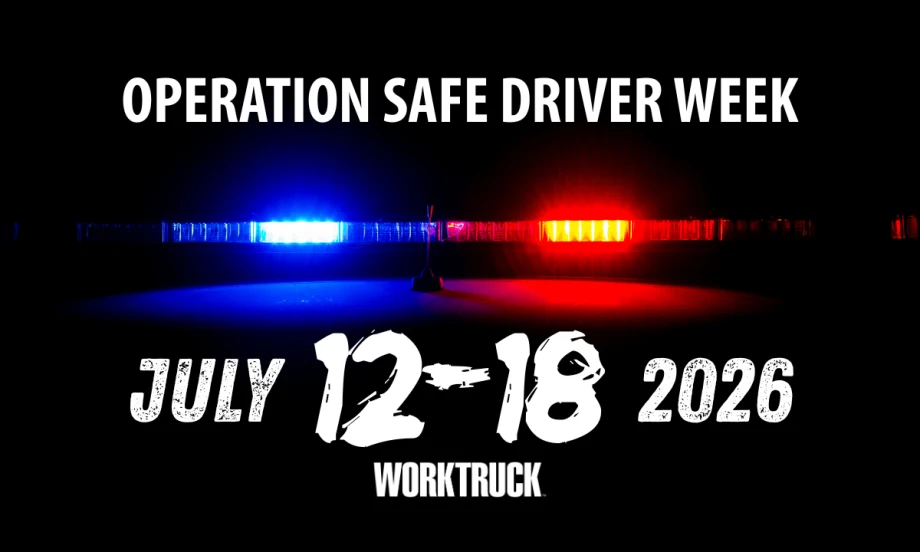
Each year, Operation Safe Driver Week gives fleets an opportunity to take a fresh look at driver safety before the Commercial Vehicle Safety Alliance's annual enforcement campaign begins. The initiative combines education with increased law enforcement presence across the U.S., Canada, and Mexico to encourage safer driving behaviors among drivers of both commercial motor vehicles and passenger vehicles.
From July 12-18, 2026, officers will be watching for unsafe driving behaviors among both commercial motor vehicle and passenger vehicle drivers, issuing warnings or citations as necessary.
For fleet managers, the week also serves as a timely reminder to evaluate the driving behaviors that can lead to crashes long before they result in a traffic stop. Whether your fleet relies on telematics, dash cameras, or supervisor observations, now is a good time to identify trends, reinforce expectations, and document coaching efforts.
Review Speeding Trends, Not Just Individual Events
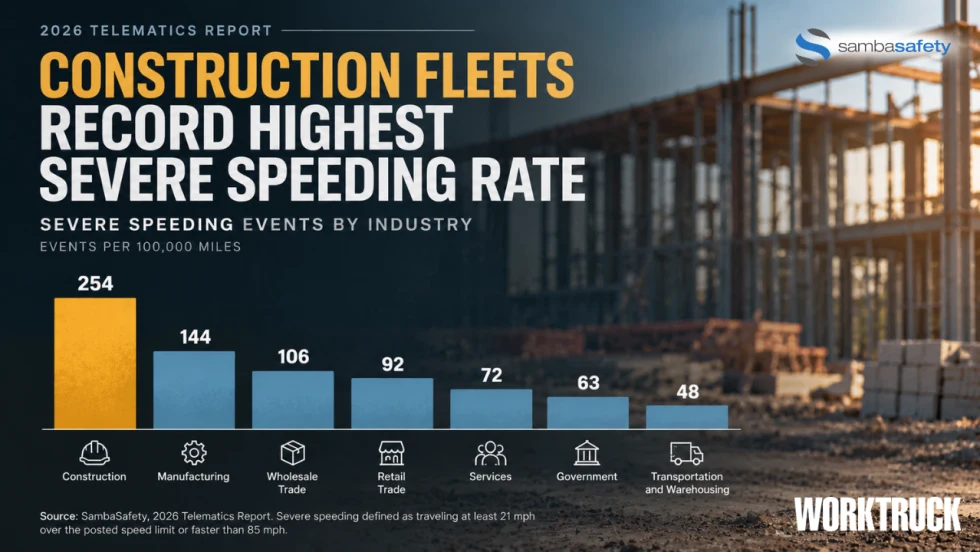
Speeding consistently ranks among the most common unsafe driving behaviors targeted during Operation Safe Driver Week, and it remains one of the leading contributors to fatal crashes. This year's campaign will again place a strong emphasis on reckless, careless, or dangerous driving, with speeding often serving as the first indicator of a broader safety issue.
A driver who records one speeding event may simply have made a mistake. A driver whose event counts continue to increase may need coaching before the issue results in a citation or a crash.
Rather than reviewing isolated speeding alerts, look for patterns such as:
- Drivers with repeated speeding events
- Routes where speeding regularly occurs
- Drivers whose speeding frequency has increased over the past several weeks
- Times of day when violations are most common
Look Beyond Hard Braking
Many fleets now have access to telematics that measure following distance, hard braking, rapid acceleration, and other indicators of aggressive driving. While hard braking often gets the most attention, it frequently points to another issue: drivers following too closely or failing to anticipate changing traffic conditions.
Review recent alerts for:
- Frequent hard braking
- Tailgating or following-distance warnings
- Aggressive acceleration
- Unsafe lane changes
Confirm Seat Belt Compliance
Failure to wear a seat belt remains one of the behaviors officers will be watching for during Operation Safe Driver Week. Even fleets with strong safety cultures should verify that seat belt expectations are consistently being followed and documented.
For fleets without electronic monitoring, this can be a good opportunity for supervisors to reinforce expectations during safety meetings or ride-alongs. If your vehicles report seat belt usage, review:
- Drivers with repeated non-compliance
- Whether coaching conversations occurred
- Whether issues were resolved after coaching
Revisit Your Mobile Device Policy
Most fleets already have a distracted driving policy. The more important question is whether everyone understands it. Policies are only effective if they're consistently reinforced.
Take time to confirm:
- Drivers have acknowledged the policy
- Dispatchers aren't creating unnecessary distractions
- Hands-free expectations are clearly understood
- Drivers know when they should safely pull over instead of attempting to respond
Audit Driver Coaching Records
Technology generates alerts, but safety culture comes from what happens afterward. Before July 12, review whether recent driver events actually resulted in documented coaching. If coaching isn't documented, it becomes difficult to measure whether safety efforts are making a difference.
Look for:
- Coaching completed after serious alerts
- Repeat behaviors that continue appearing
- Drivers who have improved after intervention
- Supervisors who may need additional support following up
Make Sure Safety Technology Is Actually Working
Many fleets rely on dash cameras, AI-powered driver monitoring, or telematics to identify risky driving behaviors. Those systems only help if someone is reviewing the information they generate. A missed alert provides little value if it isn't discovered until after an incident occurs.
Confirm that:
- Cameras are functioning properly
- Alerts are reaching the appropriate managers
- High-priority events are being reviewed promptly
- Escalation procedures are clear
Use Enforcement Week as a Safety Reset
Operation Safe Driver Week isn't intended to catch drivers off guard. The initiative combines education with enforcement to encourage safer driving behaviors throughout the year. For fleets, that's an opportunity to reinforce expectations before citations become necessary.
A brief review of speeding trends, following distance, seat belt compliance, distracted driving policies, coaching records, and safety technology can help identify gaps that may otherwise go unnoticed.
The result isn't just better preparation for one week of increased enforcement. It's a stronger safety culture that can pay dividends long after Operation Safe Driver Week ends.