




Fleet Safety Video Tip: Preventing Aggressive Driving
Here's some advice on aggressive driving and road rage prevention from the AAA Foundation for Traffic Safety and the New York DMV.
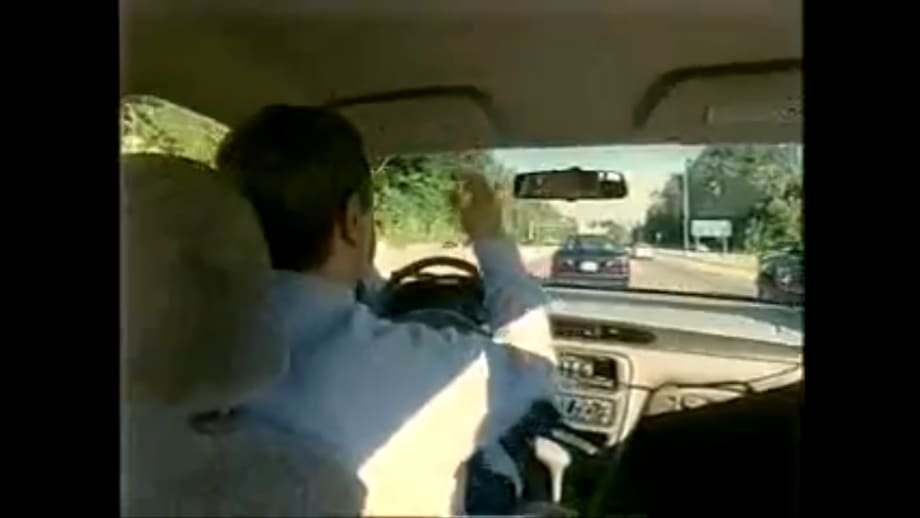
We all recognize the signs of an aggressive driver: speeding, making sudden and dangerous lane changes and turns, refusing to yield to another driver trying to merge, racing through yellow lights, horn-honking to express impatience, etc. Aggressive driving greatly increases the likelihood of a collision, raises driver stress levels and wastes fuel. So why are some drivers so prone to this behavior?
Here’s a video, produced by the AAA Foundation for Traffic Safety, which explores this question and provides advice. The good news is that aggressive drivers can learn to change their behavior. What's needed most is a healthy dose of self-reflection, along with some relaxation techniques and a willingness to change how they view the task of driving.
To view the video, click on the photo or link above. You may want to pass this tip along to your fleet drivers so they can better understand the motives and triggers associated with aggressive driving.
Additionally, here are some tips from the New York Department of Motor Vehicles:
To avoid becoming an aggressive driver:
Allow enough travel time to reach your destination on schedule.
If possible, alter your schedule to avoid driving during peak highway congestion periods.
If you're running late, call ahead so you can relax.
Don't drive when you're angry, upset or overly tired.
Make your vehicle comfortable. Listen to relaxing music and avoid situations that raise your anxiety.
When driving, relax and remain aware of your posture. Sit back in your seat, loosen your grip on the steering wheel and don't clench your teeth.
Give others the benefit of the doubt; be polite, courteous and forgiving.
You can control your own reactions to other drivers. If someone else drives aggressively, do not retaliate.
When confronted by an aggressive driver:
Avoid eye contact.
Stay calm and relaxed.
Make every attempt to get out of the way safely. Don't escalate the situation.
Put your pride in the back seat. Don't challenge an aggressive driver by speeding up or attempting to hold your position in your travel lane.
Wear a seat belt and encourage your passengers to do the same.
Ignore harassing gestures and name calling, and do not return them.
Report aggressive drivers to the appropriate law enforcement authorities by providing a vehicle description, location, license plate number and direction of travel.
If an aggressive or threatening driver starts following you, don't stop or get out of your vehicle. Drive directly to the nearest police station.
If an aggressive driver is involved in a crash, stop a safe distance from the crash scene. When the police arrive, report the driving behavior you witnessed.
Originally posted on Automotive Fleet
More Small Fleet


Developing Budget-Friendly Driver Safety Programs
From driver training and safety meetings to one-on-one coaching and incentive programs, several small fleets share how they have developed a safety culture with their drivers using low- to no-cost resources.
Read More →
Boosting Last-Mile Fleet Uptime, Safety, and Value with AI Vehicle Inspections
AI-powered inspections are transforming last-mile fleets by replacing manual checks with highly accurate automated scans that detect defects in seconds. By giving fleet operations visibility into the daily condition of their vehicles, you can identify trends over the vehicle’s lifecycle that enable improved procurement decisions, route management, driver training and accountability.
Read More →
Five Ways Seat Belts Help Prevent Injuries
There are five ways seat belts protect occupants from injuries, according to the Tennessee Department of Safety and Homeland Security.
Read More →
It’s here: The 2026 Fleet Technology Trends Report
What does AI mean for fleets? Get the answer — and learn other top tech trends.
Read More →
Small Fleets, Big Impact: How Independent Drivers Power Wreaths Across America
Check out how small fleets and independent drivers power Wreaths Across America each December and why their impact matters more than ever.
Read More →
VMS Survey Finds 65% of Small Fleet Managers Run Operations Alone
A new VMS survey shows small fleet managers are stretched thin, with most handling operations solo and eager to adopt digital tools for relief.
Read More →
Tips for Driving Safely on Halloween Night
This video features a reminder from the Connecticut Department of Transportation (DOT) and the Connecticut Police Chiefs Association, urging drivers to prioritize safety this Halloween.
Read More →
AI, Access, and Uptime: VMS’s Next Chapter with David Prusinski
VMS’s new Co-CEO, David Prusinski, shares how an AI-first approach will give small fleets and repair shops the tools to compete like big players.
Read More →
Fleet Managers Share Winter Prep Tips: It's Never Too Early!
Three fleets share best practices to prep vehicles for winter and prevent downtime when the cold sets in.
Read More →