




WWCD? What Would Coach Do?
A personal reflection on Ed "Coach" Bobit, the mentor who shaped my career, and why I still ask myself one question 12 years later: WWCD?

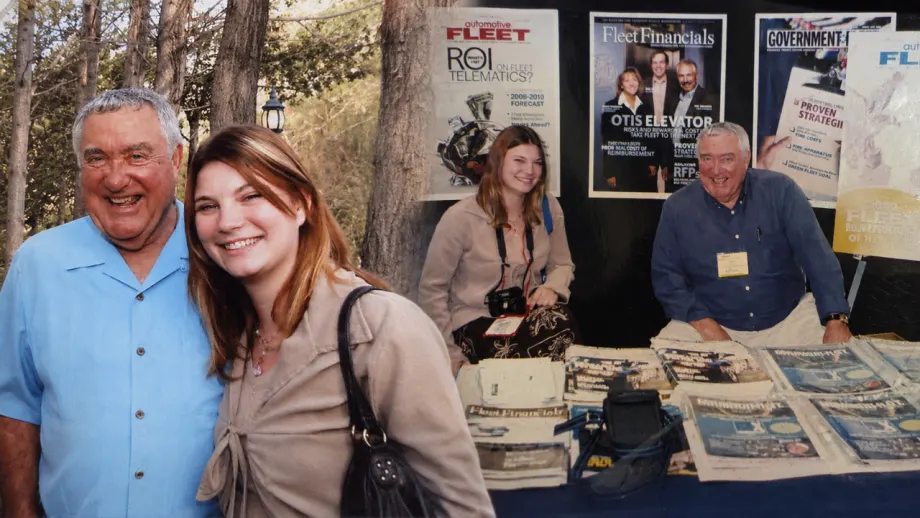
Looking back at these photos reminds me that some mentors never really leave. Coach Ed Bobit helped shape the way I think about people, leadership, and this industry, and those lessons continue to guide my work every day. (Yes, my hair color has changed a bit since these photos were taken.)
Lauren Fletcher
Twelve years ago this week (as of publishing), we lost Ed Bobit. Most people in our industry knew him as the founder of Bobit Business Media and Automotive Fleet. Around the office, though, he was simply "Coach." It's funny how someone can be gone for more than a decade but still show up in your work almost every day.
I still catch myself asking, WWCD: What would Coach do?
If you've ever worked for someone who fundamentally changed how you think, you probably know exactly what I mean.
Who Was Ed Bobit?
Coach wasn't perfect. He'd probably be the first one to tell you that.
He was opinionated. Gruff. Stubborn when he thought he was right, which was often. He loved a good cigar, a snifter of vodka, Michigan State sports, and telling stories that somehow started with publishing, wandered through football, and ended with a lesson you didn't realize you were learning until later.
He was also one of the best mentors I've ever had. When I joined Bobit nearly 20 years ago, I had no idea how much I would learn simply by being around him. I worked with him every day while I lived in Southern California. Even after I moved to Oregon, we continued working together on his editorials until his health declined. I remember getting an email, "even 1,000 miles away, I know you are still there."
And probably not surprising at all if you know, looking back, I realize the biggest lessons had very little to do with publishing. They were about people. Coach believed this business was built on relationships long before anyone put that idea into a mission statement. Readers weren't "page views." Advertisers weren't accounts. And fleet managers weren't just subscribers. They were people, friends, partners... a community. And I am proud to continue that legacy.
One of my favorite memories perfectly captures who he was. Before every major industry event, Coach would grab a company directory, cut out the photos and names of the people he thought we should meet, literally paste them onto a sheet of paper, and make photocopies for everyone on the team.
He'd hand them out and say, "These are the people you need to know... and who need to know you."
It wasn't about collecting business cards or making sales. It was about building relationships that mattered. Coach knew this industry inside and out. He understood who was shaping it, who was up-and-coming, and who we needed to spend time with. More importantly, he wanted us to succeed. He didn't just tell us to network. He invested the time to help us do it.
That has stuck with me more than I probably realized at the time. It's why I'd rather spend an hour talking with a fleet manager and developing a feature article than rewriting a press release. It's why I believe the best stories come from conversations, not inboxes. It's why I care so much about introducing people to one another, creating community, and making sure someone new never feels like they're standing alone in the corner at an event.
Coach taught me something else, too. Okay, a lot of "something elses":
- Don't play it safe.
- If you're going to do something, make it worth doing.
- Don't publish something just to fill a page.
- It's always about the people.
- Create something people genuinely need. (That's exactly how Automotive Fleet began back in 1961. Coach looked around and saw that fleet managers deserved better information, so he built it.)
I've thought about those lessons a lot over the last few years. Our industry has changed, publishing has changed, technology has changed, AI has entered the conversation, video has become just as important as print, and new platforms seem to appear every week. But one thing has stayed the same: the goal of helping our readers do their jobs better every single day.
Whenever I'm wrestling with a decision, I still find myself running through the same questions.
- Does this actually help people?
- Does it solve a problem?
- Would someone spend their valuable time on this?
- Should this be yellow? (IYKYK)
If the answer is no, then why are we doing it? Those questions have become part of how I lead today.
True Mentors are Never Really Gone
The funny thing about great mentors is that they never really leave. You start your career trying to impress them, and somewhere along the way, you realize they've quietly become part of how you think. Twelve years later, Coach is still influencing articles he never edited, videos he never watched, events he never attended, and decisions he never had the chance to make. That's a remarkable legacy.
So every once in a while, when I'm staring at a headline, planning an event, debating a new idea, or wondering whether we're headed in the right direction, I still ask myself one simple question. What would Coach do? I don't always know the answer, which frankly just makes me miss that man even more.
But asking the question has made me a better editor, a better leader, and, I hope, a better person. And sometimes, just for good measure... I still ask myself, "Should this be yellow?" (If you know, you know.)
Thanks, Coach.
More Blog Posts
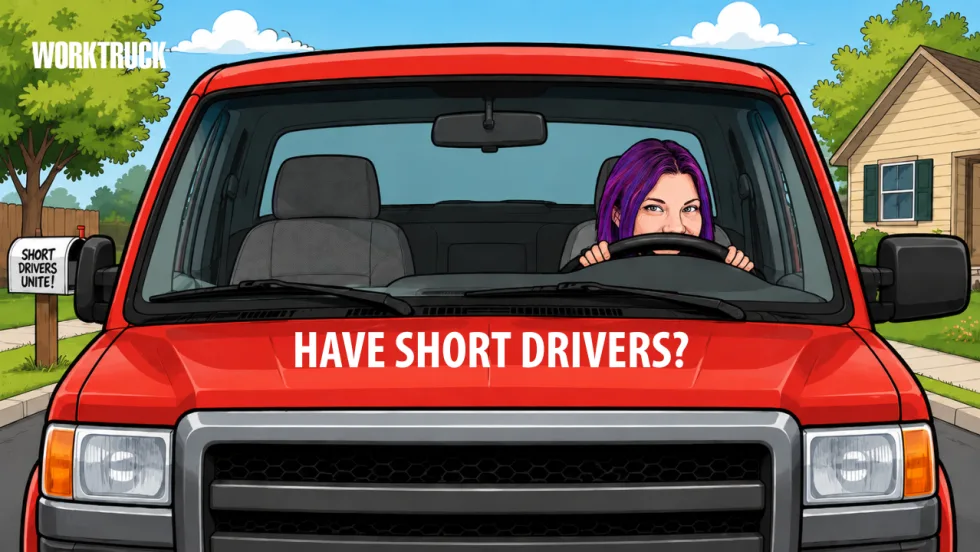
Short Drivers Need to Be Part of the Work Truck Spec, Too
The average truck driver may be around 5'9" for men and 5'4" for women, but fleets aren't spec'ing trucks for averages. Here's what shorter drivers need fleets to consider, from seat height and visibility to 360 cameras, seat belts, and cab access.
Read More →
Does Your Fleet Policy Cover In-Vehicle Gaming?
As in-vehicle gaming, streaming, and connected entertainment expand, fleet policies may need an update. Here’s what fleet managers should be thinking about now.
Read More →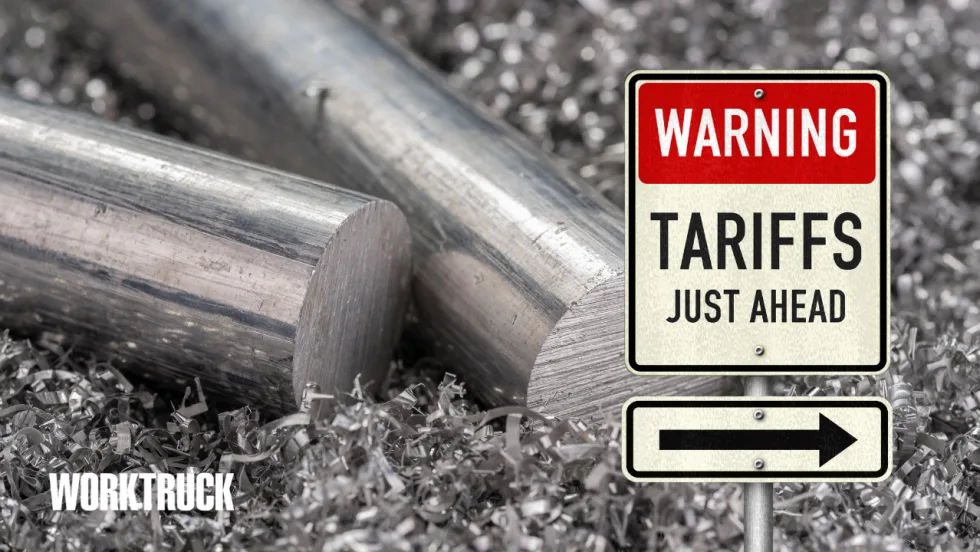
You Can't Tariff an Aluminum Smelter Into Existence
The U.S. wants to rebuild domestic aluminum production, but work truck manufacturers still need material today. What happens to costs and supply in the meantime?
Read More →
Can America Replace Canadian Truck Production Without Hurting U.S. Fleets?
U.S. tariffs are targeting Canadian truck production, but Ford and GM show why moving that manufacturing south isn’t so simple. After 60 years of building one North American supply chain, what could fleets lose by pulling it apart?
Read More →
The Fleet Skills We Keep Missing on Veterans’ Resumes
What if some of the strongest candidates are already out there, but we are overlooking them because their experience is written in a language our industry does not always recognize?
Read More →
Technicians Are Doing More Than Turning Wrenches
Technicians do far more than repair vehicles. Six professionals reveal the problem-solving, pressure, and pride behind keeping fleets moving.
Read More →
What the Fleet Industry Still Gets Wrong About Talent
What can the fleet industry learn from the women helping shape its future? A look at talent, leadership, sponsorship, and why new perspectives drive progress.
Read More →
AI Isn’t Killing Content, but Lazy Expertise Is
Thought leadership loses value when AI does the thinking. Here’s why authentic industry voices still matter most.
Read More →
Do I Need a U.S. DOT Number?
Whether you operate a small fleet of light-, medium-, or heavy-duty units, or are merely the owner of one truck wanting to ensure you adhere to the law, knowing if you can need a U.S. DOT number can be confusing.
Read More →
Is Retirement in Fleet Now More Like ‘Rewiring’?
Fleet professionals rarely retire for good. They return as advisors, mentors, and consultants, keeping hard-won experience in the industry.
Read More →