





Keep Reading: What Does AI Mean to Fleets?
AI Isn’t Killing Content, but Lazy Expertise Is
Thought leadership loses value when AI does the thinking. Here’s why authentic industry voices still matter most.
May 20, 2026

AI can generate content, but real thought leadership still comes from human experience, perspective, and authentic storytelling.
Credit:
This image was generated by AI. Please refer to our terms of use.
4 min to read
- The reliance on AI for thought leadership can diminish the perceived value of expertise as it lacks genuine insight and understanding.
- Authentic industry voices provide unique perspectives and depth that AI-generated content cannot replicate.
- Maintaining a human element in content ensures it resonates on a personal level and retains its relevance and credibility.
*Summarized by AI
Maybe this is my old-school journalism side coming out, but I need to say it because I keep seeing it over and over lately. The amount of “content” floating around right now that was very obviously generated from a quick AI prompt is getting exhausting.
And honestly, half the time it’s not even hard to spot. It’s all high-level observations, vague analysis, recycled buzzwords, and paragraphs that somehow say everything and yet absolutely nothing at the same time.
But here's where the rant changes from the current “AI is bad argument.” What’s really starting to get me is actually not the AI itself. It’s the number of industry experts letting their names get attached to this stuff.
AI Is Not the Enemy, But There is a Battle
I am not anti-AI, not at all. I use AI often for several applications and believe it’s an incredible tool… when used correctly. It can help outline your thoughts, organize your ideas, review drafts, identify gaps, and even push you to think more deeply about something. But somewhere along the line, people decided “help me think” turned into “write the whole thing for me,” and that’s where this all starts falling apart.
AI should NEVER be telling the story. It doesn’t actually know anything. It’s pulling from headlines, patterns, and the safest possible version of an idea. There’s no lived experience in it, no real perspective, or nuance. No actual understanding of the problem someone is trying to solve.
I would rather read HALF the amount of content out there if it meant I knew it came from someone who actually understands what they’re talking about. At least then there’s something real in it. Or maybe there would be an opinion I disagree with, an imperfect explanation, a weird tangent, or, honestly, even a typo, because lately those almost feel comforting. Like holy cow, an actual human being was here.
Remember, That’s What Editors are For
That’s what editors are FOR anyway. We clean things up and help shape the story. We have the skills and passion to take any idea and help it become clear and valuable. But there still has to BE a story underneath it.
So please, for the love of journalism, stop letting PR people slap your name onto something you barely reviewed and definitely didn’t write. And stop slapping your own name on what the latest trusted agent spat out. It works great as an outline, but it’s not the final product. Trust me, everyone can tell (or at least more people can tell than you think).
If you actually have experience and knowledge to share, but your writing skills are lacking, talk to a journalist or editor! Send us rambling voice notes or bullet points. I personally love getting half-finished thoughts texted or emailed to me between meetings. THAT is where the good stuff comes from.
Let us help turn your experience into something meaningful, rather than publishing another polished AI summary that sounds exactly like the last 40 LinkedIn posts everyone already scrolled past and isn’t making anyone trust you more (more than likely, a lot less). I’d rather spend time editing real thoughts than trying to make AI sound human.
Sure, AI-written content is fast, but it’s not hitting the way people think it is. By creating more with less actual substance, you aren’t helping your brand, your position, or your industry. You are feeding more noise into the already too-loud space.
Stand out by being real, authentic, and honest. Go on a tangent. Use the phrases you are known for (I refused to remove my “actuallys” from this article as a point, even though an editing AI platform told me to change them). Write from your heart and your experience. The industry will thank you, and so will I.
Feeling this too? I recently wrote about why the future of storytelling still belongs to humans and why authentic voices matter more than ever.
Have thoughts? I’d love to hear them. Email me and let’s chat!
Editor’s Note: The featured image for this editorial was originally created from a rough concept and then enhanced using AI tools to better visualize the contrast between artificial intelligence and human thought leadership.
This is actually one of the areas where AI can be incredibly useful. It can help bring ideas to life faster, refine creative direction, and turn rough concepts into stronger visual storytelling. But the key difference is that the idea, perspective, and message still came from a human being.
AI helped execute the vision, but it did not create it. And honestly, that distinction matters more now than ever, and it feels like the perfect use case.
Subscribe to Our Newsletter
More Blog Posts
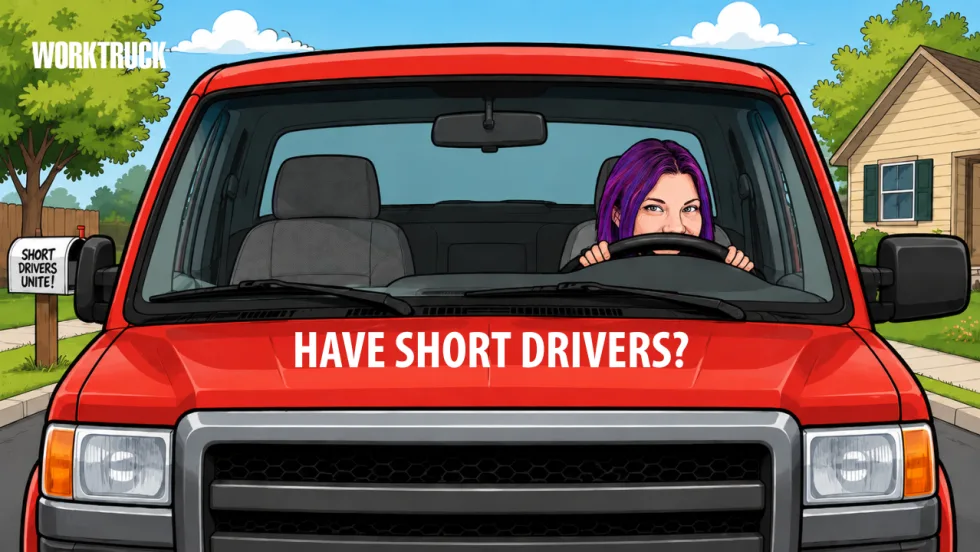
Short Drivers Need to Be Part of the Work Truck Spec, Too
The average truck driver may be around 5'9" for men and 5'4" for women, but fleets aren't spec'ing trucks for averages. Here's what shorter drivers need fleets to consider, from seat height and visibility to 360 cameras, seat belts, and cab access.
Read More →
Does Your Fleet Policy Cover In-Vehicle Gaming?
As in-vehicle gaming, streaming, and connected entertainment expand, fleet policies may need an update. Here’s what fleet managers should be thinking about now.
Read More →
You Can't Tariff an Aluminum Smelter Into Existence
The U.S. wants to rebuild domestic aluminum production, but work truck manufacturers still need material today. What happens to costs and supply in the meantime?
Read More →
Can America Replace Canadian Truck Production Without Hurting U.S. Fleets?
U.S. tariffs are targeting Canadian truck production, but Ford and GM show why moving that manufacturing south isn’t so simple. After 60 years of building one North American supply chain, what could fleets lose by pulling it apart?
Read More →
The Fleet Skills We Keep Missing on Veterans’ Resumes
What if some of the strongest candidates are already out there, but we are overlooking them because their experience is written in a language our industry does not always recognize?
Read More →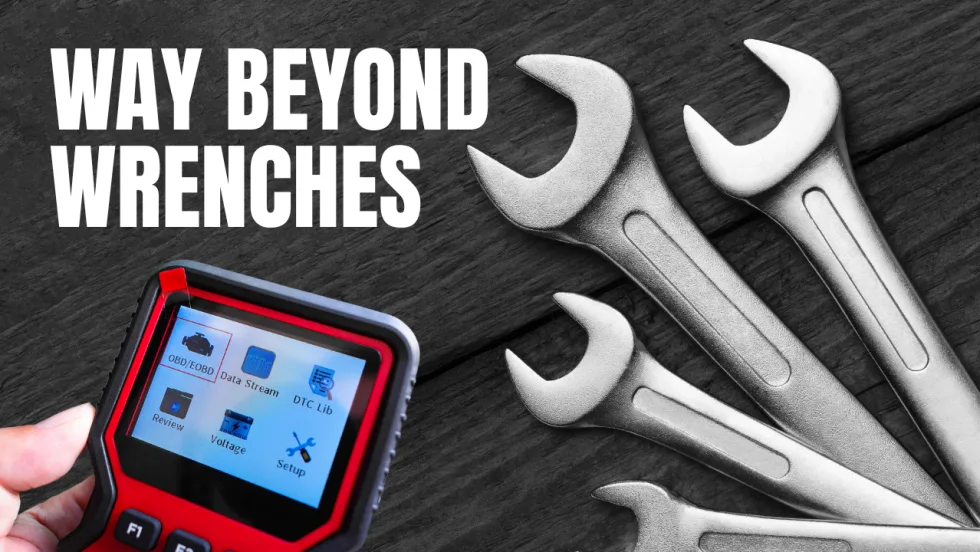
Technicians Are Doing More Than Turning Wrenches
Technicians do far more than repair vehicles. Six professionals reveal the problem-solving, pressure, and pride behind keeping fleets moving.
Read More →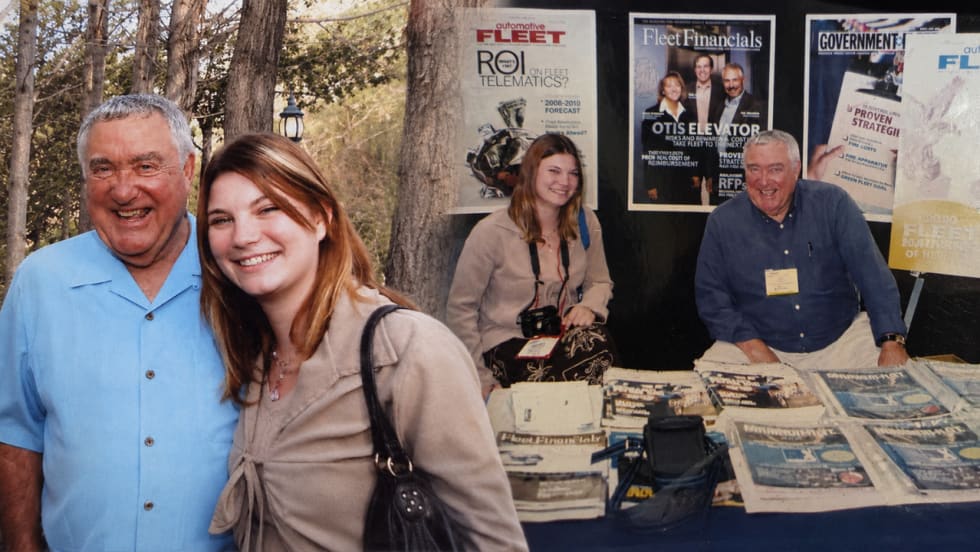
WWCD? What Would Coach Do?
A personal reflection on Ed "Coach" Bobit, the mentor who shaped my career, and why I still ask myself one question 12 years later: WWCD?
Read More →
What the Fleet Industry Still Gets Wrong About Talent
What can the fleet industry learn from the women helping shape its future? A look at talent, leadership, sponsorship, and why new perspectives drive progress.
Read More →
Do I Need a U.S. DOT Number?
Whether you operate a small fleet of light-, medium-, or heavy-duty units, or are merely the owner of one truck wanting to ensure you adhere to the law, knowing if you can need a U.S. DOT number can be confusing.
Read More →
Is Retirement in Fleet Now More Like ‘Rewiring’?
Fleet professionals rarely retire for good. They return as advisors, mentors, and consultants, keeping hard-won experience in the industry.
Read More →