




What the Fleet Industry Still Gets Wrong About Talent
What can the fleet industry learn from the women helping shape its future? A look at talent, leadership, sponsorship, and why new perspectives drive progress.


The future of fleet won't be determined by who has always been at the table, but by who gets the opportunity to join the conversation.
Work Truck
- The fleet industry can learn valuable lessons from women who are paving the way for its future, highlighting the importance of diverse perspectives.
- Emphasizing talent, effective leadership, and sponsorship within the industry can foster innovation and drive progress.
- Integrating new viewpoints and approaches is crucial for the industry's continued advancement and competitiveness.
*Summarized by AI
When I started a call for women across the fleet industry to participate in one of our Shades of Fleet episodes, I expected to hear stories about representation, leadership, and the challenges women still face in a traditionally male-dominated field.
Those stories were certainly there. There were conversations about being underestimated, talked over, overlooked, and having to prove expertise before being given credibility. There were stories about walking into rooms where people assumed someone else was in charge and about spending years earning opportunities that others seemed to receive automatically.
But the more I listened, the more I realized I was hearing a much bigger story. This wasn't simply a conversation about women in fleet. It was a conversation about talent, potential, and what happens when an industry starts questioning long-held assumptions about who belongs, who leads, and where great ideas come from.
We Still Confuse Experience with Potential
One of the most interesting themes that emerged was how many of these leaders had learned to navigate environments in which they felt they had to prove themselves before they could fully contribute. Their responses were remarkably similar.
They learned the operation. They knew the data. They built relationships. They became experts. They showed up prepared and focused relentlessly on results. Over time, people listened because they had no choice; their expertise became impossible to ignore.
While that's admirable, it also raises a question organizations should ask themselves: How much talent are we overlooking because we're still evaluating people against; outdated expectations?
The fleet industry spends a tremendous amount of time identifying inefficiencies in equipment, operations, and processes, yet many organizations still create unnecessary barriers when it comes to recognizing people.
If someone must spend years proving they belong before their ideas are taken seriously, that isn't just a personal challenge. It's an organizational inefficiency. Every day spent questioning capable people instead of listening to them is a day when valuable ideas, perspectives, and solutions go untapped. The companies that will thrive over the next decade won't simply be the ones that find great talent. They'll be the ones who recognize it faster.
The Difference Between Mentorship and Opportunity
Another lesson that stood out had less to do with mentorship and more to do with sponsorship. Those terms are often used interchangeably, but the women I interviewed described them very differently. Mentors provide guidance, and sponsors create opportunities.
Several participants talked about leaders who advocated for them in rooms they weren't in, invited them into strategic conversations, trusted them with meaningful projects, and publicly reinforced their expertise. Those actions often had a bigger impact than any formal development program because they created visibility and credibility at moments that mattered.
That distinction is important because many organizations talk about developing talent while overlooking the role access plays in career growth. Advice is valuable, but opportunities change careers. The most effective leaders aren't just helping people improve. They're helping people get seen.
What struck me most was that nobody described support as being shielded from challenges. They described support as trust. Access. Honest feedback. Collaboration. Being given room to grow while knowing someone believed they could handle it. That's a lesson that applies far beyond conversations about gender.
Fleet Has Outgrown Its Reputation
The interviews also reinforced something I've believed in for a long time. Fleet still has an identity problem.
Many people outside the industry think fleet is primarily about vehicles and maintenance. Those things matter, of course, but they represent only a fraction of what modern fleet professionals do. During these conversations, women talked about technology implementation, cloud migrations, systems integration, customer experience, process redesign, operational visibility, data architecture, and organizational change.
In other words, they were describing a highly complex business environment that requires technical expertise, strategic thinking, communication skills, and leadership. Yet we often market fleet careers as if they're much narrower than they are. Then we wonder why attracting talent remains difficult.
If we want stronger talent pipelines, we need to do a better job telling the truth about what this industry really is. Fleet isn't simply about maintaining assets. It's about managing complex systems that keep businesses, communities, and economies moving. That's a much more compelling story than we sometimes give ourselves credit for telling.
The Future Belongs to Organizations That Broaden Their View
Perhaps the most encouraging takeaway from these conversations was that nobody was sitting around waiting for change to happen. These women weren't simply reacting to the industry. They were actively helping shape it. They were modernizing systems, improving processes, mentoring future leaders, advocating for customers, challenging assumptions, and creating better ways of working.
That matters because the future of fleet won't be built by protecting old ideas simply because they've always existed. It will be built by people willing to question assumptions and rethink what success looks like. The organizations that succeed will be the ones that recognize talent in places they may not have looked before, create environments where different perspectives are valued, and understand that innovation rarely comes from everyone thinking the same.
At its core, that's what I took away from these conversations. Yes, they were about women in fleet, but they were also conversations about leadership, opportunity, and growth. They were conversations about how people develop confidence when they're trusted, how organizations improve when more voices are included, and how industries become stronger when they stop looking for talent in the same places they've always looked.
The fleet industry is changing, and that's a good thing. Not because change is happening to it, but because people across the industry are actively pushing it forward. The question isn't whether talent exists. The question is whether we're willing to recognize it before it looks exactly like what we've seen before.
Have thoughts to add? Email me and let’s chat!
Quick Answers
Talent management is crucial for the fleet industry as it ensures that the right people are in leadership roles, bringing diverse perspectives that drive innovation and progress.
*Summarized by AI
More Blog Posts

You Can't Tariff an Aluminum Smelter Into Existence
The U.S. wants to rebuild domestic aluminum production, but work truck manufacturers still need material today. What happens to costs and supply in the meantime?
Read More →
Can America Replace Canadian Truck Production Without Hurting U.S. Fleets?
U.S. tariffs are targeting Canadian truck production, but Ford and GM show why moving that manufacturing south isn’t so simple. After 60 years of building one North American supply chain, what could fleets lose by pulling it apart?
Read More →
The Fleet Skills We Keep Missing on Veterans’ Resumes
What if some of the strongest candidates are already out there, but we are overlooking them because their experience is written in a language our industry does not always recognize?
Read More →
Technicians Are Doing More Than Turning Wrenches
Technicians do far more than repair vehicles. Six professionals reveal the problem-solving, pressure, and pride behind keeping fleets moving.
Read More →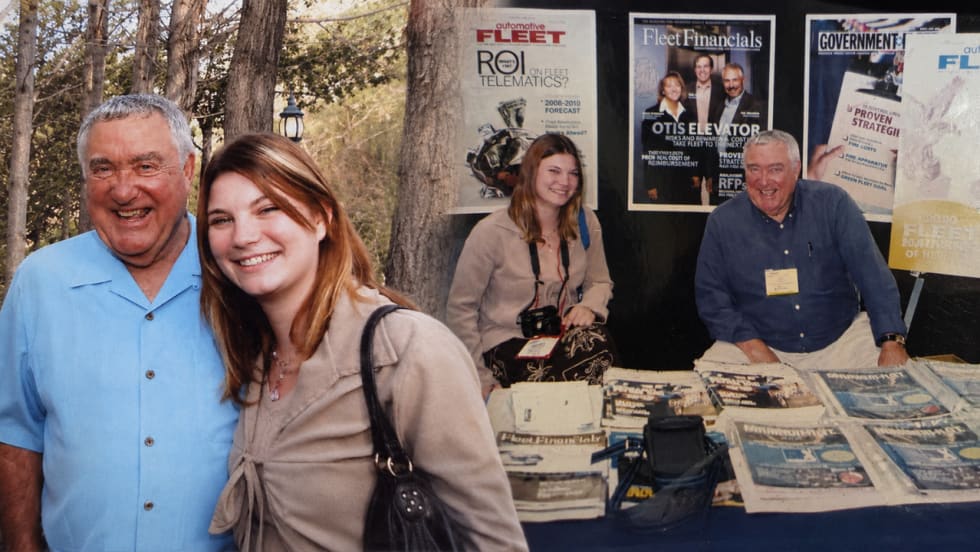
WWCD? What Would Coach Do?
A personal reflection on Ed "Coach" Bobit, the mentor who shaped my career, and why I still ask myself one question 12 years later: WWCD?
Read More →
AI Isn’t Killing Content, but Lazy Expertise Is
Thought leadership loses value when AI does the thinking. Here’s why authentic industry voices still matter most.
Read More →
Do I Need a U.S. DOT Number?
Whether you operate a small fleet of light-, medium-, or heavy-duty units, or are merely the owner of one truck wanting to ensure you adhere to the law, knowing if you can need a U.S. DOT number can be confusing.
Read More →
Is Retirement in Fleet Now More Like ‘Rewiring’?
Fleet professionals rarely retire for good. They return as advisors, mentors, and consultants, keeping hard-won experience in the industry.
Read More →
What Does Visibility in Fleet Really Look Like?
Advocacy changes things. Visible trust changes things. Structure changes things. Access changes things. A willingness to share connections, rooms, and opportunities, and a belief in someone before it is convenient, changes things.
Read More →
Work Truck Week 2026 Shows an Industry Focused on Practical Progress
Taken together, these themes show an industry that is not chasing a single technological solution. Instead, it is building a broader toolkit designed to support the diverse and demanding jobs fleets perform every day.
Read More →