With the support of strong allies and industry leaders, women in fleet are making an impact, breaking barriers, and shaping the future of fleet management.
Photo: Lori Olson
4 min to read
Fifteen years ago, a handful of women in fleet looked around the room and realized something was missing: each other. That moment led to the founding of Women in Fleet Management (WIFM), an organization committed to supporting, mentoring, and advocating for women in the industry.
Ad Loading...
Today, WIFM’s presence is undeniable, with nearly equal representation of women and men in many fleet spaces. But there’s still work to do.
Ad Loading...
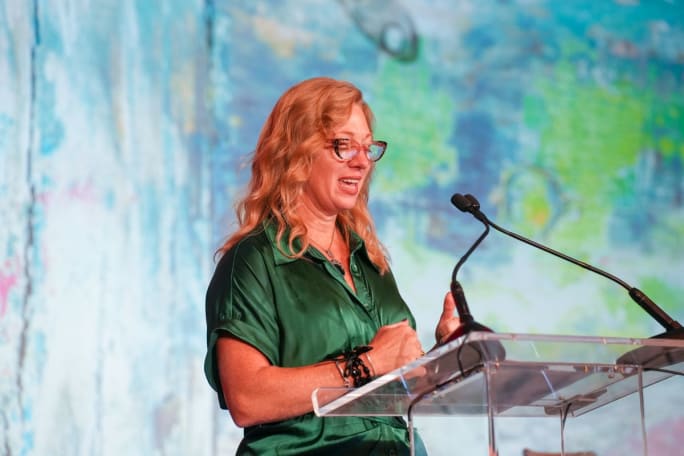
Lori Olson, Team Lead Signature Accounts at Geotab and WIFM Task Force Chair, has been involved in WIFM’s growth and shared insights into the organization’s mission, impact, and future.
Creating a Stronger Network for Women in Fleet
WIFM was founded as a resource for women leaders, providing mentorship, knowledge-sharing, and professional development. Over the years, it has grown into a powerful force, increasing female membership and conference attendance while pushing for greater opportunities and representation in leadership roles.
One of WIFM’s biggest successes is its mentorship program. Since launching in 2018, nearly 200 men and women have participated. The program fosters professional and personal growth, and one standout success story highlights how impactful these relationships can be.
Judie Nuskey joined the program two years ago and paired with Corey Woinarowicz. On their first call, Judie was a bit shy… and surprised to find out Corey was male!
After a shared laugh, they quickly moved past that and began meeting every other week. Over time, their connection deepened beyond a typical mentor-mentee relationship. Today, they’re not just colleagues but friends, peers, and partners in the safety industry.
Ad Loading...
Their collaboration has led to exciting new projects, including a podcast and a safety symposium they’re working on together. More importantly, mentorship has transformed them both.
“Judie has grown significantly in confidence,” Woinarowicz shared. “She’s written dozens of articles, taken on speaking engagements, and even started a Women in Safety group on LinkedIn.”
For Nuskey, the experience has been just as rewarding. “Corey has been an amazing coach for me,” she said.
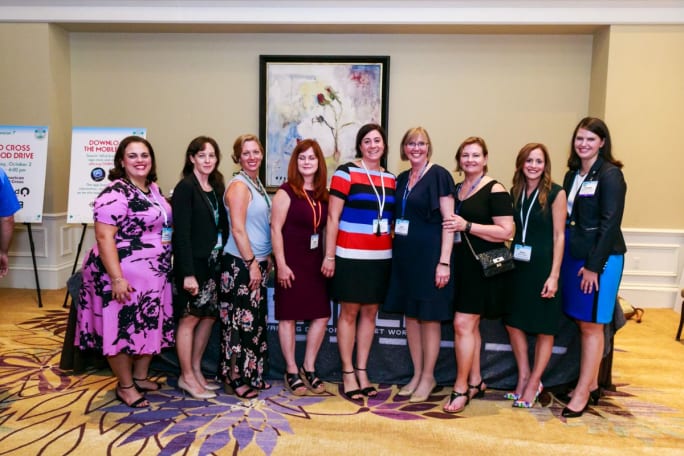
Women in Fleet Management (WIFM) continues to create opportunities for mentorship, leadership, and career growth in the fleet industry.
Photo: Lori Olson
The Role of Male Allies and Leadership in Advancing Women
While WIFM is focused on supporting women, it recognizes that male allies and company leadership are crucial in advancing gender equity in fleet. This year, WIFM has been sharing insights inspired by Lean In by Sheryl Sandberg at key industry events like the AFLA Canadian Summit, NTEA, and NAFA.
On a personal side, this brings me back to my first connection with Women in Fleet, which was moderating a webinar digging into Lean In!
Ad Loading...
“We would not be where we are without the men in our lives,” Lori emphasized. “They have been amazing mentors, directors, coaches, and champions for us. And as women rise, we must also pull others up with us.”
The Future of Women in Fleet
So, what’s next for women in fleet and trucking? Lori envisions a future where women are not just present but leading, innovating, and shaping the industry’s direction.
“My vision is one where fleet management is known for its inclusive and supportive workplace culture, where women feel valued, respected, and empowered. Their contributions will be recognized and celebrated, and they will be seen as role models for future generations,” she said.
To get there, the fleet industry must take active steps:
Expand hiring pipelines by partnering with women’s organizations, universities with strong STEM programs, and diverse job boards.
Showcase non-traditional fleet careers in technology, logistics, data analysis, sustainability, and management.
Ensure job descriptions use inclusive language that attracts women and avoids gender bias.
Provide training and development for women to move into leadership positions and keep up with industry advancements.
Hold leadership accountable for creating diverse, equitable workplaces.
Ad Loading...
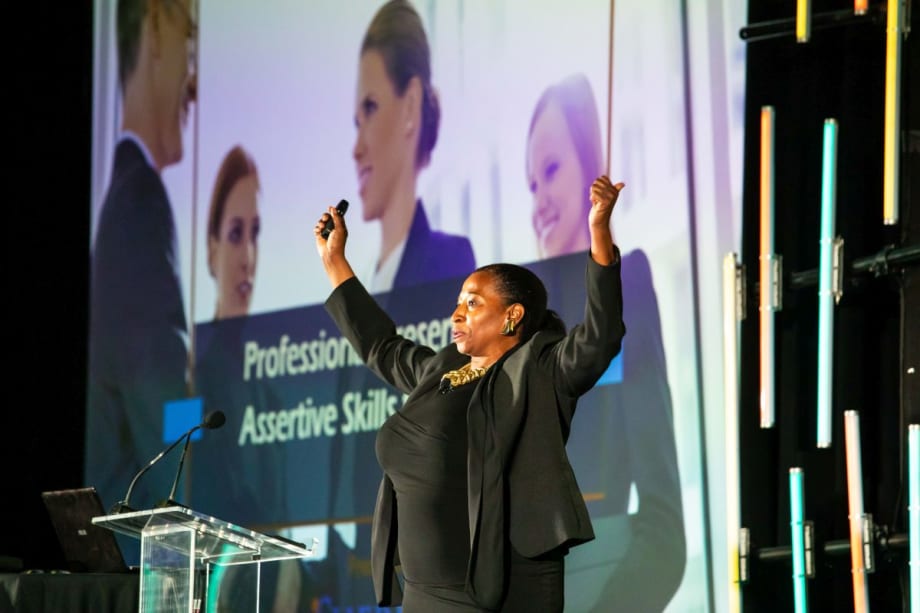
Lori Olson, Team Lead Signature Accounts at Geotab and WIFM Task Force Chair speaks to the attendees at the AFLA 2024 Canada Fleet Summit in Toronto, Ontario.
Photo: Lori Olson
Overcoming the Barriers Women Still Face
Despite the progress, challenges remain. Women are still underrepresented in executive leadership, sometimes face stereotypes about their capabilities, and often struggle with work-life balance. In some cases, facilities and equipment aren’t designed to accommodate their needs, creating additional hurdles.
But technology is changing the game. As fleet roles become more flexible, offering remote work and data-driven decision-making opportunities, more women can step into leadership roles without sacrificing balance.
Advice for Women Looking to Grow in Fleet
Lori’s advice is simple but powerful: Get involved.
“Join an association that aligns with your industry and start networking. Then, take the next step: join a task force or steering committee to deepen your industry knowledge. Find a mentor, male OR female, to help you grow, and when you’re ready, advocate for other women to join you at the table.”
Women in the fleet industry have come a long way, but there’s still plenty of road ahead. With continued mentorship, strong allies, and intentional leadership, the future of fleet will be one where women don’t just participate, we lead.
Fleet’s hidden heroes are often the ones keeping everything moving behind the scenes. September’s Shades of Fleet is looking for dispatchers, coordinators, parts specialists, and other support pros to share their stories.
During National Truck Driver Appreciation Week, Truck Centers, Inc. is offering customers a chance to fuel up for free. Customers at all Truck Centers locations can enter to win one of four $1,000 fuel cards from Sept. 14 - 18.
This week’s Truck Chat Cheat Sheet covers new fleet vehicle guides, practical AI use cases, U.S.-Canada truck production, mixed-energy strategy, and more.
What if some of the strongest candidates for fleet are already out there, but their experience is written in a language our industry does not always recognize?
Less than two weeks left! Commercial and corporate fleet managers are invited to share how their organizations handle company vehicle personal-use policies, charges, and driver eligibility.
Fleet resilience is about more than reacting to disruption. Lauren Fletcher talks with AP Fleet’s Alex Coveney about flexibility, planning, scaling, and what helps fleets adapt when business conditions shift.
The automotive industry talks constantly about its workforce shortage. But before we can recruit the next generation, we may need to do a better job giving kids a reason to care about automotive in the first place.
After more than 30 years in fleet, Arrow International’s Bob Adamsky has learned that the job is about far more than vehicles. He shares the lessons he wishes every fleet manager could learn a little earlier.