





Giving Back: Women in Fleet Launches Mentor Program
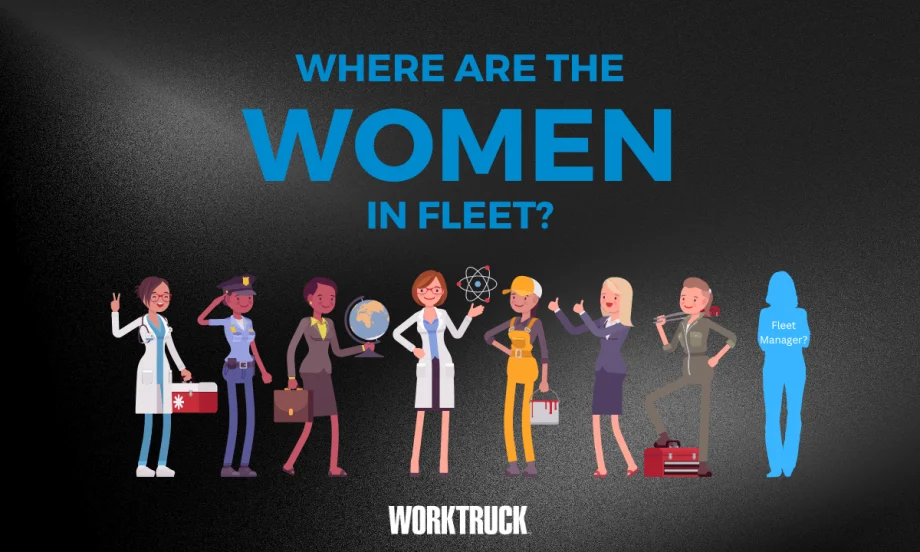
Breaking Stereotypes: Where are the Women in Fleet?
Did you know that farmers have a higher percentage of women in the workforce than fleet management? Where are the women in fleet?
March 19, 2025
One area that has seen an impact is the percentage of female leaders in transportation. 34.5% of C-suite executives in transportation companies are women, representing a continued steady increase since 2019.
Photo: Work Truck
5 min to read
Editor's note: This was originally published in May 2023 and has been updated to reflect more recent data and trends.
In early May of 2023, I moderated a fantastic panel of women talking about the future of commercial vehicles. I walked away feeling proud to have been involved in what may have been the first-ever all-female panel at that event. Since then I have had the honor of moderating an all-woman panel every six months with the support of Work Truck Solutions and its Commercial Vehicle Business Summit.
And then it hit me. I've been in the fleet industry for more than 18 years. Why did this take so long?
Professional Development for Women in Fleet and the Trucking Industry
Women in Trucking (WIT) was founded in 2007 -- one year after I started as an automotive fleet journalist. The Women in Fleet Management (WIFM) group was founded in 2011. Both groups have been around for more than a decade now. And both advocate for women fleet leaders in transportation.
So, what's changed?
From a straight year-over-year comparison, things appear to be holding steady, but the full picture is more complicated. Using the most recent available data, the percentage of female fleet managers in the U.S. remains at approximately 16.8%. Looking back 10 years to 2011, that number was 14.3%, showing a modest increase over time.
But what happens when we dig deeper? The highest recorded percentage of women fleet managers was in 2019, at 19.3%, but the numbers have since dropped by 2.5 percentage points. While the long-term trend is slightly upward, the recent decline suggests challenges remain in retaining and advancing women in fleet leadership.
Looking at the average percentage of female fleet managers between 2010 and 2024, we land at 16.7%, meaning there has been little overall movement in over a decade.
In trucking specifically, female representation among professional drivers has declined to 9.5% in the latest Women In Trucking (WIT) Index, down 2.5 percentage points from the previous year. This marks the first decline in several years and highlights ongoing hurdles in recruiting and retaining women in operational fleet roles.
So, have things actually improved? In some areas, yes, more companies are implementing diversity initiatives, and women are increasingly represented in corporate and supervisory roles. However, when we look at fleet-specific roles, particularly in trucking and operational management, progress is slow and even regressing in some areas. We still have a long way to go before we can say fleet management truly reflects a diverse workforce.
A Women’s World?
If you did a Google search for the top male-dominated industries in 2022, the #1 job was "vehicle technicians, mechanics, and electricians." Moving down the list, you quickly find "mobile machine drivers" at #6, "forklift truck drivers" at #7, and "large goods vehicle drivers" at #8.
Using the latest percentage of male vs. female fleet management workforce, you don't see the same percentage breakdown as fleet until you hit #75, "IT business analysts, architects, and systems designers."
Farmers have a higher percentage of women in the workforce than fleet management professionals.
While it's slow, when you look at the fleet industry today, you DO see change. One area that has seen an impact is the percentage of female leaders in transportation. 33.8% of C-suite executives in transportation companies are women, representing a 1.5% increase from 2019. In the 2024-25 WIT study, that number increased to 34.5%.
In 2022, women accounted for 10.9 percent of all workers in the construction industry and for less than one-third of those working in the manufacturing industry
Looking at the industry, we have several solid, strong women executives, including Mary Barra, chair and CEO at GM; Jennifer Rumsey, president and CEO at Cummins; and Claudia Márquez, chief operating officer, Hyundai Motor America, to name just a few. Within the Bobit Fleet Group, the leadership at four of our top fleet publications (Work Truck, Government Fleet, School Bus Fleet, and Heavy Duty Trucking) are women executive editors. Two have an all-female editorial and content team.
And, for those who know, many women have had to wait in line to use the restroom at fleet and trucking-related events. That might not seem like much, but it's huge for those who have been around fleets for a while.
Making Change Happen
So, what else do we need to do to make a real impact? How can we help move the needle in the right direction and get more women involved in fleet?
We can continue to recognize the amazing women working hard in our industries, running fleet operations, driving trucks, and leading corporations. Celebrating their success. We can work to continue to be welcoming to not only women but all underrepresented groups within our organization through supporting emerging groups like the African American Women in Trucking and continuing organizations like WIT and WIFM.
We need to acknowledge that there is still an imbalance. That systemic bias over decades cannot be overcome overnight. Everyone belongs in fleet. It's an absolutely amazing career with benefits anyone involved is happy to share.
Moving Forward with Progress in a More Diverse Workforce
Coming back to what started this whole rumination, it's time events look past gender and look to experience. I'm proud and humbled to be a part of the change that is not just coming but happening. Being a member of an all-female powerhouse panel talking about the future of commercial vehicles is a sign of the changing times and a step in the right direction.
While I cannot wait for the day when I'm no longer surprised about this type of session experience, I'm looking forward to seeing the percentage of women fleet managers, drivers, and executives continue to increase.
Until then, I'll continue to stand up, speak out, and represent the women that know trucks, love trucks, and have fleet running through their veins.
As Madeleine Albright said, "It took me quite a long time to develop a voice, and now that I have it, I am not going to be silent."
I fully intend to fulfill that sentiment.
How are you helping create a more welcoming fleet industry and fleet community? What changes have you seen that I didn't cover or challenges for progress?
Email me, let's chat!
Lauren Fletcher
Lauren.Fletcher@bobit.com
Subscribe to Our Newsletter
More Blog Posts

Can America Replace Canadian Truck Production Without Hurting U.S. Fleets?
U.S. tariffs are targeting Canadian truck production, but Ford and GM show why moving that manufacturing south isn’t so simple. After 60 years of building one North American supply chain, what could fleets lose by pulling it apart?
Read More →
The Fleet Skills We Keep Missing on Veterans’ Resumes
What if some of the strongest candidates are already out there, but we are overlooking them because their experience is written in a language our industry does not always recognize?
Read More →
Technicians Are Doing More Than Turning Wrenches
Technicians do far more than repair vehicles. Six professionals reveal the problem-solving, pressure, and pride behind keeping fleets moving.
Read More →
WWCD? What Would Coach Do?
A personal reflection on Ed "Coach" Bobit, the mentor who shaped my career, and why I still ask myself one question 12 years later: WWCD?
Read More →
What the Fleet Industry Still Gets Wrong About Talent
What can the fleet industry learn from the women helping shape its future? A look at talent, leadership, sponsorship, and why new perspectives drive progress.
Read More →
AI Isn’t Killing Content, but Lazy Expertise Is
Thought leadership loses value when AI does the thinking. Here’s why authentic industry voices still matter most.
Read More →
Do I Need a U.S. DOT Number?
Whether you operate a small fleet of light-, medium-, or heavy-duty units, or are merely the owner of one truck wanting to ensure you adhere to the law, knowing if you can need a U.S. DOT number can be confusing.
Read More →
Is Retirement in Fleet Now More Like ‘Rewiring’?
Fleet professionals rarely retire for good. They return as advisors, mentors, and consultants, keeping hard-won experience in the industry.
Read More →
What Does Visibility in Fleet Really Look Like?
Advocacy changes things. Visible trust changes things. Structure changes things. Access changes things. A willingness to share connections, rooms, and opportunities, and a belief in someone before it is convenient, changes things.
Read More →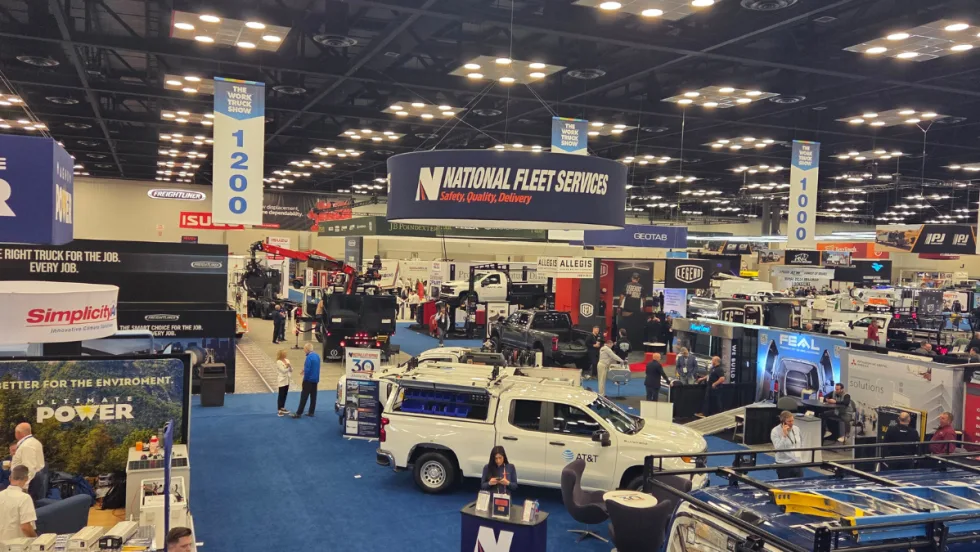
Work Truck Week 2026 Shows an Industry Focused on Practical Progress
Taken together, these themes show an industry that is not chasing a single technological solution. Instead, it is building a broader toolkit designed to support the diverse and demanding jobs fleets perform every day.
Read More →