




Is Road Rage Hurting Your Fleet’s Safety Goals?
Discover key road rage insights and learn how fleet managers can address driver frustrations, bad habits, and safety risks to improve fleet performance.
December 5, 2024

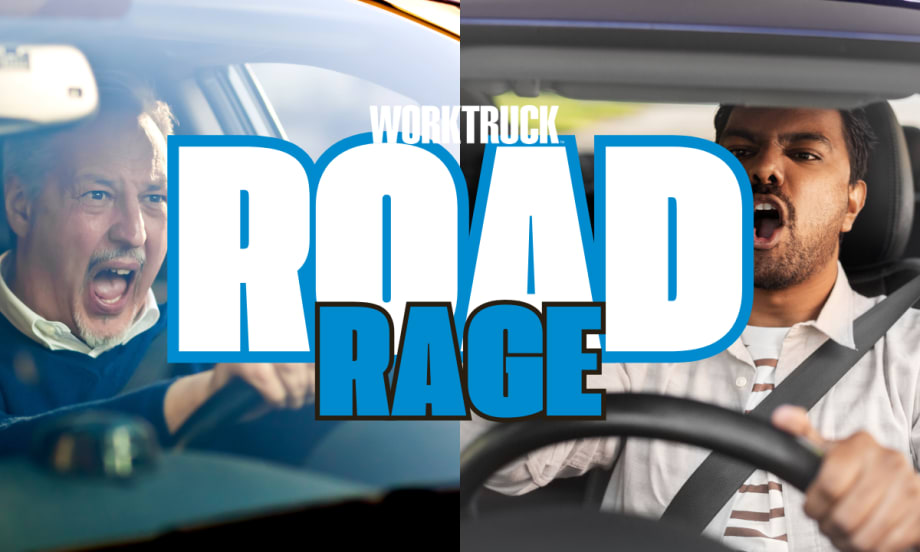
Road safety starts with awareness: Understanding driver habits and frustrations can help fleet managers create safer roads for everyone.
Photo: Work Truck
3 min to read
Road rage is a growing concern for fleet managers, with a new survey by Compare the Market AU revealing that nearly 60% of Americans have experienced road rage in some capacity.
Whether as direct victims (18.5%), witnesses (37.5%), or perpetrators (16.9%), road rage incidents are not only common but also pose a significant safety risk on the road.
For commercial fleet managers, understanding these behaviors and proactively addressing them with drivers can be key to improving fleet safety and reducing liability risks.
Are Your Drivers Guilty of These Road Safety Risks?
Generational Trends: Younger drivers, particularly Gen Z and Millennials, are more likely to encounter road rage compared to Gen X and Baby Boomers. This data suggests a need for targeted driver training and awareness programs, especially for fleets with younger drivers.
Most Frustrating Behaviors: Drivers cited tailgating (63.5%), being cut off in traffic (62.5%), and witnessing phone use behind the wheel (56.3%) as the top frustrations. Emphasizing courteous and defensive driving practices can help mitigate these frustrations.
Self-Reported Bad Habits: While most respondents believe they are safe drivers, 39.3% admitted to engaging in potentially dangerous behaviors such as not giving way (13.6%) and using mobile phones while driving (13%). Addressing these habits through regular driver check-ins and education is crucial.
The Decline of Road Civility: The simple "thank you" wave is on the decline, with 27% of Americans either forgetting or choosing not to use it. Encouraging civility among drivers can contribute to a less hostile driving environment.
Why Does Road Rage Matter to Fleets?
Beyond the immediate safety risks, road rage and aggressive driving can have long-term consequences for fleets, including increased insurance premiums and potential liability.
According to Adrian Taylor, Executive General Manager of General Insurance at Compare the Market, reckless driving behaviors can directly impact a driver’s insurance costs and claim outcomes.
“Car insurance companies use all the data they can to assess risk,” Taylor explains. “If a driver’s record shows incidents of road rage or dangerous driving, it can lead to higher premiums or even declined coverage. For fleets, this means higher operating costs and increased financial exposure in the event of an incident.”
Actionable Steps Work Truck Fleet Managers Can Take Today
Prioritize Defensive Driving Training: Reinforce the importance of staying calm, avoiding aggressive behavior, and using courtesy on the road.
Leverage Technology: Equip vehicles with telematics to monitor driving behaviors like tailgating, speeding, and sudden lane changes. Use the data to coach drivers.
Encourage Communication: Promote open conversations about road safety frustrations during team meetings and address these issues through policies and practices.
Set the Standard: Lead by example with a fleet-wide focus on respectful and defensive driving. Reward drivers who consistently demonstrate safe practices.
By tackling road rage and improving driver habits, fleet managers can not only enhance safety but also reduce costs and create a more positive working environment for their teams.
For more insights and the full survey findings, visit Compare the Market’s Road Rage Report.
More Safety & Compliance
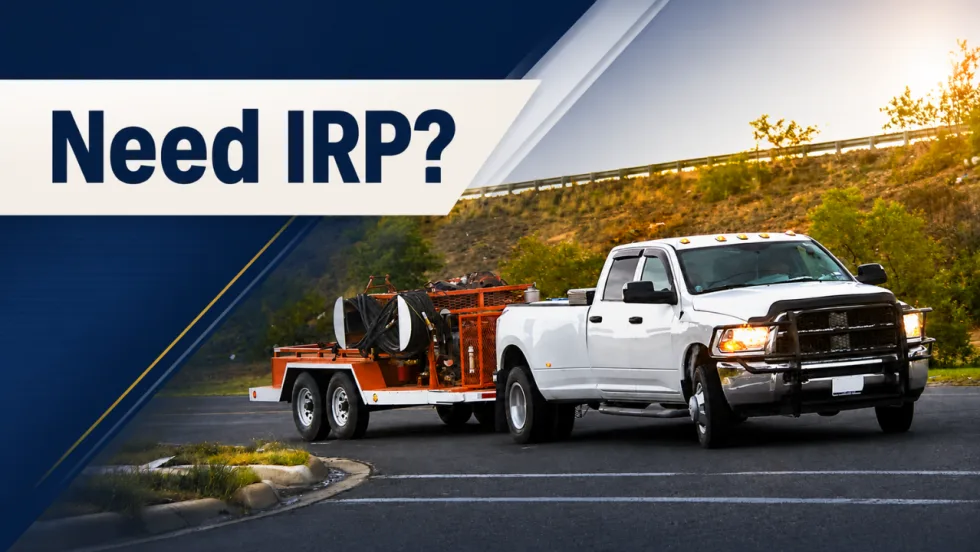
When Work Trucks Under 26,001 Pounds Need IRP Registration
Think trucks under 26,001 pounds are automatically in the clear when it comes to IRP? Not always. Learn where lighter vehicles can still run into trip permit, apportioned registration, and IFTA compliance requirements when crossing state or provincial lines.
Read More →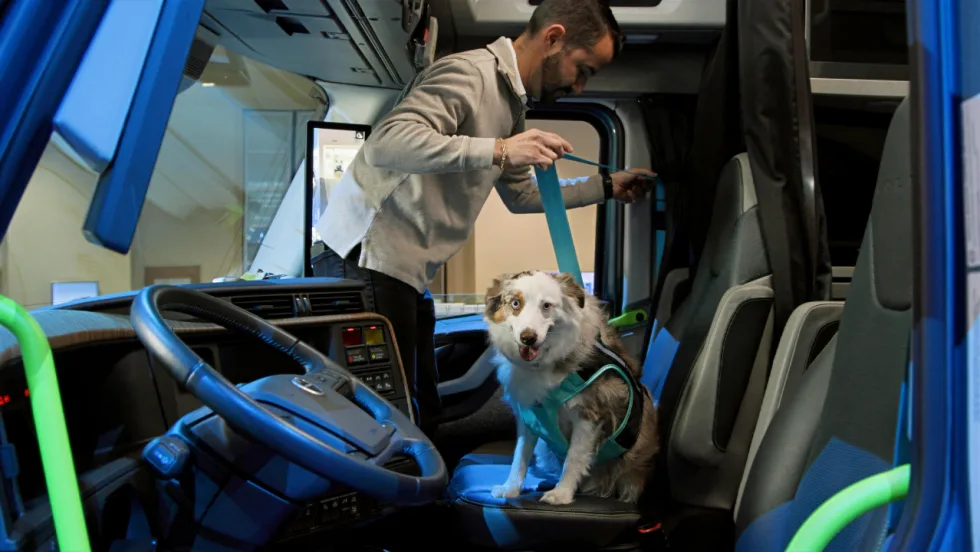
Volvo Trucks Releases New Safety Recommendations for Traveling with Pets
One of the most important recommendations for professional drivers traveling with pets is to ensure pets are properly restrained while the truck is moving. Other tips are available in the new guide from Volvo Trucks North America and Center for Pet Safety.
Read More →
API Issues Refueling Safety Guidelines
The American Petroleum Institute offers a list of safe vehicle refueling guidelines, including ways to avoid potential problems with static electricity discharges in fall, winter, and early spring.
Read More →


Winter Fleet Prep: Expert Tips to Keep Vehicles Running Smoothly
Cold weather can expose weak batteries, tires, fuel systems, and maintenance gaps fast. Use this winter fleet checklist to prepare trucks and drivers before temperatures drop.
Read More →
When a Work Truck Breaks Down, the Job Can Stop, Too
A work truck breakdown can stop more than the vehicle. Discover how payloads, jobsites, and specialty equipment change the roadside response.
Read More →
What Stronger Long-Term Fleet Service Partnerships Actually Require
Fleet service partnerships rarely fall apart all at once. Learn the three warning signs that trust is eroding and what fleets and providers can do before downtime, frustration, and lost revenue follow.
Read More →
Applause & TRUCE Software Partner to Improve Driver Safety Through AI-Powered Telematics & Employee Performance Management
Applause has integrated TRUCE driving metrics directly into its employee-first performance and safety platform that transforms mobile devices into AI-powered telematics.
Read More →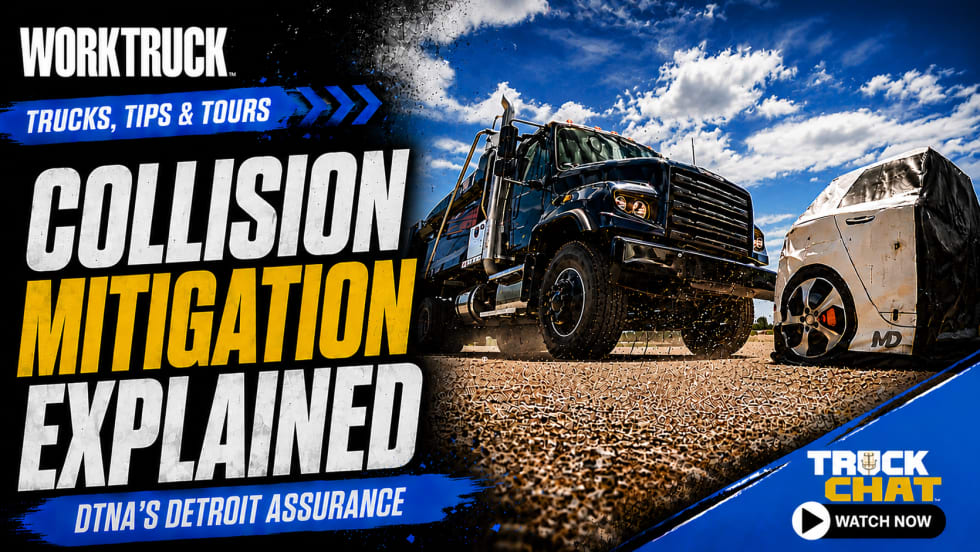
How Detroit Assurance with Active Brake Assist Works
Do you want to see what it is like to experience Detroit Assurance’s Active Brake Assist? In this video, Work Truck will put you in the cab to see how it all works and then hear more details from DTNA’s Mike Young.
Read More →
Get Left of Loss: A 5-Step Workplace Violence Prevention Framework for Fleet Operators
Violence risks do not stop at the driver’s door. Learn five practical steps fleets can take to spot threats early and protect workers before loss occurs.
Read More →
Sponsored•July 17, 2026
How Better Visibility Cut Speeding Violations by 48%
Fleet leaders don't need more data, they need clearer visibility into what the data is saying. This case study explores how one utility replaced speeding-event counts with a single metric — miles driven in violation — to strengthen safety and significantly reduce speeding violations.
Read More →