




Cargo, Collision, and Claims: Aligning Your Fleet’s Insurance Coverage
One crash can trigger multiple insurance claims. Learn how to avoid costly delays, coverage gaps, and miscoordination in your fleet’s policies.
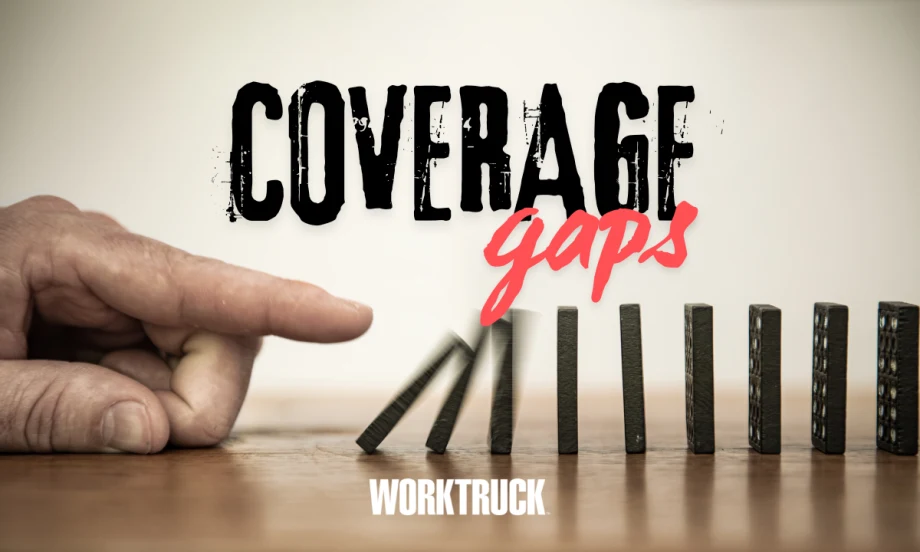
Even one accident can expose hidden coverage gaps that slow down claims and disrupt operations.
Photo: Work Truck
When a commercial vehicle crashes, fleet operators can face a trifecta of issues: vehicle damage, cargo loss, and injury.
One accident can necessitate coverage from several separate insurance policies (commercial auto, cargo, excess, and workers’ compensation) and when those policies aren’t aligned, one incident can spiral into finger-pointing, coverage gaps, and costly delays.
The Domino Effect of a Single Crash
Take this scenario: one of your drivers rear-ends another vehicle. Your delivery van is damaged, the cargo inside is compromised, the other driver’s car is wrecked, both drivers are hurt, and your delivery schedule is thrown off track. One accident can trigger several different types of insurance needs:
Your vehicle: To repair or replace your van, you’ll need commercial auto physical damage coverage, specifically collision.
The other driver’s vehicle: Their repair costs fall under your commercial auto liability coverage.
Your driver’s injuries: Medical bills and lost wages are handled through workers’ compensation.
The other driver’s injuries: Those also fall under your commercial auto liability coverage.
Cargo: If goods are damaged, lost, or delayed, you’ll rely on motor truck cargo (or property in transit) coverage. That one lives under inland marine, one of those insurance terminology quirks that catches people off guard.
Delays: If delays cause missed deadlines and contract penalties, you may also need an auto business income endorsement.
One crash can ripple through nearly every part of your business. If your insurance isn’t organized or coordinated, the resulting claims process can become a logistical nightmare. Time can be lost, liability may be disputed, and your business can be left exposed.
One accident can mean chasing down three different adjusters. Keeping coverage together means having one point of contact and a single resolution for all components of the claim.
The Cost of Miscoordination
When multiple carriers and policies collide, even small gaps in coordination can snowball into major setbacks. From wasted time and stalled claims to frustrated drivers and unhappy customers, here are the most common missteps fleets run into and what you can do to keep things moving smoothly:
Lost time: Multiple carriers mean more calls, a slower response, and unclear points of contact.
Excess coverage confusion: If liability goes beyond your primary commercial auto policy, an excess or umbrella policy may kick in. However, when it’s with a different carrier, exclusions or endorsements may not align, which can stall resolution.
Claims coordination breakdowns: Without a single, coordinated approach, separate adjusters may unintentionally work against each other.
Reputation risk: Slow claim resolution doesn’t just impact you; it affects customers waiting for goods, partners counting on schedules, and even your drivers, who may feel stuck in limbo after an accident.
Three Questions to Ask Before Renewal

Fleet insurance miscoordination can be avoided by asking the right questions before renewal.
Photo: Work Truck
Whether your fleet is five vehicles or fifty, the time to uncover potential gaps is before an accident. Bring these questions to your insurance agent:
1. Are all my policies written with the same carrier?
Whenever possible, having all your coverage with one carrier is the cleanest solution. From underwriting through claims, it reduces confusion, simplifies communication, and ensures the pieces of your insurance program work together. An additional question to ask is whether your carrier offers a single point of contact for claims.
Some carriers assign one claims professional to manage the entire process, while others have you speaking with different people for each coverage. That can create a smaller version of all the coordination challenges we’ve discussed, even if you have all your insurance with the same company. If you want to minimize disruption, having one person guide the claim from start to finish can make a big difference.
But not every business can place all lines with the same carrier. When that is the case, the next best step is to make sure all policies are coordinated through the same agent or broker. An experienced independent insurance agent can spot inconsistencies, identify exclusions or endorsements that do not align, and close gaps before an accident exposes them. The goal is to avoid surprises, whether you have one carrier handling everything or multiple carriers working together through a broker who sees the full picture.
2. Are there other endorsements I need to consider?
The trouble with blind spots is you can’t see them. It’s the classic ‘you don’t know what you don’t know’ scenario. Asking an independent agent to explain where you might be missing coverage allows them to share blind spots you might not be aware of.
3. What scenarios aren’t covered?
It’s not about what you think is covered; it’s about confirming it. Have your agent walk you through uncovered scenarios so you can decide whether to add endorsements or adjust your risk strategy.
Driving Toward a Smarter Coverage Strategy
By proactively aligning your coverage, working with a knowledgeable agent, and asking the right questions before renewal, you can reduce the chances of a claim becoming chaos.
Insurance can keep your business resilient, responsive, and ready for whatever comes next.
More Safety & Compliance
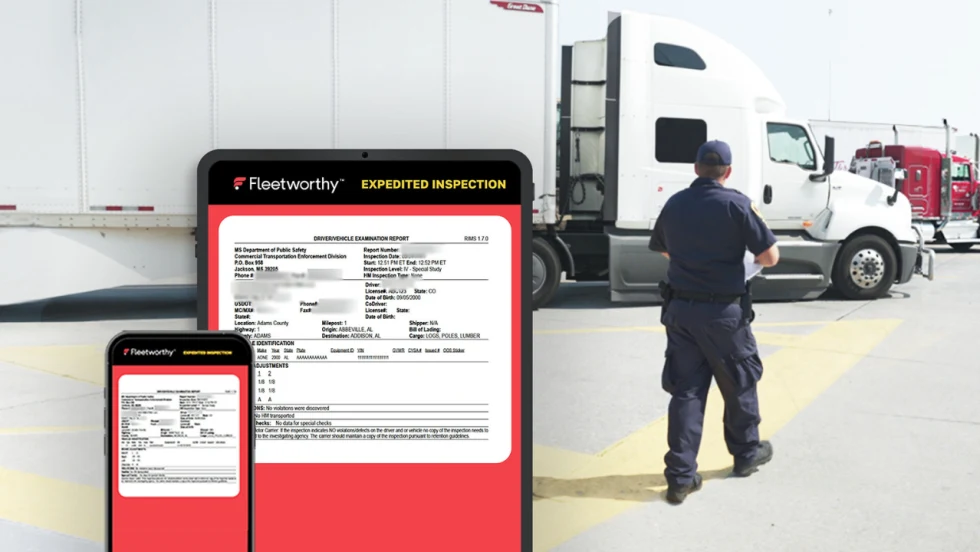
Fleetworthy Expands Expedited Inspection to 5 States
Following its industry-first launch in Nevada, Fleetworthy’s automated inspection technology is now live in California, Michigan, Vermont, and Maine.
Read More →
Crossing State Lines in a Light-Duty Work Truck? Check These Rules First
Crossing state lines in a lighter work truck? J.J. Keller's Kathy Close explains when IRP registration, trip permits, and towing rules come into play.
Read More →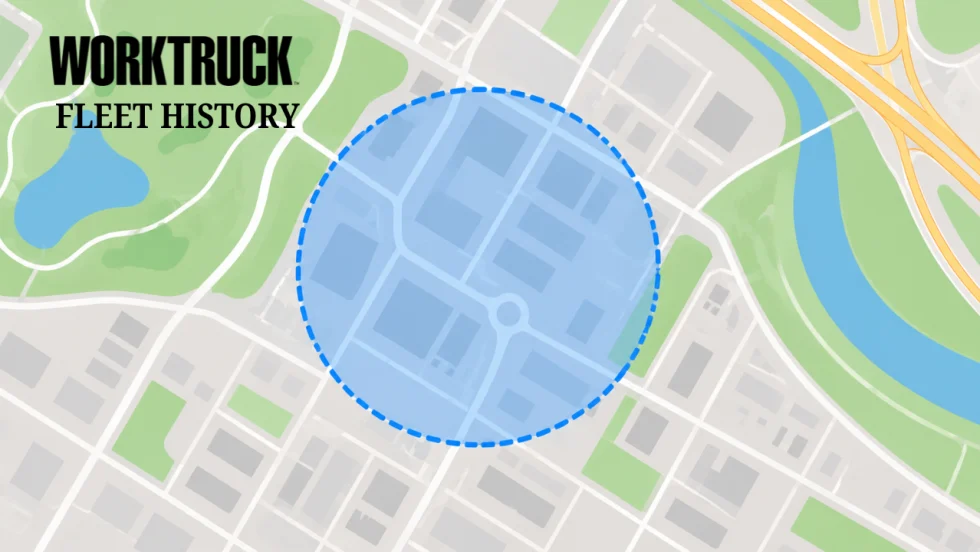
GeoFencing Adds to Your Truck Security Arsenal
Geofencing is a familiar fleet tool today, but its early adoption marked a major shift in vehicle tracking, route monitoring, and the debate over employee privacy.
Read More →From Our Partners
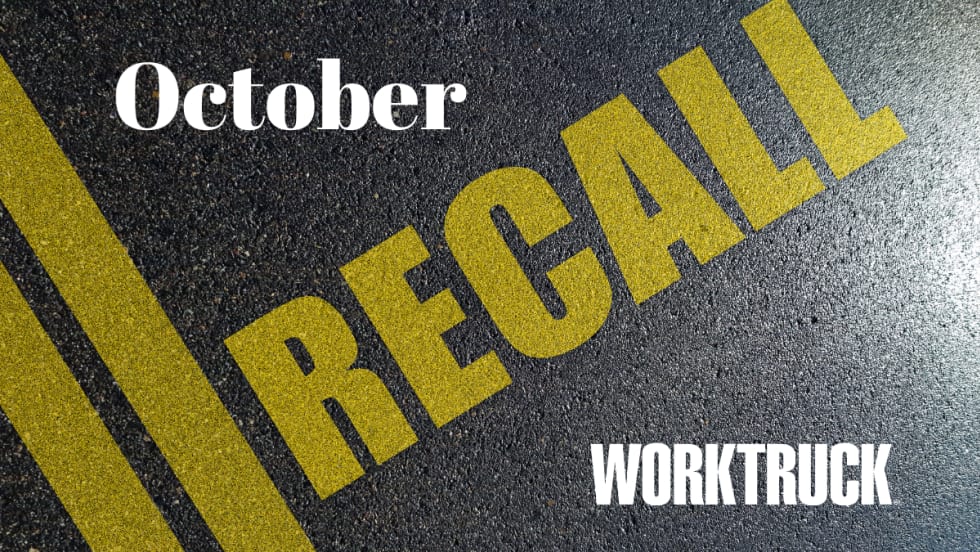
Recalls You Need to Know About in October 2026
In October 2026, what recalls might impact your fleet? Work Truck has the answers in this comprehensive overview of recent NHTSA recalls.
Read More →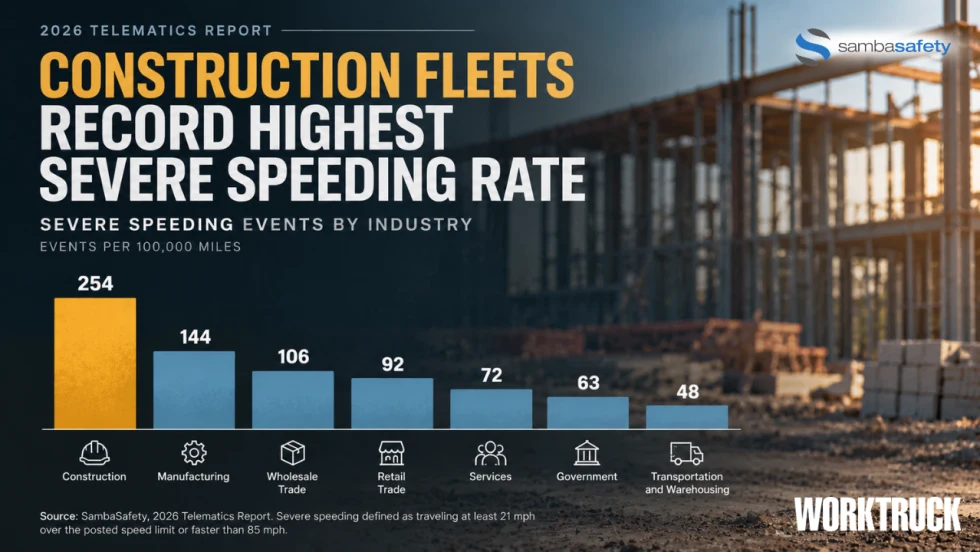
Construction Fleets Show Telematics Adoption Alone May Not Reduce Driving Risk
SambaSafety found construction fleets monitor roughly 92% of their vehicles but recorded the highest severe speeding rate among industries studied.
Read More →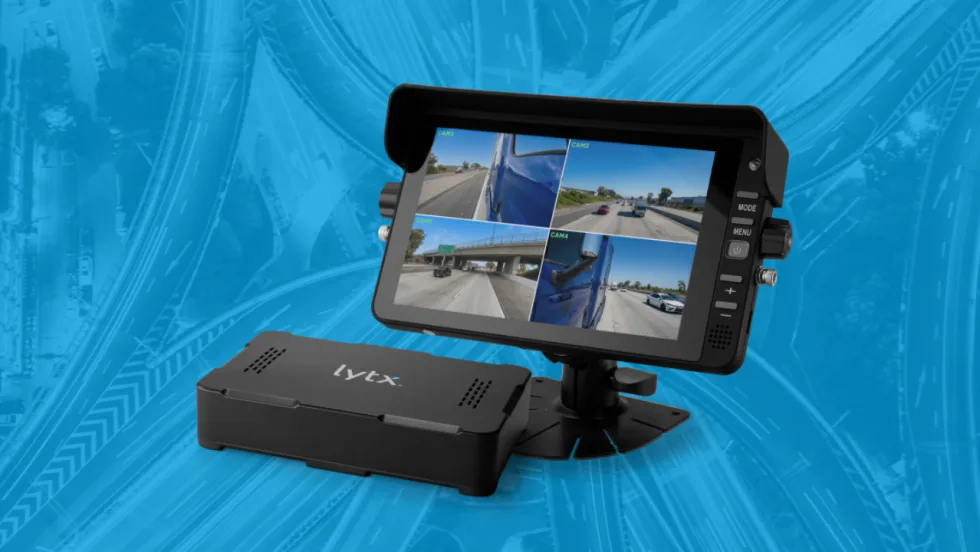
Lytx Launches 360 Hub Kit for Expanded Fleet Camera Visibility
Lytx’s new AI-ready gateway and HD auxiliary camera ecosystem, the Lytx 360 Hub Kit, extends visibility across side, rear, cargo, and blind-zone views to help fleets see more and respond faster.
Read More →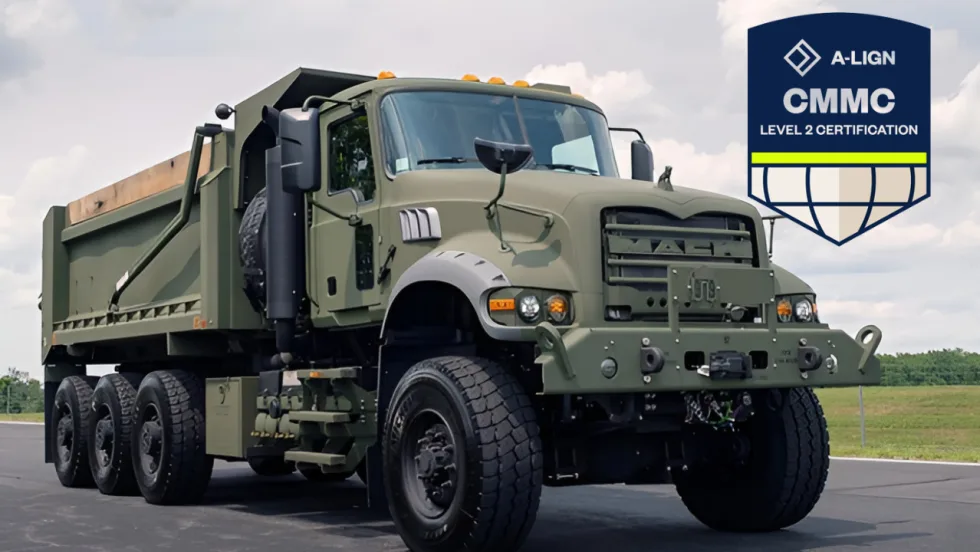
Mack Defense Achieves Cybersecurity Maturity Model Certification Level 2
After an assessment conducted by an authorized Certified Third-Party Assessment Organization (C3PAO), Mack Defense has achieved Cybersecurity Maturity Model Certification (CMMC) Level 2.
Read More →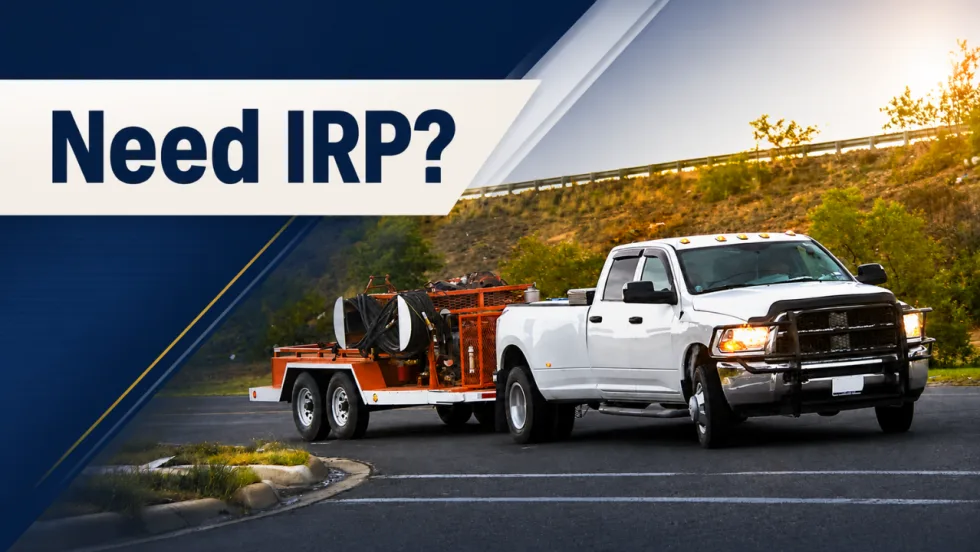
When Work Trucks Under 26,001 Pounds Need IRP Registration
Think trucks under 26,001 pounds are automatically in the clear when it comes to IRP? Not always. Learn where lighter vehicles can still run into trip permit, apportioned registration, and IFTA compliance requirements when crossing state or provincial lines.
Read More →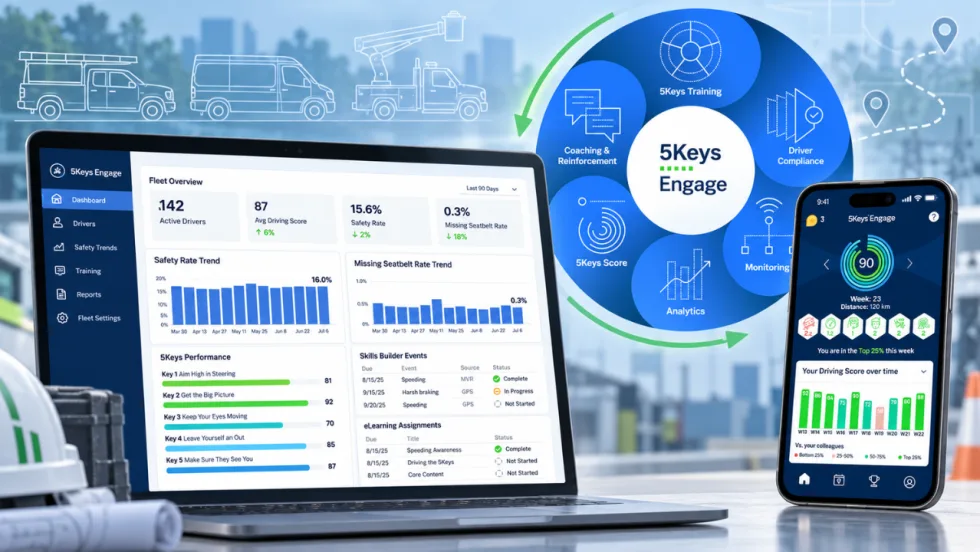
Smith System Wants Work Truck Fleets to Look Beyond the Driver Alert
Smith System’s new Driver Risk Management program is built to help mixed work truck fleets turn telematics alerts and observations into specific behaviors, coaching actions, and measurable follow-up.
Read More →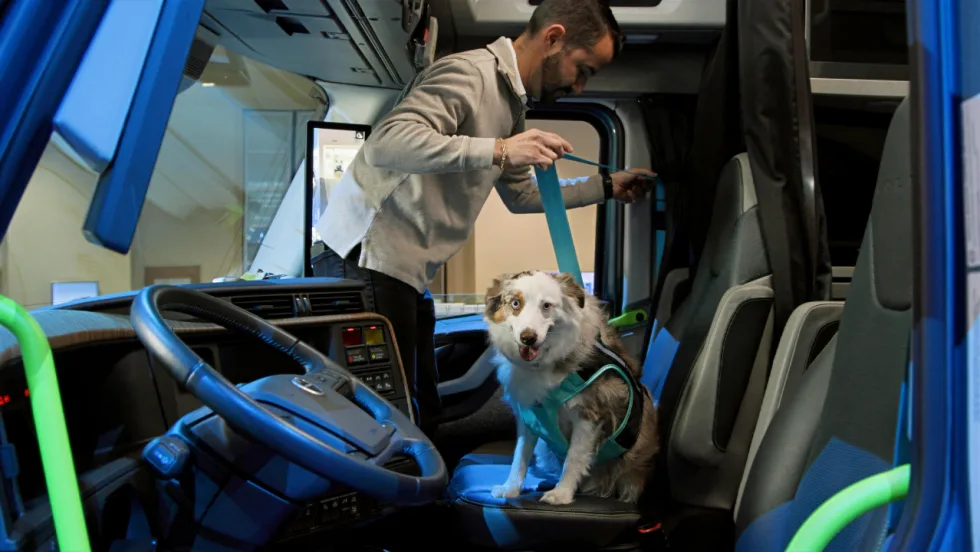
Volvo Trucks Releases New Safety Recommendations for Traveling with Pets
One of the most important recommendations for professional drivers traveling with pets is to ensure pets are properly restrained while the truck is moving. Other tips are available in the new guide from Volvo Trucks North America and Center for Pet Safety.
Read More →