



Finding Your Leadership Voice in Fleet
Learn how fleet leaders can build confidence, advocate for their teams, and use performance to strengthen their leadership voice.

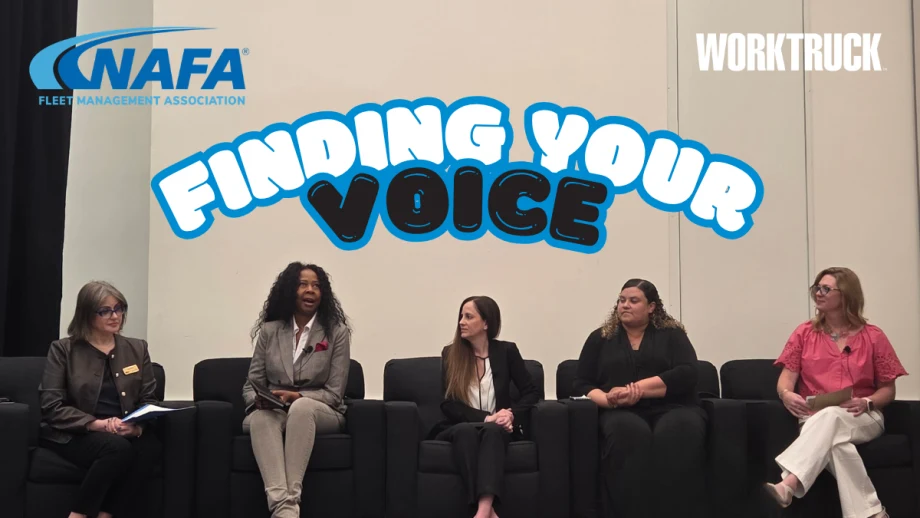
Panelists at NAFA 2026 share insights on building confidence, advocating for teams, and finding your leadership voice in fleet.
Credit: Lauren Fletcher
At NAFA 2026, one session tackled something many fleet professionals wrestle with, even if they do not always say it out loud. How do you speak up, advocate for your team, and lead with confidence without feeling like you have to be the loudest person in the room?
The session, Translating Performance into Leadership Voice, centered on a message that felt both practical and refreshing. Amplifying your voice is not about volume. It is about intention.
As Maria Neve, VP, eFMC Strategy, Inspiration Fleet, put it, leadership voice is about making intentional decisions, not just being louder.
What Amplifying Your Voice Really Means
One of the biggest takeaways from the session was the idea that amplifying your voice does not always mean speaking more. In many cases, it means speaking with purpose.
For Lori Olson, Team Lead, Geotab, amplifying your voice starts with advocacy. That includes advocating for your team, supporting their development, and creating space for others to contribute. Olson noted that people often assume that voice means getting louder, when it sometimes means letting others speak or owning the room with calm confidence.
Desiree Taylor, CAFM, Fleet Administrator, State of California Governor’s Office of Emergency Services, framed it as being heard and validating your own experience. For Taylor, using your background and perspective is not something to minimize. It is part of what makes your voice valuable.
Diana Holland, Managing Director, Cavis, connected advocacy with credibility. Experience and exposure matter, and being able to speak to that experience is part of leadership. Holland’s point was clear. Advocacy is tied to the work that needs to be done, not just personal visibility.
Linda Ellis, Global Procurement, Fleet Manager NA & LATAM, UCB, Inc., added that amplification is not only about what you say yourself. It is also about making sure your team is heard and building the self-confidence to lead effectively.
Know Your Worth
That theme carried throughout the session. Neve boiled it down to a direct reminder: Know your worth.
Olson shared a story about being told she was overqualified and needed to lean on a mentor to figure out how to reinforce why she was the right choice. The larger lesson was that leadership is not a title. It is how you behave. It is standing up, believing in yourself, and knowing your value enough to step forward.
Taylor shared a similar example from earlier in her career. Working at a small family-run company, she saw a challenge and pushed for the opportunity to take it on herself. That willingness to speak up created momentum, including an opportunity to attend NAFA, and she noted that she is still in the industry 15 years later.
Neve added another simple but memorable reminder. Sometimes your gut feeling is the right feeling.
Speaking Up In Difficult Moments
Leadership voice tends to matter most when the situation is uncomfortable.
Holland shared an example of a toxic dynamic in which one person took the limelight, then blamed everyone else when things went poorly. Rather than let the moment pass, Holland stood up for her team, spoke up, and changed the direction of the conversation.
That kind of leadership takes fortitude, and it is especially relevant in fleet, where strong communication can affect operations, culture, and trust across the organization.
Ellis brought the conversation back to servant leadership. Advocating for your team is part of the job, but so is managing your own self-talk. Her challenge to the room was pointed. What are you doing about the negative talk in your own head?
Reframing Imposter Syndrome
The session also touched on imposter syndrome, which clearly struck a chord, and caused me to write down my own mantra, "real imposters never get imposter syndrome." In other words, that inner doubt is often felt most strongly by people who care deeply, perform at a high level, and push themselves to grow. Olson had another way to phrase this feeling: "insecure overachiever."
The conversation encouraged attendees to flip the script. Rather than seeing self-doubt as proof that you do not belong, it may be a sign that you are stretching into something bigger.
Olson added another practical perspective. If trying harder is not getting you anywhere, try softer.
That idea paired well with another reminder from Ellis. You do not always want to be the smartest person in the room. Strong leaders know how to listen, learn, and build confidence without needing to dominate every conversation.
Practical Takeaways For Fleet Managers
For fleet leaders, the session offered more than inspiration. It offered a set of practical reminders that apply in meetings, team conversations, and career decisions.
Preparation builds confidence. The better prepared you are, the easier it is to speak with clarity and authority.
If you were invited to the meeting, you belong there. As Ellis reminded attendees, whoever added you to that meeting invite believed you had something to bring to the table.
Boundaries matter, too. Neve offered a line that landed with the room. No is a complete sentence.
And when things go wrong, that does not have to define you. On the topic of mistakes, Neve offered another strong reframing. It is not failure, it is simply a redirection.
Leadership Voice Is Also Team Voice
One of the strongest threads running through the session was that leadership voice is not just about personal confidence. It is also about advocacy, clarity, and creating room for others.
For fleet managers, that matters. The job often requires balancing operations, relationships, and high-stakes decisions. In that environment, leadership voice is less about being the loudest person in the room and more about being intentional, credible, and steady.
Sometimes that means speaking up. Sometimes it means stepping back. And sometimes it means reminding yourself that your experience, perspective, and preparation already earned you a seat at the table.
What would you add to this conversation or take away to your operation?
More Operations

Automotive Fleet Opens 2026 Personal Use Survey for Commercial Fleet Managers
Less than two weeks left! Commercial and corporate fleet managers are invited to share how their organizations handle company vehicle personal-use policies, charges, and driver eligibility.
Read More →
What Resilient Fleets Do Differently When Conditions Change
Fleet resilience is about more than reacting to disruption. Lauren Fletcher talks with AP Fleet’s Alex Coveney about flexibility, planning, scaling, and what helps fleets adapt when business conditions shift.
Read More →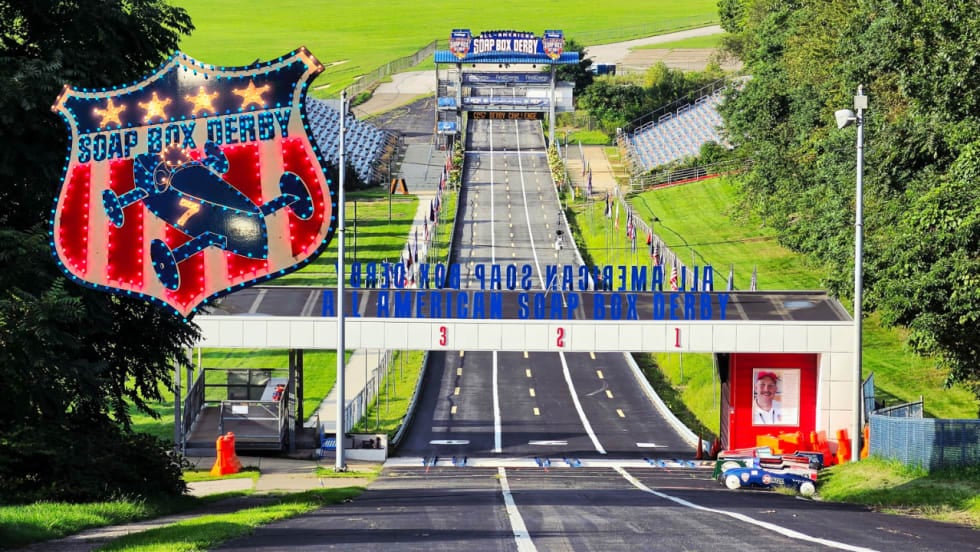
If We Want the Next Generation in Automotive, We Have to Give Them a Reason to Care
The automotive industry talks constantly about its workforce shortage. But before we can recruit the next generation, we may need to do a better job giving kids a reason to care about automotive in the first place.
Read More →
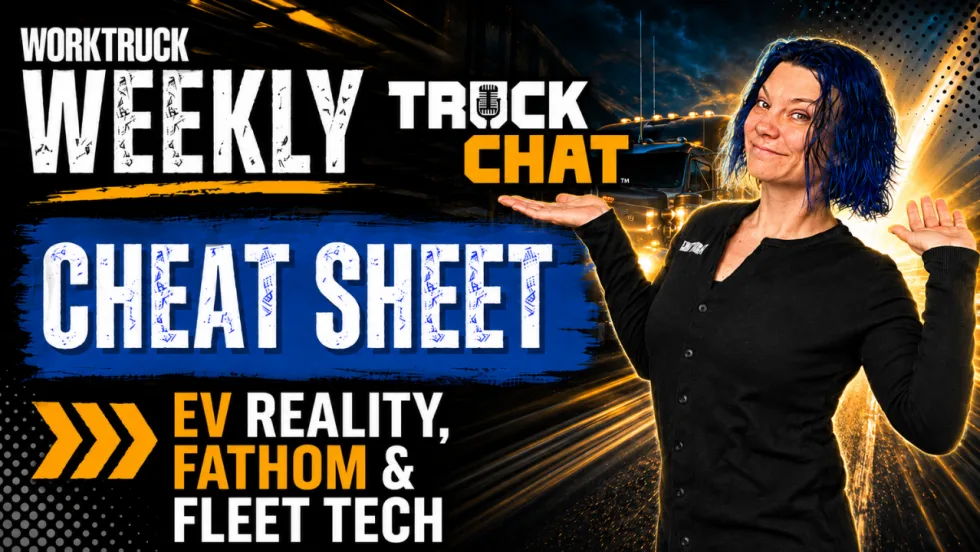
Ram ProMaster City Under $40K, Truck Tariffs, and AI Maintenance Lead the News
A sub-$40K commercial van, tariff questions, AI-powered maintenance, and a new EV production strategy headline this week’s Truck Chat Cheat Sheet.
Read More →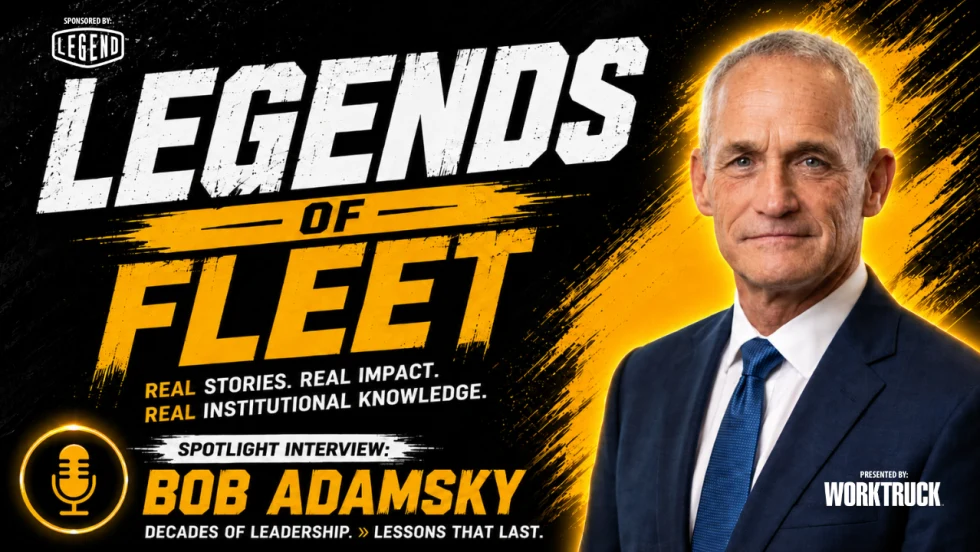
Bob Adamsky Shares the Fleet Lessons You Usually Learn the Hard Way
After more than 30 years in fleet, Arrow International’s Bob Adamsky has learned that the job is about far more than vehicles. He shares the lessons he wishes every fleet manager could learn a little earlier.
Read More →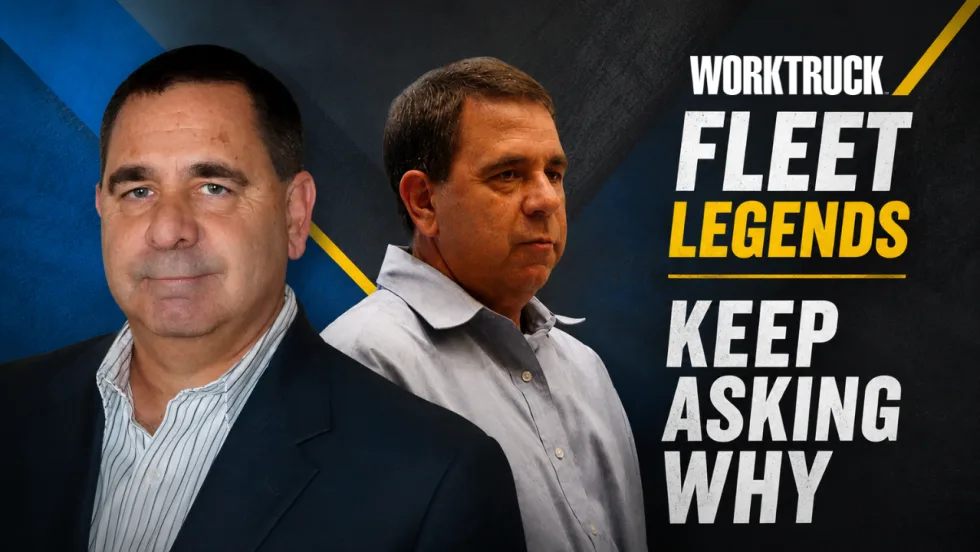
Why Fleet Leaders Have to Keep Asking Why
What if the biggest fleet improvements start with one simple question? After decades managing budgets, policies, technology, teams, and some of the largest fleet operations in the business, Jeff Hurrell shares why fleet leaders should keep asking “why” before deciding what comes next.
Read More →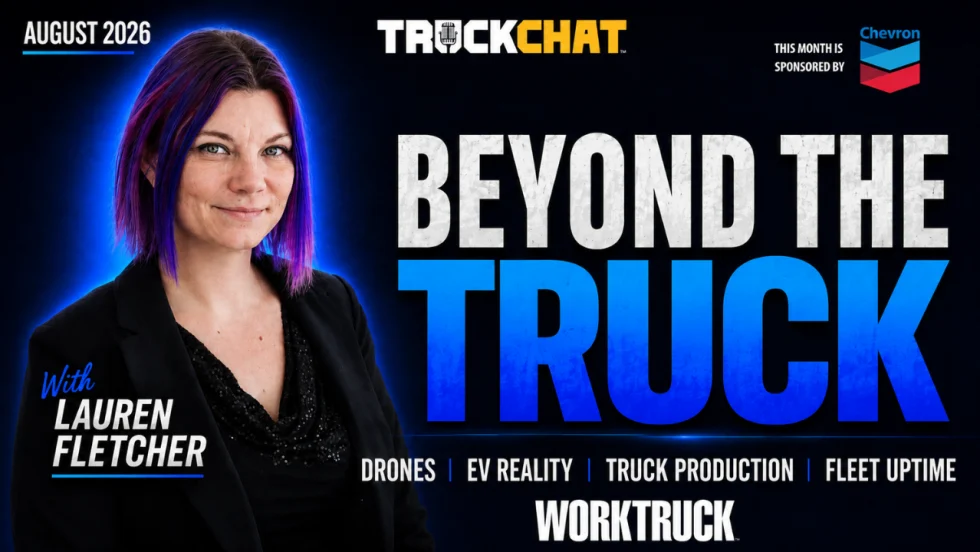
Drones, EV Reality, Truck Production & Smarter Fleet Operations Lead This Month
August’s biggest work truck stories go beyond the vehicle, from disaster-response drones and EV reality checks to truck production, roadside uptime, and smarter fleet operations.
Read More →
Team Fletcher Takes 2nd Overall at the Corporate Soap Box Derby
Team Fletcher came to Akron as a rookie and left with a win over Team Brown, a second-place overall finish, and $22,000 raised for The Hourglass Foundation. See how race day unfolded.
Read More →
Shades of Fleet Call for Voices: Fleet's Hidden Heroes
Fleet’s hidden heroes are often the ones keeping everything moving behind the scenes. September’s Shades of Fleet is looking for dispatchers, coordinators, parts specialists, and other support pros to share their stories.
Read More →
What is the WEX NAM Summit?
What makes the WEX NAM Summit different from other fleet industry events? It's a meeting of the minds that brings fleet and mobility leaders together to discuss emerging trends, AI, new solutions, best practices, and the future of the industry.
Read More →