



Good Fleet Leadership Starts With the People You Already Have
From developing future leaders to listening to employees, discover how better leadership can help work truck fleets retain talent and build stronger teams.

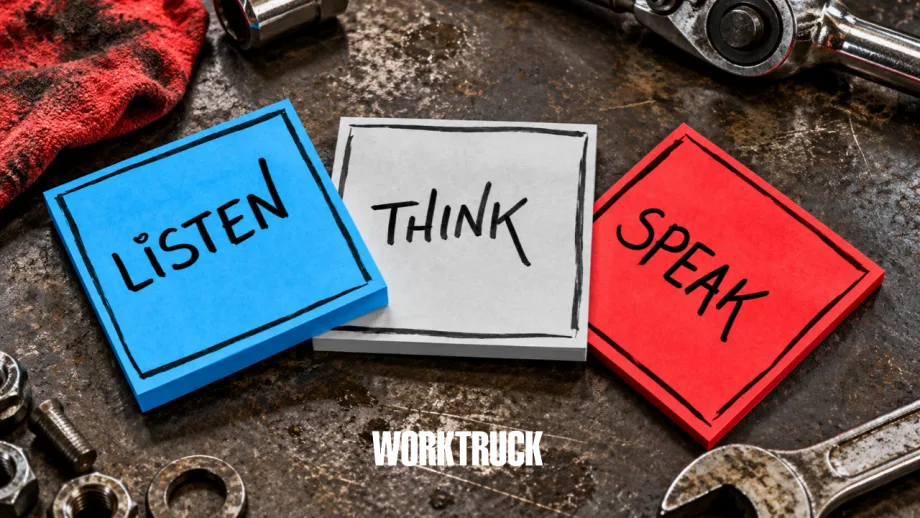
Good communication starts with listening, taking time to think, and knowing when to speak. These simple habits can help fleet teams build stronger relationships, improve collaboration, and create a more supportive workplace.
Work Truck
- Developing future leaders from within the current workforce can enhance fleet leadership and stability.
- Actively listening to employees aids in understanding their needs and improving job satisfaction.
- Effective leadership strategies are crucial for retaining talent and building cohesive work truck fleet teams.
*Summarized by AI
Fleet managers spend a lot of time thinking about how to find qualified drivers, technicians, and other employees. But how much time are we spending developing the people already on our teams?
It's a question worth asking, especially when the conversation turns to employee retention. Pay, benefits, and opportunities matter, but so does the person employees report to every day. We've all heard the saying that people don't leave companies, they leave managers. While that's not always the case, there's a reason the sentiment continues to resonate.
A recent conversation between METRO Executive Editor Alex Roman and Dr. Carol Parker Walsh, a leadership development and organizational expert, explored how transportation organizations can build stronger teams, develop future leaders, and create workplaces where employees want to stay.
Although the discussion focused on public transit, many of the lessons apply just as easily to work truck fleets, particularly those managing smaller teams where one person's leadership can have an enormous impact. Watch the full interview below and scroll on to read more!
Being Good at Your Job Doesn't Automatically Make You a Good Leader
One of the biggest mistakes organizations make is assuming their best employees will naturally become their best managers. Think about the experienced technician who knows every truck in the fleet or the driver who consistently gets the job done. When a supervisory position opens, they're often the first people considered.
But being great at the work and being great at leading people require different skills. Walsh explained that organizations often promote their strongest performers without recognizing that leadership is a fundamentally different responsibility.
As a result, new supervisors may continue focusing on the work they know best rather than developing the people now reporting to them. They may micromanage, struggle to delegate, or find themselves doing the job instead of helping others succeed.
Remember, a shop supervisor needs technical knowledge, but also the ability to coach technicians, resolve conflicts, communicate expectations, and recognize when someone needs additional support.
And those skills don't develop overnight. Walsh recommends ongoing leadership development rather than relying on a single training session. That can include mentoring, peer discussions, real-world scenarios, and opportunities to practice leadership skills while receiving feedback.
Retention Starts Long Before Someone Gives Notice
Another important point from the conversation was the need to look beyond recruitment when addressing workforce challenges.
"The thing about retention that's so powerful and important is that your people have to see a vision," Walsh said.
Employees need to understand where they can go within an organization and what it will take to get there. For a work truck fleet, that might mean helping a technician develop the skills needed to become a shop supervisor, giving an experienced driver opportunities to mentor new employees, or identifying someone interested in taking on more responsibility.
Not everyone wants to become a manager, and that's okay. Professional development doesn't always have to mean a new title. The important part is having the conversation.
What does that employee want to learn? What are they good at? Where do they see themselves in a few years? And what opportunities can you provide to help them get there?
Walsh also challenged the idea that investing in employees is risky because they might eventually leave. Yes, some will. But failing to invest in them isn't exactly a winning retention strategy either.
Listen More Than You Talk and Get Out From Behind Your Desk
Through our Work Truck Fleet Legends series, I've had the opportunity to hear advice from experienced fleet professionals who have spent decades learning what works and what doesn't.
A few lessons continue to come up: Learn how to communicate, build relationships throughout the industry, and listen to your people more than you talk.
Another favorite is managing by walking around. Get out from behind your desk. Spend time in the shop, talk to your drivers, and find out what's happening in your operation beyond what the reports tell you.
Those conversations can reveal challenges that might otherwise go unnoticed, whether it's a maintenance process that isn't working, a technician struggling with a new responsibility, or an employee who has an idea worth hearing.
But listening is only part of the job. During the METRO interview, Walsh encouraged leaders to "close the loop between listening and action."
That means following through when employees raise concerns, communicating what can or cannot be changed, and making sure people know their input matters. You don't have to agree with every suggestion, but you should demonstrate that you're paying attention.
Technology Changes but the Need for Leadership Doesn't
The conversation also explored artificial intelligence and the uncertainty it can create for employees. As fleets adopt new technologies for scheduling, reporting, maintenance, and other operations, managers need to consider more than what the technology can accomplish.
They also need to explain why it's being introduced, how employees will use it, and what it means for their responsibilities. Walsh emphasized approaching AI as a tool that supports employees rather than simply replacing their work.
She also cautioned against becoming so focused on implementing technology that organizations overlook the people expected to use it.
This lesson extends beyond AI. Whether you're introducing new telematics software, changing maintenance procedures, or adopting a different fleet management system, communication and employee involvement matter.
Who on Your Team Are You Overlooking?
Toward the end of the interview, Walsh offered two recommendations for organizations looking to improve retention and leadership. The first was to "invest in the middle," particularly the supervisors and managers responsible for supporting employees every day.
The second was to turn employee feedback into meaningful action. Both are worth considering in fleet operations, where supervisors are often balancing vehicle availability, maintenance schedules, customer demands, and employee needs.
It's easy to become so focused on keeping the trucks moving that we forget to make time for the people keeping them moving.
So here's a question worth taking back to your operation: Who on your team might be ready for more responsibility, additional training, or simply a conversation about where they want to go next?
And perhaps just as important, when was the last time you stepped away from your desk long enough to ask? Sometimes better fleet leadership starts with something as simple as listening.
More Operations
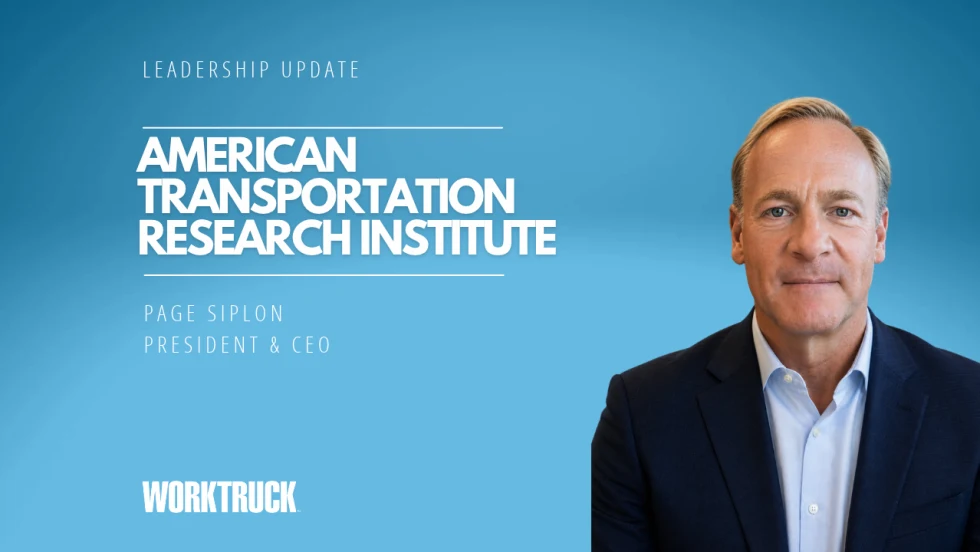
ATRI Names Next President and CEO
Page Siplon, a longtime transportation and logistics industry executive, has been chosen as the next president and CEO of the American Transportation Research Institute (ATRI).
Read More →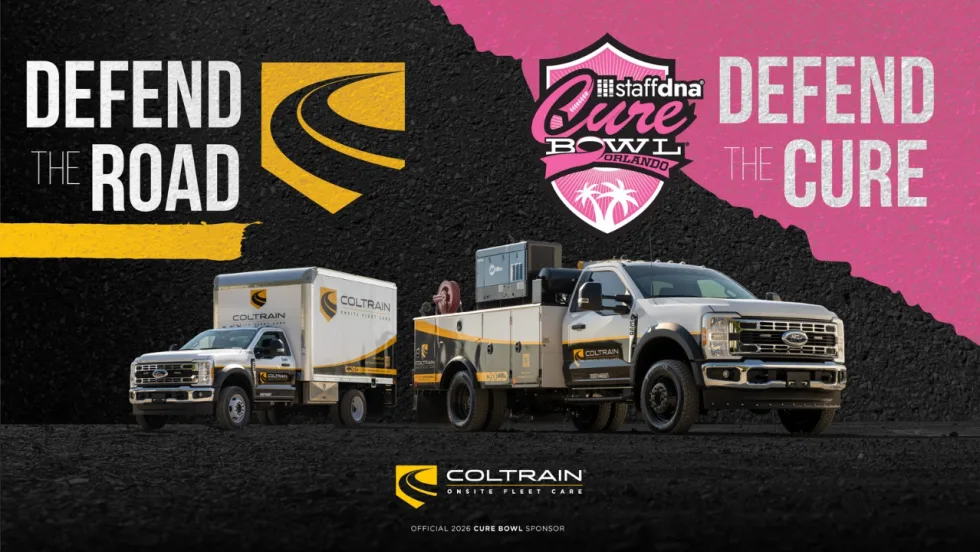
Coltrain Onsite Fleet Care Sponsors 2026 Cure Bowl to Support Cancer Research
The mobile fleet maintenance provider is supporting the annual college football bowl game, which has helped raise $6.83 million for cancer research since 2015.
Read More →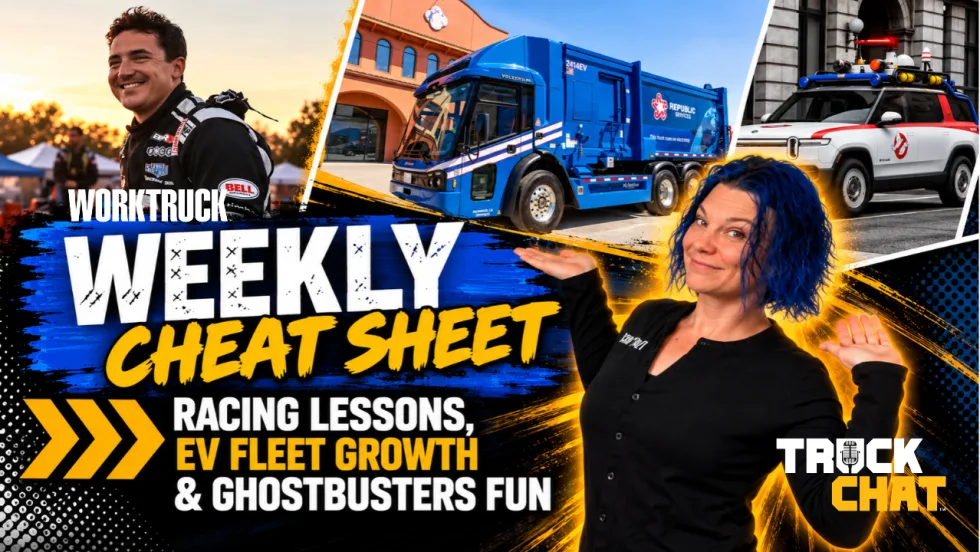
Racing Lessons, Electric Fleet Growth, and Ghostbusters Lead This Week's Work Truck News
Racing lessons for fleets, Republic Services' electric truck expansion, 40 years of fleet wisdom, truck trivia, autonomous yard trucks, and more headline this week's Truck Chat Cheat Sheet.
Read More →From Our Partners
Basic Tracking vs Next Generation Fleet Technology
Sponsored by AT&T Business

5 Facts Every Fleet Manager Should Know About Embedded Telematics
Sponsored by Stellantis/Mobilisights

How AI Video Telematics Boosts Driver Safety and Helps to Avoid Unnecessary Costs
Sponsored by Verizon Connect

Charting the 8 Bottom-Line Benefits of Workforce Optimization
Sponsored by Verizon Connect

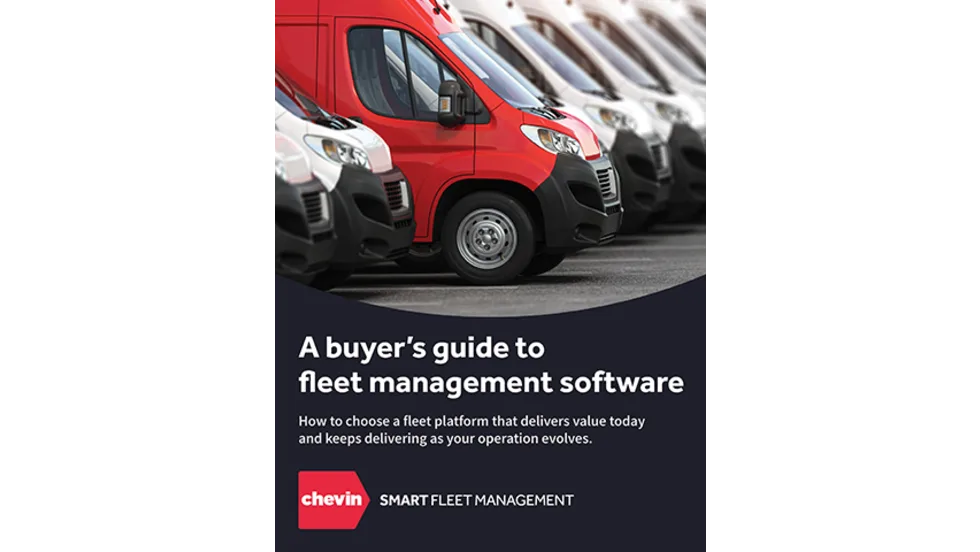
A buyer's guide to fleet management software in 2027
Buying fleet management software in 2027 means looking beyond features and price. As fleet operations, technology and expectations evolve, this guide explores what today’s fleet professionals should consider when choosing a system that can deliver value now and adapt to what comes next.
Read More →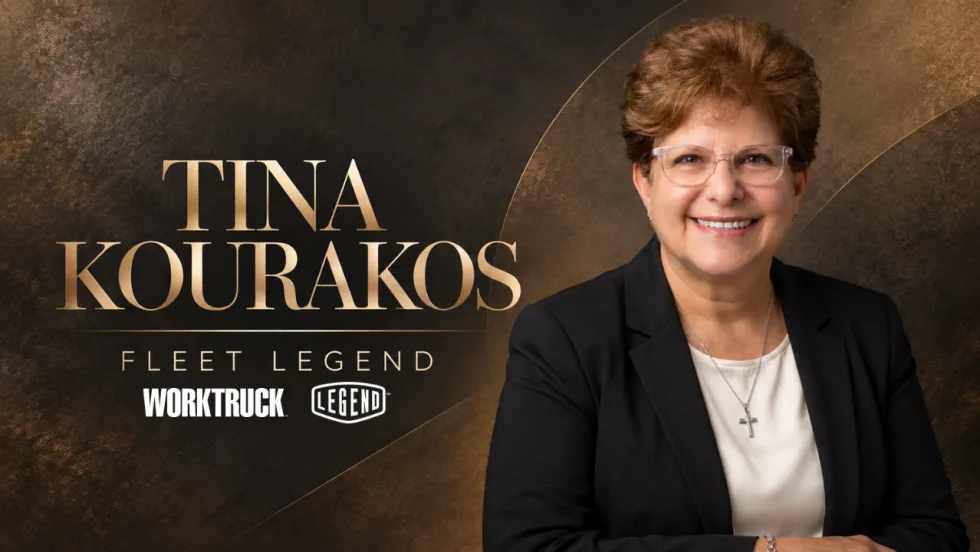
How to Build a Lasting Fleet Career by Staying Curious and Connected
Tina Kourakos never planned on a career in fleet. More than 30 years later, she says curiosity, strong relationships, and a willingness to keep learning helped turn an unexpected assignment into a career spanning fleet management and OEM leadership.
Read More →
Think You Know Trucks? Take Our 19-Question Fleet Trivia Challenge
From chicken lights to diesel engines and trucking history, test your knowledge with 19 questions from the 2026 Work Truck Exchange and Heavy Duty Trucking Exchange.
Read More →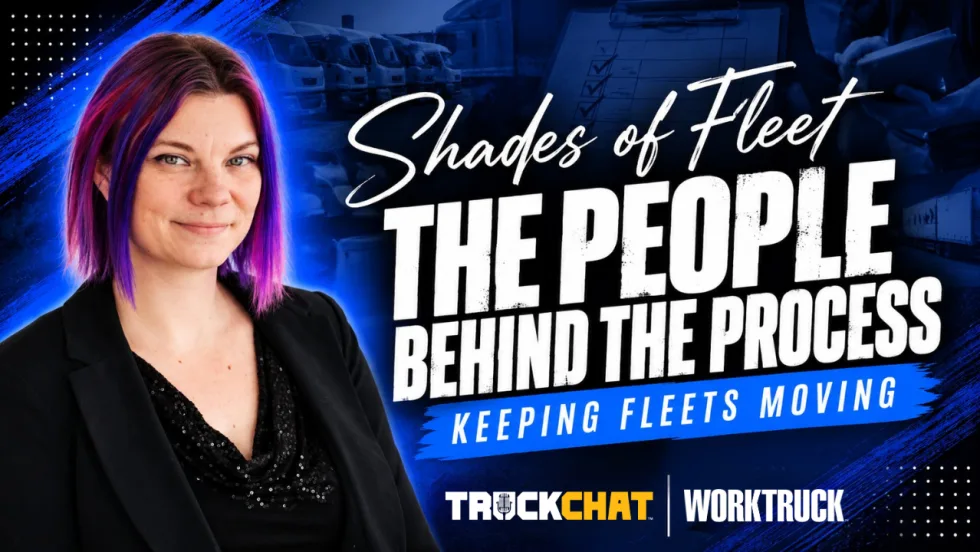
Where’s My Truck: Inside the Fleet Logistics Work Nobody Sees
Shades of Fleet video thumbnail featuring Lauren Fletcher beside the text “The People Behind the Process, Keeping Fleets Moving,” with fleet vehicles and logistics imagery in the background.
Read More →
Work Truck Seeks Fleet and Industry Insights on 2026 Trends and 2027 Forecasts
Work Truck is seeking insights from fleet leaders and industry partners on the trends that shaped 2026 and what commercial fleets should prepare for in 2027. Participate today!
Read More →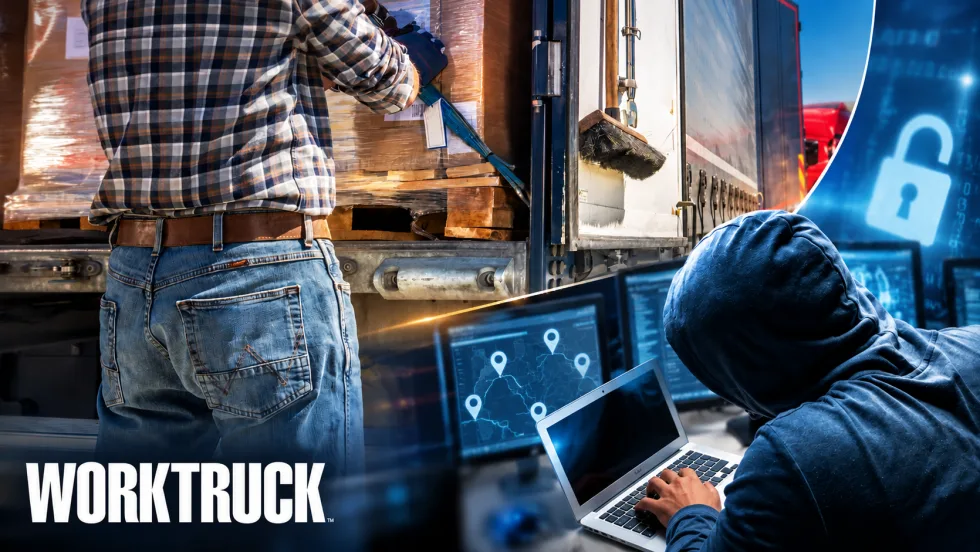
It's 10 p.m... Do You Know Who Has Access to Your Fleet?
Preventing cargo theft requires investment in technology, operational processes, and employee training. In an industry with tight margins, it can be difficult to justify investments whose value is measured by incidents that might never occur.
Read More →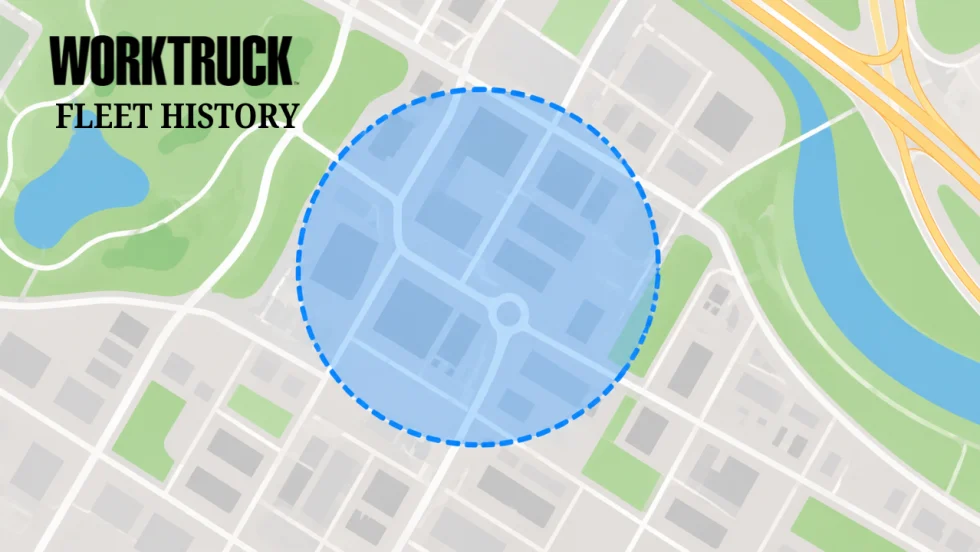
GeoFencing Adds to Your Truck Security Arsenal
Geofencing is a familiar fleet tool today, but its early adoption marked a major shift in vehicle tracking, route monitoring, and the debate over employee privacy.
Read More →