With the support of strong allies and industry leaders, women in fleet are making an impact, breaking barriers, and shaping the future of fleet management.
Photo: Lori Olson
4 min to read
Fifteen years ago, a handful of women in fleet looked around the room and realized something was missing: each other. That moment led to the founding of Women in Fleet Management (WIFM), an organization committed to supporting, mentoring, and advocating for women in the industry.
Ad Loading...
Today, WIFM’s presence is undeniable, with nearly equal representation of women and men in many fleet spaces. But there’s still work to do.
Ad Loading...
Lori Olson, Team Lead Signature Accounts at Geotab and WIFM Task Force Chair, has been involved in WIFM’s growth and shared insights into the organization’s mission, impact, and future.
Creating a Stronger Network for Women in Fleet
WIFM was founded as a resource for women leaders, providing mentorship, knowledge-sharing, and professional development. Over the years, it has grown into a powerful force, increasing female membership and conference attendance while pushing for greater opportunities and representation in leadership roles.
One of WIFM’s biggest successes is its mentorship program. Since launching in 2018, nearly 200 men and women have participated. The program fosters professional and personal growth, and one standout success story highlights how impactful these relationships can be.
Judie Nuskey joined the program two years ago and paired with Corey Woinarowicz. On their first call, Judie was a bit shy… and surprised to find out Corey was male!
After a shared laugh, they quickly moved past that and began meeting every other week. Over time, their connection deepened beyond a typical mentor-mentee relationship. Today, they’re not just colleagues but friends, peers, and partners in the safety industry.
Ad Loading...
Their collaboration has led to exciting new projects, including a podcast and a safety symposium they’re working on together. More importantly, mentorship has transformed them both.
“Judie has grown significantly in confidence,” Woinarowicz shared. “She’s written dozens of articles, taken on speaking engagements, and even started a Women in Safety group on LinkedIn.”
For Nuskey, the experience has been just as rewarding. “Corey has been an amazing coach for me,” she said.
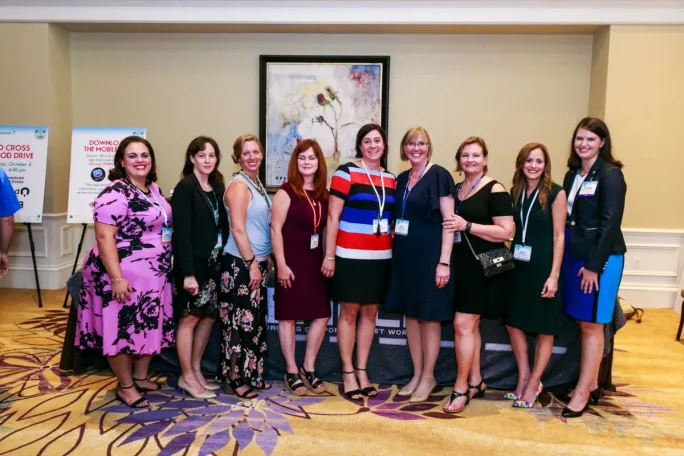
Women in Fleet Management (WIFM) continues to create opportunities for mentorship, leadership, and career growth in the fleet industry.
Photo: Lori Olson
The Role of Male Allies and Leadership in Advancing Women
While WIFM is focused on supporting women, it recognizes that male allies and company leadership are crucial in advancing gender equity in fleet. This year, WIFM has been sharing insights inspired by Lean In by Sheryl Sandberg at key industry events like the AFLA Canadian Summit, NTEA, and NAFA.
On a personal side, this brings me back to my first connection with Women in Fleet, which was moderating a webinar digging into Lean In!
Ad Loading...
“We would not be where we are without the men in our lives,” Lori emphasized. “They have been amazing mentors, directors, coaches, and champions for us. And as women rise, we must also pull others up with us.”
The Future of Women in Fleet
So, what’s next for women in fleet and trucking? Lori envisions a future where women are not just present but leading, innovating, and shaping the industry’s direction.
“My vision is one where fleet management is known for its inclusive and supportive workplace culture, where women feel valued, respected, and empowered. Their contributions will be recognized and celebrated, and they will be seen as role models for future generations,” she said.
To get there, the fleet industry must take active steps:
Expand hiring pipelines by partnering with women’s organizations, universities with strong STEM programs, and diverse job boards.
Showcase non-traditional fleet careers in technology, logistics, data analysis, sustainability, and management.
Ensure job descriptions use inclusive language that attracts women and avoids gender bias.
Provide training and development for women to move into leadership positions and keep up with industry advancements.
Hold leadership accountable for creating diverse, equitable workplaces.
Ad Loading...
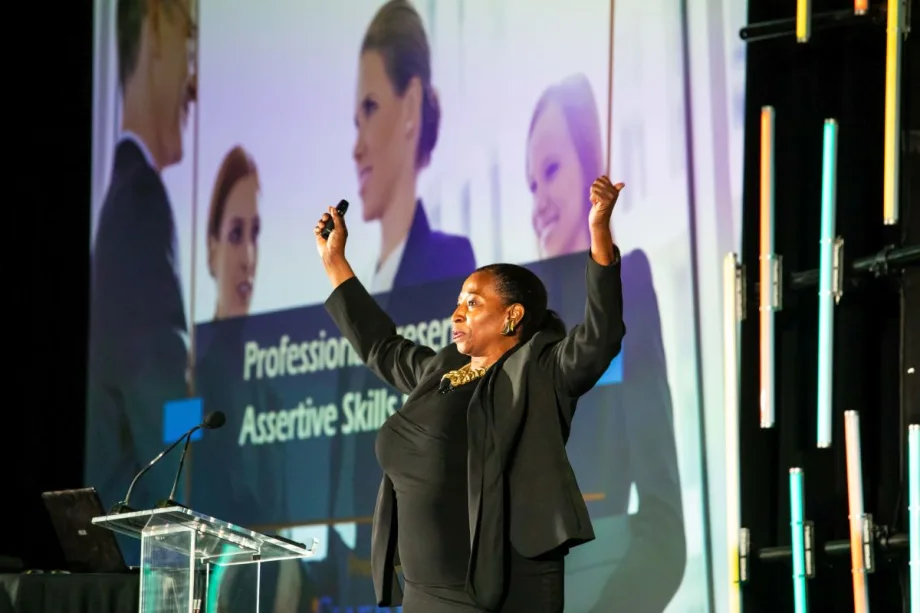
Lori Olson, Team Lead Signature Accounts at Geotab and WIFM Task Force Chair speaks to the attendees at the AFLA 2024 Canada Fleet Summit in Toronto, Ontario.
Photo: Lori Olson
Overcoming the Barriers Women Still Face
Despite the progress, challenges remain. Women are still underrepresented in executive leadership, sometimes face stereotypes about their capabilities, and often struggle with work-life balance. In some cases, facilities and equipment aren’t designed to accommodate their needs, creating additional hurdles.
But technology is changing the game. As fleet roles become more flexible, offering remote work and data-driven decision-making opportunities, more women can step into leadership roles without sacrificing balance.
Advice for Women Looking to Grow in Fleet
Lori’s advice is simple but powerful: Get involved.
“Join an association that aligns with your industry and start networking. Then, take the next step: join a task force or steering committee to deepen your industry knowledge. Find a mentor, male OR female, to help you grow, and when you’re ready, advocate for other women to join you at the table.”
Women in the fleet industry have come a long way, but there’s still plenty of road ahead. With continued mentorship, strong allies, and intentional leadership, the future of fleet will be one where women don’t just participate, we lead.
Preventing cargo theft requires investment in technology, operational processes, and employee training. In an industry with tight margins, it can be difficult to justify investments whose value is measured by incidents that might never occur.
Geofencing is a familiar fleet tool today, but its early adoption marked a major shift in vehicle tracking, route monitoring, and the debate over employee privacy.
Truckers’ strike rumors, GM’s new 2027 engines, hidden idling costs, racing lessons, IRP rules, and more headline this week’s Truck Chat Weekly Cheat Sheet.
Fleet leaders, we want to hear from you. Share how empathy, trust, and creating space for people can strengthen your team, improve performance, and support retention.
Race car driver and mechanical engineer Isaac Johnson shares practical lessons on preparation, relationships, setbacks, and building teams that perform when it counts.
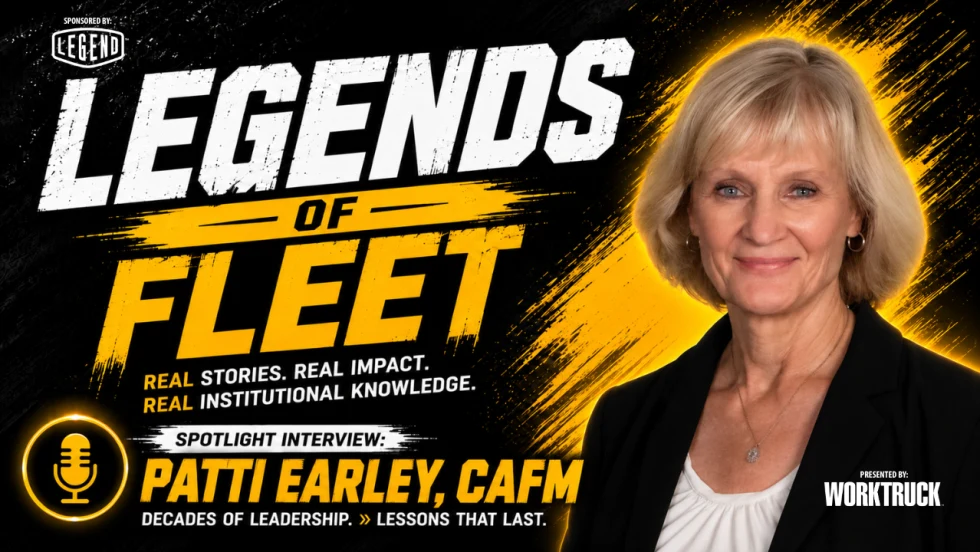
Patti Earley, CAFM, shares what four decades in fleet have taught her about using data, building relationships, and listening to the people behind the vehicles.
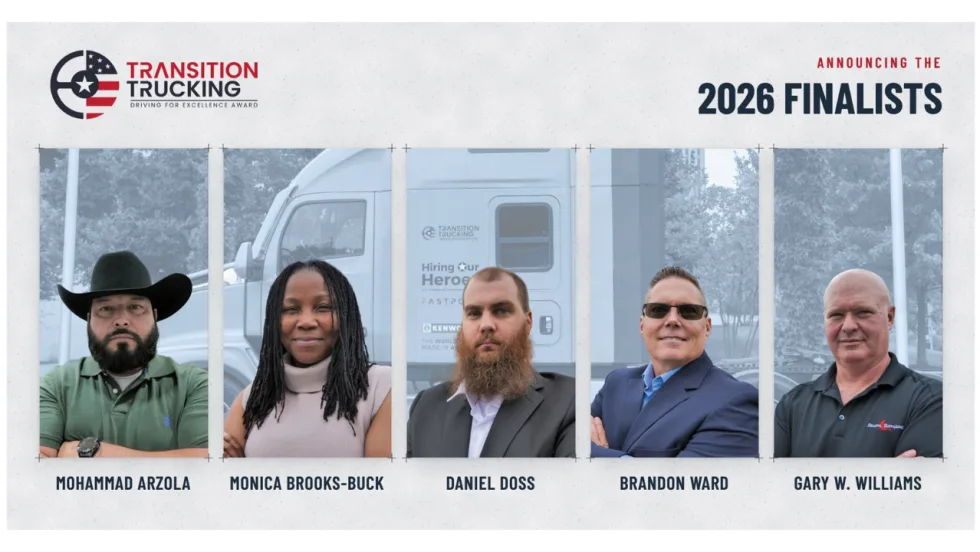
Kenworth Truck Company, Fastport, and the U.S. Chamber of Commerce Foundation's Hiring Our Heroes program have announced the five finalists for the 2026 Transition Trucking: Driving for Excellence Award.
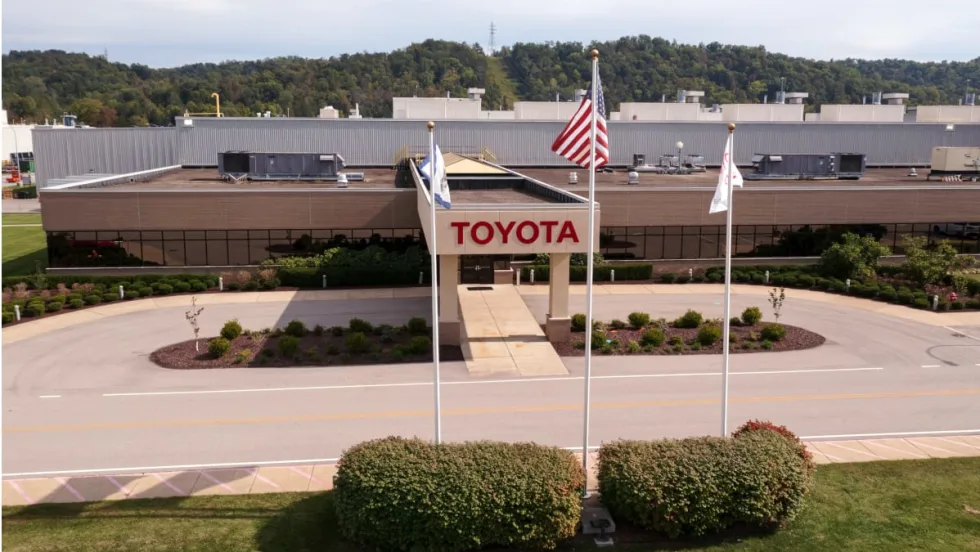
Toyota West Virginia celebrated 30 years of manufacturing. Toyota assembles both engines and drivetrain components in West Virginia to support its North American operations.