




About the Author: Tara Bradley is a writer and editor with more than 20 years of experience. Her work has appeared in national publications, including AFAR, Sport Diver, Scuba Diving, ROVA, and ISLANDS.
Small Shop Supplies, Big Downtime: Fleet Maintenance Details That Matter
Small fleet maintenance details can lead to costly downtime. Learn how TPMS components, torque tool calibration, and tire service supplies help keep trucks on the road.
by Tara Bradley
November 5, 2026
Small tools and shop supplies play an important role in fleet maintenance. Keeping the right equipment readily available can help technicians work efficiently, reduce service delays, and minimize vehicle downtime.
Credit:
Envato | bodenchuknata
4 min to read
- Small fleet maintenance neglect can lead to significant and costly truck downtime.
- Proper management of TPMS components and regular torque tool calibration are crucial in maintaining fleet efficiency.
- Investing in quality tire service supplies helps keep trucks operational and reduces maintenance-related delays.
*Summarized by AI
When fleet managers look for ways to reduce downtime, the focus is often on major repairs, vehicle replacement cycles, and preventive maintenance schedules. But some of the costliest service interruptions stem from something far less obvious: overlooked maintenance supplies, tools, and service processes.
As fleets plan for 2027, paying closer attention to these everyday essentials offers simple ways to improve uptime, support technician productivity, and avoid preventable repairs.
"Every minute a technician spends hunting for the right valve stem, patch, or torque tool is a minute that vehicle isn't back on the road. The fleets that stay ahead are the ones that treat shop supplies with the same attention they give their preventive maintenance schedule," said Eric Stridde, vice president of sales at Rubber Inc.
Preventive maintenance is a cornerstone of vehicle reliability. It's also important to recognize that the products and procedures supporting routine service can directly impact fleet availability.
"It's important that vehicle maintenance and repair companies know they are getting quality parts, tools, and supplies from reputable suppliers. Counterfeit components/products often fail prematurely or fail to perform which creates liability concerns for the service provider because there is limited or no traceability back to the manufacturer," said Kevin Rohlwing, chief technical officer at the Tire Industry Association.
Beyond using quality parts and supplies, following established service procedures is equally important for maintaining vehicle safety and limiting liability.
"It's equally important to follow recommended service procedures from the manufacturers or credible industry organizations to ensure that the repairs and maintenance practices follow the standard of care to ensure safe operation of the vehicle after it has been returned to the customer. It also protects the service provider in the event of the accident by limiting liability when industry guidelines are followed," Rohlwing added.
How TPMS Maintenance Helps Prevent Fleet Downtime
As commercial tire pressure monitoring systems (TPMS) become more common across fleet operations, service kits, valve hardware, seals, and replacement parts all have expiration dates and require periodic attention. When these components are overlooked, fleets may encounter inaccurate readings, sensor failures, or tire-related service disruptions that could have been avoided.
"TPMS gives fleets real-time visibility into one of the most important factors in vehicle performance: tire pressure. Even small pressure changes affect fuel economy, tire wear and safety. When fleets can spot a problem early, they can often repair a tire instead of replacing it, avoid a roadside breakdown and keep trucks on schedule. The benefits go well beyond compliance and show up in day-to-day operations," Stridde said.
Why Torque Tool Calibration Matters for Fleet Safety
Proper wheel installation depends on accurate torque application, yet torque tools naturally drift out of calibration through regular use.
Without a documented calibration program, technicians may unknowingly apply incorrect torque values, increasing the likelihood of repeat service visits, wheel-end issues, and unnecessary vehicle downtime.
Routine calibration helps ensure repairs are completed correctly the first time while supporting both safety and operational efficiency.
Proper Tire Mounting Supplies Help Prevent Costly Repairs
Tire mounting lubricants are often viewed as routine shop supplies, but they play a critical role in service quality and efficiency.
Using approved products can help prevent bead damage, improve installation consistency, and reduce unnecessary delays during tire service. Conversely, improper substitutions can increase service times and create avoidable maintenance challenges.
Wheel Safety Devices Help Fleets Catch Problems Early
Products such as wheel nut indicators, lug locks, and other wheel safety devices provide maintenance teams with a simple way to identify potential wheel-end concerns before they become larger problems.
These tools support inspection programs by helping technicians and drivers quickly identify issues that could otherwise lead to unscheduled repairs or roadside events.
Small Maintenance Improvements Can Make a Big Difference in Fleet Uptime
As fleets continue balancing vehicle utilization demands, technician shortages, and rising operating costs, maintenance planning is becoming increasingly proactive.
While major equipment investments will always matter, fleet managers should also evaluate the consumables, tools, and service practices that support everyday maintenance activities. Questions such as whether torque tools are calibrated regularly, TPMS service kits are replaced consistently, or approved mounting supplies are readily available can reveal opportunities to improve fleet performance without significant capital investment.
"The fleets with the best uptime aren't lucky. They're consistent. They calibrate on schedule, stock the right supplies and never let the small stuff slide," Stridde said.
The fleets that minimize downtime in 2027 may simply be the ones paying closer attention to the maintenance details that others overlook.

Credit:
Tara Bradley | Work Truck
Subscribe to Our Newsletter
More Maintenance & Uptime
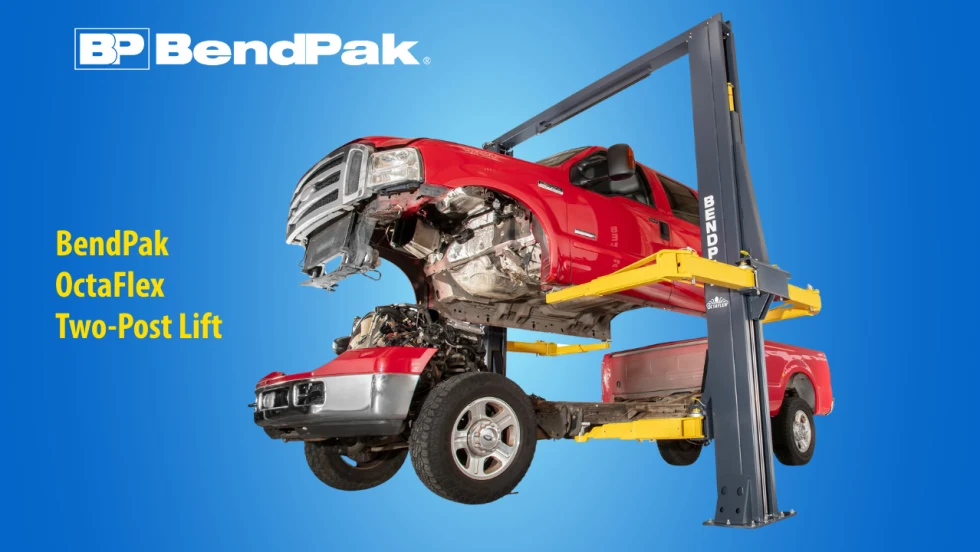
BendPak Delivers OctaFlex, World’s First Eight-Arm Lift
BendPak is now shipping its OctaFlex 12DPS two-post lift. OctaFlex makes cab-off repairs, EV battery replacement, and other demanding tasks. BendPak has spent the last two years refining it based on customer feedback and lab testing.
Read More →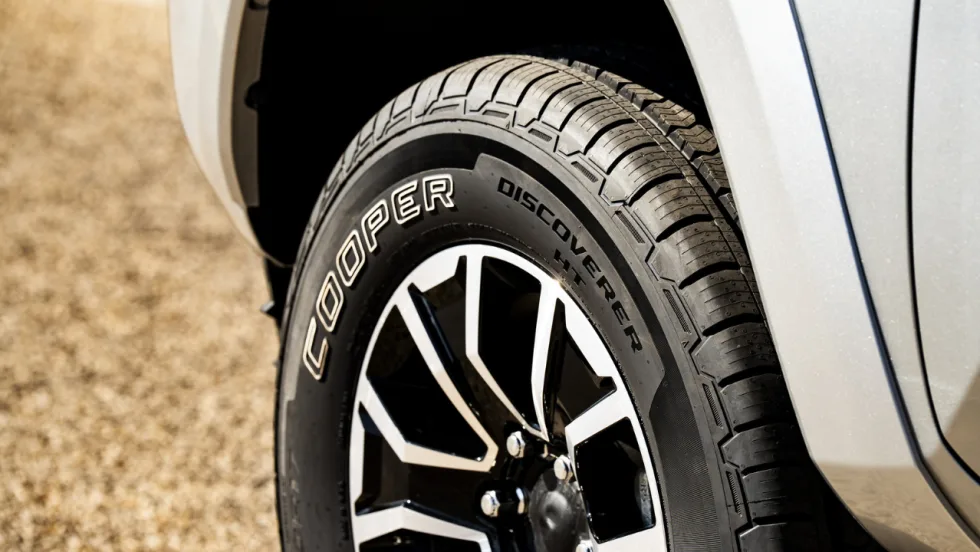
Cooper Tires Introduces the All-New Discoverer HT
The all-new Cooper Discoverer HT highway mixed-terrain tire promises consistent and reliable performance for the drivers who drive with purpose, depending on their vehicles every day.
Read More →
Mack Trucks Enhances MyMack App to Improve Customer Productivity
Drivers can now access the Mack Trucks Digital Driver Guide through the MyMack app, rather than visiting websites or scanning a QR code. Mack continues to improve the app, which is available for download from the Apple Store and Google Play.
Read More →From Our Partners
Basic Tracking vs Next Generation Fleet Technology
Sponsored by AT&T Business

5 Facts Every Fleet Manager Should Know About Embedded Telematics
Sponsored by Stellantis/Mobilisights

How AI Video Telematics Boosts Driver Safety and Helps to Avoid Unnecessary Costs
Sponsored by Verizon Connect

Charting the 8 Bottom-Line Benefits of Workforce Optimization
Sponsored by Verizon Connect

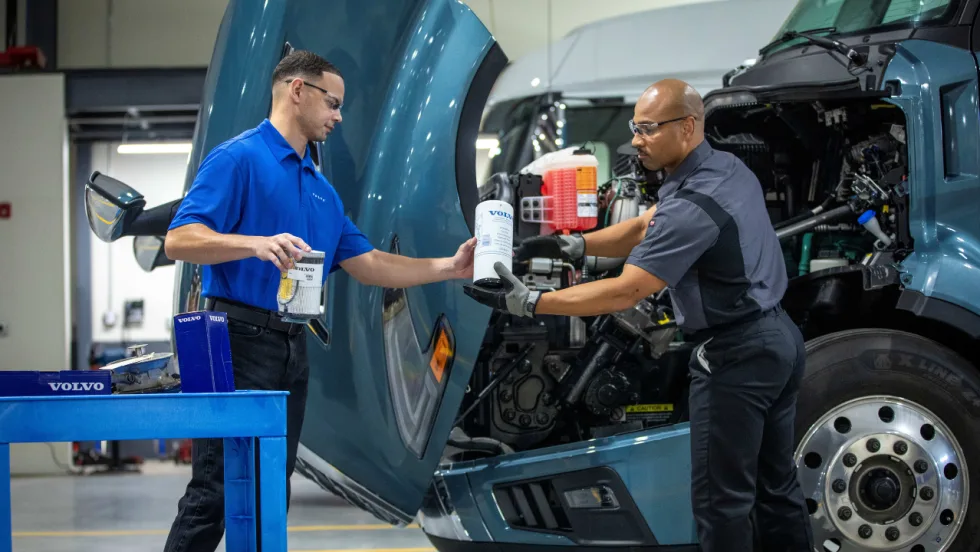
Volvo Trucks Launches New Silver Service Contract
Volvo Trucks North America is launching a new Silver Service Contract that adds powertrain repair coverage, helps maximize uptime, and gives fleets one predictable monthly payment.
Read More →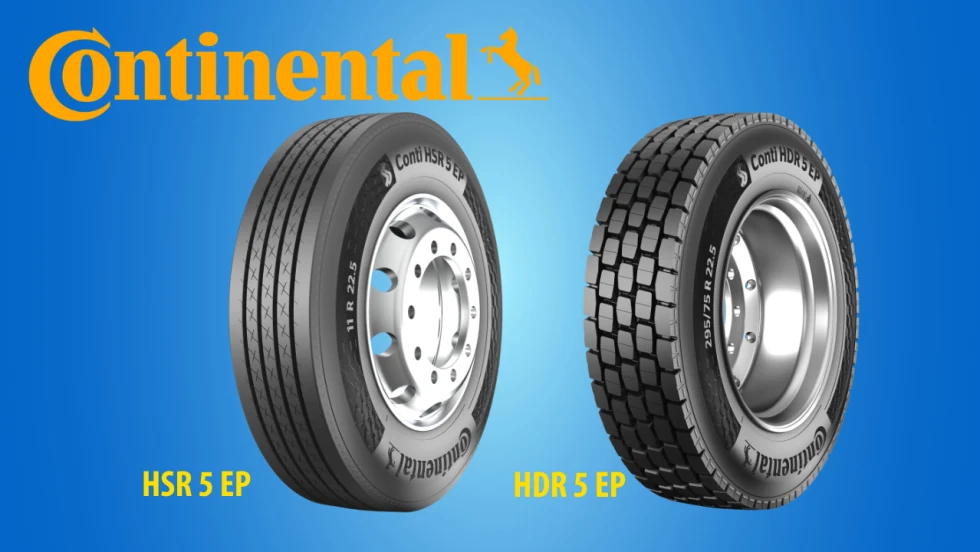
Continental Launches New Generation 5 Fuel-Efficient Regional Tires
The Conti HSR 5 EP and Conti HDR 5 EP are Continental’s new fuel-efficient regional tires, which were designed for regional applications, feature advanced tread, and deliver improved removal mileage compared to their predecessors.
Read More →
The Repair Took Four Hours. Where Did the Other Six Days Go?
How fleets can find, measure and shrink administrative downtime with nothing more than their last 20 repair orders
Read More →
Entegral & GEICO Partner to Enhance Auto Claims Experience
GEICO is deploying Entegral technology to support more efficient claim routing, clearer appointment communications, and more informed repair-provider selection.
Read More →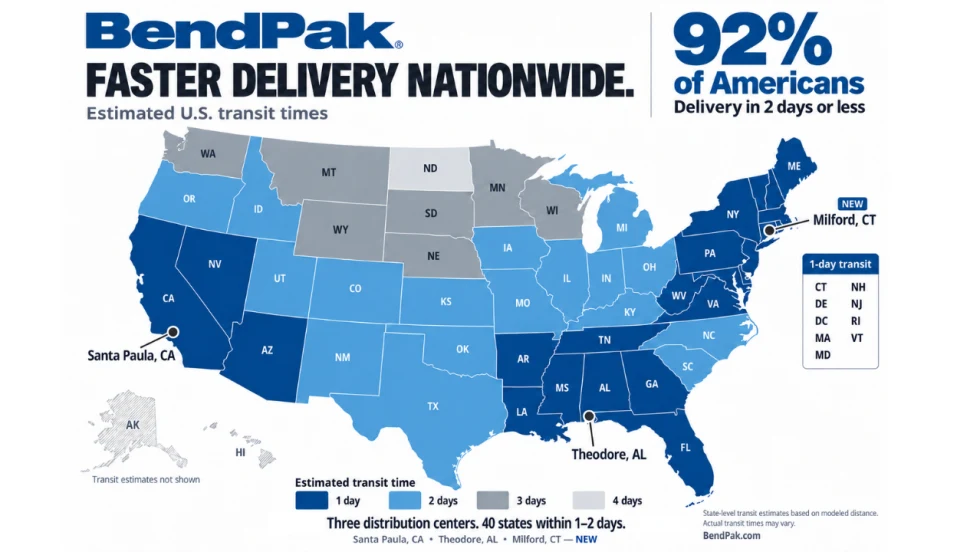
BendPak Opens Third Distribution Center to Accelerate Delivery
With the opening of a new distribution center in Milford, Connecticut, BendPak has expanded its network to deliver to 92% of Americans in two days or less. The company now operates three distribution centers.
Read More →
New STLE Special Report Examines Next-Generation Gear Lubricants for Electric Vehicles
Achieving the right balance of efficiency, durability, and electrical performance is critical in high-speed electric-vehicle drivetrains. The Society of Tribologists and Lubrication Engineers (STLE) released its new special report about EV lubrication.
Read More →
The Lost Art of Refrigerant Recovery
As new A/C refrigerants enter the market, fleet shops may already have many of the tools they need to service them. Here’s why revisiting basic refrigerant service skills could save equipment costs and get trucks back on the road faster.
Read More →