




About the Author: Craig Smith is the VP - Marketing & Communications for Pressure Systems International, a Clarience Technologies Company. This article was authored and edited according to Work Truck editorial standards and style. Opinions expressed may not reflect that of WT.
The Case for TPMS for Work Trucks
Boost work truck performance with TPMS. Cut costs, extend tire life, and prevent downtime with smart tire pressure monitoring solutions. Discover the benefits.
by Craig Smith, Pressure Systems International
May 22, 2025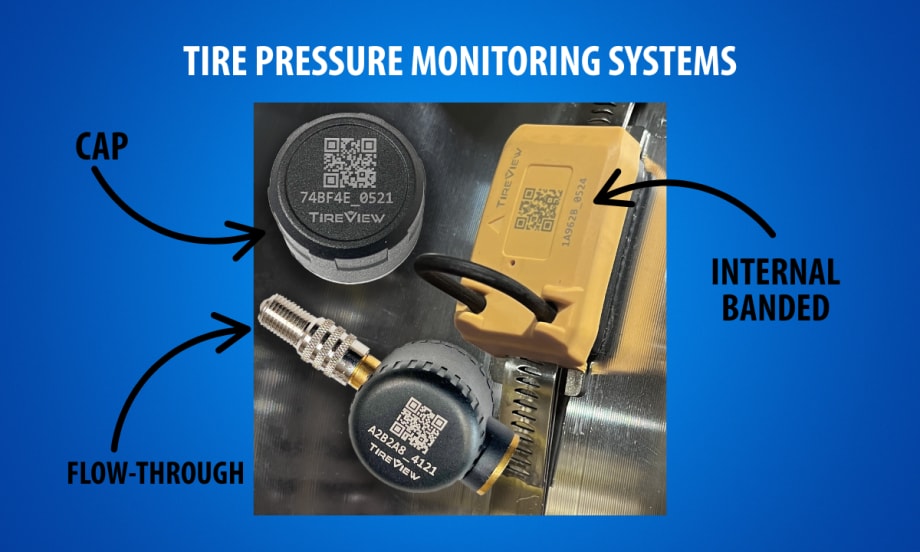
P.S.I.’s TireView TPMS sensors offer unmatched signal reliability and are all IP67-rated for water and dust exclusion.
Photo: Pressure Systems International | Work Truck
4 min to read
Maintaining proper tire pressure is critical to good fuel economy, reduced tire life, and unscheduled downtime for all commercial vehicles, including work trucks.
“Air carries the load,” whether it’s freight or equipment, and if tires are not properly inflated, money is left on the table in the form of lost fuel economy, premature tire replacement, and vehicle downtime. A vehicle not performing the work it was purchased for is not generating revenue for the owner and likely causing customer dissatisfaction as work is not completed on time.
Adding TPMS is an effective countermeasure to these risks.
Protect Your Bottom Line with Proper Tire Inflation
According to a Federal Motor Carrier Safety Administration (FMCSA) study, the use of tire pressure monitoring systems (TPMS) or automatic tire inflation systems (ATIS) can improve fuel economy by approximately 1.4%.
Fuel savings are not the only benefit here. Arguably, the number two operator or fleet cost behind fuel is tires, so maintaining tires properly can offer savings twofold.
Underinflation is always the leading cause of tires not reaching their full potential in terms of life and fuel economy. Along with fuel savings, operators and fleets can extend tire life by 10% or more by always maintaining proper cold tire pressure. This is especially important for those who utilize retreads. According to TRIB (Tire Research & Repair Information Bureau), proper inflation and following Industry Recommended Practices (IRPs) maintains casing integrity through the tire's life, which can be two or three retread cycles.
According to TRIB, manufacturing one new heavy-duty tire takes approximately 22 gallons of oil. Since most of that oil is used in the tire casing, which is reused in the retreading process, only 7 gallons of oil are required to retread that same tire. Each time a tire is retreaded, approximately 15 gallons of oil are saved, resulting in up to millions of gallons of oil saved annually.
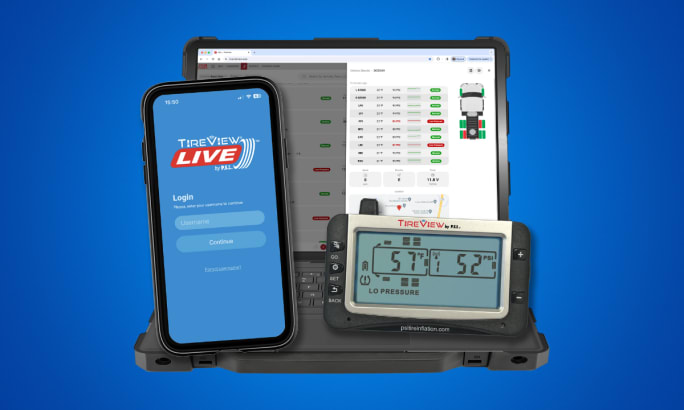
P.S.I.’s TireView data is viewable through Desktop, Mobile, and In-cab display options
Photo: Pressure Systems International
How TPMS Makes Fleet Maintenance Smarter
Under-inflated tires can also contribute to vehicle performance, with work not being completed as scheduled due to downtime.
Operators or fleets conscious about maintenance will additionally benefit from TPMS with data analytics from sensors in the system delivered seamlessly to those responsible for making important decisions about in-transit repair, PM schedules, and future purchase options.
Recognizing that fleets needed to improve their tire management program beyond just trailer tires, P.S.I. launched TireView TPMS, engineered to meet the needs of the commercial vehicle industry. With a standard signal booster in every kit, TireView offers unmatched signal reliability with many sensor types providing best-fit solutions for the fleet. All sensors are IP67-rated for dust and water intrusion.
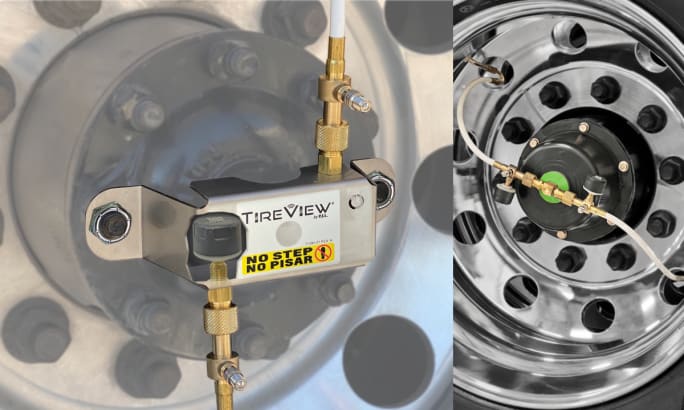
Sectioned view of P.S.I.'s TireView Flow-thru bracket, TPMS sensor and check port hoses shown on drive wheel (left) and ATIS and TPMS shown on typical dual trailer tire assemblies (right).
Photo: Pressure Systems International
Choosing the Right TPMS Solution for Your Fleet
It is important to consider a fleet's maintenance practices and sensor management when specifying a TPMS solution. Fleets may determine that using multiple sensor types for their tractors, trucks, and trailers may be the best way to minimize issues such as sensor loss or misplacement.
Easy installation options can include Cap Sensors which screw on to valves stems, Flow-Thru Sensors which allow airing up tires without removal or Band Sensors which are internally mounted to the wheel/tire assembly.
Fleets may also use Flow-Thru Brackets and Check Port (CP) Hoses on drive and trailer axles. The CP hoses bring the valve stem of any tire within easy reach and allow airing up of tires without needing a TPMS sensor or valve cap removal. This CP hose is especially convenient for dual tire applications on trailers, tractors, and other dual-tire equipped vehicles.
TireView LIVE data analytics platform is just one of many offerings in the telematics market, which provides actionable data at a glance using vehicle data that has been pushed to the Fleet’s operations, reducing reliance on the driver. Depending on the access portal or telematics system, the fleet can access a “Dashboard” for a tire health snapshot of all fleet assets. This allows maintenance or dispatch to make the best decisions about scheduling maintenance or asset deployment.
These solutions are designed to be easily retrofittable to existing equipment, and fleets of all sizes should consider one or more of these products to improve efficiency.
The North American Council on Freight Efficiency rates ATIS and TPMS with a high confidence rating and are “very adoptable” with an ROI of less than one year, depending on application.
Subscribe to Our Newsletter
More Maintenance
Les Schwab Expands Commercial Tire Footprint Into Arizona
Les Schwab Tires has expanded into Arizona with two commercial tire locations in Phoenix and Tucson, strengthening its fleet service footprint in the Southwest.
Read More →
Volvo Trucks’ 'Lock and Leave' Software Updates Go Live Across North America
Unattended over-the-air software updates are now available in Volvo trucks across the U.S. and Canada. The new capability lets trucks stay current with the latest software without interrupting operations or requiring a dealership visit.
Read More →
Why Technician Appreciation Can’t Be a Once-a-Year Thought
For fleets trying to keep skilled technicians, recognition cannot begin and end with Technician Appreciation Week. Learn what year-round appreciation really looks like and why the everyday technician experience matters just as much as pay when fleets are trying to keep good people.
Read More →
How Faster Driver Reporting Can Keep Small Truck Problems Small
When minor damage, warning lights, or equipment issues are reported late, small problems can quickly become bigger maintenance headaches. Conversational AI can help shorten the path from what a driver notices in the field to the person who can act on it.
Read More →
BendPak’s Ranger Wheel Service Equipment Achieves North American Safety Certification
BendPak’s full line of Ranger tire changers and wheel balancers has been ETL certified to UL and CSA standards to improve operator safety.
Read More →
Isuzu & U.S. Department of Labor Celebrate Milestone for Veterans Apprenticeship Program
The Isuzu Veterans Apprenticeship Program (IVAP) signing ceremony highlighted Isuzu’s long-term commitment to veterans, Isuzu dealers, and the skilled workforce supporting its customers and the commercial transportation industry.
Read More →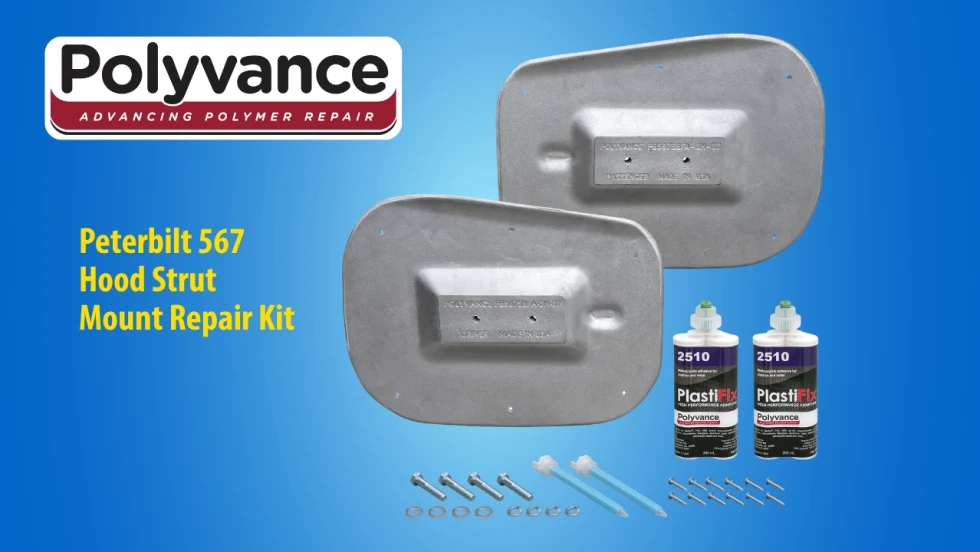
Polyvance Introduces New Peterbilt 567 Hood Strut Mount Repair Kit
Polyvance has launched a repair solution for Peterbilt 567 hood struts, helping truck owners and repair facilities avoid costly hood replacements.
Read More →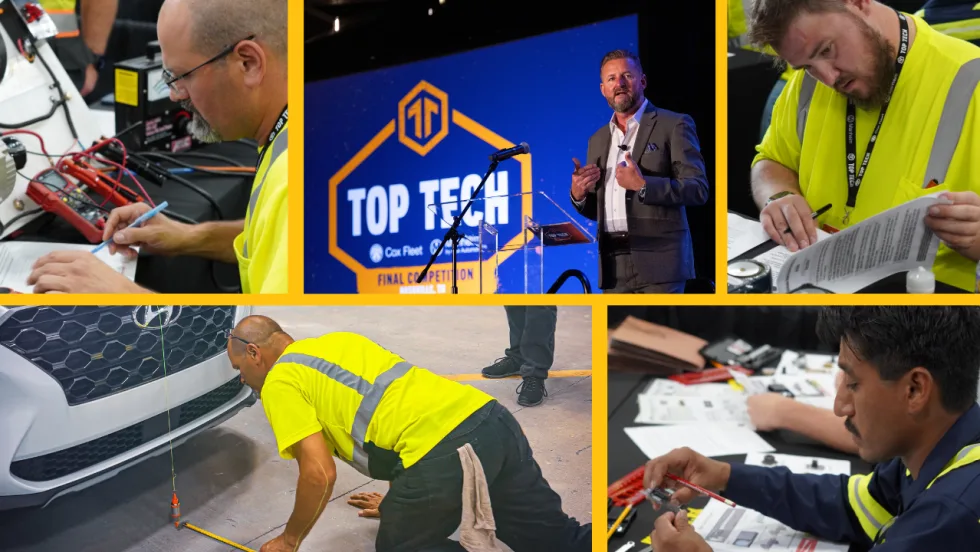
Cox Automotive Celebrates Technical Excellence at 2026 Top Tech Finals
The top technicians from Cox Fleet and Manheim tested their skills in Nashville, Tennessee, at Cox Automotive’s 2026 Top Tech Finals. The overall winners will advance to compete at the American Trucking Association’s TMC SuperTech competition.
Read More →
Grote Industries Appoints Vice President of North American Operations
Grote Industries has appointed Patrick Smith as vice president of North American operations as it celebrates 125 years of innovation and manufacturing excellence. He has more than 20 years of manufacturing leadership experience.
Read More →
Winter Fleet Prep: Expert Tips to Keep Vehicles Running Smoothly
Cold weather can expose weak batteries, tires, fuel systems, and maintenance gaps fast. Use this winter fleet checklist to prepare trucks and drivers before temperatures drop.
Read More →