




The Lost Art of Refrigerant Recovery
As new A/C refrigerants enter the market, fleet shops may already have many of the tools they need to service them. Here’s why revisiting basic refrigerant service skills could save equipment costs and get trucks back on the road faster.
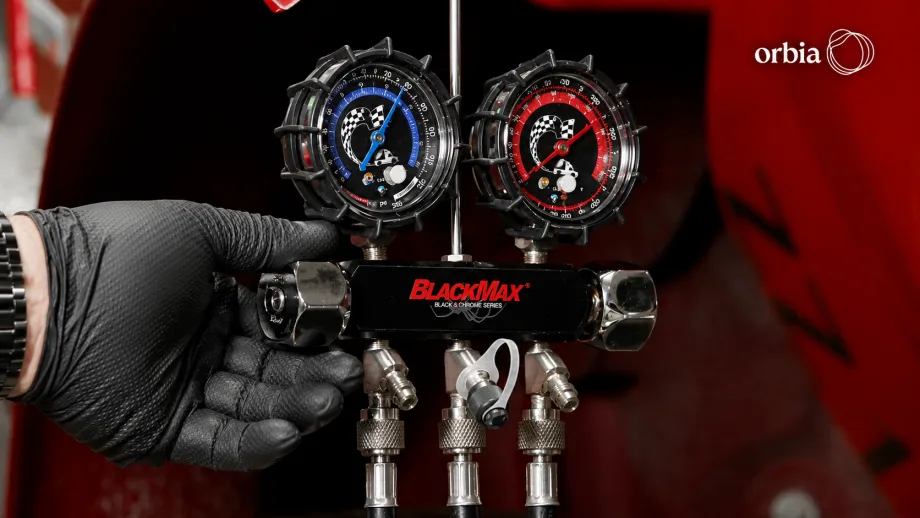
A gauge manifold is one of the basic tools technicians can use to monitor system pressure during A/C service.
Orbia Fluor & Energy Materials
- Fleet shops may already possess essential tools for servicing new A/C refrigerants.
- Revisiting basic refrigerant service skills can help reduce equipment costs.
- Proper refrigerant service expedites getting trucks back on the road.
*Summarized by AI
As new refrigerants enter the market, the most valuable A/C service equipment in your shop may not be a refrigerant-specific RRR machine. For many technicians, air conditioning service has become synonymous with the Recover, Recycle, and Recharge (RRR) machine. Connect the hoses, select the refrigerant, and let the machine do the work. While RRR machines remain valuable shop equipment, they have also led many technicians to lose familiarity with a set of skills that once formed the foundation of mobile A/C service.
That may have been acceptable when one or two refrigerants dominated the market. Today, however, new refrigerants are entering the market with greater regularity as regulations target reducing global warming potential (GWP).
As alternatives with lower carbon footprints enter the market, technicians and fleet maintenance operations are discovering that traditional shop tools can perform the same work more quickly while providing the flexibility needed to service multiple refrigerants. In many cases, these basic tools are the fastest path to getting a truck back into service.
Why Shops Became Dependent on Machines
RRR machines simplify refrigerant service by combining several functions into one piece of equipment. Recovery, recycling, evacuation, and charging could all be performed from a single machine, reducing training requirements and helping shops comply with refrigerant handling regulations.
However, this convenience came with a tradeoff. Many technicians stopped using standalone service equipment and, over time, lost the ability to perform procedures manually.
As a result, technicians today automatically reach for an RRR machine even when a simpler approach would be quicker and equally effective. This matters more than ever because the industry is entering a period where multiple refrigerants will coexist in the marketplace. A service strategy that depends entirely on a dedicated machine for each refrigerant can become expensive and difficult to manage.
The Tools Most Shops Already Own
The good news is that most truck service facilities already possess nearly everything needed to perform professional refrigerant service using basic equipment.
Typical equipment includes:
- Gauge manifold set
- Recovery machine or recovery pump
- Recovery cylinder
- Vacuum pump
- Refrigerant scale
- Refrigerant-specific service couplers and adapters
These tools are common in maintenance facilities, easy to transport, and are typically 20-30% of the cost of purchasing one dedicated service machine for each new refrigerant being introduced to the market.
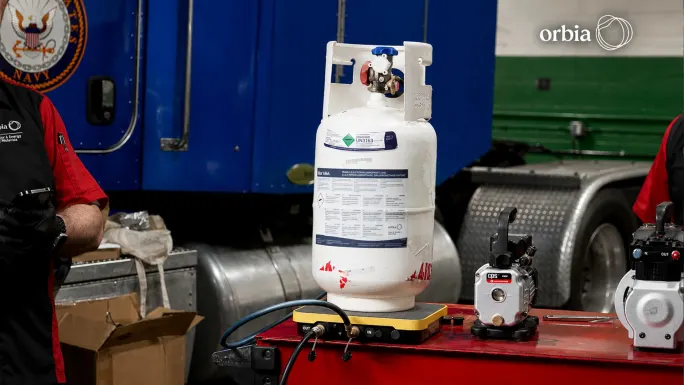
A refrigerant scale helps technicians charge a retrofitted truck’s A/C system by weight.
Orbia Fluor & Energy Materials
A Practical Example: Retrofitting a Truck from R-134a to R-456A
Consider a light- or medium-duty truck originally equipped with R-134a that is being retrofitted to a newer refrigerant on the market, R-456A, a next generation direct replacement for R-134a with a GWP < 50%.
Recovery of Existing Refrigerant
The process begins with recovery of the existing refrigerant using certified recovery equipment appropriate for the refrigerant being removed, in this case R-134a. During recovery, technicians should note the amount of compressor oil removed from the system. This measurement becomes important later because the same quantity of approved oil should be restored.
Once recovery is complete, the RRR machine's role is finished, and service can be performed for the remaining steps using common service tools.
Ensure EPA Compliance
For new refrigerants like R-444A, the replacement for R-1234yf, and R-456A, the EPA requires unique port adapters for each refrigerant to avoid mixing and cross-contamination between old and new refrigerants. Port adapters are added following recovery of the existing refrigerant along with a new label under the hood that identifies the new refrigerant added
Evacuation and Vacuum
Next, any necessary repairs are completed, such as replacing a leaking hose, damaged condenser, or failed component. After repairs are complete, the gauge manifold and vacuum pump are connected to evacuate the system.
Following evacuation, the technician performs a vacuum hold test to verify system integrity and remove moisture, air, and any remaining non-condensable gases that could affect system performance. If the system maintains vacuum within 3 in Hg, charging can proceed.
Oil Replacement and Charging
The technician then restores only the quantity of oil removed during recovery. This point is often misunderstood, because converting from R-134a to R-456A does not require changing compressor oil solely because of the refrigerant change. The service operation is a refrigerant retrofit, not an oil conversion.
Using a charging scale, the technician adds the correct amount of refrigerant by weight. Once charging is complete, the truck is started and system performance is verified through pressure readings and vent temperature measurements.
The entire process uses equipment found in most professional shops and requires no dedicated RRR machine beyond the initial recovery step.
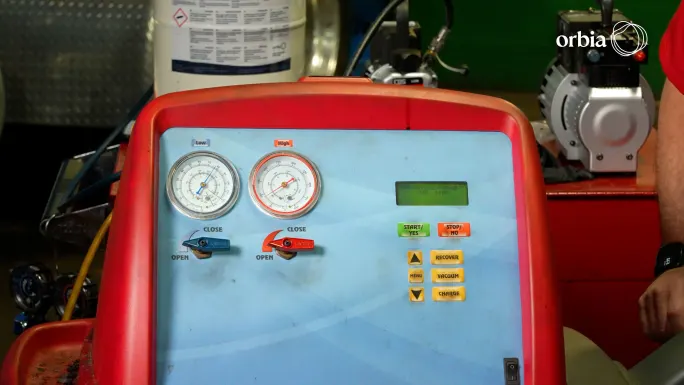
An RRR machine can handle refrigerant recovery, but the article explains how shops can use standalone tools for later steps in an A/C retrofit. Photo courtesy of Orbia.
Orbia Fluor & Energy Materials
Simpler Is Faster
One of the biggest misconceptions in the industry is that an automated machine is always the fastest solution. In reality, technicians frequently spend time waiting for machines to complete functions that can be performed more quickly with basic tools.
A vacuum pump can pull the system into a vacuum state immediately. A charging scale can meter refrigerant accurately without requiring lengthy machine setup sequences. Gauge manifolds provide real-time pressure information without navigating electronic menus or software prompts, a significant difference especially for fleet operations where downtime can be costly.
Using basic tools versus a dedicated RRR machine has been shown to decrease service time by as much as 25% over a RRR machine.
If a truck is down for A/C service during peak operating season, time becomes a limiting factor that erodes revenue. Reducing service time improves vehicle availability and helps fleets return vehicles to operation sooner, increasing revenue by increasing uptime. As a result, the time saved using basic tools adds a maintenance benefit that will help companies be more profitable over time.
Preparing for the Next Refrigerant
Perhaps the greatest advantage of mastering basic service tools is future readiness. Historically, shops could justify investing in a single machine because virtually every vehicle used the same refrigerant. That position is changing as regulations dictate a reduction of R-134a and a move to a lower-GWP alternative.
With the EPA’s change in regulations for refrigerants, the automotive industry is forced to respond by taking up new refrigerants that will meet EPA regulatory and sustainability objectives. These different refrigerants require unique service fittings, dedicated recovery containers, and proper identification procedures.
Yet, service can be accomplished quickly and easily with basic service tools. A shop that relies entirely on refrigerant-specific RRR machines will face additional equipment investments each time a new refrigerant gains market acceptance, and the lag of availability for dedicated machines may not match a shop’s immediate service needs.
Managers that understand how to accomplish recovery, evacuation, leak testing, and charging using standalone tools can adapt to this changing refrigerant market and prevent costly downtime. Often, the transition requires only refrigerant-specific fittings, dedicated cylinders, and adherence to proper handling practices.
The outcome of this shift is that the technician's knowledge becomes more important than the machine, and this knowledge is transferable for any new refrigerant, now and into the future.
A Valuable Skill Worth Relearning
The fundamentals of refrigerant service have not changed. Systems still require proper recovery, leak-free repairs, deep evacuation, accurate charging, and performance verification. What has changed is the industry's tendency to rely on automation for tasks that technicians can perform themselves.
As fleets prepare for the next generation of refrigerants, revisiting these core skills offers clear advantages. Shops gain flexibility, reduce equipment dependency, improve technician capability, and may complete service work more efficiently. The result is a maintenance operation that is better prepared for whatever refrigerant comes next.
It also enables shops to buy the equipment once for any new refrigerant at a fraction of the cost of one new machine, instead of needing a new machine for every new refrigerant entering the market. Sometimes, the fastest path forward is rediscovering the tools that were there all along.
Orbia Fluor & Energy Materials | Work Truck
Quick Answers
Revisiting basic refrigerant service skills is crucial as it allows fleet shops to efficiently utilize existing tools, thus reducing equipment costs and minimizing downtime for trucks.
*Summarized by AI
More Maintenance & Uptime
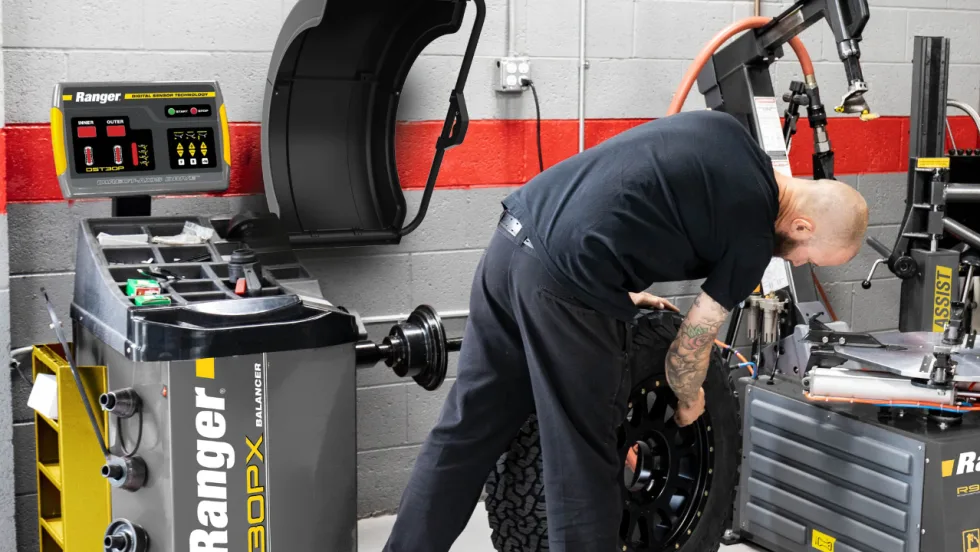
BendPak Launches Ranger DST30PX Balancer for Large Wheel Service
The new DST30PX Professional Wheel Balancer from Ranger Division of BendPak smoothly handles tires up to 43 inches with precision and accuracy.
Read More →
Kooner and Global Partners Connect Mobile Fleet Maintenance and Fueling Services
A new referral partnership connects on-site fueling and maintenance services, with a focus on reducing off-site trips and making better use of fleet downtime.
Read More →
Maintenance Failures That Sideline Work Trucks and the Inspection List That Catches Them Early
Unplanned downtime hurts efficiency and even profitability for work truck fleets, but catching potential problems early can help prevent it. Here is an inspection list that can help potentially prevent that downtime.
Read More →From Our Partners
How JASPER Keeps Fleets Moving and Profitable
Sponsored by Jasper Engines & Transmissions

Basic Tracking vs Next Generation Fleet Technology
Sponsored by AT&T Business

5 Facts Every Fleet Manager Should Know About Embedded Telematics
Sponsored by Stellantis/Mobilisights

How AI Video Telematics Boosts Driver Safety and Helps to Avoid Unnecessary Costs
Sponsored by Verizon Connect

Charting the 8 Bottom-Line Benefits of Workforce Optimization
Sponsored by Verizon Connect

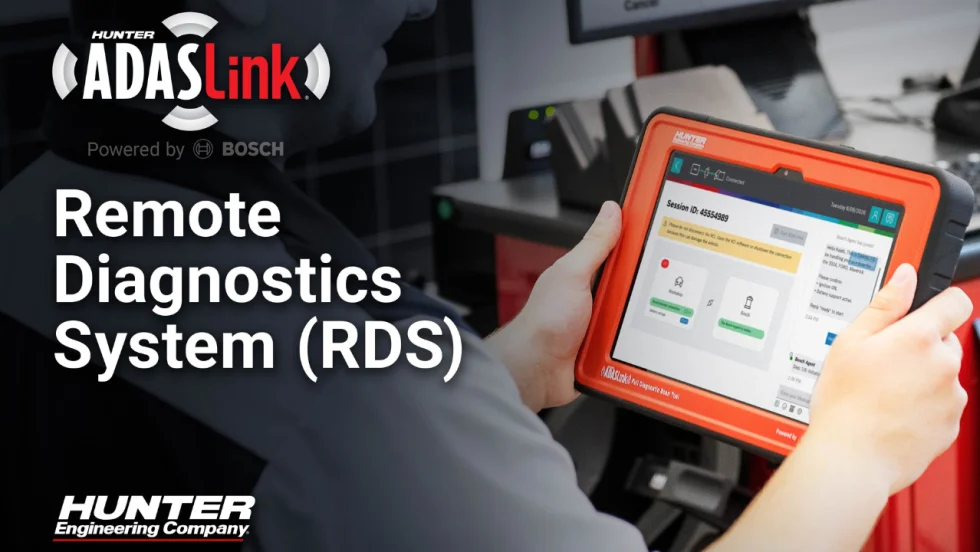
Hunter Engineering Enters Collaborates with Bosch for Remote Diagnostics Service Through ADASLink
Hunter Engineering’s collaboration with Bosch enables ADASLink to connect directly with Bosch diagnostic experts through an integrated remote support platform, allowing shops to service more vehicles.
Read More →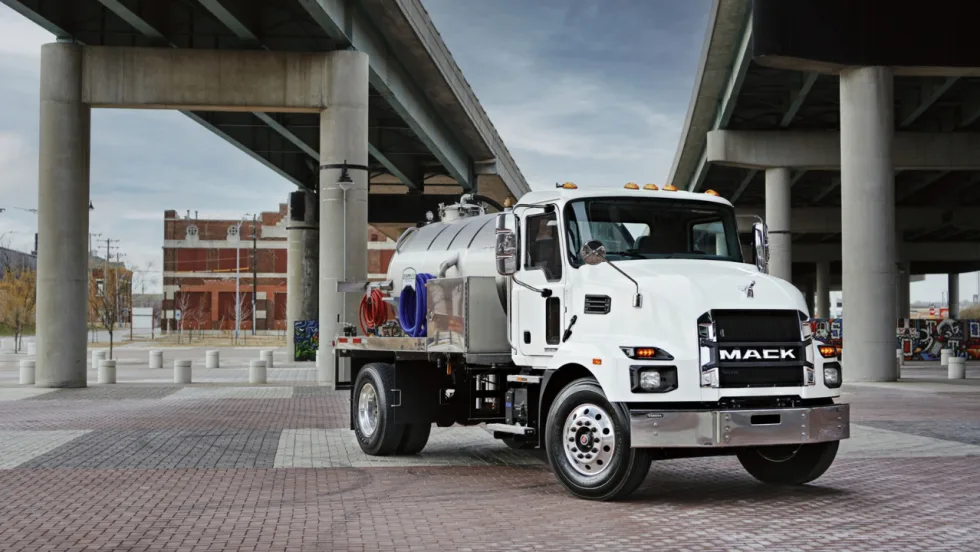
Mack Adds Chassis Coverage Options for Fleet Repair Costs
Mack Trucks introduced four system-specific chassis coverage plans, giving fleets more flexibility to manage repair costs for driveline, HVAC, electronics, safety systems, and other components.
Read More →
GM Launches ‘30 Under 30’ Program to Elevate Automotive Service Technicians and Inspire the Next Generation
The GM Automotive Service Technicians 30 Under 30 program honors GM service technicians under the age of 30 who demonstrate continuous technical training, exemplary customer service, mentorship, and leadership.
Read More →
Kooner Fleet Management Solutions Named Exclusive On-Site Fleet Maintenance Provider for Safe Truck Parking
A strategic partnership between Kooner Fleet Management Solutions and Safe Truck Parking brings mobile maintenance and 24/7 repair services directly to Safe Truck Parking locations, beginning in San Diego, California, with nationwide expansion planned.
Read More →
Building a Better Vehicle Replacement Model
Meter readings still matter, but engine hours, idle time, maintenance trends, and utilization can help fleets spot costly vehicles before the odometer does.
Read More →
How JASPER Keeps Fleets Moving and Profitable
Every business decision within fleet management ultimately comes down to financial performance. Investing in dependable replacement powertrain components and responsive support can measurably impact the bottom line.
Read More →
Ryder Honors 2026 Top Technician at 25th Anniversary Skills Competition
Hosted in Nashville, Ryder’s 25th annual Top Technician Skills Competition honored the best technicians across the U.S. and Canada. Top Tech celebrates technician expertise while promoting growth, recognition, and camaraderie. Here are the winners.
Read More →