




Maintenance Failures That Sideline Work Trucks and the Inspection List That Catches Them Early
Unplanned downtime hurts efficiency and even profitability for work truck fleets, but catching potential problems early can help prevent it. Here is an inspection list that can help potentially prevent that downtime.
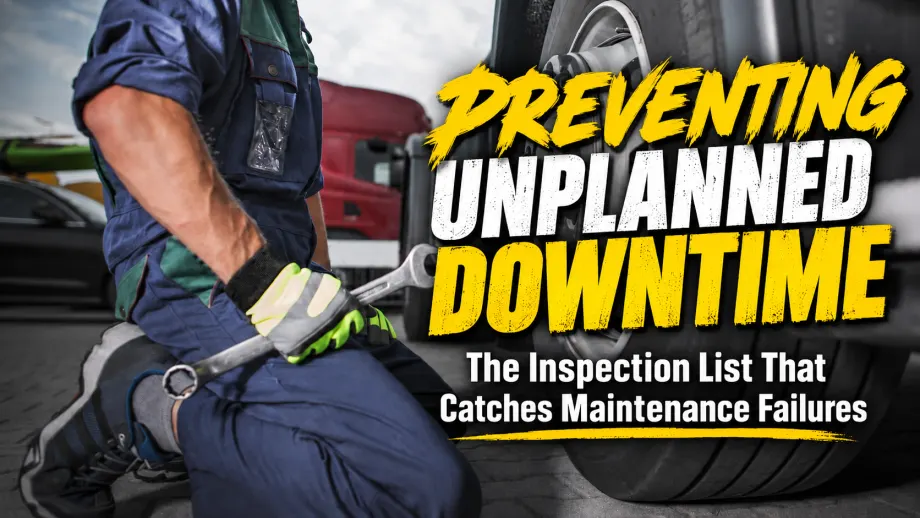
What inspection and preventive maintenance tasks can play a role in preventing unplanned downtime?
Work Truck | Edited with OpenAI
- Unplanned downtime negatively impacts the efficiency and profitability of work truck fleets.
- Early detection of potential problems is crucial to avoid unexpected maintenance issues.
- A structured inspection list plays a key role in identifying issues before they lead to downtime.
*Summarized by AI
Work trucks earn their keep only when they are on the road. Every hour a truck sits in a bay waiting on a diagnosis is an hour a route does not run, a job does not get billed, and a driver waits on a decision that is not his to make. Fleet managers already know downtime is expensive. What is harder to predict is which failure will cause it.
A look at the maintenance issues that sideline work trucks most often shows a pattern. Trucks are rarely stopped by a single catastrophic failure. They are stopped by a handful of wear items that gave a warning sign weeks earlier and got missed during a rushed walkaround.
Battery and Charging System Failures
No-start calls remain one of the most common reasons a work truck misses a shift. Heavy-duty alternators and multiple batteries keep upfitted equipment running, and that extra draw shortens battery life compared with a standard pickup. Corrosion on terminals, a loose ground strap, or a battery nearing the end of a three- to five-year service life will not always show symptoms until the truck sits overnight in cold weather and will not turn over the next morning.
Tire and Wheel End Wear
Underinflated tires and worn wheel bearings cause more roadside calls than almost any other single system. A truck running mismatched tread depth across an axle, or a wheel bearing that has started to hum, is still drivable right up until it is not. For fleets running dual rear wheels, uneven wear between the inner and outer tire is easy to miss during a quick walkaround.
Brake Wear on Loaded Trucks
Work trucks carry and tow more weight than the average commuter vehicle, and that load accelerates brake wear. Pads worn past their minimum thickness, warped rotors, and, on medium-duty trucks, low air pressure in the brake system are common findings during inspection. A pulsing pedal or a grinding sound on a loaded truck is a warning that should not wait for the next scheduled service.
Cooling System Leaks
A diesel engine under load generates significant heat, and a small coolant leak that seems manageable in the shop can turn into an overheated engine on a job site an hour away. Radiator hoses, water pump seals, and the plastic fittings common on newer cooling systems are the usual failure points. Low coolant caught during a walkaround is a five-minute fix. Low coolant discovered on the highway is a tow.
Fuel System and Water Separator Issues
Diesel fuel systems are sensitive to contamination, and a clogged fuel filter or water collecting in the fuel water separator is a frequent cause of hard starting, rough idle, and power loss. Fleets that operate in humid climates or store fuel for extended periods see this more often. Draining the water separator on a regular interval is one of the simplest habits that prevents an otherwise unpredictable breakdown.
Exhaust and Turbo System Wear
Diesel exhaust and turbocharger components run under constant heat cycling, and cracked exhaust manifolds, leaking gaskets, and worn turbo seals are common findings on trucks with higher mileage.
A drop in power, unusual smoke, or a whistling sound under boost are early signs. On platforms like the 6.7-liter Power Stroke, platform-matched OEM-style exhaust parts and related components are a common replacement need once factory parts reach the end of their service life, and having a reliable source for platform-matched parts shortens the time a truck spends waiting on the right component.
Electrical and Wiring Faults from Upfit Equipment
Work trucks carry more electrical load than a standard pickup, from liftgates and inverters to work lighting and PTO controls. Aftermarket wiring that was not properly routed, grounded, or protected is a common failure point, particularly on trucks that have gone through more than one upfit.
A blown fuse, a chafed wire against a frame rail, or a poor ground connection can take out a single piece of equipment or, in worse cases, drain a battery overnight. These faults are harder to catch on a quick walkaround and often require someone familiar with the upfit to trace the circuit.
Belts, Hoses, and Fluid Leaks
A cracked serpentine belt or a hose with a soft spot rarely fails without warning, but the warning is easy to miss during a rushed pre-trip inspection. Oil, transmission fluid, and power steering fluid leaks follow the same pattern. Small drips under a parked truck are the clearest early indicator a fleet has, and they are often the cheapest problem on this list to fix if caught before the fluid runs low enough to cause damage.
A Short Inspection List That Catches Problems Early
Most of the failures above give some warning before they cause downtime. A short, consistent inspection habit catches that warning before it turns into a service call. Fleets that build the following checks into a weekly or pre-trip routine report fewer unplanned repairs:
- Check tire pressure and tread depth on all positions, including duals
- Inspect battery terminals for corrosion and confirm connections are secure
- Look under the truck for fresh fluid spots after it has been parked overnight
- Check the coolant level in the overflow reservoir when the engine is cold
- Listen for unusual noise from wheel bearings while backing out of a parking space
- Inspect brake pads through the wheel whenever a tire is removed for rotation
- Drain the fuel water separator on the manufacturer-recommended interval
- Watch for a drop in power, extra smoke, or new noise under boost or acceleration
- Check belts and visible hoses for cracking, glazing, or soft spots
- Trace any dashboard warning light back to its cause instead of waiting for the next scheduled service
None of these checks take more than a few minutes individually, and most fleets can work through the full list in under 15 minutes as part of a pre-trip or weekly inspection. The time it takes is small compared with what a single unplanned repair costs in parts, labor, and lost productivity.
Building the Habit
The trucks that spend the least time in the shop are rarely the newest or the most expensive ones in the fleet. They are the trucks where a driver or technician caught a small problem before it became a big one. A consistent inspection routine, paired with parts sourced for the specific engine platform a truck runs, whether that is a Power Stroke, Cummins, or Duramax, keeps a work truck doing what it is supposed to do: working.
Fleets looking for platform-specific parts and fitment guidance can start with EngineGo’s maintenance and diagnostic resources, with platform-matched guidance for Power Stroke, Cummins, and Duramax applications.
About the Author: Derek Miller is a Colorado-based automotive technician and columnist for EngineGo.com, with over 12 years of hands-on experience in diesel maintenance and practical troubleshooting.
More Maintenance & Uptime
Hankook Tire Launches Hankook Tire Academy for Dealer Education
Hankook Tire has launched a new learning management system for passenger and light truck (PCLT) and truck, bus, and radial (TBR) offerings, bringing resources and certifications directly to dealers and sales representatives.

Fleetio Expands Annual ASE Scholarship Program
Nominations are open for Fleetio’s expanded annual ASE Scholarship Program, which supports technician certification and career growth to help fleets win against downtime and rising costs.
Small Shop Supplies, Big Downtime: Fleet Maintenance Details That Matter
Small fleet maintenance details can lead to costly downtime. Learn how TPMS components, torque tool calibration, and tire service supplies help keep trucks on the road.
From Our Partners
Basic Tracking vs Next Generation Fleet Technology
Sponsored by AT&T Business

5 Facts Every Fleet Manager Should Know About Embedded Telematics
Sponsored by Stellantis/Mobilisights

How AI Video Telematics Boosts Driver Safety and Helps to Avoid Unnecessary Costs
Sponsored by Verizon Connect

Charting the 8 Bottom-Line Benefits of Workforce Optimization
Sponsored by Verizon Connect

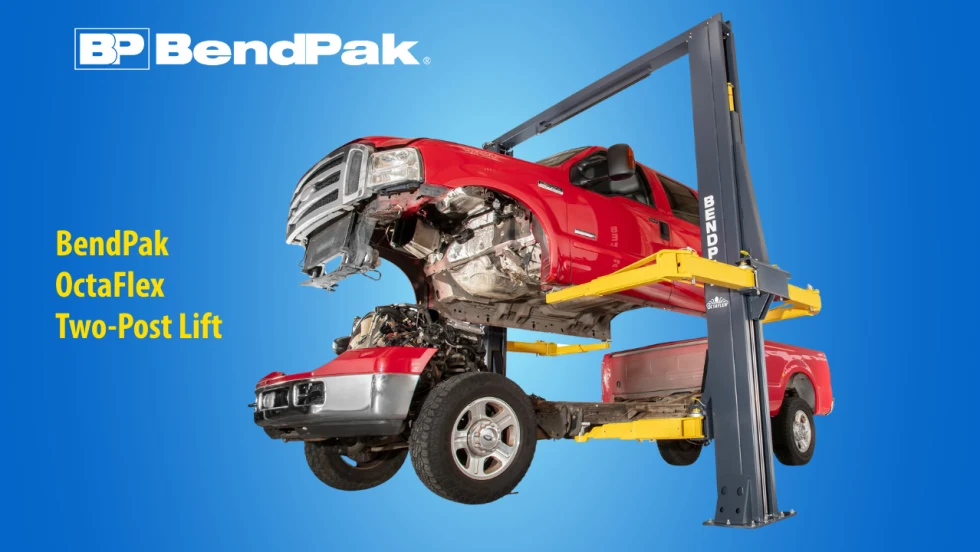
BendPak Delivers OctaFlex, World’s First Eight-Arm Lift
BendPak is now shipping its OctaFlex 12DPS two-post lift. OctaFlex makes cab-off repairs, EV battery replacement, and other demanding tasks. BendPak has spent the last two years refining it based on customer feedback and lab testing.
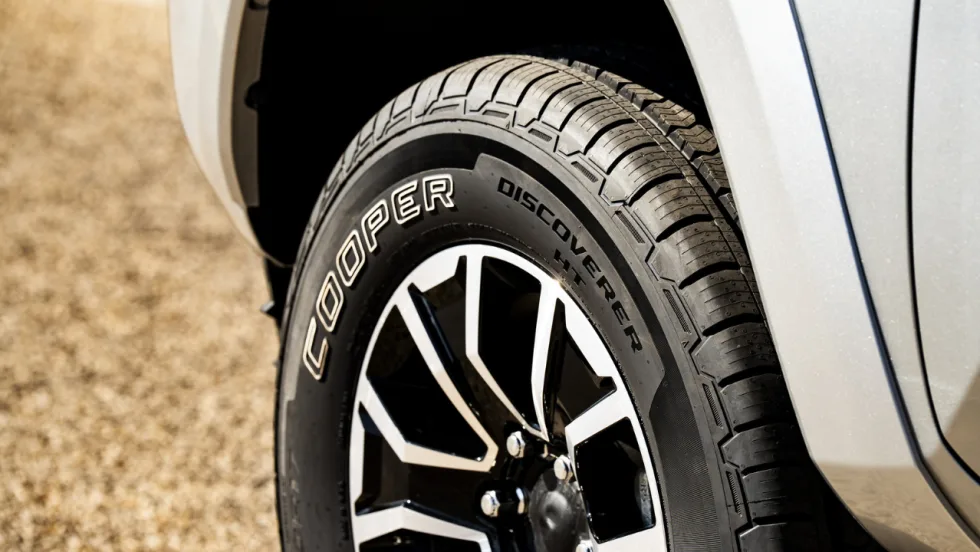
Cooper Tires Introduces the All-New Discoverer HT
The all-new Cooper Discoverer HT highway mixed-terrain tire promises consistent and reliable performance for the drivers who drive with purpose, depending on their vehicles every day.

Mack Trucks Enhances MyMack App to Improve Customer Productivity
Drivers can now access the Mack Trucks Digital Driver Guide through the MyMack app, rather than visiting websites or scanning a QR code. Mack continues to improve the app, which is available for download from the Apple Store and Google Play.
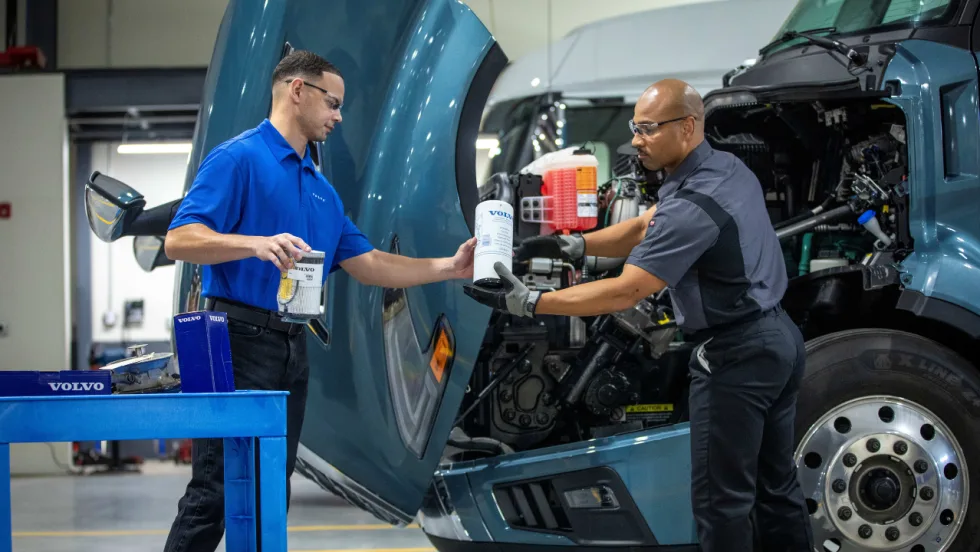
Volvo Trucks Launches New Silver Service Contract
Volvo Trucks North America is launching a new Silver Service Contract that adds powertrain repair coverage, helps maximize uptime, and gives fleets one predictable monthly payment.
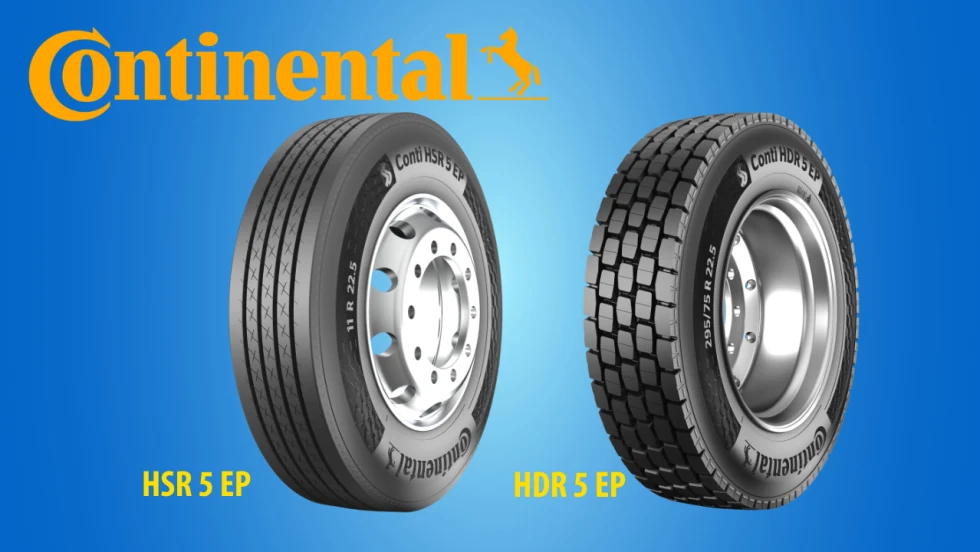
Continental Launches New Generation 5 Fuel-Efficient Regional Tires
The Conti HSR 5 EP and Conti HDR 5 EP are Continental’s new fuel-efficient regional tires, which were designed for regional applications, feature advanced tread, and deliver improved removal mileage compared to their predecessors.

The Repair Took Four Hours. Where Did the Other Six Days Go?
How fleets can find, measure and shrink administrative downtime with nothing more than their last 20 repair orders

Entegral & GEICO Partner to Enhance Auto Claims Experience
GEICO is deploying Entegral technology to support more efficient claim routing, clearer appointment communications, and more informed repair-provider selection.