




Downtime Truism: If the Wheels Don't Turn, You Don't Earn
Time in the shop, instead of on the road, means lost sales and less face time with customers, putting downward pressure on the bottom line. Downtime mitigation is key to controlling costs and helping to maximize fleet uptime.

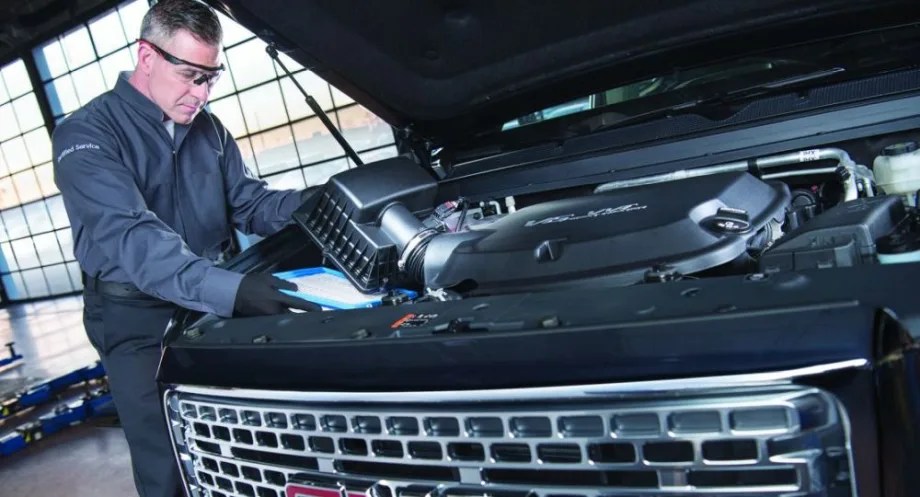
there’s more to vehicle downtime costs than service, repairs, and part replacement expenses.
Photo/General Motors
One of the perks of my job is getting to know truck professionals from around the world. An example is Hugh Sutherland, one of the foremost fleet experts in South Africa from whom I first heard the phrase: “If the wheels don’t turn, you don’t earn.” This pithy truism succinctly captures the essence of truck fleet management.
Work trucks are earning assets. To maximize truck productivity, optimize specifications, operating procedures, replacement strategies, and, just as important, minimize unscheduled downtime. The cost of unscheduled vehicle downtime can vary, but I’ve read reports that document the average per vehicle downtime costs ranging from $448 to $760 a day.
Vehicle downtime is a universal phenomenon that impacts all fleets — both good and bad fleets. What is manageable is the frequency of downtime; however, there is no industry consensus on the definition of “downtime.” Is downtime for all repair events or only for unscheduled events?
Similarly, metrics to track downtime vary by company. Downtime metrics can be the average downtime hours per day, days of downtime per event, vehicle downtime per month, total downtime hours, or a metric specific to an operation.
The two most common causes of unscheduled downtime are mechanical problems and accidents. Other causes of unscheduled downtime include:
Recalls that sideline a vehicle until the required modifications or repairs are made.
Expired tags/registration.
Registration renewal denied due to unpaid tolls, parking tickets, or moving violations.
Extreme weather damage to a vehicle.
Emergency road service for lockout, dead battery, or flat tire.
Some vehicle downtime is scheduled and predictable to comply with, like scheduled PM. Likewise, driver downtime can result from company-required attendance to sales meetings, conferences, or additional training.
Measuring the Hard and Soft Costs of Downtime
When a breakdown happens on the road, there are towing costs, labor for emergency repairs, and delays in delivering a product or service to the customer. However, there’s more to vehicle downtime costs than service, repairs, and part replacement expenses. Other costs associated with vehicle downtime include:
Lost vehicle revenue opportunity per day.
Costs associated with the loss of a driver’s productive time.
Costs imposed as a penalty when a load or service is not delivered or performed on time.
In addition, unexpected vehicle downtime caused by mechanical issues or accidents will have ramifications on your fleet’s productivity. When a vehicle breaks down, or need repairs due to an accident, drivers must spend time dealing with it, and that is time away from customers. When you can’t meet your targets and deadlines because you have a fleet truck is unavailable, your business will suffer. When drivers are not able to work due to a vehicle problem, they cannot produce revenue.
Time in the shop, instead of on the road, means lost sales and less face time with customers, putting downward pressure on the bottom line. Until a driver is back on the road, downtime will cause a company to incur both hard and soft expenses that can siphon thousands of dollars from a fleet’s budget.
Strategies to Reduce Downtime
Downtime mitigation is key to controlling costs and helping to maximize fleet uptime. The best ways to minimize vehicle downtime is with a proactive PM maintenance program, training drivers to practice safe driving behaviors, and keeping vehicles in the best condition possible with planned component repairs and driver inspections. The vehicle operator is the first line of defense against unexpected breakdowns and repairs.
Another important strategy to mitigate downtime is to have a planned vehicle replacement schedule to minimize the increased frequency of age-related vehicle downtime.
Even trucks that provide years of reliable service are ultimately destined to be financial liabilities sooner or later. Long-in-the-tooth trucks typically need repairs that require longer turnaround times, resulting in longer driver downtime, and are more expensive to return to service. By continually bringing newer vehicles into the fleet, you can slowly phase out older, more trouble-prone vehicles that will keep downtime and performance issues to a minimum.
Remember, if you keep the wheels turning, you’ll keep on earning.
Let me know what you think.
More Blog Posts

End-User Input Key to All Successful Upfits
The cornerstone to spec’ing a productive and safe upfit is for the fleet manager to fully understand the application. This involves talking with the end-users who will actually be using the equipment These are the people who know the equipment needed to perform their jobs safely, effectively, and efficiently.
Read More →
Trucks Are Corporate Assets, but so too Are Drivers & Technicians
Over the years, work trucks have evolved into mobile offices equipped with a variety of in-cab devices, however, these devices and equipment take space, creating an increasingly cramped cab, restricting the body movement of a driver, which can potentially lead to ergonomic injuries.
Read More →
10 Upfitting Proverbs From the School of Hard Knocks
A proverb is a phrase that gives real-world advice learned from practical experience. Upfitting is complicated and there are many opportunities to make mistakes, sometimes very expensive ones. Here are 10 proverbs for a successful upfit.
Read More →
Upfitter Backlogs Created by Strong Truck Demand
Strong demand for light- and medium-duty trucks in the 2018 model-year increased order-to-delivery (OTD) times, resulting in widespread upfitter backlogs despite reduced fleet allocation availability due to competing strong retail demand for trucks.
Read More →