




Upfitter Backlogs Created by Strong Truck Demand
Strong demand for light- and medium-duty trucks in the 2018 model-year increased order-to-delivery (OTD) times, resulting in widespread upfitter backlogs despite reduced fleet allocation availability due to competing strong retail demand for trucks.


The increased upfitter volume delayed some ship-thru units, impacting the overall order-to-delivery timeframe for both light-duty and medium-duty trucks.
Photo via Pixabay.
Strong demand for light- and medium-duty trucks in the 2018 model-year increased order-to-delivery (OTD) times, resulting in widespread upfitter backlogs despite reduced fleet allocation availability due to competing strong retail demand for trucks.
“Most suppliers are working at or beyond their normal production capacity. Due to labor constraints, many upfitters are unable to add production capacity as fast as they would like to,” said Jessica Krams, manager, vehicle order management for Wheels.
The increased upfitter volume delayed some ship-thru units, impacting the overall order-to-delivery timeframe for both light-duty and medium-duty trucks.
“Even non-complex upfitting along with standard service bodies have higher lead times. As order volume has increased specifically for truck and cargo vans so, too, has upfit demand. Although our upfit partners are ready to hire additional employees to meet the demand many of them are having challenges finding qualified candidates to fill these positions,” said Cindy Gomez, VP of vehicle acquisition for Donlen. “Also, as upfitters open new plant locations, the quality and consistency in the upfit has declined, resulting in a halt in production to correct these issues.”
Upfit supply and demand issues was a major concern in MY-2018, as many upfitters were unable to keep up with increased volume. In addition to delays caused by high order volumes, there were seasonal and fleet-specific surge volumes, which exasperated the backlog in production.
“During the 2018 model-year, lead time for service bodies increased on standard models from a typical six to eight weeks to 10-14 weeks and, in some instances, were as high as 40 weeks on custom service bodies,” said James Crocker, director of fleet operations for Merchants Fleet Management.
Railroads are the primary long-distance transporter of cars and trucks using specially designed, fully enclosed railcars that have either two or three levels within them. For the past 20 years, there has been a nationwide shortage of these autorack railcars that has not kept pace with auto industry growth, which has been a key factor behind fleet delivery delays.
The industrywide railcar shortage had a much greater impact in 2018 than it had the past two years. Demand for trucks, SUVs, and vans increased and these larger vehicles often require a bi-level railcar, which means fewer vehicles can be moved at one time. Particularly hard hit were the truck and van assembly plants and ramps. The plants were so backlogged with vehicles that car haulers were unable to bring vehicles to upfitters and could not bring upfitted vehicles back to the plant because they were out of space.
“Due to capacity issues at the upfitter plants, it impacted the timing of putting vehicles back into shipping, contributing to backups and delays in railcar traffic,” said Nick Erculiani, VP, acquisitions lifecycle for Element Fleet Management.
Ways to Minimize OTD Delays
It is in situations like today that makes advance planning crucial. There are several key actions that fleets can implement to improve OTD for the vehicles requiring upfitting, such as:
Order Early: Place orders as early as possible to avoid potential risks of delayed production due to high demand of certain popular models, quality holds, and uncontrollable transportation interruptions caused by a railcar shortage. “By placing orders earlier, it allows more time to ensure the product can be scheduled, built, shipped, upfitted, and delivered in the timeline required,” said Gomez of Donlen.
Use Bailment Pools: “For time-sensitive needs, increase the use of upfitter bailment pools and manufacturer pools, such as GM eFleet, Ford Rapid Order Pool, Toyota Emmediate, etc. When fleets have more urgent availability needs, other custom pooling solutions are sometimes pursued,” said Partha Ghosh, director, North American vehicle supply chain for ARI.
Anticipate Lead Time: Communicate with your FMC or upfitter to understand the anticipated lead time and overall production timeframes. OEM production timeframes will vary especially around start-up and build-out dates. Many times manufacturers will move build-out dates forward, catching many fleets off-guard. This results in the inability to place needed orders and will lead to delays in searching for stock units, which will come with an increased cost and not an exact chassis spec to conform to the developed upfit.
With today’s high volume of upfits driven by the strong economic activity in most business sectors, fleet managers will need to add flexibility to their scheduling metrics to address elongating OTD times. Today, many upfitters are operating at capacity, necessitating fleets be extra attentive to upfit specifications because any engineering change will even further delay OTD.
Let me know what you think.
More Blog Posts

End-User Input Key to All Successful Upfits
The cornerstone to spec’ing a productive and safe upfit is for the fleet manager to fully understand the application. This involves talking with the end-users who will actually be using the equipment These are the people who know the equipment needed to perform their jobs safely, effectively, and efficiently.
Read More →
Trucks Are Corporate Assets, but so too Are Drivers & Technicians
Over the years, work trucks have evolved into mobile offices equipped with a variety of in-cab devices, however, these devices and equipment take space, creating an increasingly cramped cab, restricting the body movement of a driver, which can potentially lead to ergonomic injuries.
Read More →
10 Upfitting Proverbs From the School of Hard Knocks
A proverb is a phrase that gives real-world advice learned from practical experience. Upfitting is complicated and there are many opportunities to make mistakes, sometimes very expensive ones. Here are 10 proverbs for a successful upfit.
Read More →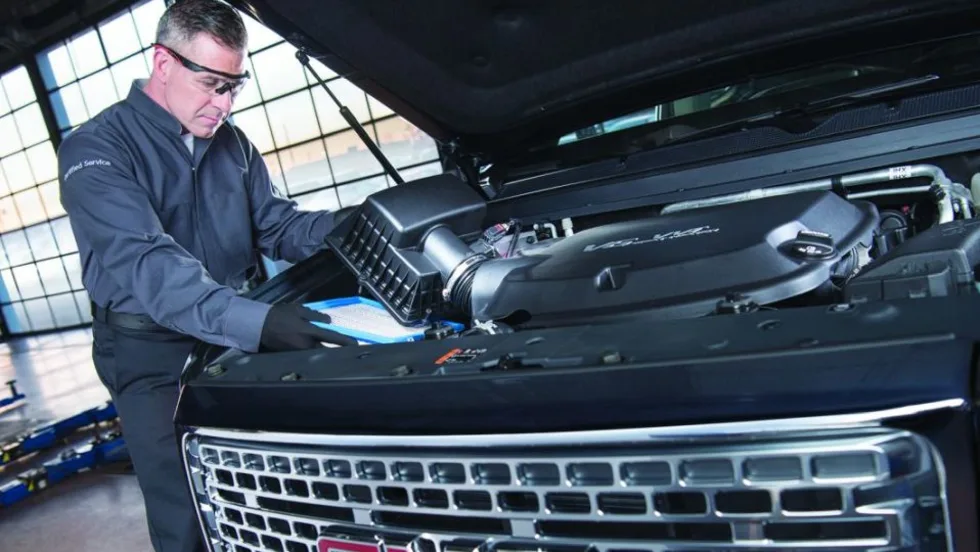
Downtime Truism: If the Wheels Don't Turn, You Don't Earn
Time in the shop, instead of on the road, means lost sales and less face time with customers, putting downward pressure on the bottom line. Downtime mitigation is key to controlling costs and helping to maximize fleet uptime.
Read More →