





Need a New Truck? We've got you covered on new models: 2024 Trucks & Vans for Commercial Fleets
Tips for Optimal Performance for Diesel-Powered Pickups
We have tips on how to ensure the best performance of your diesel-powered pickup trucks by API.
October 13, 2023

Do you have diesel trucks? Here is how to get optimal performance.
Photo: Work Truck
3 min to read
Diesel-powered pickup trucks are ideal for tasks such as hauling heavy loads and towing various recreational equipment.
Proper maintenance is crucial for both on- and off-road use to prevent expensive breakdowns and repairs during highway journeys.
One often overlooked but essential component for diesel vehicle owners is the proper care of diesel exhaust fluid (DEF).
DEF plays a vital role in enhancing emissions control while preserving your diesel engine's efficiency and performance benefits.
Comprising a blend of technically pure urea and purified water, DEF necessitates careful handling and storage to maintain its quality.
The quality of DEF utilized in your vehicle is as paramount as the quality of engine oils or fuels.
We have the top tips for keeping your truck running smoothly by using high-quality diesel exhaust fluid, according to American Petroleum Institute (API).
Navigating DEF Purchases on the Road
When on the road, identifying the brand of DEF can be challenging due to variations in state regulations.
While some states mandate the inclusion of manufacturer and brand information on receipts, others may not.
API recommended purchasing DEF clearly labeled with the manufacturer and brand at the service pump.

Proper maintenance is crucial for both on- and off-road use to prevent expensive breakdowns and repairs during highway journeys.
Photo: Canva
Ensuring Top-Tier Quality from Retail Purchases
When acquiring DEF from a retailer, several considerations ensure the infusion of a high-quality product into your diesel truck:
Look for the API certification mark on the bottle.
Store DEF away from direct sunlight in a cool, dry place within the retail location.
Inspect the packaging for signs of contamination or damage. Avoid purchasing compromised or unsealed DEF.
Check the expiration date on the packaging and use DEF before this date. Opt for the most recently delivered products in the absence of a date.
A Guide to Storage and Dispensing
Observing specific guidelines during DEF storage and dispensing is crucial:
Store DEF in a cool, shaded area to prevent direct sunlight exposure.
DEF stored at room temperature should have a shelf life of at least 12 months.
Use the oldest DEF first to avoid using expired products in your vehicle.
When filling your diesel truck with DEF, utilize dedicated equipment for dispensing, avoiding cross-contamination.
Clean dispensing equipment with distilled or de-ionized water followed by a DEF rinse, avoiding the use of tap water that may contain metals harmful to the emissions system.
DEF is integral to the effective operation of emissions systems in modern diesel-powered vehicles. With conscientious care, you can ensure that your pickup truck operates at its peak performance.
Cautions in Vehicle Storage
API strongly advises against prolonged DEF storage in a vehicle, particularly if the storage area routinely exceeds recommended temperatures indicated on the label. DEF stored at 86 degrees Fahrenheit and above may have a shelf life of only about six months, and exposure to direct sunlight can further reduce its effectiveness.
More Fuel

The Smart Way to Build a Mixed-Energy Fleet Isn’t About Picking a Side
Mixed-energy fleets aren’t about picking a winning fuel. Sarah Booth of WEX explains how vehicle data, duty cycles, charging strategy, and real-world costs can help fleets choose the right energy source for each job.
Read More →
Ignoring This Dashboard Warning Could Cost Your Fleet Thousands in Fuel
New research suggests neglected diesel aftertreatment systems could waste up to $30 in fuel per vehicle each day. Here's why vocational fleets should pay attention.
Read More →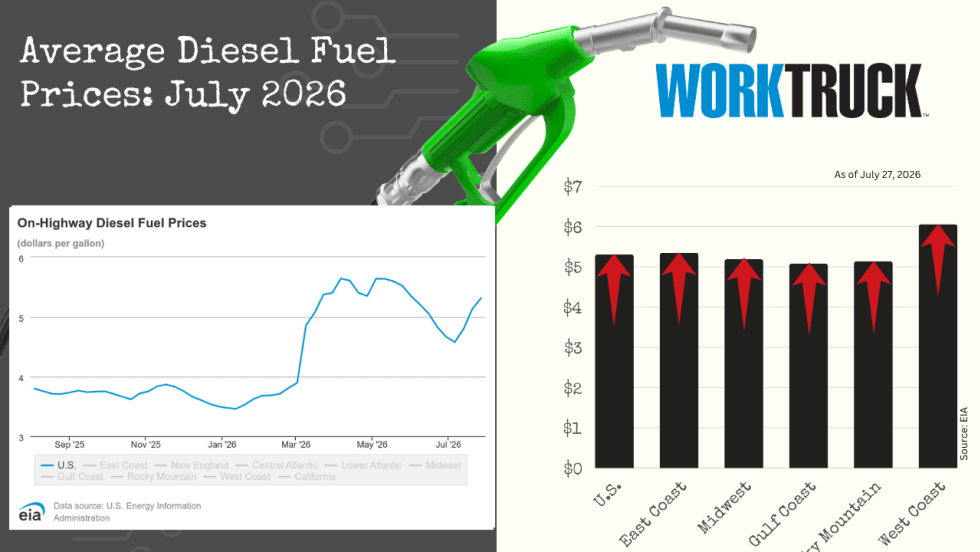
July Diesel Trends Update
The average price of a gallon of diesel increased again this week, and the EIA reported a new national average of $5.31 at the start of the week.
Read More →
WEX Brings Standard Fleet's Connected Vehicle Platform to Fleet Customers
This week’s product launch with Standard Fleet’s connected vehicle platform reflects WEX Venture Capital's strategy of turning startup innovation into customer solutions. Standard Fleet is now available to WEX fleet customers.
Read More →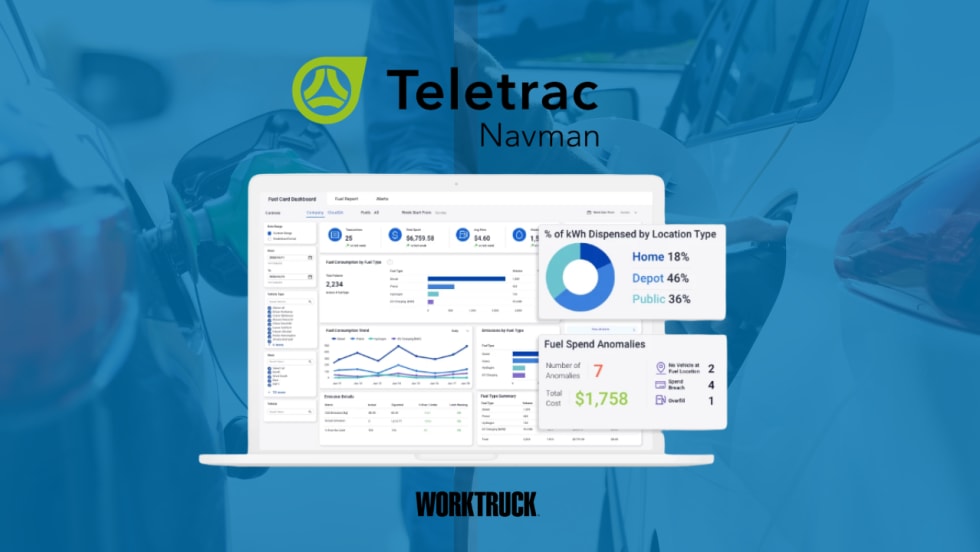
Teletrac Navman Adds Mixed-Energy Fleet Tools to TN360
The new Energy Hub combines fuel transactions, EV charging data, vehicle range, and energy costs in one dashboard for fleets operating multiple vehicle and energy types.
Read More →
WEX DriverDash adds CITGO, Expands Nationwide Access for Fleets
The DriverDash mobile payment app, by WEX, has been integrated into the CITGO merchant network, which means WEX has expanded its U.S. station footprint with the addition of approximately 4,000 CITGO locations.
Read More →
Mixed Energy Fleet Tips for Balancing EVs, Gas and Diesel Vehicles
Mixed energy fleets are becoming the new normal. Learn how fleet managers are balancing EVs, gas and diesel vehicles while controlling costs and planning for the future.
Read More →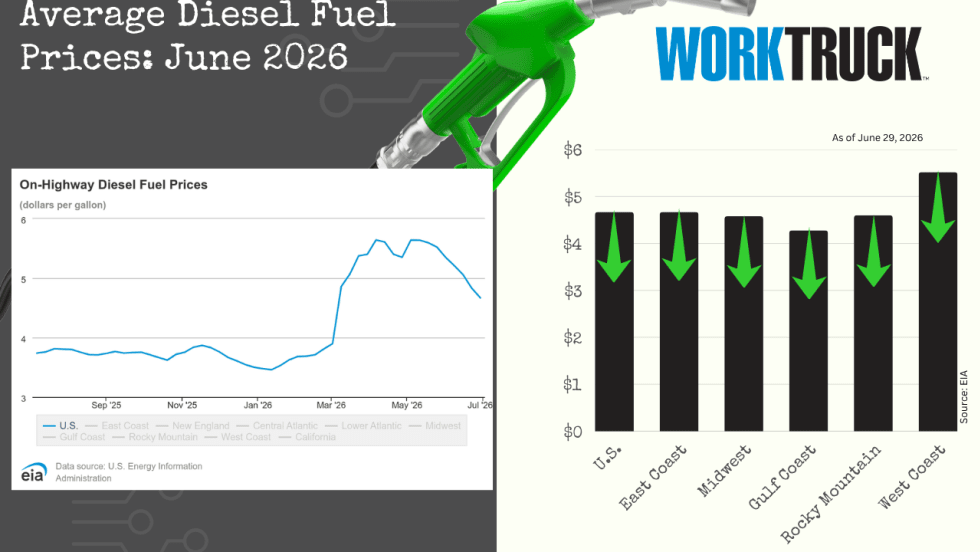
June Diesel Trends Update
The national average price of a gallon of diesel has dropped again, this week by more than 16 cents. All five regions reported lower average prices, ranging from almost 13 cents to more than 28 cents cheaper than a week ago.
Read More →
RoadFlex Launches RoadFlex Direct Open API Platform
RoadFlex Direct connects fuel cards, controls, and data to the telematics and fleet management systems fleets already run, from Geotab and Samsara to Fleetio and RTA, with no separate dashboard or double data entry.
Read More →
The Key to Fuel Efficiency Sits in the Cab
Learn how driver behavior, telematics, coaching, and fuel data can help fleets improve fuel efficiency, lower costs, and reduce emissions.
Read More →