A properly maintained vehicle that is operating at its best will ensure everyone stays safe and drivers make it home after each trip.
by John Kuder, AvatarFleet
June 7, 2021
Communication and consistency is key. Keep drivers informed and up-to-date on changes and ensure they know the benefits for the safety steps.
Photo: AvatarFleet
4 min to read
Your non-CDL light-duty vehicle drivers face tremendous risk out on the road. Other people, road conditions, and weather all create chances for severe accidents and injuries. Your drivers’ risk doesn’t stop there, however.
Ad Loading...
Your drivers also face the risk of breakdowns. Breakdowns create delays, wasted time, and unnecessary expenses for companies. Worse yet, breakdowns create unsafe conditions and situations for your employees.
Ad Loading...
If you want to protect your employees, increase productivity, and improve your bottom line, your drivers need to complete vehicle inspections at the start of each shift.
Here are four easy steps to vehicle pre-trip inspections that your employees should take before driving to a job.
Pre-Trip Inspection Checklist
There are several important steps any driver should follow before getting behind the wheel:
[1] Vehicle Walk-Around Inspection
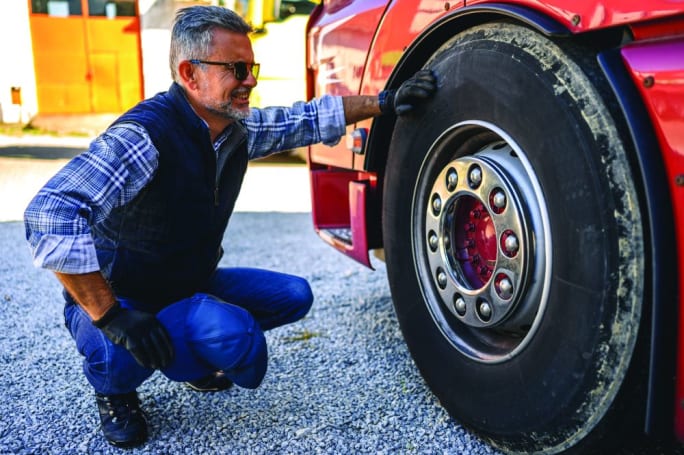
Before getting in the vehicle, drivers should walk around the vehicle looking for:
Fluid leaks.
Damage to vehicle.
Tire wear and tire.
Proper tire inflation.
Damaged mirrors or lights.
Ad Loading...
[2] Check the Engine
Check the critical engine fluids such as washer, oil, transmission, and coolant.
Check the hoses, visible wiring, and belts for noticeable wear and tear.
[3] Interior Vehicle Inspection
Inspect the inside of the vehicle, checking the seatbelts and other safety equipment.
Clean out the vehicle of any trash or debris, especially debris that might pose tripping hazards or obstruct your feet while driving.
[4] Start the Engine
Start the engine and look for warning lights such as check engine or maintenance required.
Check when the vehicle is due for an oil change.
Ensure all of your lights are operational — turn on the headlights, four-way flashers, and interior lights.
If possible, have someone outside verifying all lights are working.
Check the windshield wipers for proper operation.
Check the heater, defroster, and air conditioner.
Adjust your seat and then mirrors.
Effectively training drivers to do a pre-trip inspection will help avoid major breakdowns that can create unsafe conditions for drivers.
Photo: GETTYIMAGES.COM/BLUECINEMA
Proper Pre-Trip Inspection Tips
If you haven’t implemented any vehicle inspection requirement before, it can be challenging to get your drivers to properly complete them. Just because you say it needs done, doesn’t mean it will be done the right way.
Here are some tips to ensure your drivers have an easy time learning and completing vehicle pre-trip inspections:
Ad Loading...
[1] Host a Training Session
Gather your employees and introduce them to vehicle pre-trip inspections. Explain the steps, demonstrate how to do them, and give every employee a print-out listing all the steps.
Perhaps most importantly, start the training session with why these pre-trips will benefit your drivers. Employees are more likely to put forth the effort to learn something if they know what’s in it for them. Explain how pre-trip inspections will make their jobs easier and make them much safer.
[2] Stay Consistent
Remind your drivers that they should be completing these inspections the same way every time.
If they take the same steps in the same order for every vehicle inspection, it will become a habit. When it’s a habit, your drivers will be much less likely to miss a step.
[3] Create a Form
Your drivers should have a form they fill out as they inspect the vehicle. These are referred to as a Driver Vehicle Inspection Form (DVIR) in most industries.
An effective DVIR:
Ad Loading...
Lists each step.
Explains the condition each part of the vehicle should be in.
Provides checkboxes and comment sections to describe issues with the vehicle.
With a DVIR, you make it that much easier for drivers to complete inspections. They also help your maintenance department address issues.
Make Pre-Trip Inspections Company Policy
These four easy steps will help ensure breakdowns can be avoided. They make your company more efficient and much safer.
However, they don’t do anything on their own. It would be best if you made it company policy that drivers are required to complete these. No vehicle can be driven if it hasn’t been inspected, all issues need to be reported, and no driver should leave your company in an unsafe vehicle.
You will save money and time while preventing accidents with these inspections. Safe driving starts before your drivers even leave the parking lot!
About the Author: John Kuder is senior instructional desiger for AvatarFleet, makers of The Fleet Safety Course. This article was authored and edited according to WT editorial standards and style to provide useful information to our readers. Opinions expressed may not reflect that of WT.
Think trucks under 26,001 pounds are automatically in the clear when it comes to IRP? Not always. Learn where lighter vehicles can still run into trip permit, apportioned registration, and IFTA compliance requirements when crossing state or provincial lines.
One of the most important recommendations for professional drivers traveling with pets is to ensure pets are properly restrained while the truck is moving. Other tips are available in the new guide from Volvo Trucks North America and Center for Pet Safety.
The American Petroleum Institute offers a list of safe vehicle refueling guidelines, including ways to avoid potential problems with static electricity discharges in fall, winter, and early spring.
Cold weather can expose weak batteries, tires, fuel systems, and maintenance gaps fast. Use this winter fleet checklist to prepare trucks and drivers before temperatures drop.
Fleet service partnerships rarely fall apart all at once. Learn the three warning signs that trust is eroding and what fleets and providers can do before downtime, frustration, and lost revenue follow.
Applause has integrated TRUCE driving metrics directly into its employee-first performance and safety platform that transforms mobile devices into AI-powered telematics.
Do you want to see what it is like to experience Detroit Assurance’s Active Brake Assist? In this video, Work Truck will put you in the cab to see how it all works and then hear more details from DTNA’s Mike Young.
Violence risks do not stop at the driver’s door. Learn five practical steps fleets can take to spot threats early and protect workers before loss occurs.
Fleet leaders don't need more data, they need clearer visibility into what the data is saying. This case study explores how one utility replaced speeding-event counts with a single metric — miles driven in violation — to strengthen safety and significantly reduce speeding violations.