




Safety First: The Path to Crash Reduction in Fleet Management
Brake Safety Tips for Work Truck Fleets
Prioritizing brake maintenance for all fleets is critical. We’ve got the top tips on how to use technology to improve brake safety.

Hillary Weiss・Senior Editor
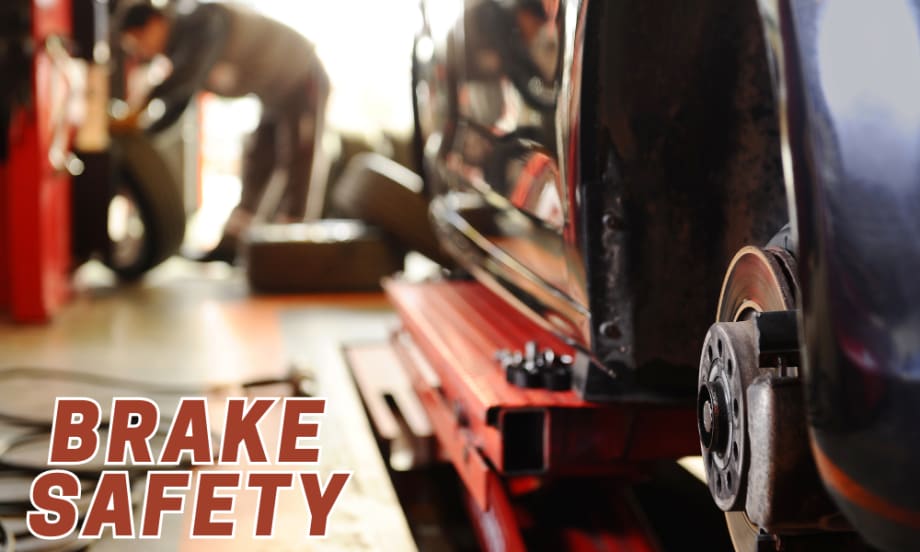
Integrating brake wear sensors and predictive maintenance technology is a game-changer for fleet safety and operational efficiency.
Photo: Work Truck
4 min to read
Safety is a top goal for any fleet manager.
Staying informed about the latest technologies and practices that can help monitor and improve your truck brakes is essential. And brake system safety goes beyond your brake pads.
Fred Fakkema, vice president of safety & compliance at Zonar, details how telematics, GPS technology, brake wear sensors, and predictive maintenance can enhance brake safety in your fleet.
How Your Brake System, Telematics, and GPS Technology Work Together
Telematics and GPS technology offer invaluable tools for monitoring and enhancing brake safety in work truck fleets.
Fakkema stated, "GPS and telematics technology can assist with brake safety in many ways."
To illustrate, fleets can monitor truck brakes effectively by employing an accelerometer, a device that detects hard acceleration and abrupt braking events.
The data collected through this technology can be conveniently accessed via a fleet management portal, enabling fleet managers to pinpoint where these incidents occur and enhance driver performance and behavior through targeted coaching.
Incorporating telematics and GPS technology into the mix further enhances brake safety measures by identifying drivers exhibiting risky behaviors, such as:
Excessive brake system use characterized by harsh braking.
Prolonged brake use.
Failure to downshift when necessary.
Leveraging this data empowers fleets to address these behaviors, improving brake safety across the entire fleet.
Brake Wear Sensors and Predictive Maintenance
Integrating brake wear sensors and predictive maintenance technology is a game-changer for fleet safety and operational efficiency.
Fakkema emphasized, "Brake wear sensors provide a 'real-time' view of the brakes, assisting drivers in thorough pre- and post-trip inspections."
These sensors are especially crucial in newer commercial motor vehicle (CMV) models, where brake linings may not always be visible during inspections.
Predictive maintenance offers real-time analytics to prevent unexpected breakdowns on the road. It allows motor carriers to address issues before they escalate into costly maintenance problems.
Fakkema pointed out that repairing CMVs at terminals is far more cost-effective than on the roadside. Additionally, fault detection aids in understanding what needs to be repaired when responding to incidents on the road, improving overall fleet safety.
Data Collection and Analysis to Prevent Poorly Maintained Brake Systems
Brake-related violations consistently rank among the top five infractions in North America each year. This underscores the critical importance of prioritizing brake maintenance for all carriers.
To enhance brake safety, fleet management software can collect various data points related to braking.
“Brake force is an important data point that should be collected if available. Officers and inspectors nationwide are utilizing the Performance Based Brake Tester (PBBT) more often, which can be used to measure the brake force,” Fakkema added.
Monitoring Driver Behavior During Brake Safety Week and Beyond
Monitoring driver behavior, especially concerning braking, is instrumental in identifying risky behavior patterns and improving overall fleet safety.
Technology can provide insights into hard braking and quick stops, enabling carriers to create driver scorecards and leverage gamification for performance improvement.
Gamification incentivizes safe driving practices, encouraging drivers to adopt better braking habits.
Fakkema said, “Since brakes are always a top roadside violation, fleets should have technology to identify risky braking behavior. Hard braking can wear the brakes out sooner and cause wear and tear on the braking system, which causes a safety risk and potential roadside violations.”
Embracing Tech to Enhance Safety
Brake safety is a vital aspect of fleet management in the work truck industry.
By embracing telematics, GPS technology, brake wear sensors, and predictive maintenance, fleet managers can proactively enhance brake safety, reduce maintenance costs, and ultimately, save road life.
Here are Fakkema’s top brake safety tips for work truck fleets:
Conduct Thorough Pre- and Post-Trip Inspections: Brake safety starts with rigorous pre- and post-trip inspections. Neglecting these inspections can lead to missed brake issues and potential safety hazards.
Prioritize Brake Maintenance: Brake-related violations should not be among the top concerns for your fleet. Make brake maintenance a top priority to ensure the safety of your drivers and the public.
Leverage Technology: Utilize available technology to its full potential. Monitor driver behavior and brake components to maintain a positive safety culture within your fleet.
As Fred Fakkema emphasized, "You can't just talk about it but do it" — take action to ensure the safety of your work truck brake systems.
Subscribe to Our Newsletter
More Maintenance
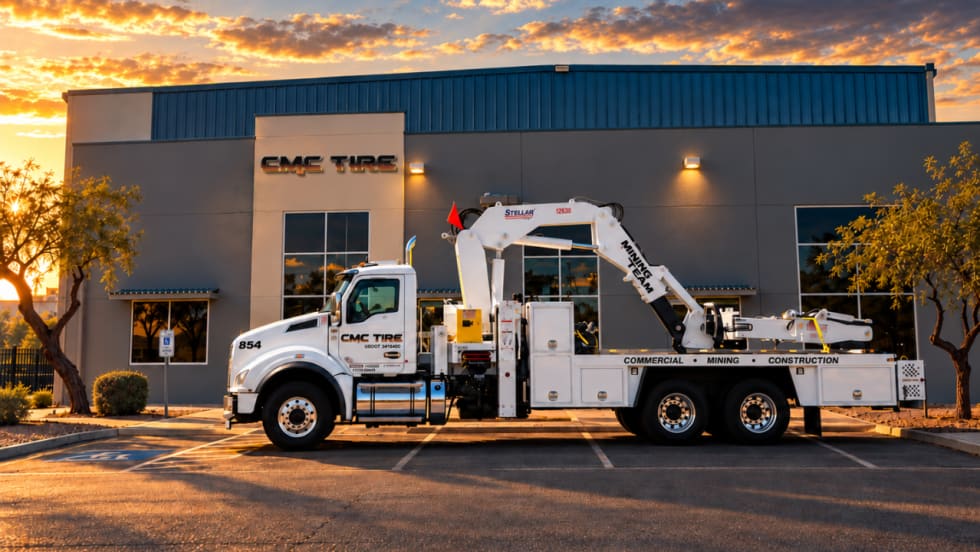
Les Schwab Expands Commercial Tire Footprint Into Arizona
Les Schwab Tires has expanded into Arizona with two commercial tire locations in Phoenix and Tucson, strengthening its fleet service footprint in the Southwest.
Read More →
Volvo Trucks’ 'Lock and Leave' Software Updates Go Live Across North America
Unattended over-the-air software updates are now available in Volvo trucks across the U.S. and Canada. The new capability lets trucks stay current with the latest software without interrupting operations or requiring a dealership visit.
Read More →
Why Technician Appreciation Can’t Be a Once-a-Year Thought
For fleets trying to keep skilled technicians, recognition cannot begin and end with Technician Appreciation Week. Learn what year-round appreciation really looks like and why the everyday technician experience matters just as much as pay when fleets are trying to keep good people.
Read More →
How Faster Driver Reporting Can Keep Small Truck Problems Small
When minor damage, warning lights, or equipment issues are reported late, small problems can quickly become bigger maintenance headaches. Conversational AI can help shorten the path from what a driver notices in the field to the person who can act on it.
Read More →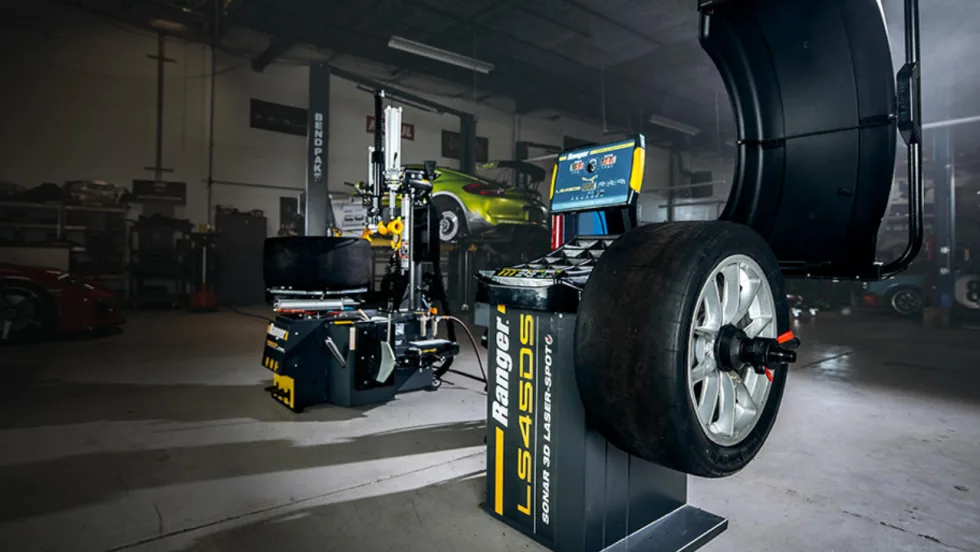
BendPak’s Ranger Wheel Service Equipment Achieves North American Safety Certification
BendPak’s full line of Ranger tire changers and wheel balancers has been ETL certified to UL and CSA standards to improve operator safety.
Read More →
Isuzu & U.S. Department of Labor Celebrate Milestone for Veterans Apprenticeship Program
The Isuzu Veterans Apprenticeship Program (IVAP) signing ceremony highlighted Isuzu’s long-term commitment to veterans, Isuzu dealers, and the skilled workforce supporting its customers and the commercial transportation industry.
Read More →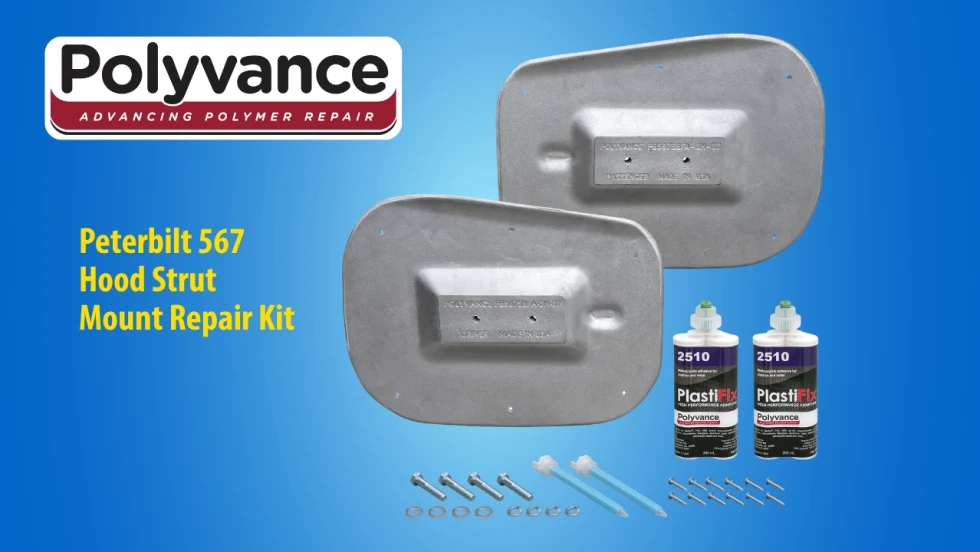
Polyvance Introduces New Peterbilt 567 Hood Strut Mount Repair Kit
Polyvance has launched a repair solution for Peterbilt 567 hood struts, helping truck owners and repair facilities avoid costly hood replacements.
Read More →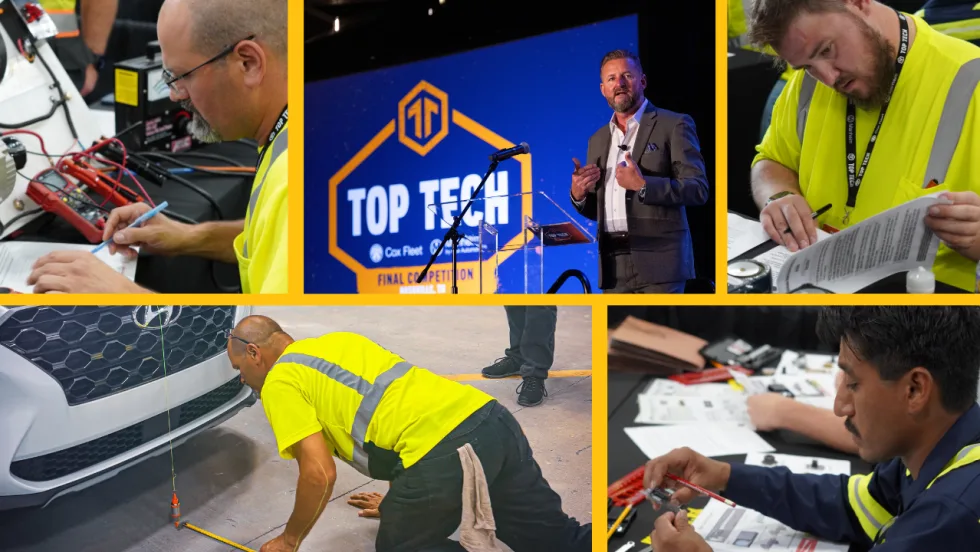
Cox Automotive Celebrates Technical Excellence at 2026 Top Tech Finals
The top technicians from Cox Fleet and Manheim tested their skills in Nashville, Tennessee, at Cox Automotive’s 2026 Top Tech Finals. The overall winners will advance to compete at the American Trucking Association’s TMC SuperTech competition.
Read More →
Grote Industries Appoints Vice President of North American Operations
Grote Industries has appointed Patrick Smith as vice president of North American operations as it celebrates 125 years of innovation and manufacturing excellence. He has more than 20 years of manufacturing leadership experience.
Read More →
Winter Fleet Prep: Expert Tips to Keep Vehicles Running Smoothly
Cold weather can expose weak batteries, tires, fuel systems, and maintenance gaps fast. Use this winter fleet checklist to prepare trucks and drivers before temperatures drop.
Read More →