




Safety First: The Path to Crash Reduction in Fleet Management
Brake Safety Tips for Work Truck Fleets
Prioritizing brake maintenance for all fleets is critical. We’ve got the top tips on how to use technology to improve brake safety.

Hillary Weiss・Senior Editor
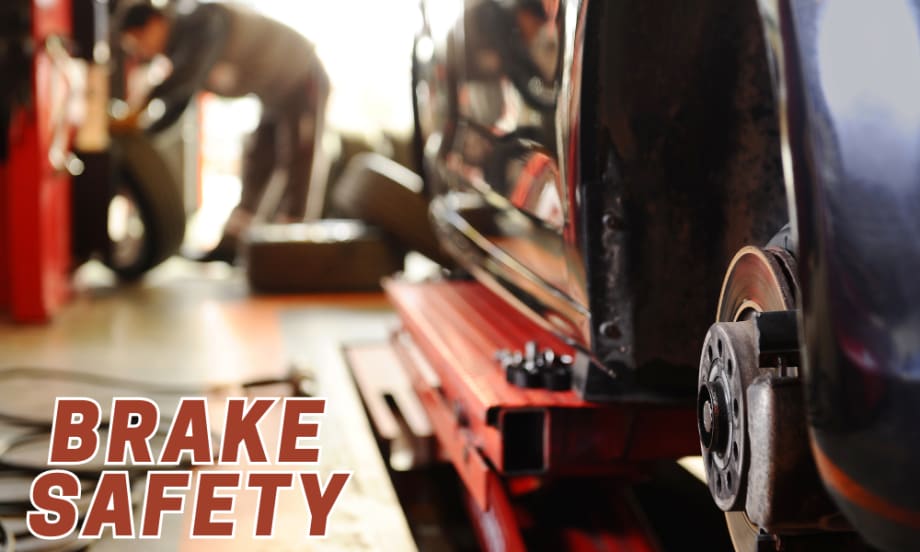
Integrating brake wear sensors and predictive maintenance technology is a game-changer for fleet safety and operational efficiency.
Photo: Work Truck
4 min to read
Safety is a top goal for any fleet manager.
Staying informed about the latest technologies and practices that can help monitor and improve your truck brakes is essential. And brake system safety goes beyond your brake pads.
Fred Fakkema, vice president of safety & compliance at Zonar, details how telematics, GPS technology, brake wear sensors, and predictive maintenance can enhance brake safety in your fleet.
How Your Brake System, Telematics, and GPS Technology Work Together
Telematics and GPS technology offer invaluable tools for monitoring and enhancing brake safety in work truck fleets.
Fakkema stated, "GPS and telematics technology can assist with brake safety in many ways."
To illustrate, fleets can monitor truck brakes effectively by employing an accelerometer, a device that detects hard acceleration and abrupt braking events.
The data collected through this technology can be conveniently accessed via a fleet management portal, enabling fleet managers to pinpoint where these incidents occur and enhance driver performance and behavior through targeted coaching.
Incorporating telematics and GPS technology into the mix further enhances brake safety measures by identifying drivers exhibiting risky behaviors, such as:
Excessive brake system use characterized by harsh braking.
Prolonged brake use.
Failure to downshift when necessary.
Leveraging this data empowers fleets to address these behaviors, improving brake safety across the entire fleet.
Brake Wear Sensors and Predictive Maintenance
Integrating brake wear sensors and predictive maintenance technology is a game-changer for fleet safety and operational efficiency.
Fakkema emphasized, "Brake wear sensors provide a 'real-time' view of the brakes, assisting drivers in thorough pre- and post-trip inspections."
These sensors are especially crucial in newer commercial motor vehicle (CMV) models, where brake linings may not always be visible during inspections.
Predictive maintenance offers real-time analytics to prevent unexpected breakdowns on the road. It allows motor carriers to address issues before they escalate into costly maintenance problems.
Fakkema pointed out that repairing CMVs at terminals is far more cost-effective than on the roadside. Additionally, fault detection aids in understanding what needs to be repaired when responding to incidents on the road, improving overall fleet safety.
Data Collection and Analysis to Prevent Poorly Maintained Brake Systems
Brake-related violations consistently rank among the top five infractions in North America each year. This underscores the critical importance of prioritizing brake maintenance for all carriers.
To enhance brake safety, fleet management software can collect various data points related to braking.
“Brake force is an important data point that should be collected if available. Officers and inspectors nationwide are utilizing the Performance Based Brake Tester (PBBT) more often, which can be used to measure the brake force,” Fakkema added.
Monitoring Driver Behavior During Brake Safety Week and Beyond
Monitoring driver behavior, especially concerning braking, is instrumental in identifying risky behavior patterns and improving overall fleet safety.
Technology can provide insights into hard braking and quick stops, enabling carriers to create driver scorecards and leverage gamification for performance improvement.
Gamification incentivizes safe driving practices, encouraging drivers to adopt better braking habits.
Fakkema said, “Since brakes are always a top roadside violation, fleets should have technology to identify risky braking behavior. Hard braking can wear the brakes out sooner and cause wear and tear on the braking system, which causes a safety risk and potential roadside violations.”
Embracing Tech to Enhance Safety
Brake safety is a vital aspect of fleet management in the work truck industry.
By embracing telematics, GPS technology, brake wear sensors, and predictive maintenance, fleet managers can proactively enhance brake safety, reduce maintenance costs, and ultimately, save road life.
Here are Fakkema’s top brake safety tips for work truck fleets:
Conduct Thorough Pre- and Post-Trip Inspections: Brake safety starts with rigorous pre- and post-trip inspections. Neglecting these inspections can lead to missed brake issues and potential safety hazards.
Prioritize Brake Maintenance: Brake-related violations should not be among the top concerns for your fleet. Make brake maintenance a top priority to ensure the safety of your drivers and the public.
Leverage Technology: Utilize available technology to its full potential. Monitor driver behavior and brake components to maintain a positive safety culture within your fleet.
As Fred Fakkema emphasized, "You can't just talk about it but do it" — take action to ensure the safety of your work truck brake systems.
Subscribe to Our Newsletter
More Maintenance & Uptime
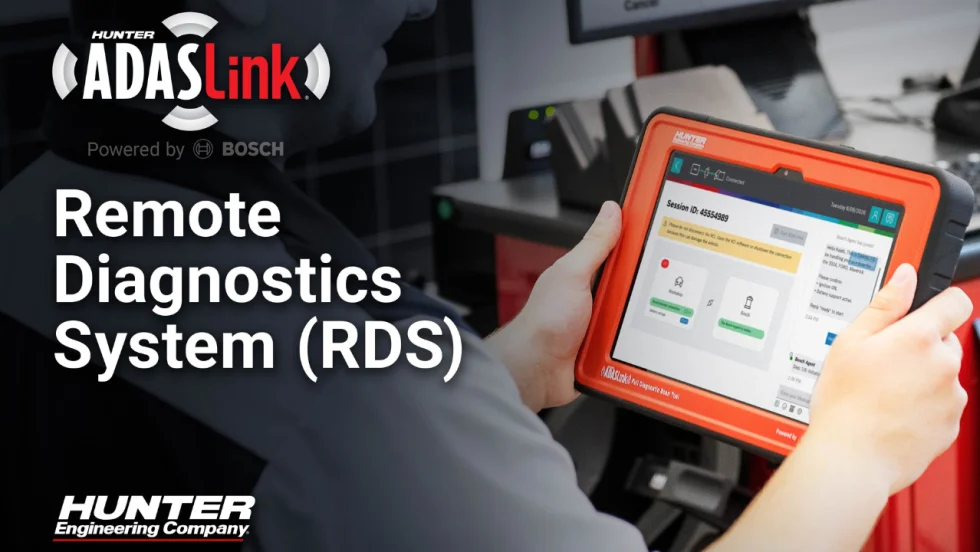
Hunter Engineering Enters Collaborates with Bosch for Remote Diagnostics Service Through ADASLink
Hunter Engineering’s collaboration with Bosch enables ADASLink to connect directly with Bosch diagnostic experts through an integrated remote support platform, allowing shops to service more vehicles.
Read More →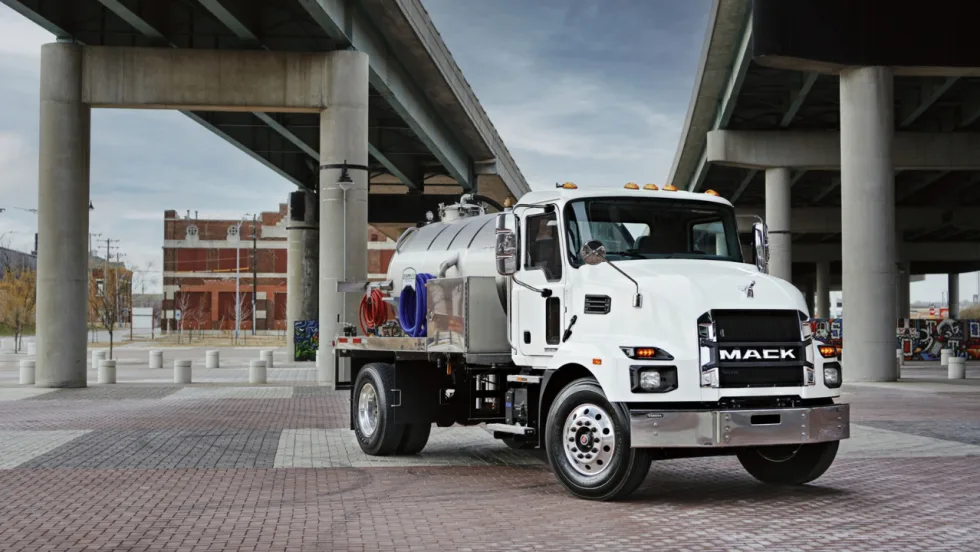
Mack Adds Chassis Coverage Options for Fleet Repair Costs
Mack Trucks introduced four system-specific chassis coverage plans, giving fleets more flexibility to manage repair costs for driveline, HVAC, electronics, safety systems, and other components.
Read More →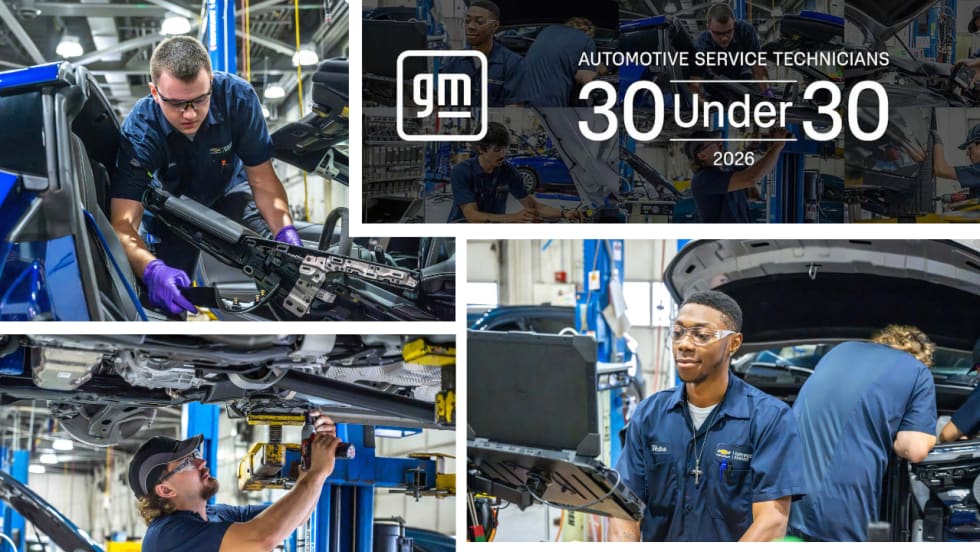
GM Launches ‘30 Under 30’ Program to Elevate Automotive Service Technicians and Inspire the Next Generation
The GM Automotive Service Technicians 30 Under 30 program honors GM service technicians under the age of 30 who demonstrate continuous technical training, exemplary customer service, mentorship, and leadership.
Read More →From Our Partners
How JASPER Keeps Fleets Moving and Profitable
Sponsored by Jasper Engines & Transmissions
Basic Tracking vs Next Generation Fleet Technology
Sponsored by AT&T Business
5 Facts Every Fleet Manager Should Know About Embedded Telematics
Sponsored by Stellantis/Mobilisights
How AI Video Telematics Boosts Driver Safety and Helps to Avoid Unnecessary Costs
Sponsored by Verizon Connect

Charting the 8 Bottom-Line Benefits of Workforce Optimization
Sponsored by Verizon Connect

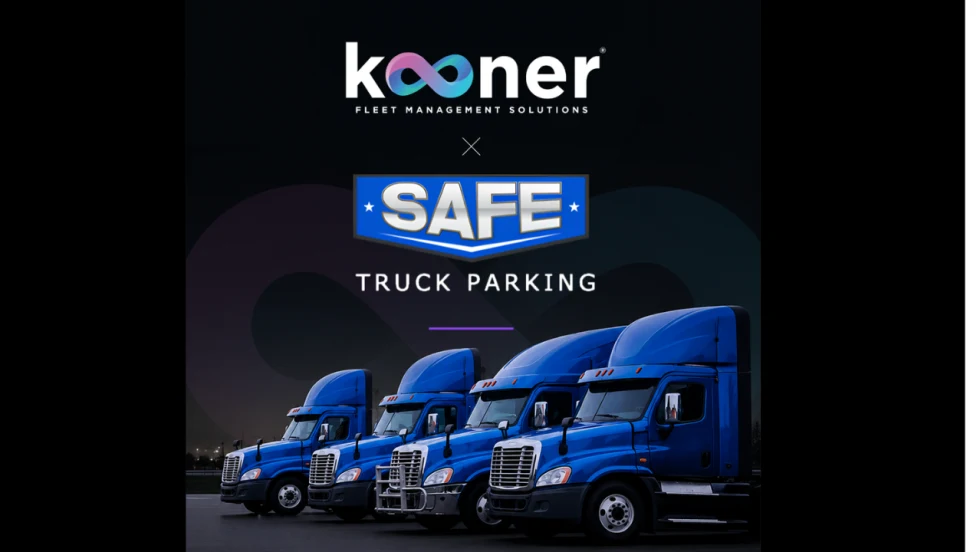
Kooner Fleet Management Solutions Named Exclusive On-Site Fleet Maintenance Provider for Safe Truck Parking
A strategic partnership between Kooner Fleet Management Solutions and Safe Truck Parking brings mobile maintenance and 24/7 repair services directly to Safe Truck Parking locations, beginning in San Diego, California, with nationwide expansion planned.
Read More →
Building a Better Vehicle Replacement Model
Meter readings still matter, but engine hours, idle time, maintenance trends, and utilization can help fleets spot costly vehicles before the odometer does.
Read More →
Sponsored•September 21, 2026
How JASPER Keeps Fleets Moving and Profitable
Every business decision within fleet management ultimately comes down to financial performance. Investing in dependable replacement powertrain components and responsive support can measurably impact the bottom line.
Read More →
Ryder Honors 2026 Top Technician at 25th Anniversary Skills Competition
Hosted in Nashville, Ryder’s 25th annual Top Technician Skills Competition honored the best technicians across the U.S. and Canada. Top Tech celebrates technician expertise while promoting growth, recognition, and camaraderie. Here are the winners.
Read More →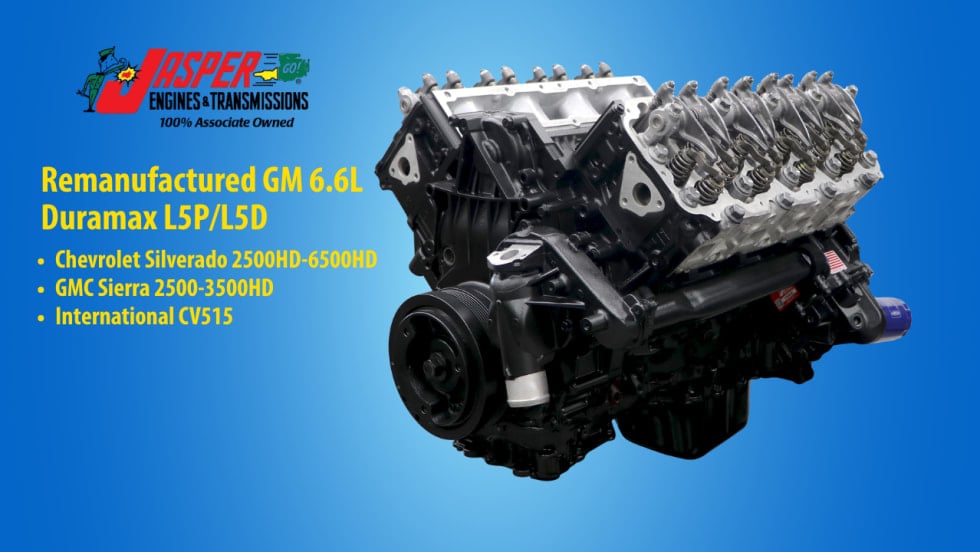
Jasper Offers GM 6.6L Duramax L5P/L5D Complete Format Diesel Engines
Jasper Engines & Transmissions now offers the remanufactured GM Duramax 6.6L L5P/L5D as a complete format engine for several General Motors and International 2017-2023 HD pickup trucks.
Read More →
Armor Equipment Strengthens Minnesota Service Capabilities with Acquisition of Dakota Truck
Armor Equipment has acquired Dakota Truck, a medium- and heavy-duty truck and trailer repair business based in Lakeville, Minnesota. The acquisition adds truck and trailer repair expertise, building on Armor’s expansion into the Upper Midwest.
Read More →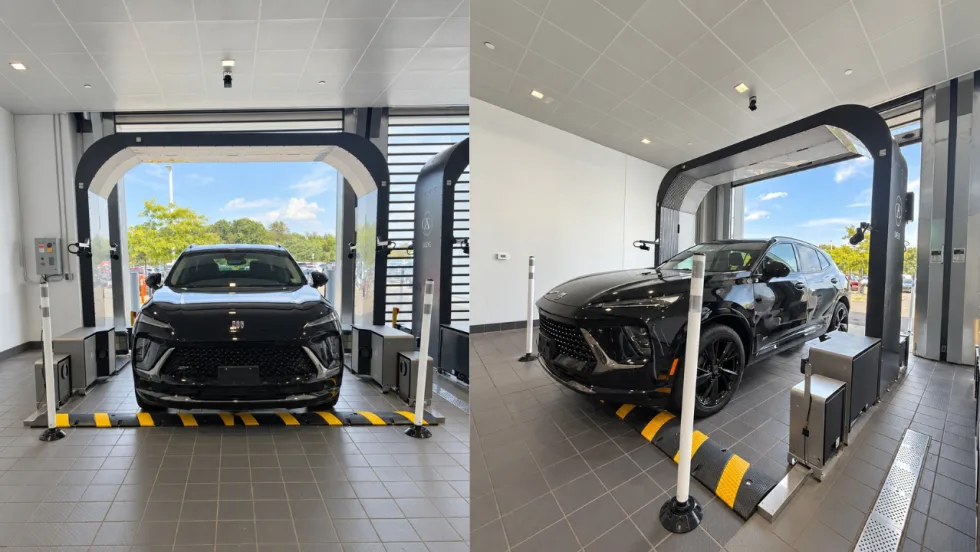
LaFontaine Partners With UVeye to Expand AI Vehicle Inspections in Michigan
LaFontaine is expanding UVeye AI vehicle inspections across Michigan, while UVeye tells Work Truck how the technology can support fleet maintenance and heavy-duty vehicle inspections.
Read More →