




2024 Work Truck Trends: Technology and AI Innovation Unlocks New Possibilities
AI and telematics are revolutionizing fleets in 2024, boosting safety, real-time decisions, and resilience. Are you ready to make smarter, data-driven moves?

AI and telematics: empowering fleets with real-time insights to improve safety, efficiency, and decision-making on the road.
Photo: Work Truck
Fleet management is undergoing a significant transformation as advanced technology, AI, and telematics solutions reshape operations. From improving safety and productivity to enhancing real-time decision-making, these tools drive efficiency and provide fleets with a competitive edge. In 2024, AI adoption, digitalization, and a sharper focus on actionable data have taken center stage for fleets across all segments.
This article is part of our seven-part series exploring 2024 commercial vehicle market trends, from new inventory recovery to evolving buyer behaviors.
AI: Turning Data into Decisions
Artificial intelligence (AI) has become an essential tool for modern fleets, moving beyond simple optimization tasks to real-time decision-making and operational resilience.
“AI-powered tools enabled fleets to adjust dynamically to changing road conditions, reroute around delays, and allocate resources more efficiently,” said Holly Cameron, Assistant Director, Corporate Communications & PR at Merchants Fleet. “This proactive approach often meant the difference between meeting tight delivery windows and costly downtime, giving fleets a competitive edge in time-sensitive industries like construction and logistics.”
AI’s ability to deliver actionable insights continues to evolve. Erin Gilchrist, VP of Fleet Evangelism at IntelliShift, added, “AI is a hot topic, opening up new possibilities in fleet management. With the Fleet Technology Index involving AI increasing by 75% from 2020 to 2024, AI solutions in fleet telematics have never been more in demand.”
Telematics: From Big Data to Best Data
As data volumes grow, fleets are prioritizing actionable insights over sheer data quantity.
“Managers only have so much time amid a heavy workload, and they need to maximize their coaching with drivers,” said Jeff Martin, VP of Global Sales Strategy at Lytx. “We saw managers shift focus from mass amounts of data they couldn’t process to the ‘best data’ — aligned with company KPIs and metrics. This keeps coaching simple and everyone aligned on a single focus.”
Telematics technology is central to this shift. “Telematics essentially puts fleet operators in the vehicle with their drivers,” explained Emily Graham, Director, Energy & Connectivity at Holman. “By monitoring high-risk behaviors such as speeding, harsh braking, and rapid acceleration, fleets can mitigate accidents, reduce wear-and-tear, and control operating costs.”
Combining telematics with driver scorecards and proactive coaching amplifies its impact. “When you combine telematics with tools like driver scorecards and training programs, you can have a profound impact on overall fleet performance,” Graham added.
Enhancing Safety and Accountability
Improving safety continues to be a key priority as road risks escalate. “The consensus is that our roadways are not improving and are affected by distracted, impaired, and aggressive driving — any of which can be deadly,” said Martin of Lytx. “As a result, fleets have intensified their training and have invested in their drivers with structured training centers and boot camps.”
AI and telematics for fleet play a growing role in driver safety by enabling real-time monitoring and corrective action.
“Advanced safety systems became more than just risk mitigators — they were productivity enhancers,” Cameron noted. “Collision prevention features and driver fatigue monitors reduced downtime caused by accidents, while telematics allowed managers to identify risky behaviors and coach drivers in real-time.”
The integration of video solutions is also making a difference. “This year, almost 50% of companies reported adding video monitoring, giving complete remote access to vehicles through dashcams,” said Gilchrist of IntelliShift. “These innovations are making fleet management safer, more efficient, and more cost-effective.”
Resilience Through Technology
Amid supply chain disruptions and shifting economic conditions, fleets are leveraging technology to remain agile and adaptable.
“Supply chain disruptions were a stark reminder that resilience is as critical as efficiency,” said Cameron. “Work truck fleets often had to make tough calls, like cannibalizing parts from sidelined vehicles or experimenting with aftermarket alternatives, reshaping how fleets approach lifecycle management.”
Telematics and tracking systems further enable real-time adjustments to optimize operations. “Fleet tracking technology gave managers the visibility to re-route if needed, equip customer call centers with current information, and make data-driven business decisions,” added Martin.
Medium-Duty Fleets: A Perfect Fit for Innovation
The medium-duty truck segment has emerged as a focal point for technology adoption, particularly in electrification and telematics. “The shift towards electric medium-duty work trucks continues to be a hot topic, driven by regulatory pressures and growing emphasis on sustainable practices,” said Mike Willey, Assistant General Manager at PacLease.
This segment’s suitability for EVs — manageable routes and payloads — aligns with fleets’ broader adoption of AI and telematics.
“These tools allow fleet managers to gain unparalleled insights into vehicle performance and driver behavior,” Willey said. “Using data analytics, fleets can optimize routes, reduce idle times, and enhance efficiency, leading to significant cost savings.”
The Future of Fleet Management
As technologies such as AI and telematics for fleet advance, they are helping fleets overcome road safety challenges, optimize operations, and improve productivity. Focusing on actionable insights and proactive decision-making will empower you as a fleet manager to make smarter, data-driven choices in real-time.
“From predictive maintenance to real-time route optimization, AI and telematics solutions are proving indispensable,” said Gilchrist. By leaning into these tools, fleets are surviving in a changing landscape and thriving with improved safety, accountability, and efficiency.
Check Out the Full 2024 Trends Series
Don’t miss the rest of the series:
Overall Market and Used Vehicle Outlook – A recovery in new inventory, challenges in used markets, aging fleets, and shifting buyer demands.
Navigating Disruptions: Supply Chain Resilience – How fleets are overcoming parts shortages and global challenges.
Emissions and Regulatory Impacts – What EPA mandates and CARB rules mean for your fleet.
Electrification and EV Adoption – Why medium-duty fleets are leading the EV charge.
Labor and Workforce Shortages – How fleets are fighting back with training and retention strategies.
Cost Management and Resiliency – Strategies to control TCO and build economic stability.
More Technology
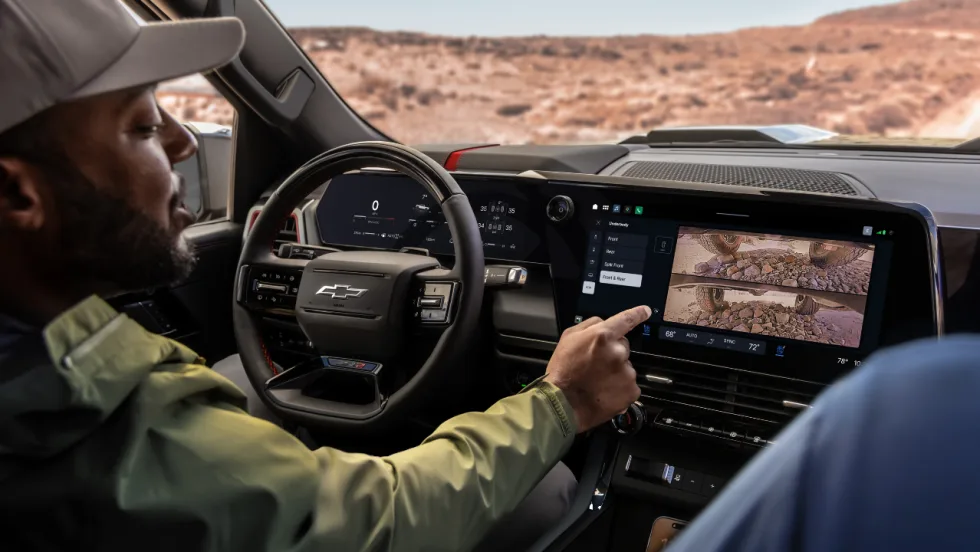
GM Brings New Truck Focused Interface to 2027 Silverado and Sierra
GM's new pickup interface puts trailering data, camera views, vehicle controls, and smartphone integration closer to the driver in the 2027 Silverado and Sierra.
Read More →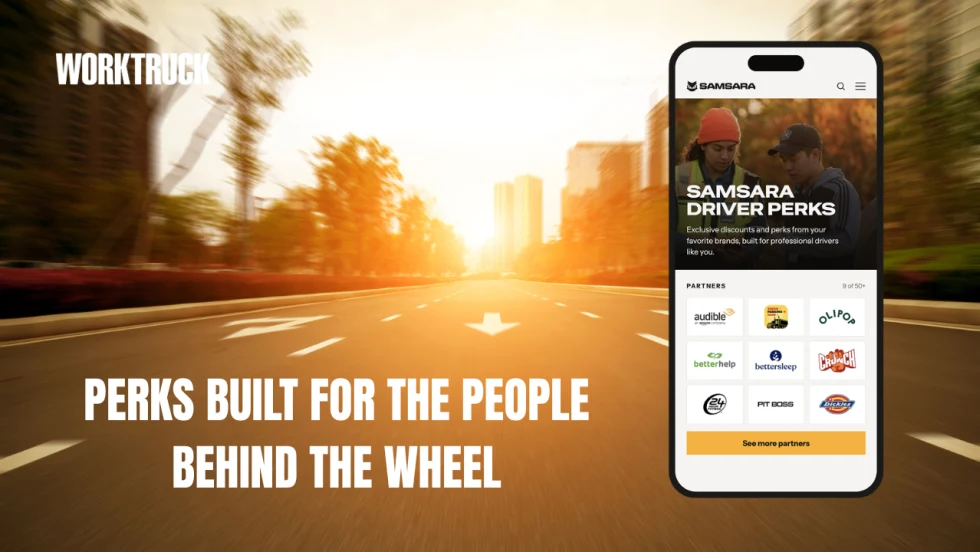
Samsara Driver Perks Expands Rewards Beyond the Long Haul Driver
Samsara’s new driver rewards program was built with a broader professional driver in mind, including employees who split their day between driving, job sites, service calls, and other work.
Read More →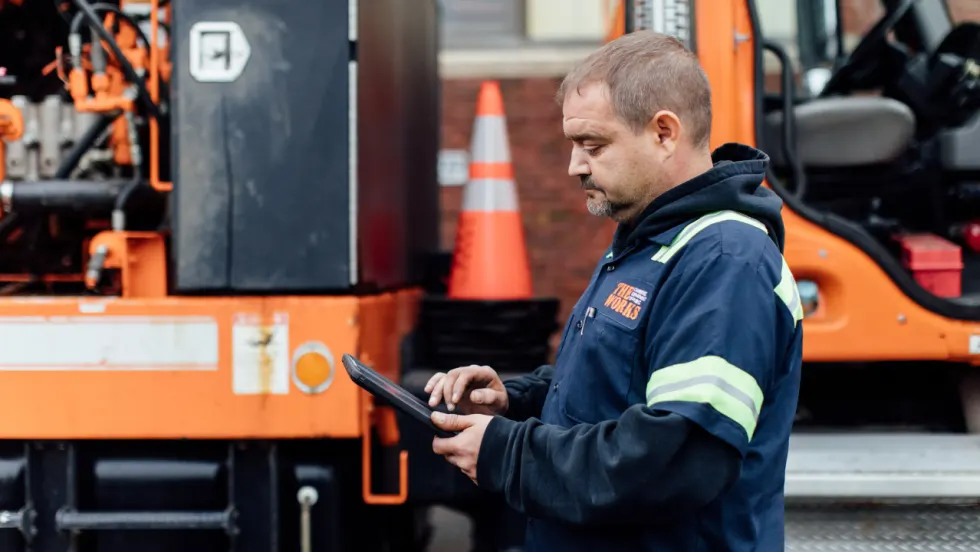
AI Service Advisor Aims to Cut Fleet Repair Downtime
Fleetio said its AI Service Advisor can help fleets cut repair downtime by an average of 2.5 hours per repair while reducing manual maintenance work.
Read More →
Verra Mobility Launches AI-Driven Title & Registration Solution
Verra Mobility has launched a new AI-driven Title & Registration platform to help fleets move vehicles from acquisition to the road the same day while reducing compliance risk.
Read More →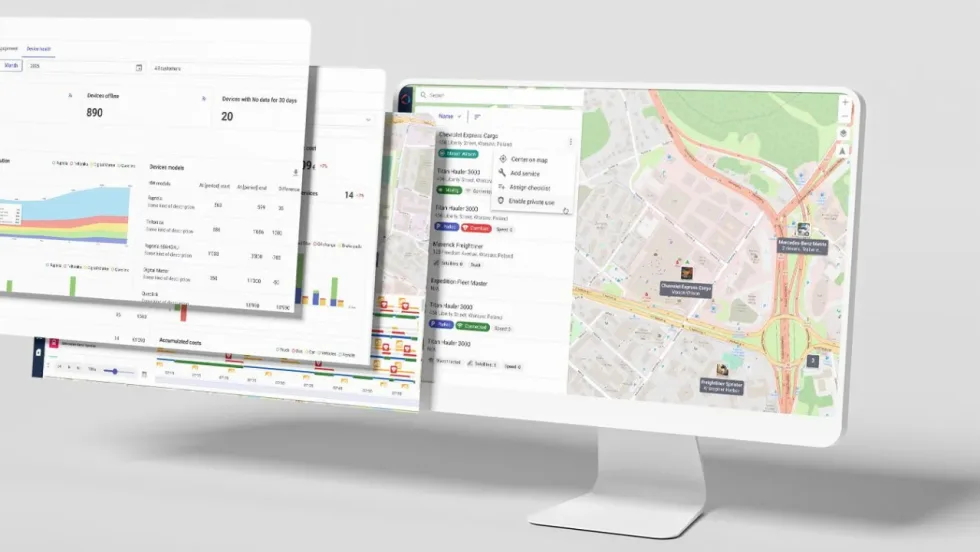
Wialon Unlocks OEM Data to Give Fleet Owners Data Ownership & Operational Clarity
Wialon has introduced hardware-free OEM integration as the EU Data Act accelerates the shift in vehicle data access across the fleet industry in many countries.
Read More →
Teletrac Navman Promotes New CEO from Within
Teletrac Navman’s next CEO, Ricardo Buranello, has served as the company’s chief financial and operating officer. He brings deep financial and operational expertise, a strong strategic orientation, and an intimate knowledge of the business to his new role.
Read More →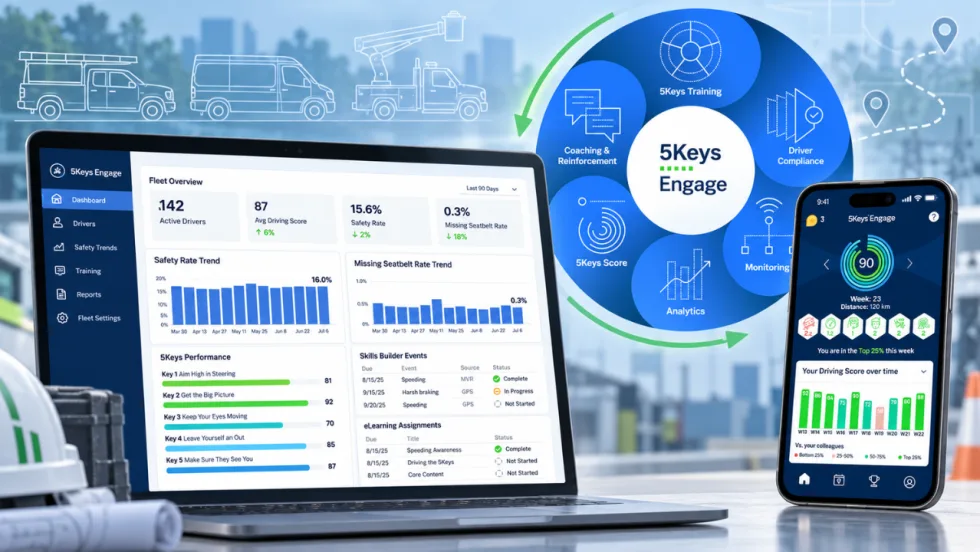
Smith System Wants Work Truck Fleets to Look Beyond the Driver Alert
Smith System’s new Driver Risk Management program is built to help mixed work truck fleets turn telematics alerts and observations into specific behaviors, coaching actions, and measurable follow-up.
Read More →
Ford Pro Software Updates: August 26
Check out the latest Ford Pro software updates, including Google Maps integration, Remote Vehicle Alarm integration, Motor Pool for easier management of shared pool vehicles, and more.
Read More →
Where AI Is Actually Saving Fleet Managers Time
AI is moving past the buzzword stage and into the daily fleet workflow. Fleetio’s Brianna Perry Lang breaks down where fleets are seeing real time savings, from maintenance and data entry to repair decisions, safety, and compliance
Read More →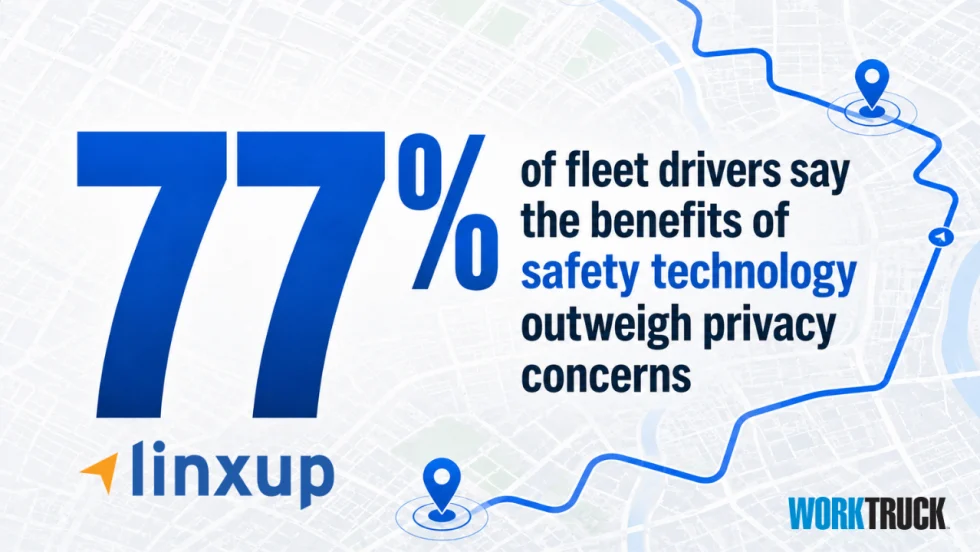
Are Work Truck Drivers Warming Up to Dash Cams and GPS Tracking?
A new survey finds field-service drivers may be more comfortable with dash cams and GPS tracking than fleet managers think, especially when the technology helps protect them after a crash.
Read More →