




2024 Work Truck Trends: Electrification and EV Adoption, Scaling for Success
Commercial fleets are scaling EV adoption in 2024. Medium-duty trucks lead the charge with data-driven strategies, proven ROI, and infrastructure growth.

Medium-duty trucks hit the EV sweet spot, proving electric vehicles deliver operational efficiency, lower costs, and sustainability for commercial fleets.
Photo: Work Truck
As electrification accelerates across the fleet industry, 2024 has been a pivotal year for commercial fleets transitioning to electric vehicles (EVs). Early adopters have begun scaling their programs, leveraging technology and data to optimize operations while addressing real-world challenges like infrastructure, costs, and operational efficiency. The medium-duty truck segment has emerged as the ideal proving ground for EV adoption.
This article is part of our seven-part series exploring 2024 commercial vehicle market trends, from new inventory recovery to evolving buyer behaviors.
Phased Adoption and Real-World Integration
The shift to EVs is no longer theoretical; businesses are moving from pilot programs to full-scale implementation. “In 2024, small, midsize, and large enterprise early adopters moved from EV pilots to broader implementation, and the business case for electrification became even more compelling,” said Matt Krukin, North America head of Ford Pro software and charging solutions.
Krukin emphasized the importance of a phased approach to mitigate challenges while maximizing benefits. “Commercial EV adoption is entering a ‘show not tell’ phase for businesses that are open to transitioning their fleets but want to clearly see why it’s a good long-term business decision,” Krukin explained.
One of the most significant progress indicators has been the sharp increase in charging infrastructure. “Demand for EV chargers is also up — for Ford Pro, up 82% year-over-year as of Q3 2024,” he added. This growth highlights adoption momentum and the importance of planning for charging infrastructure as fleets scale operations.
Data-Driven Decisions Drive Fleet Adoption
The role of data in EV adoption cannot be overstated. “Real-time data insights are revolutionizing the commercial EV landscape by providing valuable information to businesses on vehicle performance, energy consumption, and charging patterns,” Krukin said.
This data is critical for fleets to identify the best use cases for EVs, optimize vehicle routes, and schedule charging to avoid peak costs.
Beyond energy management, software-enabled technologies are streamlining overall operations. “From real-time vehicle tracking and route optimization to predictive maintenance, driver behavior analysis, and in-vehicle coaching, these tools are enhancing efficiency and reducing costs,” Krukin noted. “By harnessing this technology, businesses can make data-driven decisions, improve safety, and ultimately deliver a more reliable and sustainable service at a lower cost and increased margin.”
The insights offered by software solutions build confidence in EV adoption and accelerate fleet electrification by addressing operational concerns head-on.
Medium-Duty Truck Fleets: The Sweet Spot for EVs
For many fleets, the medium-duty truck segment has proven to be the most viable entry point for electrification. “As the industry works to find the right mix and timeline for ICE and alternative-fuel vehicles, 2024 confirmed that the medium-duty segment is in the current sweet spot for electrification,” said Ryan Gaul, President Commercial Vehicles at Workhorse.
Medium-duty vehicles, which often operate on predictable routes with manageable payloads and charging needs, have shown that EV technology can deliver real-world value. “These vehicles are proving EV technology is ready to deliver for fleets,” Gaul said.
Beyond sustainability, electrification offers resilience in uncertain economic and regulatory climates. “Fleets leaned into electrification not just for sustainability but for resilience,” Gaul explained. “Medium-duty EVs offer a stable alternative to volatile fuel prices and shifting regulatory environments. With lower maintenance costs and predictable energy use, they’ve become a dependable asset, regardless of external disruptions.”
Telematics and Analytics Enhance EV Efficiency
Telematics and data analytics further advance EV adoption, particularly in medium-duty fleets. “The shift towards electric medium-duty work trucks continues to be a hot topic, driven by regulatory pressures and growing emphasis on sustainable practices within fleet management,” said Mike Willey, Assistant General Manager at PacLease.
Willey emphasized how technology is helping fleets maximize efficiency during this transition. “Increased adoption of telematics systems has allowed fleet managers to gain unparalleled insights into vehicle performance and driver behavior,” Willey said. “Using data analytics, fleets can optimize routes, reduce idle times, and enhance overall efficiency, leading to significant cost savings.”
The ability to leverage data for decision-making allows fleets to manage the unique challenges of EV operations while delivering measurable benefits.
A New Era for Fleets
The electrification of commercial fleets is no longer a distant future but a current reality. Through phased adoption strategies, advanced telematics, and data-driven decision-making, fleet managers are scaling their EV programs with growing confidence. The medium-duty segment continues to lead the way, offering the perfect balance of operational stability, sustainability, and resilience.
As Gaul noted, “With EVs delivering lower maintenance costs, predictable energy use, and clear ROI, the case for medium-duty electrification is stronger than ever.”
Check Out the Full 2024 Trends Series
Don’t miss the rest of the series:
Overall Market and Used Vehicle Outlook – A recovery in new inventory, challenges in used markets, aging fleets, and shifting buyer demands.
Navigating Disruptions: Supply Chain Resilience – How fleets are overcoming parts shortages and global challenges.
Emissions and Regulatory Impacts – What EPA mandates and CARB rules mean for your fleet.
Technology and AI Innovation – Transforming safety, efficiency, and decision-making.
Labor and Workforce Shortages – How fleets are fighting back with training and retention strategies.
Cost Management and Resiliency – Strategies to control TCO and build economic stability.
More Sustainability
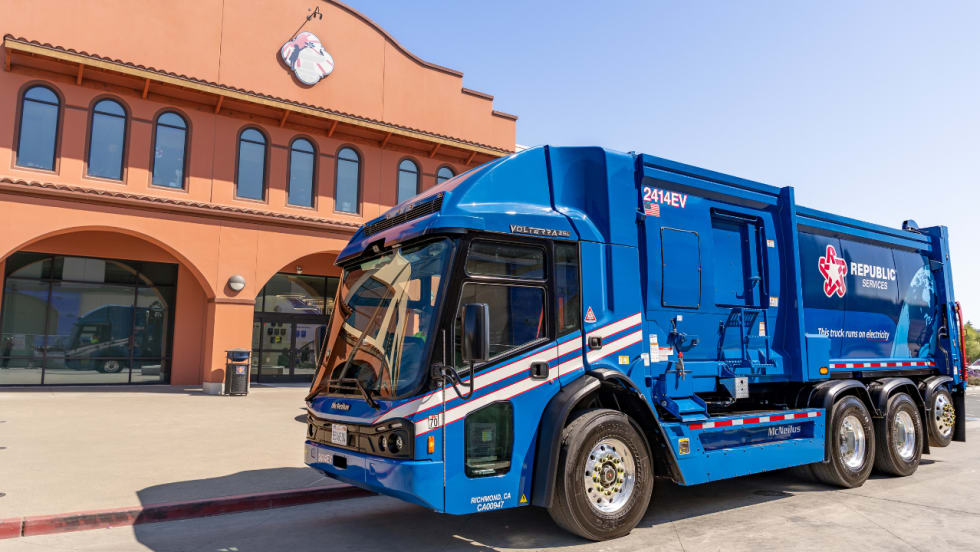
What Republic Services Learned Moving Electric Trucks Beyond the Pilot
With 250 electric refuse trucks now in service, Republic Services is learning that scaling a new powertrain depends as much on routes, drivers, technicians, and daily operations as it does on the truck itself.
Read More →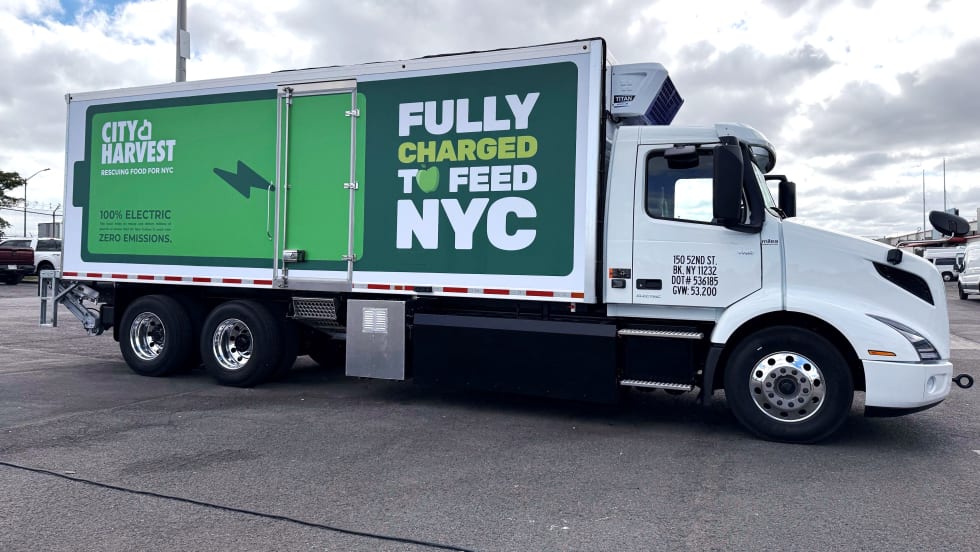
City Harvest Begins Using Volvo VNR Electric Trucks to Rescue Food Across New York City
Volvo Trucks North America and the Bronx Is Breathing project team handed over three new Volvo VNR Electric trucks to City Harvest, which will use the trucks to rescue and deliver food throughout the Bronx and across all five boroughs of New York.
Read More →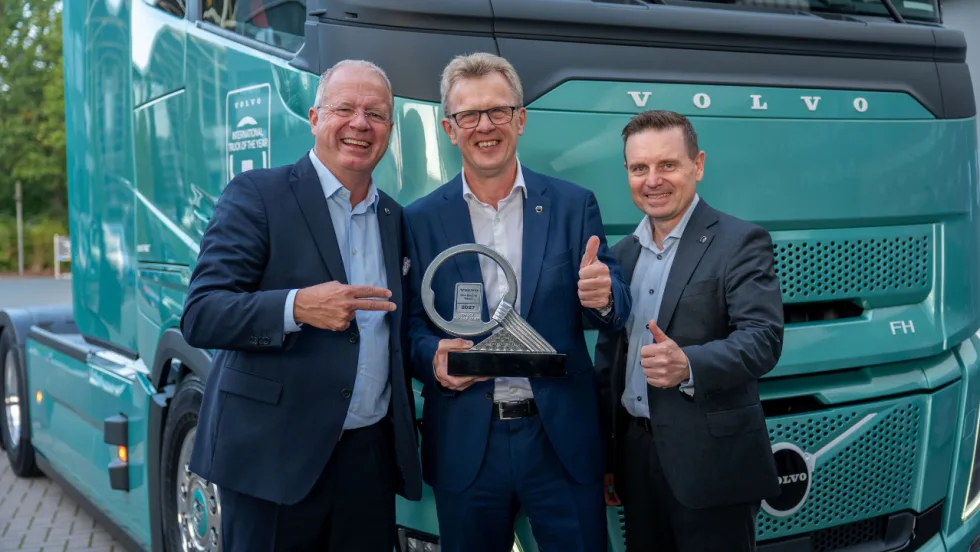
Volvo Trucks Wins International Truck of the Year 2027 for its Global Electric Range
Volvo Trucks' global heavy-duty electric range has been named International Truck of the Year 2027. Since 2019, more than 7,000 electric Volvo trucks have driven more than 310 million miles worldwide.
Read More →


Fleet Forward Conference Introduces One-Day Passes for 2026
New one-day registration gives fleet professionals the flexibility to attend Tuesday, Wednesday, or Thursday, with passes available for $199 through Sept. 18.
Read More →
CALSTART Rebrands as Catalyst Mobility, Will Combine with Forth in 2027
CALSTART has rebranded as Catalyst Mobility and will combine with Forth at the start of 2027. The new organization said it is poised to become one of the world's largest, strongest, and most impactful clean transportation nonprofits.
Read More →
Electric Truck and Charging Programs to Boost Sustainability at NY & NJ Ports
Together, the Port Authority of New York and New Jersey and CALSTART will electrify drayage and terminal operations serving the East Coast’s busiest container port. A pair of incentive programs totaling $45 million has launched to accelerate adoption of zero-emission drayage trucks and terminal tractors.
Read More →
The Smart Way to Build a Mixed-Energy Fleet Isn’t About Picking a Side
Mixed-energy fleets aren’t about picking a winning fuel. Sarah Booth of WEX explains how vehicle data, duty cycles, charging strategy, and real-world costs can help fleets choose the right energy source for each job.
Read More →
Xos Hub Surpasses One Gigawatt-Hour of Energy Delivered in the Field
A single Xos Hub has surpassed one gigawatt-hour of energy across more than 33,600 charging sessions in the field, demonstrating performance that supports Xos' expansion across new products and markets.
Read More →
Carrier Transicold Launches All-Electric Vector 8200 TRU for Diesel-Free On-Site Cold Storage
Carrier Transicold’s first engineless multi-temperature TRU helps fresh- and frozen-food fleets add supplemental cold storage capacity during seasonal peaks.
Read More →
Narro Trucks Introduces Electric Utility Vehicle
Narro Trucks officially launched its operations on Aug. 20 and hosted a ride and drive to showcase its electric truck, which will be produced in Virginia.
Read More →