





Sawatch Labs Guides Fleets Through the Transition to Electrification
The Smart Way to Build a Mixed-Energy Fleet Isn’t About Picking a Side
Mixed-energy fleets aren’t about picking a winning fuel. Sarah Booth of WEX explains how vehicle data, duty cycles, charging strategy, and real-world costs can help fleets choose the right energy source for each job.
September 3, 2026

There may be more than one route to an optimized fleet. Matching energy sources to specific duty cycles, operating environments, and vehicle needs can help fleets build the right mix rather than search for a single solution.
Credit:
Work Truck | This image was edited with OpenAI. Please refer to our terms of use.
7 min to read
- Mixed-energy fleets focus on using data and operational needs rather than selecting a single fuel type.
- Key factors in choosing energy sources include vehicle data, duty cycles, and charging strategy.
- Real-world costs are crucial in determining the most efficient and effective energy options for fleets.
*Summarized by AI
For fleets weighing gasoline, diesel, electric, and other energy sources, the question is no longer which fuel will ultimately win. A better question is much more practical: What works best for this vehicle, doing this job, in this operation?
That shift in thinking is central to how Sarah Booth, senior director of EV & Connected Fleet at WEX, believes fleets should approach mixed-energy operations.
Rather than viewing electrification as a wholesale replacement strategy, Booth sees fleets gradually adding electric vehicles (EVs) where the operating case makes sense while continuing to rely on traditional fuels in applications where they remain the better fit.
“We know that’s not how fleets operate,” Booth said of the idea that electrification means replacing an entire fleet. “You don’t replace all of your vehicles anyway, regardless of what fuel type you’re using.”
Instead, the transition is increasingly happening vehicle by vehicle and application by application, with route profiles, duty cycles, infrastructure, operating costs, and real-world vehicle data helping determine where each powertrain belongs.
Prefer to watch? Check out the interview embedded below or keep scrolling to keep reading!
Stop Treating Electrification as All or Nothing
One of the biggest misconceptions Booth encounters is that a fleet needs to commit to electrification for EV adoption to be worthwhile. But fleets having the most success are often doing the opposite.
“They’re doing it by starting small, by being strategic about it, finding where EVs work operationally and save them money, getting learnings from that, and then leveraging those decisions and experiences to identify where EVs might work in the next round,” Booth said.
That can mean electrifying light-duty vehicles operating in predictable urban applications while continuing to use gasoline or diesel for longer routes or other demanding applications. It also gives fleet managers something valuable that a theoretical transition plan cannot provide: their own operating experience.
The first EVs can become a test case for charging practices, driver behavior, energy consumption, maintenance, utilization, and costs. Those lessons can then shape the next round of replacements rather than asking a fleet to make a multi-year decision based primarily on assumptions.
Start With the Work the Vehicle Actually Does
Booth recommends a portfolio approach to fleet energy. Instead of asking which fuel is best overall, fleets can ask which option is best for a particular application. Even two similar vehicles within the same organization may have very different answers depending on where, how, and how often they operate. That makes operational data increasingly important.
“As much as you can pull that data off the vehicle, you’re going to get real-world understanding of how that vehicle’s operating and what it needs,” Booth said.
For EVs in particular, that analysis needs to go deeper than mileage alone. Booth cautioned against focusing too heavily on whether a vehicle travels a certain number of miles each day. Speed, payload, terrain, temperature, stop-and-go operation, and other factors all influence how much energy a vehicle actually needs to complete its work.
“What you want to know is what are the energy needs for that vehicle to get from A to Z throughout the day,” she said.
That distinction can also challenge another common assumption: that the lowest-mileage vehicles should automatically be the first ones replaced by EVs. A low-mileage vehicle may provide an easy operational fit, but if it is barely driven, the fleet may also be limiting the potential fuel savings that helped justify the EV in the first place.
A better target may be a vehicle that travels more miles but still has a predictable duty cycle that an EV can comfortably serve.
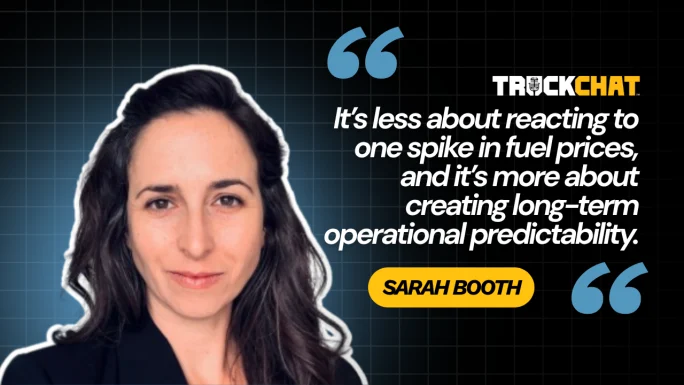
Fuel prices may influence the conversation, but Sarah Booth of WEX says fleets should focus on long-term operational predictability and evaluate the full cost and requirements of each energy option.
Credit:
Work Truck
Fuel Price Volatility Is Only Part of the TCO Story
Fuel prices can push electrification back into the spotlight, but Booth said fleet decisions tend to be more strategic than simply reacting to the latest spike at the pump.
“It’s less about reacting to one spike in fuel prices, and it’s more about creating long-term operational predictability,” she said.
For vehicles charged primarily at a depot or an employee’s home, electricity costs can offer greater predictability than gasoline or diesel. But Booth stressed that energy price is still only one part of the total cost of ownership calculation.
Maintenance, downtime, acquisition costs, infrastructure, utilization, and other operating expenses still need to be considered. The larger opportunity is scenario planning.
Rather than basing a replacement decision on today’s fuel price, fleets can model how the economics change under different gasoline, diesel, and electricity costs. That creates a more resilient business case and helps fleet managers understand whether an EV still makes sense if market conditions move in either direction.
Plan Charging Before the Vehicles Arrive
Fleet managers naturally spend significant time evaluating the vehicle itself. Booth believes charging deserves that same attention much earlier in the process.
“Fleets have a really big focus on the vehicle, and they might underestimate the amount of time that needs to go into planning around their charging strategy,” she said.
Before ordering vehicles, fleets should understand when and how long those vehicles dwell, how much charging they will require, what electrical capacity already exists at the facility, and what additional infrastructure may eventually be needed. That requires bringing facilities teams and utilities into the conversation early.
Booth has seen what happens when the pieces do not move together: “We definitely have worked with fleets that were able to get the vehicles ahead of the chargers, and then they ended up in a bit of a pickle,” she shared.
Planning should also extend beyond the first handful of EVs. If a fleet expects to add vehicles each year for the next three years, infrastructure decisions made today should account for where that growth is heading.
At the same time, fleets do not want to overbuild. Chargers require capital and physical space, so accurate planning matters for both sides of the equation. The goal is enough infrastructure to keep vehicles ready for the next shift without paying for equipment the fleet does not need.

Mixed-energy fleet planning does not have to be an either-or decision. Gasoline, diesel, electric, propane, and other options can each have a place depending on how and where a vehicle works.
Credit:
Work Truck
Mixed Energy Should Not Mean Multiple Silos
As fleets diversify their powertrains, another challenge emerges: keeping the operation from becoming fragmented. Drivers should not need a collection of cards and charging apps simply because the fleet has multiple energy sources. Fleet managers similarly should not have to bounce between systems to compare gasoline, diesel, charging, and telematics information.
“You definitely don’t want your drivers out there with multiple apps or multiple RFID cards,” Booth said. “You want to keep it as simple and straightforward as possible.”
Booth expects greater interoperability and consolidation as mixed-energy fleets become more common, allowing energy and vehicle data to flow into fewer fleet management systems. That matters because adding another powertrain should not mean adding another isolated management process.
Fleets have always optimized different vehicle types for different jobs. A pickup, van, sedan, and Class 8 truck already serve different purposes within the same fleet. Mixed-energy management adds another variable to that familiar exercise.
As Booth put it, fleets “have been doing this type of optimization forever; it’s just one more component.”
Watch Where Real-World Data Changes the Assumptions
The next few years should give fleets much more information about where electrification works particularly well and where it does not. Booth is especially interested in the data emerging from medium- and heavy-duty EV deployments.
She pointed to one Class 8 electric vehicle operated by a fleet she has worked with that is performing better than originally expected. Its operating environment includes constant stop-and-go traffic, allowing it to benefit heavily from regenerative braking.
“It’s outperforming what we expected,” Booth said. “This gets to the not-all-miles-are-created-equal.”
Cases like that illustrate why fleet managers may want to remain open to results that challenge their original assumptions. As more vehicles enter service, fleets will gain a clearer picture of which routes, duty cycles, climates, loads, and operating environments create the strongest opportunities.
Charging infrastructure will continue maturing. Vehicle and energy data will become more integrated. And longer-term possibilities such as vehicle-to-grid technology could eventually create new ways for fleets to manage energy and offset vehicle costs.
But fleets do not need to predict exactly how those developments will unfold before making decisions today. The more immediate task is simpler: understand how each vehicle works, understand what energy it needs, and choose the powertrain that delivers the best combination of operational reliability and cost.
For the mixed-energy fleet, optimization is going to ultimately matter far more than “picking a side.”
Quick Answers
A mixed-energy fleet is a fleet of vehicles that utilize various energy sources instead of relying on a single fuel type, allowing for flexibility and optimization based on specific needs.
*Summarized by AI
Subscribe to Our Newsletter
More Sustainability
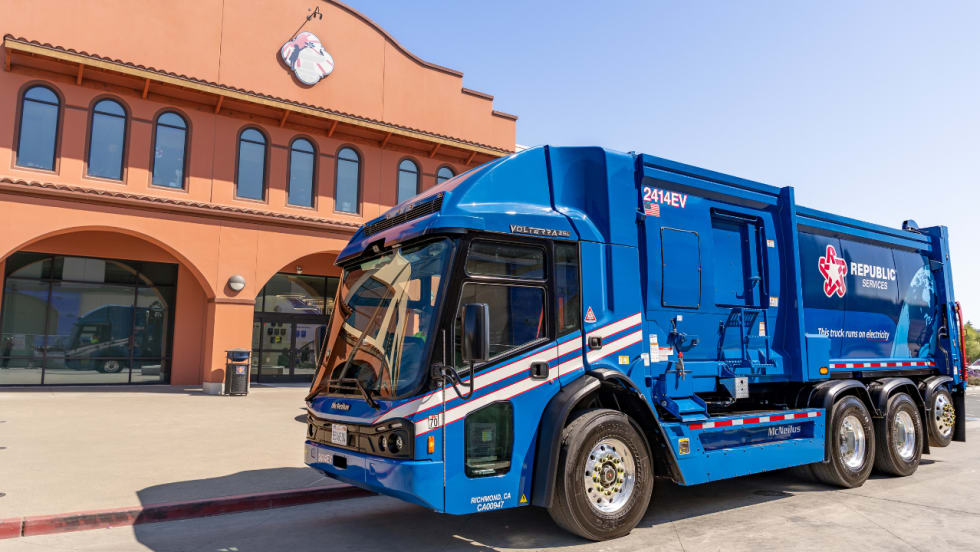
What Republic Services Learned Moving Electric Trucks Beyond the Pilot
With 250 electric refuse trucks now in service, Republic Services is learning that scaling a new powertrain depends as much on routes, drivers, technicians, and daily operations as it does on the truck itself.
Read More →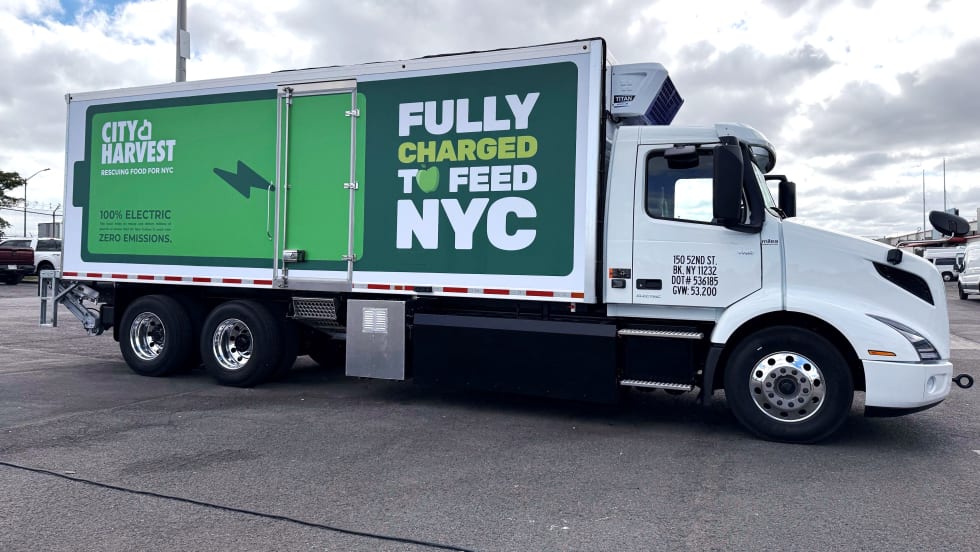
City Harvest Begins Using Volvo VNR Electric Trucks to Rescue Food Across New York City
Volvo Trucks North America and the Bronx Is Breathing project team handed over three new Volvo VNR Electric trucks to City Harvest, which will use the trucks to rescue and deliver food throughout the Bronx and across all five boroughs of New York.
Read More →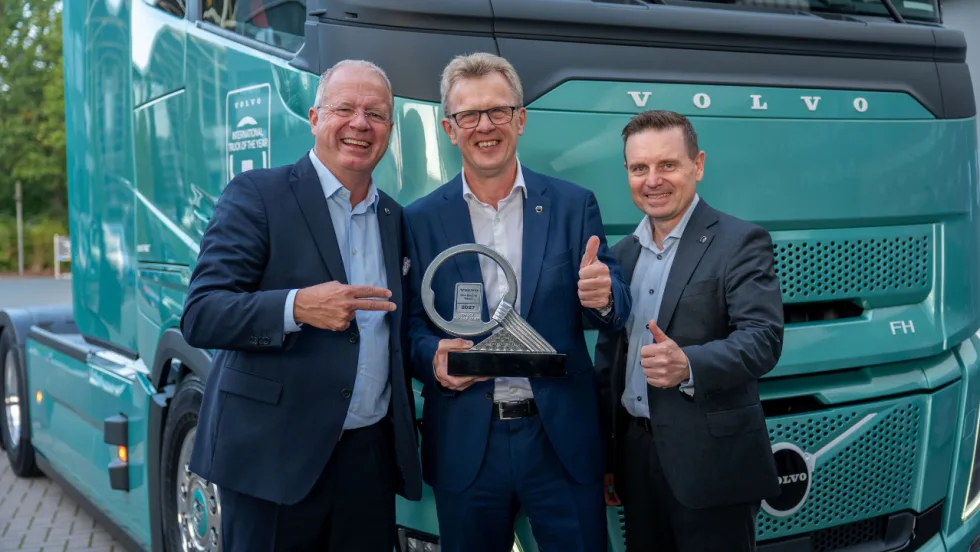
Volvo Trucks Wins International Truck of the Year 2027 for its Global Electric Range
Volvo Trucks' global heavy-duty electric range has been named International Truck of the Year 2027. Since 2019, more than 7,000 electric Volvo trucks have driven more than 310 million miles worldwide.
Read More →


Fleet Forward Conference Introduces One-Day Passes for 2026
New one-day registration gives fleet professionals the flexibility to attend Tuesday, Wednesday, or Thursday, with passes available for $199 through Sept. 18.
Read More →
CALSTART Rebrands as Catalyst Mobility, Will Combine with Forth in 2027
CALSTART has rebranded as Catalyst Mobility and will combine with Forth at the start of 2027. The new organization said it is poised to become one of the world's largest, strongest, and most impactful clean transportation nonprofits.
Read More →
Electric Truck and Charging Programs to Boost Sustainability at NY & NJ Ports
Together, the Port Authority of New York and New Jersey and CALSTART will electrify drayage and terminal operations serving the East Coast’s busiest container port. A pair of incentive programs totaling $45 million has launched to accelerate adoption of zero-emission drayage trucks and terminal tractors.
Read More →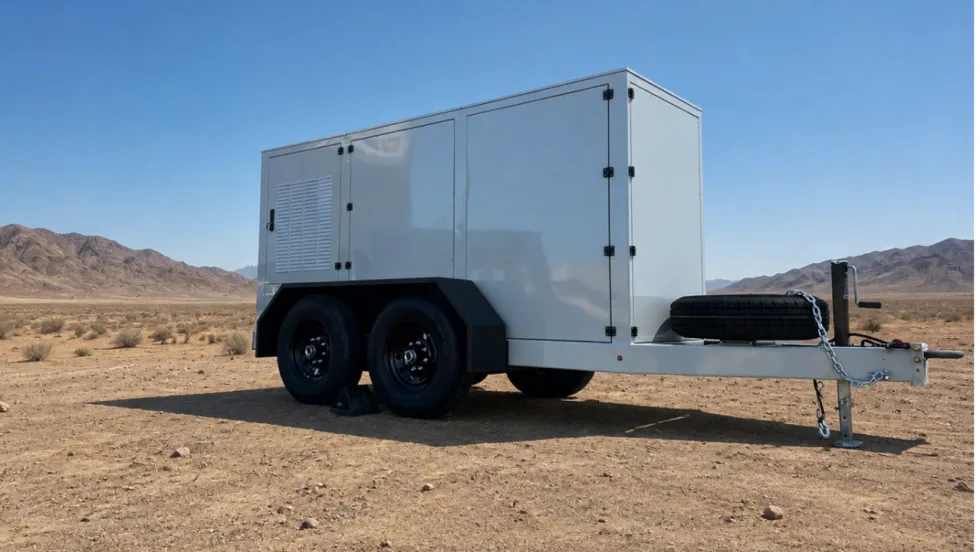
Xos Hub Surpasses One Gigawatt-Hour of Energy Delivered in the Field
A single Xos Hub has surpassed one gigawatt-hour of energy across more than 33,600 charging sessions in the field, demonstrating performance that supports Xos' expansion across new products and markets.
Read More →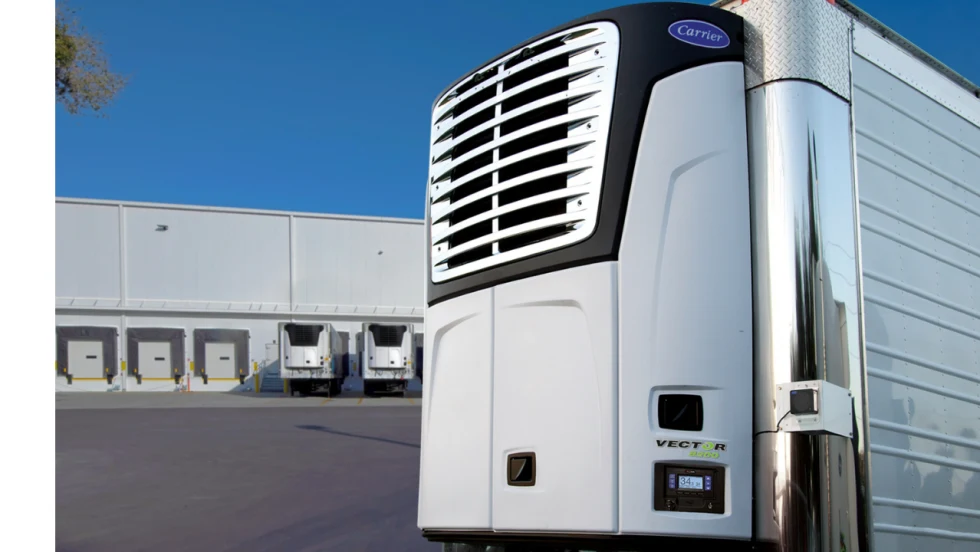
Carrier Transicold Launches All-Electric Vector 8200 TRU for Diesel-Free On-Site Cold Storage
Carrier Transicold’s first engineless multi-temperature TRU helps fresh- and frozen-food fleets add supplemental cold storage capacity during seasonal peaks.
Read More →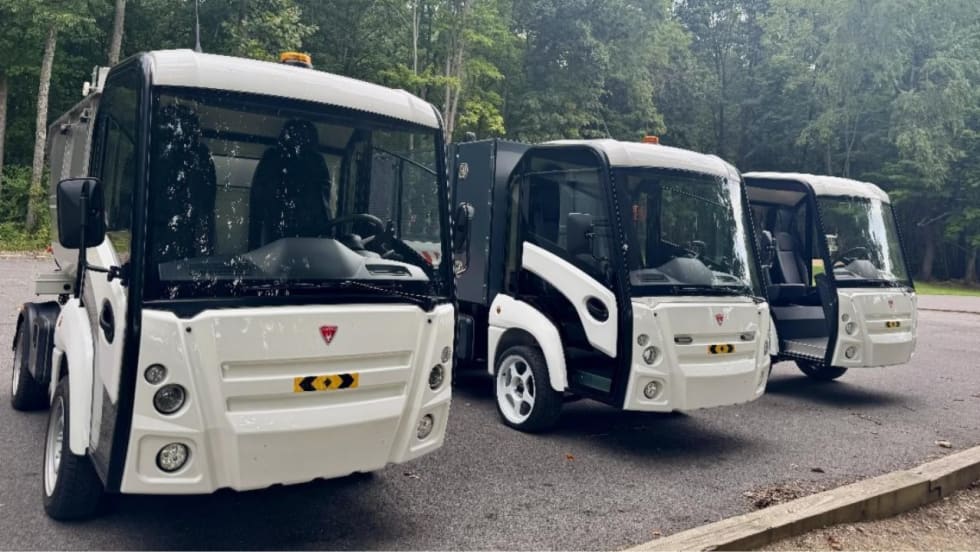
Narro Trucks Introduces Electric Utility Vehicle
Narro Trucks officially launched its operations on Aug. 20 and hosted a ride and drive to showcase its electric truck, which will be produced in Virginia.
Read More →
Samsung SDI Takes Full Control of GM Battery JV as Indiana Plant Pivots to Energy Storage
Samsung SDI is taking full control of its Indiana battery plant with GM, marking a major shift from the EV-focused joint venture Charged Fleet first covered in 2023.
Read More →