




2024 Work Truck Trends: Navigating Disruptions and Building Resilience
Fleet supply chains face lingering disruptions from natural disasters, strikes, and global crises. Is your fleet ready to build resilience for the future?

Fleet managers continue to navigate supply chain setbacks caused by global events, labor strikes, and natural disasters, ensuring operations stay on track.
Photo: Work Truck
The fleet industry’s supply chain challenges underscore how interconnected global events, natural disasters, and economic pressures impact operations. While 2024 brought some relief to vehicle production and inventory levels, the lingering effects of parts shortages, manufacturing disruptions, and logistical crises are still being felt across the industry.
This article is part of our seven-part series exploring 2024 commercial vehicle market trends, from new inventory recovery to evolving buyer behaviors.
The Ripple Effects of Global Disruptions
The pandemic recovery began in 2020 and 2021 and began a long and winding road for fleet supply chains. Fleets faced bottlenecks across multiple fronts, particularly with the availability of semiconductors and vehicle components.
“One of the first hurdles was the global semiconductor shortage,” said Tony Yankovich, Director of Fleet Consulting at RTA. “These chips, essential for nearly all modern vehicles, became a bottleneck for production. OEMs faced delays of up to two years in delivering new vehicles, leaving fleets unable to replace aging assets.”
With new vehicles delayed, fleets were forced to rely on older assets, leading to surging demand for replacement parts.
“This higher demand exacerbated parts shortages,” Yankovich added, “forcing fleet operators to source components from unconventional avenues such as aftermarket dealers, scrapyards, and even salvaging out-of-service vehicles.”
Compounding the challenge was the United Auto Workers (UAW) strike in late 2023. While short-lived, the strike further strained an already fragile production pipeline. Yankovich also highlighted significant events that rippled through early 2024.
“In March, a container ship collision at the Port of Baltimore — one of the nation’s key ports for automotive imports — shut down operations for 11 weeks, disrupting the flow of critical fleet resources,” he explained. “Then, in April, a 7.4-magnitude earthquake in Taiwan, the world’s largest semiconductor producer, further strained supply lines and left fleet managers scrambling for solutions.”
The combined impact of natural disasters, labor strikes, and geopolitical events has made one thing abundantly clear: resiliency is no longer optional.
“These challenges are a sobering reminder that the world economy directly impacts a fleet’s ability to acquire vehicles, parts, and components,” Yankovich said. “Success in fleet management will depend on recognizing potential risks, developing contingency plans, and maintaining the flexibility to adapt to unforeseen challenges.”
Improving Supply Conditions and New Opportunities
Despite persistent disruptions, there are signs of recovery in vehicle supply.
“Throughout 2024, the overall supply of new vehicles has improved significantly, and dealer inventory levels continue to increase,” said Patrick Doyle, Director of Supply Chain Solutions at Holman. “Nearly all manufacturers have returned to open ordering across most segments, including essential light-duty truck models.”
This recovery is helping fleet operators pivot back to traditionally popular fleet vehicles after years of exploring alternative options. Doyle also pointed out that incentives play a key role in easing supply chain burdens.
“The vast majority of manufacturers are offering increasingly competitive incentives across many 2025 model-year vehicles,” he explained. “This trend is helping operators reassess their vehicle cycling strategies, identify opportunities to leverage favorable market conditions, and reduce costs.”
While the challenges of the last few years have not entirely disappeared, these incentives and improved inventory provide much-needed relief for fleet managers working to balance costs and operations.
Fleet Maintenance and Supply Chain Diversification
Lisa Paul, chief strategy office for Hub International, emphasized that despite improvements in the supply chain since the pandemic, certain replacement parts — particularly powertrain and electronic components — continued to face delays in 2023.
These ongoing challenges have created additional hurdles for fleet maintenance operations, often leading to long wait times for equipment repairs. To address these persistent issues, Paul recommended a proactive and flexible approach for fleets:
Integrate Telematics and Fleet Data: "Integrating your maintenance program with telematics and fleet data is critical," Paul noted. "It helps fleets improve their overall risk profile and paints a more accurate picture of that risk for underwriters."
Consider Non-Traditional Leasing Solutions: Paul suggested that fleets evaluate alternative ownership models. "Moving away from traditional owned autos to leased solutions that include embedded maintenance, and insurance can help fleets manage costs more predictably and reduce downtime," she explained.
Leverage Broker Relationships: Paul also encouraged fleet managers to explore marketplace options with their brokers. "Aggregating purchases and leveraging bargaining power can secure better pricing on insurance solutions," she said.
"Creative approaches to vehicle ownership, maintenance, and insurance can provide fleets with the flexibility they need to overcome these challenges," Paul added.
This strategy underscores the importance of adaptability and innovation as fleets navigate ongoing supply chain disruptions.
Building Resilience for the Future
While the worst supply chain disruptions may be behind us, 2024 has shown that fleets must remain vigilant. Whether navigating delayed parts, adopting strategic vehicle cycling plans, or reevaluating asset ownership models, fleet managers must balance short-term needs with long-term resiliency.
“The increasing complexity of global logistics highlights the importance of being proactive,” Yankovich concluded. “Fleet operators who address vulnerabilities now will be better positioned to handle the next unexpected challenge.”
Check Out the Full 2024 Trends Series
Don’t miss the rest of the series:
Overall Market and Used Vehicle Outlook – A recovery in new inventory, challenges in used markets, aging fleets, and shifting buyer demands.
Emissions and Regulatory Impacts – What EPA mandates and CARB rules mean for your fleet.
Electrification and EV Adoption – Why medium-duty fleets are leading the EV charge.
Technology and AI Innovation – Transforming safety, efficiency, and decision-making.
Labor and Workforce Shortages – How fleets are fighting back with training and retention strategies.
Cost Management and Resiliency – Strategies to control TCO and build economic stability.
More Operations
Racing Lessons, Electric Fleet Growth, and Ghostbusters Lead This Week's Work Truck News
Racing lessons for fleets, Republic Services' electric truck expansion, 40 years of fleet wisdom, truck trivia, autonomous yard trucks, and more headline this week's Truck Chat Cheat Sheet.
Read More →
A buyer's guide to fleet management software in 2027
Buying fleet management software in 2027 means looking beyond features and price. As fleet operations, technology and expectations evolve, this guide explores what today’s fleet professionals should consider when choosing a system that can deliver value now and adapt to what comes next.
Read More →
How to Build a Lasting Fleet Career by Staying Curious and Connected
Tina Kourakos never planned on a career in fleet. More than 30 years later, she says curiosity, strong relationships, and a willingness to keep learning helped turn an unexpected assignment into a career spanning fleet management and OEM leadership.
Read More →From Our Partners
Basic Tracking vs Next Generation Fleet Technology
Sponsored by AT&T Business
5 Facts Every Fleet Manager Should Know About Embedded Telematics
Sponsored by Stellantis/Mobilisights
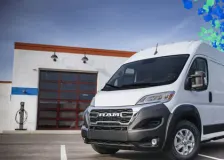
How AI Video Telematics Boosts Driver Safety and Helps to Avoid Unnecessary Costs
Sponsored by Verizon Connect

Charting the 8 Bottom-Line Benefits of Workforce Optimization
Sponsored by Verizon Connect

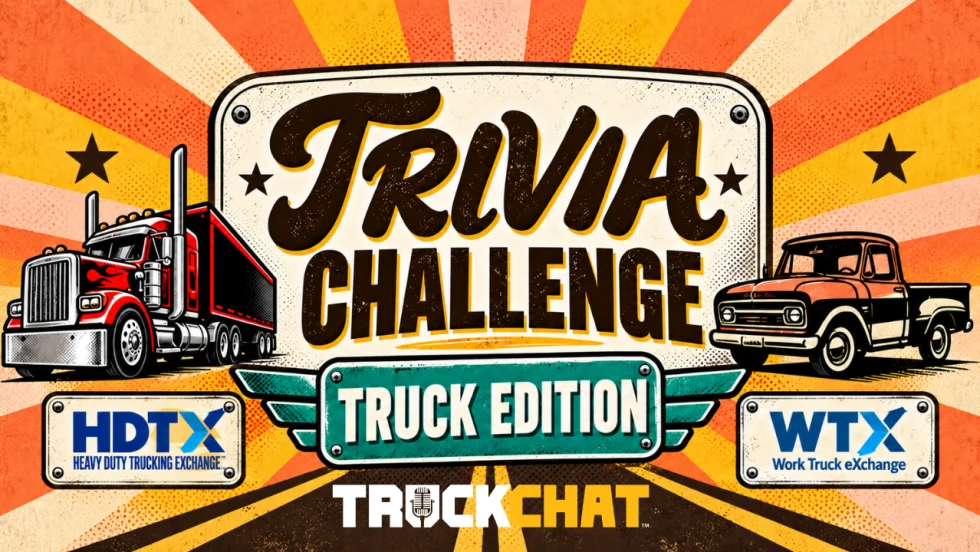
Think You Know Trucks? Take Our 19-Question Fleet Trivia Challenge
From chicken lights to diesel engines and trucking history, test your knowledge with 19 questions from the 2026 Work Truck Exchange and Heavy Duty Trucking Exchange.
Read More →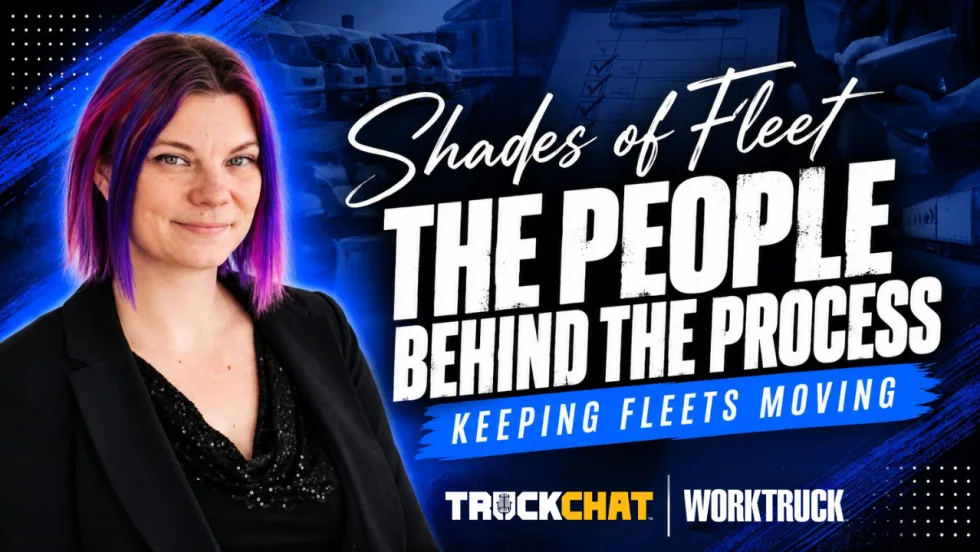
Where’s My Truck: Inside the Fleet Logistics Work Nobody Sees
Shades of Fleet video thumbnail featuring Lauren Fletcher beside the text “The People Behind the Process, Keeping Fleets Moving,” with fleet vehicles and logistics imagery in the background.
Read More →
Work Truck Seeks Fleet and Industry Insights on 2026 Trends and 2027 Forecasts
Work Truck is seeking insights from fleet leaders and industry partners on the trends that shaped 2026 and what commercial fleets should prepare for in 2027. Participate today!
Read More →
It's 10 p.m... Do You Know Who Has Access to Your Fleet?
Preventing cargo theft requires investment in technology, operational processes, and employee training. In an industry with tight margins, it can be difficult to justify investments whose value is measured by incidents that might never occur.
Read More →
GeoFencing Adds to Your Truck Security Arsenal
Geofencing is a familiar fleet tool today, but its early adoption marked a major shift in vehicle tracking, route monitoring, and the debate over employee privacy.
Read More →
Truckers’ Strike Rumors, New GM Engines, and Hidden Idling Costs Lead This Week’s News
Truckers’ strike rumors, GM’s new 2027 engines, hidden idling costs, racing lessons, IRP rules, and more headline this week’s Truck Chat Weekly Cheat Sheet.
Read More →
Shades of Fleet Wants to Hear From You About Building a Culture of Care
Fleet leaders, we want to hear from you. Share how empathy, trust, and creating space for people can strengthen your team, improve performance, and support retention.
Read More →