




2024 Work Truck Trends: Cost Management and Resiliency: Staying Competitive and Prepared
2024 fleet trends spotlight cost-cutting tools, strategic capital planning, and energy diversification to boost efficiency, resilience, and long-term stability.

Fleet managers are driving forward with cost-saving strategies and resilient energy solutions to tackle rising expenses and unpredictable disruptions.
Photo: Work Truck
For fleet operators, managing costs and building resilience remain top priorities as they navigate economic uncertainty, rising operational expenses, and unpredictable disruptions. In 2024, strategies to address total cost of ownership (TCO), optimize resources, and bolster operational stability took center stage, with many fleets turning to technology, diversified energy sources, and careful capital planning.
This article is part of our seven-part series exploring 2024 commercial vehicle market trends, from new inventory recovery to evolving buyer behaviors.
Reducing Costs: Focus on Efficiency and Productivity
Even as inflation begins to cool and interest rates stabilize, the cost of operating fleets remains higher than pre-2020 levels.
“Fleet budgeting is a clear area of focus with 2025 on the horizon,” said Ed Powell, Director, Consulting Services at Holman. “Many operating costs are up more than 20% since 2020. Reducing costs, specifically operating expenses remains a top priority for virtually all fleet operators.”
For many fleets, efficiency has become a lifeline. Tools that streamline daily operations — like fleet fuel cards and integrated maintenance programs — are gaining traction. “We continue to see that fleet management tools like fleet fuel cards, and maintenance programs that offer rebates on fuel, general repairs, and fleet upkeep are still very popular for fleets of all sizes,” said Jim Perkins, Director at Shell Fleet Solutions USA. “They provide tangible savings and help boost both efficiency and safety.”
The search for savings goes hand in hand with preserving productivity. “Fleet managers are continuously seeking ways to preserve time and strengthen productivity,” Perkins added. “Whether that's eliminating the need to submit expense reports for each fuel purchase or keeping track of maintenance repairs through their fleet card, these small efficiencies add up.”
Strategic Capital Planning and Vehicle Orders
Economic uncertainty has also pushed fleets to take a more measured approach to vehicle orders and capital expenditures. “Lingering economic uncertainty has led some organizations to be extremely cautious with their capital expenditures,” Powell noted. “They want to ensure their company is well positioned to navigate potential headwinds.”
After years of supply chain disruptions and limited inventory, 2024 saw vehicle orders stabilize. Powell explained, “As the supply chain normalized, many fleet operators prioritized new vehicle acquisitions. As a result, the need to order new units isn’t as acute, and there will likely be a cascading effect as we head into 2025.” This shift allows fleet managers to focus on lifecycle optimization and reassess spending priorities with greater flexibility.
Building Resiliency Through Diversification
Weather-related disruptions have also underscored the importance of fleet resilience. “As of November 1, there were 24 confirmed weather/climate disaster events in the U.S. this year with losses exceeding $1 billion each,” said Tucker Perkins, President & CEO of the Propane Education & Research Council (PERC). “These devastating events and the high likelihood of more severe weather in future years serve as a strong reminder that resiliency and reliability are critical for fleets to continue operating no matter the weather.”
For fleet managers, alternative energy sources are key to resilience planning.
“After power outages left many fleets grounded during extreme events, fleet owners are looking for more resilient solutions,” Perkins said. “By incorporating alternative energy sources like propane autogas, which does not rely on the electric grid for refueling, fleets can ensure reliable operations even when traditional supply chains are disrupted.”
Diversifying energy sources allows fleets to adapt operations to their specific duty cycles.
“More fleet owners are choosing to operate a fleet with multiple energy sources rather than relying on just one,” Perkins added. “Electric vehicles are ideal for shorter routes with lighter payloads, while propane autogas excels for longer, regional routes with heavier goods. This provides an added layer of resiliency and ensures each energy source works where it’s best suited.”
The Path Forward: Balancing Costs and Stability
As fleets look to the future, they refine their strategies to balance cost savings with operational resilience. Tools that reduce the total cost of ownership, optimize workflows, and build flexibility are no longer optional—they are essential for staying competitive in an uncertain world.
“By leveraging fuel and maintenance programs, diversifying energy sources, and taking a cautious approach to capital planning, fleet managers can better navigate rising costs and unexpected disruptions,” Perkins noted. “Resilience isn’t just about surviving challenges — it’s about building a foundation for long-term success.”
Check Out the Full 2024 Trends Series
Don’t miss the rest of the series:
Overall Market and Used Vehicle Outlook – A recovery in new inventory, challenges in used markets, aging fleets, and shifting buyer demands.
Navigating Disruptions: Supply Chain Resilience – How fleets are overcoming parts shortages and global challenges.
Emissions and Regulatory Impacts – What EPA mandates and CARB rules mean for your fleet.
Electrification and EV Adoption – Why medium-duty fleets are leading the EV charge.
Technology and AI Innovation – Transforming safety, efficiency, and decision-making.
Labor and Workforce Shortages – How fleets are fighting back with training and retention strategies.
More Operations

Shades of Fleet Wants to Hear From You About Building a Culture of Care
Fleet leaders, we want to hear from you. Share how empathy, trust, and creating space for people can strengthen your team, improve performance, and support retention.
Read More →
What Racing Can Teach Work Truck Fleets About the Work Nobody Sees
Race car driver and mechanical engineer Isaac Johnson shares practical lessons on preparation, relationships, setbacks, and building teams that perform when it counts.
Read More →
New Fleet Guides, Hidden Truck Wear, and Driver Fit Lead This Month
Our latest Truck Chat recap covers new Fleet Guides, hidden idling costs, driver fit, lighter-truck registration rules, and year-round technician appreciation.
Read More →From Our Partners
Basic Tracking vs Next Generation Fleet Technology
Sponsored by AT&T Business
5 Facts Every Fleet Manager Should Know About Embedded Telematics
Sponsored by Stellantis/Mobilisights
How AI Video Telematics Boosts Driver Safety and Helps to Avoid Unnecessary Costs
Sponsored by Verizon Connect

Charting the 8 Bottom-Line Benefits of Workforce Optimization
Sponsored by Verizon Connect


Work Truck Takes Fleet Rivalry Downhill to Support Skilled Trades
Team Fletcher claimed a head-to-head win and second overall as Work Truck and Automotive Fleet helped raise $22,000 for the Hourglass Foundation.
Read More →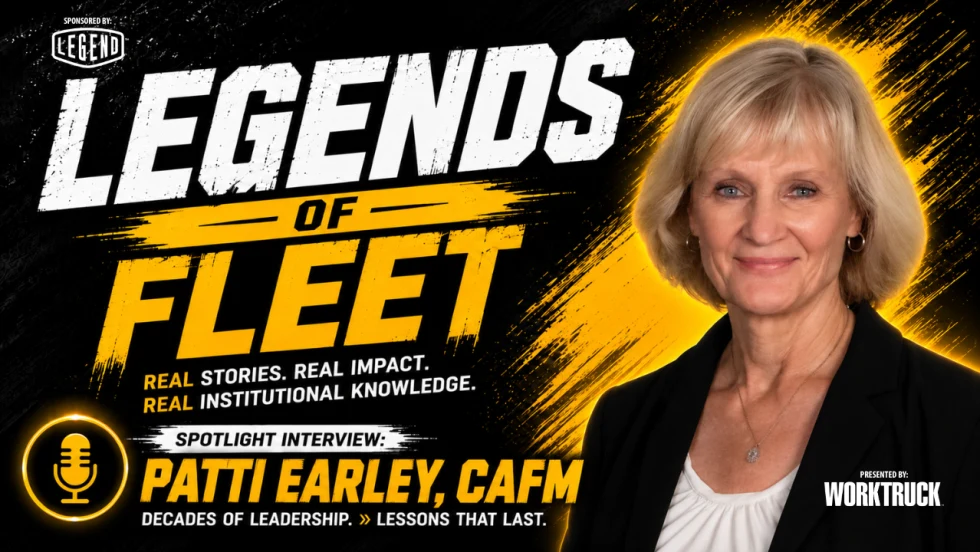
From Ledger Books to AI Patti Earley Shares 40 Years of Fleet Lessons
Patti Earley, CAFM, shares what four decades in fleet have taught her about using data, building relationships, and listening to the people behind the vehicles.
Read More →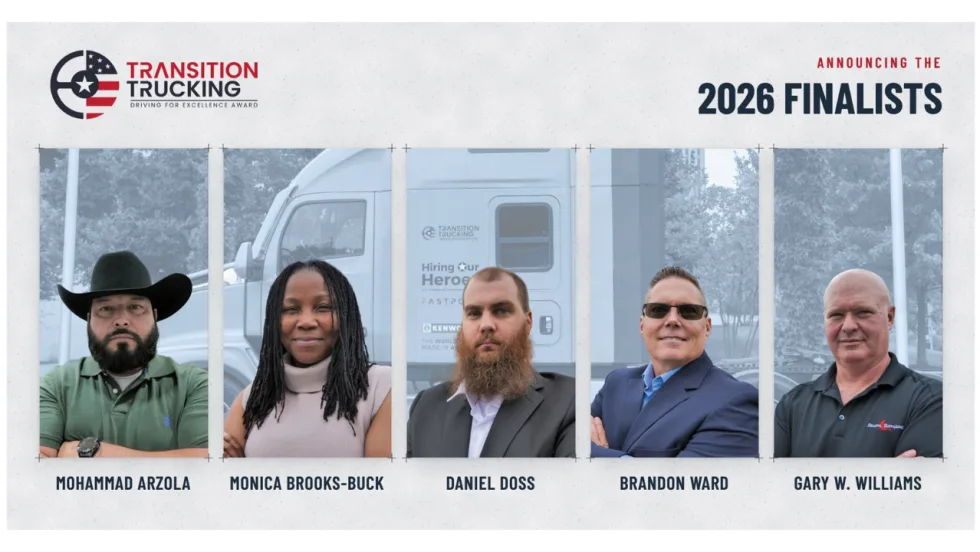
Finalists Announced for 2026 Transition Trucking: Driving for Excellence Award
Kenworth Truck Company, Fastport, and the U.S. Chamber of Commerce Foundation's Hiring Our Heroes program have announced the five finalists for the 2026 Transition Trucking: Driving for Excellence Award.
Read More →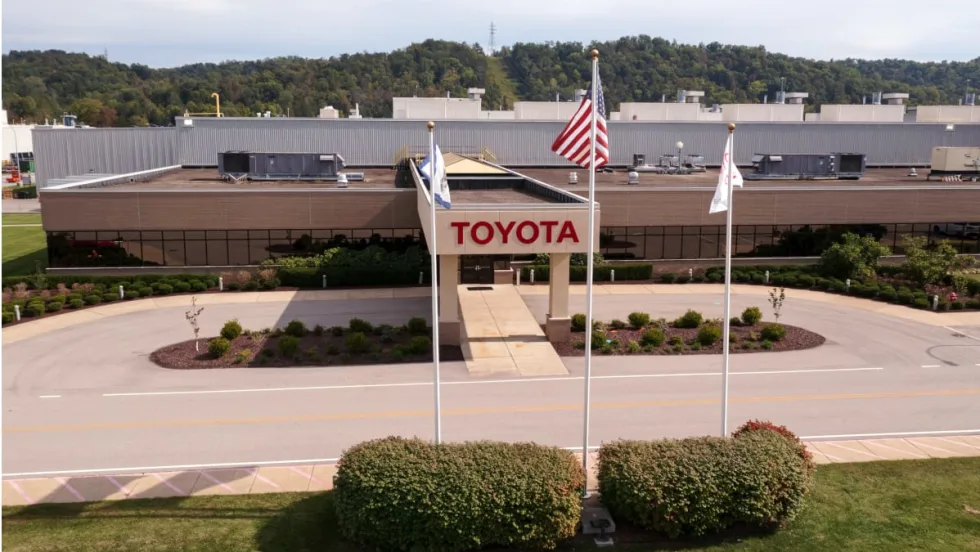
Toyota West Virginia Celebrates Three Decades of Manufacturing in the Mountain State
Toyota West Virginia celebrated 30 years of manufacturing. Toyota assembles both engines and drivetrain components in West Virginia to support its North American operations.
Read More →
The Hidden Cost of Idling
A low-mileage truck can still be one of the fleet’s hardest-working and most worn assets. Engine hours, idle time, and duty cycle reveal what the odometer misses.
Read More →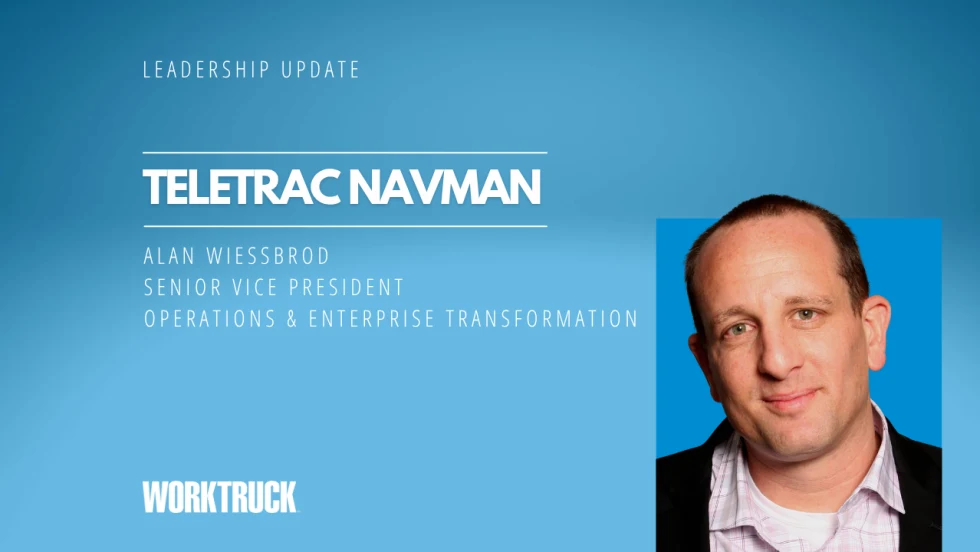
Teletrac Navman Hires SVP of Operations & Enterprise Transformation
Teletrac Navman has appointed Alan Wiessbrod to its senior leadership team as senior vice president, operations and enterprise transformation. The company said he has a strong track record of delivering profitable growth and operational excellence.
Read More →
2027 GM Trucks, Technician Retention, and Fleet Lessons Lead This Week’s News
New GM pickups, technician retention, fleet leadership lessons, winter equipment, and more headline this week’s Truck Chat Weekly Cheat Sheet.
Read More →