




Why Vocational Fleets Need Payment Infrastructure That Scales
Fleet downtime isn't the only cost. Discover why scalable payment and invoicing infrastructure is becoming essential for vocational fleet efficiency and loyalty.

As vocational fleets expand across dealer networks and digital purchasing channels, consistent billing, payment, and invoicing processes are becoming just as important as vehicle uptime in delivering a reliable fleet customer experience.
Work Truck
For vocational fleets, uptime is everything. And so is ease of doing business. A utility truck can get serviced on time, the parts can be in stock, and the repair can be completed correctly. But the experience still breaks down if the invoice doesn’t match negotiated pricing, payment terms vary by service location, or the fleet’s A/P team spends hours reconciling paperwork across multiple branches, dealers, and vendors. Those issues may seem administrative, but they shape how fleet operators evaluate suppliers.
Across the commercial vehicle industry, fleet programs are standard practice. Whether the business involves work trucks, aftermarket parts, equipment, or maintenance services, fleets expect to buy and service vehicles consistently across dealer and service networks that support their local and regional operations. The problem is, many billing and payment systems were never designed to support that level of scale.
As fleet transactions span more locations, suppliers, and channels, operational gaps become harder to ignore.
The Operational Problem Behind Fleet Frustration
Most commercial vehicle suppliers, whether they manufacture work trucks, equipment, tires, service bodies, or components, reach fleets through distributed dealer and service networks. That model creates reach, but it also creates variability.
A fleet may service vehicles through a mix of local branches, municipal accounts, regional dealer groups, and mobile or field-service providers. Each location may handle pricing, invoicing, and payment workflows differently. Contract pricing gets interpreted locally. Invoice formats vary. Required purchase order or unit-level data may not get captured correctly. Disputes get handled inconsistently from one branch to the next. Over time, those inconsistencies create friction that affects everyone involved.
Consider a refuse fleet operating more than 300 locations nationwide. Over the course of a year, that can translate into well over 100,000 service, maintenance, and parts transactions flowing through dealers across the network. If invoice formats vary by location, contract pricing is applied inconsistently, or required purchase order details aren't matched exactly, even routine transactions can become administrative headaches. Some fleets require invoices to mirror purchase orders down to the line-item sequence, SKU, quantity, and pricing.
When that information doesn't align, dealers are forced into rework, disputes increase, and payments are delayed. As a result, many vocational fleets rely on purchasing cards or manual A/P processes to manage the complexity, creating additional work for both fleet operators and suppliers. What should be a straightforward maintenance transaction becomes an operational burden that consumes time across the entire network.
Fleet accounts payable teams spend more time reconciling invoices and chasing corrections. Dealers and service providers carry receivables longer while disputes get resolved. Suppliers lose visibility into how transactions are actually flowing across the network. The operational strain compounds as programs grow.
What often begins as a manageable process on a smaller scale can break down once transaction volume increases, e-commerce channels expand, or fleet business spreads into new areas. In many cases, the underlying systems were built for dealer-level operations, not large-scale network consistency.
That’s why many suppliers are reassessing how billing and payments fit into the broader fleet experience.
Why Point Solutions Stop Working at Scale
When operational issues emerge, businesses typically try to solve them one at a time. A billing platform gets added to standardize invoices. Another tool manages rebates. A separate system handles financing or collections. Dealer groups may implement their own local workflows to fill process gaps. The result is often a patchwork of disconnected tools layered across the organization.
Individually, each system may function well enough. Together, they create fragmented workflows that introduce manual handoffs, duplicate data entry, and inconsistent execution across the network.
The issue isn’t necessarily technology. It’s the lack of shared infrastructure connecting the transaction lifecycle from purchase through payment.
Fleet customers don’t think about their experience in terms of separate systems. They experience the relationship as one continuous commercial interaction. If pricing is inconsistent, invoices are difficult to process, or disputes take weeks to resolve, the operational complexity becomes part of the customer experience.
Infrastructure Creates Consistency
The strongest fleet programs treat payments and invoicing as operational infrastructure rather than isolated finance functions. That changes how transactions move across the network.
Instead of relying on individual locations to manage their own workflows independently, infrastructure establishes a consistent framework for how transactions are executed. Pricing validation happens before invoices are generated, required transaction data is captured at the source, billing formats remain standardized across locations, and payment timelines become more predictable for everyone involved.
That consistency benefits all parties to the transaction. Fleet operators gain a purchasing experience that works the same way wherever service occurs. Dealers spend less time managing collections, disputes, and reconciliation work. Suppliers gain better visibility into purchasing activity, receivables, and network performance. Just as importantly, operational consistency creates confidence.
The commercial vehicle industry has spent years digitizing the front end of commerce. Now the focus is shifting toward modernizing the operational systems behind it.
The E-Commerce Shift Accelerates the Pressure
Digital commerce is amplifying many of these operational challenges. Fleet buyers increasingly expect to purchase parts and services across multiple channels, including e-commerce platforms, marketplaces, inside sales, and branch locations. But many organizations still operate separate workflows depending on how the order originated.
That creates disconnected experiences for fleets and additional internal reconciliation work. As e-commerce volume grows in the commercial vehicle sector, billing and payment infrastructure must support omnichannel transactions without introducing new complexity behind the scenes.
One of the biggest shifts in recent years is that B2B buyers increasingly expect the same seamless experience they receive as consumers. Fleet operators want purchasing, invoicing, and payment processes to work smoothly, regardless of whether a transaction starts online, through a service branch, or with an inside sales representative.
The same applies as suppliers add new service points, dealer partners, or digital channels. Account-specific pricing and consistent invoice standards become difficult to manage through fragmented systems. The operational model needs to scale alongside the business.
Fleet Loyalty Is Built Operationally
Fleet loyalty is built transaction by transaction. Buyers remember whether pricing matched the agreement. They remember whether invoices were accurate. They remember whether disputes got resolved quickly or turned into weeks of follow-up work. Operational consistency shapes long-term relationships more than many organizations realize.
That’s why more commercial vehicle suppliers are moving beyond isolated payment tools and toward an infrastructure-based approach that unifies credit, billing, invoicing, and settlement workflows across the network.
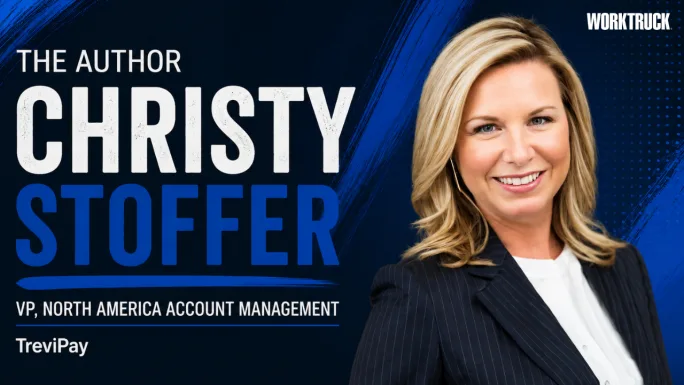
About the Author: Christy Stoffer is the VP, North America Account Management, where she leads a high-performing team responsible for developing TreviPay’s long-term customer relationships by ensuring client satisfaction and identifying growth opportunities. She specializes in revenue growth, contract negotiation, and digital transformation. This article was authored and edited following Work Truck editorial standards and style. Opinions expressed may not reflect those of WT.
TreviPay | Work Truck
More Leasing & Management

Buyers Products Awarded Sourcewell Cooperative Purchasing Contract for Snow & Ice Equipment
Buyers Products has been awarded a Sourcewell contract for a wide range of winter maintenance equipment and accessories, including snowplows, municipal plow systems, wing plows, spreaders, and more.
Read More →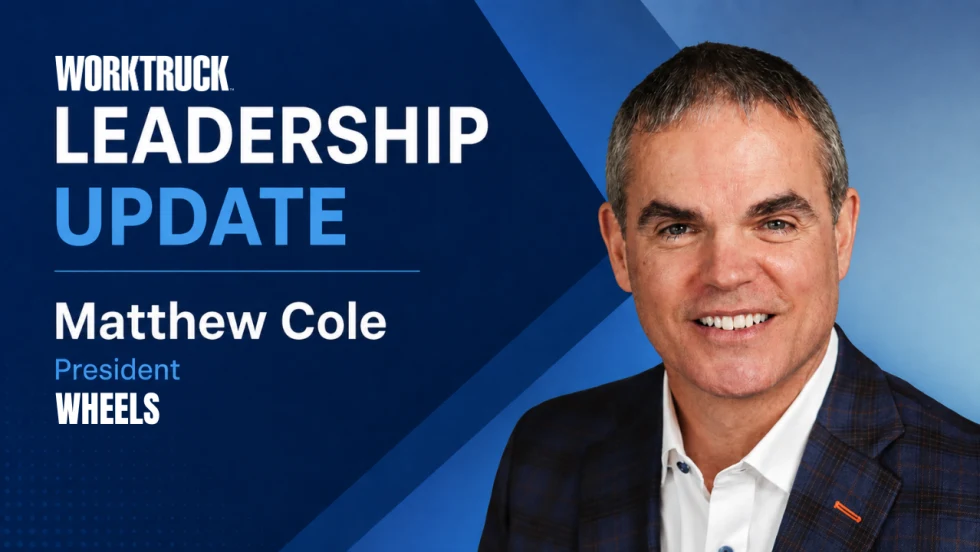
Wheels Names Matthew Cole President to Advance Fleet Technology and Growth
Matthew Cole brings more than 30 years of automotive and technology leadership to Wheels, including experience with connected and software-defined vehicle technologies.
Read More →
What Stronger Long-Term Fleet Service Partnerships Actually Require
Fleet service partnerships rarely fall apart all at once. Learn the three warning signs that trust is eroding and what fleets and providers can do before downtime, frustration, and lost revenue follow.
Read More →

Why Fleets Need More Flexibility in Financing and Asset Strategy
Vehicle costs, resale values, and demand keep shifting. See how fleets can balance leasing, financing, ownership, and rentals without adding unnecessary complexity.
Read More →
What Mike Albert Fleet Solutions’ New CEO Says Will Change for Fleets
Martin Kuhn explains why investments in technology and people are coming, but access to personal customer service must remain the same for fleets of every size.
Read More →
Inside AP Fleet Management’s Move From Financing to Fleet Services
AP Fleet Management President Alex Coveney explains how the company grew from equipment financing into fleet services and what shaped its customer-first approach.
Read More →
Kooner Fleet Management Solutions Named Fleetio Premier Partner
Fleetio has named Kooner Fleet Management Solutions as a Premier Partner within Fleetio’s Maintenance Shop Network. As a Fleetio Premier Partner, Kooner's designation reflects its commitment to delivering reliable maintenance services and supporting fleets through high-quality service.
Read More →
Mike Albert CEO Marty Kuhn Sees Technology and Upfitting Driving Fleet Success
New CEO Marty Kuhn highlights work-ready upfitting, fleet technology, and AI-powered insights as key parts of Mike Albert's strategy.
Read More →
Flexible Standardization: How Modern Fleets Are Rethinking Consistency to Stay Operational
Fleet standardization is evolving. Learn how flexible vehicle specs help large fleets reduce delays, improve uptime, and adapt to disruptions.
Read More →
AP Fleet Management Opens Midland Hub to Expand Access to Upfitted Work Trucks in Texas
AP Fleet Management’s new Midland location expands access to bucket trucks, crane trucks, vans, and faster upfitting services for Texas fleets.
Read More →