




Want More? Fleetio Add-On Helps Track Small Equipment, Tools
Truck Fleet Maintenance Guide: 3 Strategies for Success
Effective truck maintenance is an ongoing, ever-evolving component to an efficient truck fleet.
by Rachael Plant, Fleetio
January 31, 2022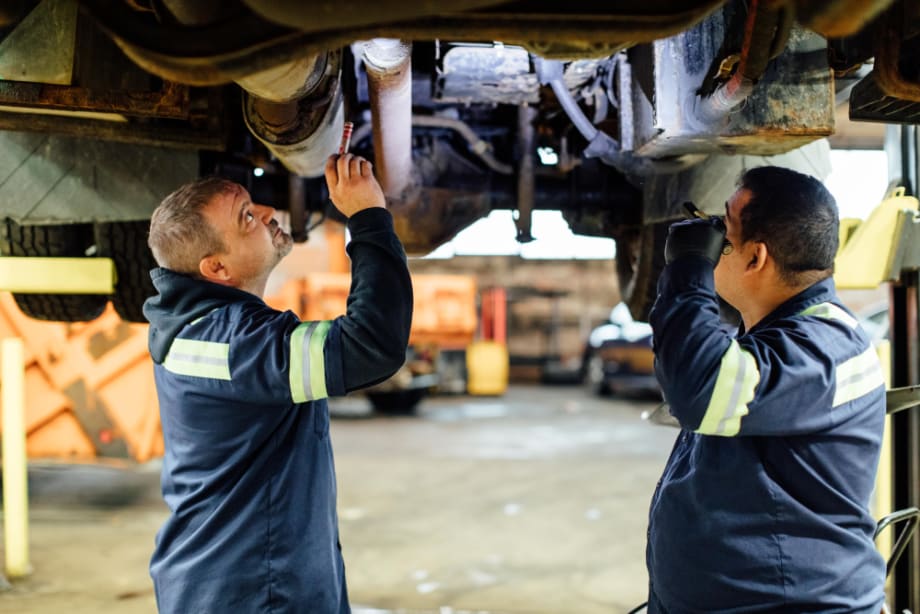
Handling truck fleet maintenance efficiently is vital to maintaining uptime and avoiding serious issues on your routes.
Photo: Fleetio
6 min to read
Developing a truck fleet maintenance plan can be a massive undertaking with various sizes, uses, and types.
Whether you operate a fleet of light-duty service pick-ups or Class 8 big rigs, an effective maintenance process allows you to tackle inefficiencies and reduce asset downtime.
Developing a Truck Fleet Maintenance Strategy
Preventing downtime and extending asset lifespan should be the top two goals of your truck fleet maintenance management plan. This not only ensures you’re providing the best service possible to your customers but that you’re also maximizing the return on investment (ROI) for expensive assets.
Many fleet managers are turning to a cloud-based software solution to track every aspect of their fleet, including maintenance tasks, team productivity, and expenses. Cloud-based software consolidates your fleet’s maintenance data on a single platform for easy management, providing maximum visibility into asset health and allowing you to communicate maintenance needs across your team instantly.
When developing your truck fleet maintenance strategy, consider your fleet’s specific needs. Below, we’ve broken down truck fleet maintenance into three categories to help you determine the best course of action for your fleet:
[ 1 ] Fleet Maintenance for Light-Duty Vehicles
Light-duty fleets typically consist of pick-up trucks or vans, though some fleets, like personal transportation, may include sports utility vehicles. Light-duty fleet maintenance plans should put a premium on vehicle inspections and preventive maintenance (PM). Taking a proactive stance on maintenance ensures your vehicles are ready when you need them and remain reliable along their daily route.
■ Standardizing Vehicle Inspections
Monitoring asset health can be challenging if your team doesn’t complete routine vehicle inspections. Minor issues under the hood can often go undetected and lead to more significant problems and breakdowns in the long run. Having drivers complete daily vehicle inspection reports (DVIRs) ensures documentation of all issues and helps expedite maintenance.
The most efficient way drivers can complete inspections is by leveraging a mobile inspection app for electronic DVIRs (eDVIRs). A mobile inspection app allows your drivers to perform inspections anywhere in the field and instantly upload results into your fleet management software (FMS). Any issues are immediately emailed to you, allowing you to determine the best course of action regarding maintenance.
■ Keeping Up with PM
The best truck fleet maintenance plans are proactive, not reactive. This means your team consistently performs preventive maintenance following the manufacturer’s recommendations. Adhering to a PM schedule can be a challenge for fleets that still use paper calendars and spreadsheets to manage maintenance; however, automating maintenance reminders with the help of software ensures your fleet never misses scheduled service.
FMS helps you adhere to PM schedules by sending service reminders to your inbox based on odometer readings or engine hour intervals so you can get your vehicles in the shop for routine maintenance on time. Drivers can update odometer readings in the mobile inspection app, or you can integrate your telematics system into FMS to automatically receive odometer updates.

Taking a proactive stance on maintenance ensures your vehicles are ready when you need them and remain reliable along their daily route.
Photo: Fleetio
[ 2 ] Fleet Maintenance for Medium- & Heavy-Duty Trucks
Medium- to heavy-duty truck fleets are often used for deliveries, making uptime extremely important. Automating fleet maintenance processes and maximizing asset visibility are two of the best strategies for maintaining your fleet’s safety and reliability.
■ Maintaining Compliance with DVIRs
DVIRs are required for commercial vehicles by the Department of Transportation (DOT). Completing and maintaining a record of DVIRs keeps your fleet compliant with DOT regulations and ensures your trucks stay safe on the road.
As previously mentioned, eDVIRs empower drivers to complete fast, thorough inspections via a mobile app. All inspection data is housed in cloud-based software, allowing drivers to prove compliance anytime, anywhere. Failed inspection items also instantly trigger alerts so you can quickly develop a maintenance plan and direct your driver to a local shop for repairs — even if an asset is hundreds of miles away.
■ Tracking Vehicles with Telematics
Whether your trucking fleet stays local or your drivers operate on regional or national routes, gaining visibility into your operations can be a challenge if you’re still using antiquated systems to manage your fleet.
Many trucking fleets use GPS or telematics devices to track and manage routes, but these tools can also offer excellent insight into the health of your assets. Leveraging telematics data augments your maintenance strategy by providing insight into diagnostic trouble codes (DTCs) to alert you of any underlying maintenance issues. Tracking telematics data alongside all other fleet data gives you a complete picture of your fleet’s overall health and productivity.
■ Automating Maintenance Workflows
Fleet maintenance can be automated to streamline processes and quickly get your vehicles in and out of the shop. From receiving service reminders for an upcoming PM to viewing work order status in real-time, FMS helps you reduce downtime by creating workflows that suit your fleet.
Whether you manage maintenance in-house or outsource to a third party, you can avoid surprise line items and control expenses to stay within your budget by managing work orders with software. Digital work orders give you a comprehensive line item breakdown, enabling you to view issues, track technician productivity, and monitor repair expenses.
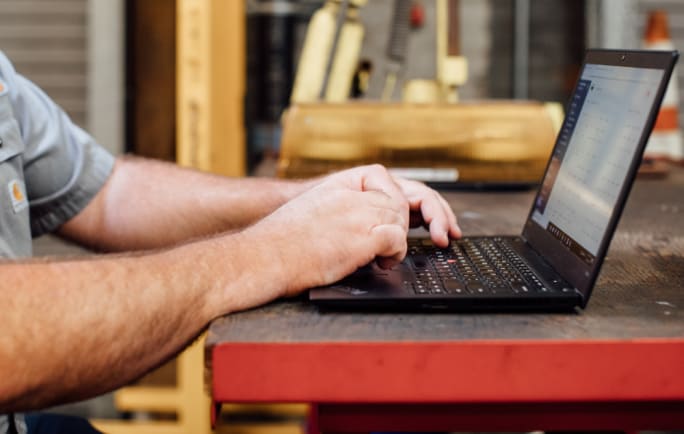
Whether you operate a fleet of light-duty service pick-ups or Class 8 big rigs, an effective maintenance process allows you to tackle inefficiencies and reduce asset downtime.
Photo: Fleetio
[ 3 ] Fleet Maintenance for Specialized & Upfitted Trucks
Outside of more conventional trucks, many fleets operate specialized assets designed for specific purposes, such as waste management or utility trucks. Each of these comes with maintenance and tracking challenges, so developing fleet maintenance strategies that make sense for your fleet is imperative.
Leveraging configurable FMS allows you to create systems and workflows that maximize the efficiency of your specialized assets. Fleet managers have complete control of managing their assets and gain maximum visibility throughout their operations.
■ Tailoring Inspection Forms
Whether your trucks are upfit or have special features, traditional paper inspection forms likely won’t work for your fleet. These forms leave off important aspects that must be checked for safety.
Using an FMS to manage inspections allows you to customize your inspection forms to include items like:
Winches.
Toolboxes.
Cranes.
Shelving.
Ladder racks.
Hoppers.
Packer blades.
Including these items in your inspections allows your operators to quickly identify issues and communicate them with you to avoid unnecessary downtime.
■ Optimizing Maintenance Schedules
Handling truck fleet maintenance efficiently is vital to maintaining uptime and avoiding serious issues on your routes. Because specialized assets are expensive, you often don’t have backup vehicles if breakdowns occur. This can be a problem for fleets that don’t have the luxury of a flexible schedule.
Along with automating service reminders for PM, fleet managers must carefully schedule maintenance to avoid conflicting with daily operations. As a fleet manager, you must oversee every aspect of the maintenance process.
FMS empowers you to manage all maintenance activity in real time, schedule repairs efficiently and track all expenses and service histories to make the best decisions for your fleet’s future.
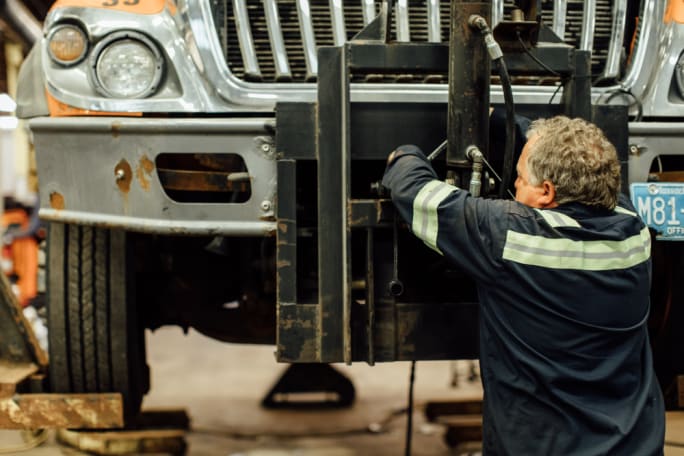
Medium- to heavy-duty truck fleets are often used for deliveries, making uptime extremely important. Automating fleet maintenance processes is one way to help maintain safety and reliability.
Photo: Fleetio
About the Author: Rachael Plant is a Content Marketing Specialist for Fleetio, a fleet management software company. This article was authored and edited according to WT editorial standards and style to provide useful information to our readers. Opinions expressed may not reflect that of WT.
Subscribe to Our Newsletter
More Maintenance
Les Schwab Expands Commercial Tire Footprint Into Arizona
Les Schwab Tires has expanded into Arizona with two commercial tire locations in Phoenix and Tucson, strengthening its fleet service footprint in the Southwest.
Read More →
Volvo Trucks’ 'Lock and Leave' Software Updates Go Live Across North America
Unattended over-the-air software updates are now available in Volvo trucks across the U.S. and Canada. The new capability lets trucks stay current with the latest software without interrupting operations or requiring a dealership visit.
Read More →
Why Technician Appreciation Can’t Be a Once-a-Year Thought
For fleets trying to keep skilled technicians, recognition cannot begin and end with Technician Appreciation Week. Learn what year-round appreciation really looks like and why the everyday technician experience matters just as much as pay when fleets are trying to keep good people.
Read More →
How Faster Driver Reporting Can Keep Small Truck Problems Small
When minor damage, warning lights, or equipment issues are reported late, small problems can quickly become bigger maintenance headaches. Conversational AI can help shorten the path from what a driver notices in the field to the person who can act on it.
Read More →
BendPak’s Ranger Wheel Service Equipment Achieves North American Safety Certification
BendPak’s full line of Ranger tire changers and wheel balancers has been ETL certified to UL and CSA standards to improve operator safety.
Read More →
Isuzu & U.S. Department of Labor Celebrate Milestone for Veterans Apprenticeship Program
The Isuzu Veterans Apprenticeship Program (IVAP) signing ceremony highlighted Isuzu’s long-term commitment to veterans, Isuzu dealers, and the skilled workforce supporting its customers and the commercial transportation industry.
Read More →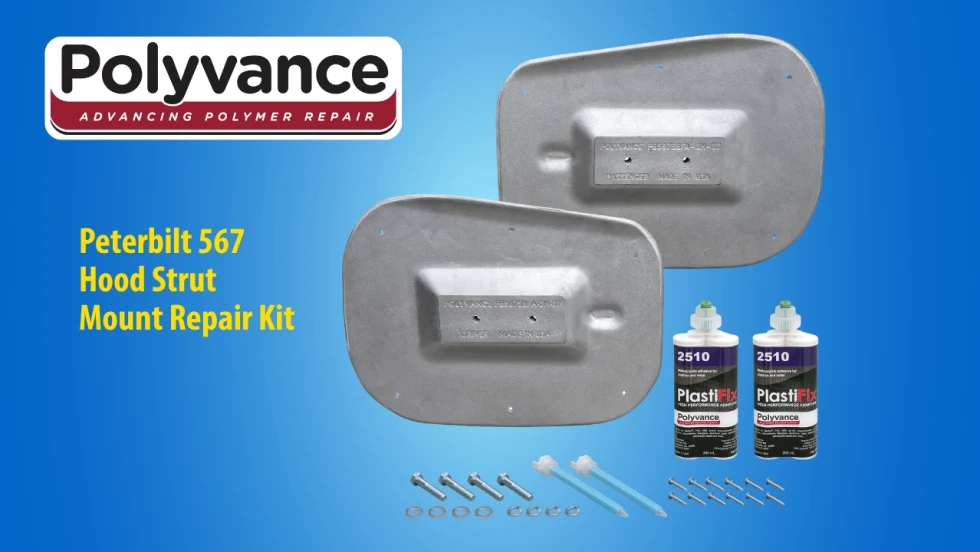
Polyvance Introduces New Peterbilt 567 Hood Strut Mount Repair Kit
Polyvance has launched a repair solution for Peterbilt 567 hood struts, helping truck owners and repair facilities avoid costly hood replacements.
Read More →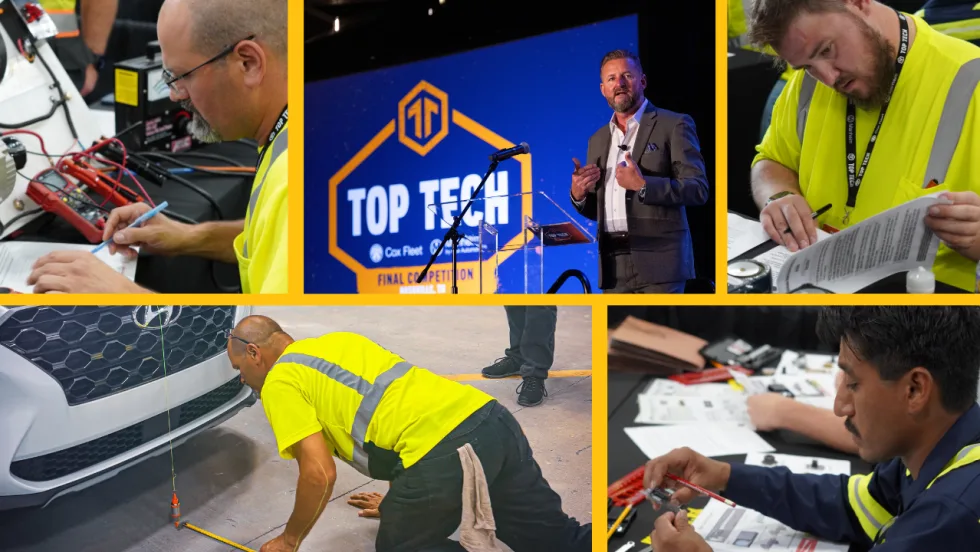
Cox Automotive Celebrates Technical Excellence at 2026 Top Tech Finals
The top technicians from Cox Fleet and Manheim tested their skills in Nashville, Tennessee, at Cox Automotive’s 2026 Top Tech Finals. The overall winners will advance to compete at the American Trucking Association’s TMC SuperTech competition.
Read More →
Grote Industries Appoints Vice President of North American Operations
Grote Industries has appointed Patrick Smith as vice president of North American operations as it celebrates 125 years of innovation and manufacturing excellence. He has more than 20 years of manufacturing leadership experience.
Read More →
Winter Fleet Prep: Expert Tips to Keep Vehicles Running Smoothly
Cold weather can expose weak batteries, tires, fuel systems, and maintenance gaps fast. Use this winter fleet checklist to prepare trucks and drivers before temperatures drop.
Read More →