




Maximizing Fleet Efficiency: Best Practices for Strict Preventive Maintenance
Pros and Cons of Outsourcing Fleet Maintenance for Work Trucks
The decision to outsource maintenance is a strategic choice that demands careful consideration. We have the pros and cons to help make an informed decision.

Hillary Weiss・Senior Editor
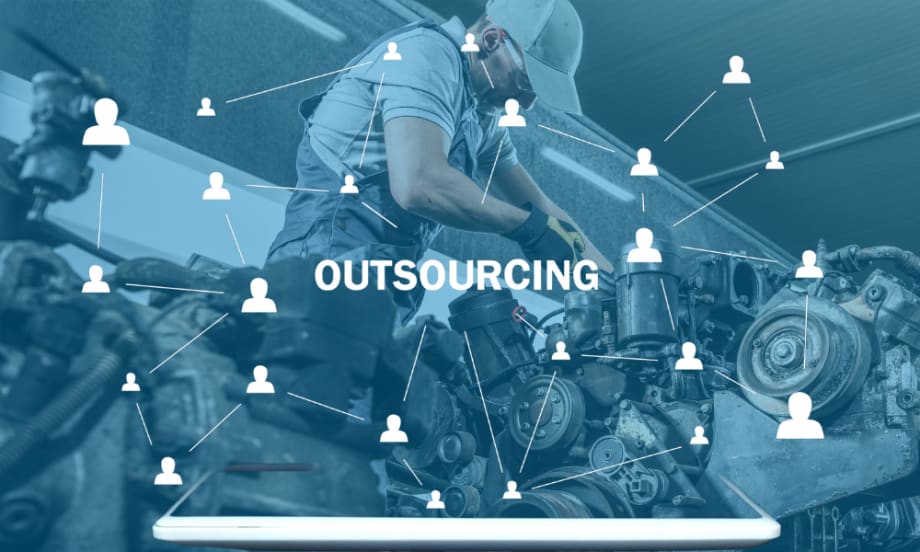
The pros and cons of outsourcing work truck maintenance.
Photo: Work Truck
3 min to read
When it comes to keeping track of truck maintenance, fleet managers often find themselves at a crossroads when deciding on the best approach.
One option that has gained prominence is outsourcing fleet maintenance.
While this strategy can offer numerous benefits, fleet managers need to weigh the pros and cons carefully.
Let’s dive into the intricacies of outsourcing fleet maintenance for work trucks to empower fleet managers with the knowledge to make informed decisions.
The Pros of Outsourcing Maintenance
Outsourcing fleet maintenance offers many benefits that can impact the efficiency and cost-effectiveness of managing a fleet of work trucks.
The following pros are:
Expertise and Specialization: Outsourcing fleet maintenance brings a specialized skill set. Professional maintenance providers often have dedicated teams with expertise in handling a diverse range of work trucks. This specialization ensures that vehicles receive top-notch care, enhancing their longevity and performance.
Cost Predictability: One of the key advantages of outsourcing maintenance is cost predictability. Fleet managers can establish fixed budgets, eliminating the uncertainties associated with in-house maintenance, such as unexpected repairs or equipment failures. This predictability aids in better financial planning for the entire fleet.
Access to Advanced Technology: Maintenance service providers frequently invest in state-of-the-art diagnostic tools and technologies. Outsourcing allows fleet managers to leverage these resources without incurring hefty upfront costs. This access to advanced technology can result in more efficient maintenance practices and reduced downtime for work trucks.
Focus on Core Competencies: By outsourcing maintenance tasks, fleet managers can redirect their focus and resources toward core competencies, such as optimizing routes, improving logistics, and enhancing overall fleet management strategies. This shift allows for a more streamlined and efficient operation.
Reduced Administrative Burden: Managing an in-house maintenance team involves administrative tasks, such as hiring, training, and workforce management. Outsourcing eliminates these burdens, allowing fleet managers to redirect their energy towards strategic decision-making and overall fleet optimization.
The Cons of Outsourcing Maintenance
While outsourcing fleet maintenance can offer numerous advantages, it also presents challenges that fleet managers must navigate.
The following cons for outsourcing maintenance are:
Loss of Control: One of the primary concerns associated with outsourcing is the potential loss of control over the maintenance process. Fleet managers may feel detached from day-to-day operations and face challenges in ensuring that service providers align with their specific standards and expectations.
Risk of Service Quality Discrepancies: Depending on the chosen service provider, there may be variations in the quality of maintenance services. Fleet managers must carefully vet potential partners to mitigate the risk of subpar maintenance practices that could negatively impact work truck performance and reliability.
Dependency on External Factors: External factors, such as the financial stability of the maintenance provider or fluctuations in the broader economy, can affect the outsourcing arrangement. Fleet managers must assess these external risks and implement contingency plans to safeguard against potential disruptions.
Potential Communication Challenges: Effective communication is vital for successful fleet management. When maintenance is outsourced, there's a risk of miscommunication or delays in information flow between the fleet manager and the service provider. Establishing clear communication channels is essential to mitigate this risk.
Choosing the Right Decision for Your Fleet’s Needs
The decision to outsource maintenance is a strategic choice that demands careful consideration.
Fleet managers must weigh the benefits of specialized expertise, cost predictability, and access to advanced technology against the potential drawbacks of loss of control, service quality discrepancies, and external dependencies.
By making informed decisions, fleet managers can navigate the road ahead with confidence, optimizing their work truck fleets for peak performance and longevity.
Subscribe to Our Newsletter
More Maintenance & Uptime
Hunter Engineering Enters Collaborates with Bosch for Remote Diagnostics Service Through ADASLink
Hunter Engineering’s collaboration with Bosch enables ADASLink to connect directly with Bosch diagnostic experts through an integrated remote support platform, allowing shops to service more vehicles.
Read More →
Mack Adds Chassis Coverage Options for Fleet Repair Costs
Mack Trucks introduced four system-specific chassis coverage plans, giving fleets more flexibility to manage repair costs for driveline, HVAC, electronics, safety systems, and other components.
Read More →
GM Launches ‘30 Under 30’ Program to Elevate Automotive Service Technicians and Inspire the Next Generation
The GM Automotive Service Technicians 30 Under 30 program honors GM service technicians under the age of 30 who demonstrate continuous technical training, exemplary customer service, mentorship, and leadership.
Read More →From Our Partners
How JASPER Keeps Fleets Moving and Profitable
Sponsored by Jasper Engines & Transmissions
Basic Tracking vs Next Generation Fleet Technology
Sponsored by AT&T Business
5 Facts Every Fleet Manager Should Know About Embedded Telematics
Sponsored by Stellantis/Mobilisights
How AI Video Telematics Boosts Driver Safety and Helps to Avoid Unnecessary Costs
Sponsored by Verizon Connect

Charting the 8 Bottom-Line Benefits of Workforce Optimization
Sponsored by Verizon Connect

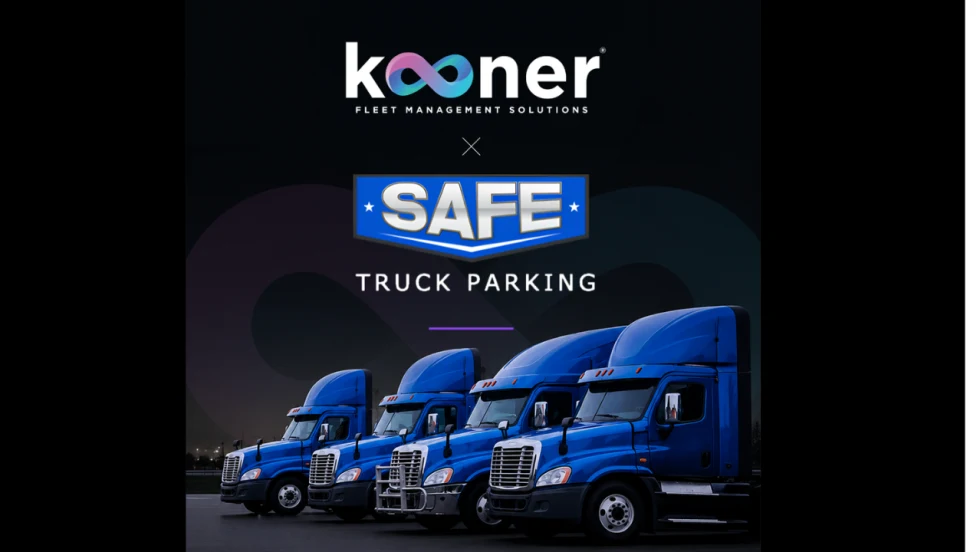
Kooner Fleet Management Solutions Named Exclusive On-Site Fleet Maintenance Provider for Safe Truck Parking
A strategic partnership between Kooner Fleet Management Solutions and Safe Truck Parking brings mobile maintenance and 24/7 repair services directly to Safe Truck Parking locations, beginning in San Diego, California, with nationwide expansion planned.
Read More →
Building a Better Vehicle Replacement Model
Meter readings still matter, but engine hours, idle time, maintenance trends, and utilization can help fleets spot costly vehicles before the odometer does.
Read More →
Sponsored•September 21, 2026
How JASPER Keeps Fleets Moving and Profitable
Every business decision within fleet management ultimately comes down to financial performance. Investing in dependable replacement powertrain components and responsive support can measurably impact the bottom line.
Read More →
Ryder Honors 2026 Top Technician at 25th Anniversary Skills Competition
Hosted in Nashville, Ryder’s 25th annual Top Technician Skills Competition honored the best technicians across the U.S. and Canada. Top Tech celebrates technician expertise while promoting growth, recognition, and camaraderie. Here are the winners.
Read More →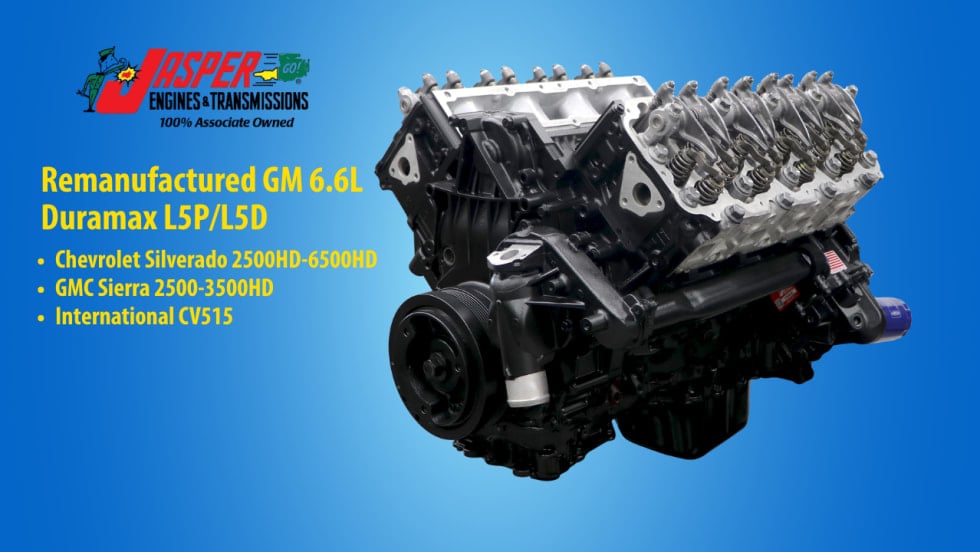
Jasper Offers GM 6.6L Duramax L5P/L5D Complete Format Diesel Engines
Jasper Engines & Transmissions now offers the remanufactured GM Duramax 6.6L L5P/L5D as a complete format engine for several General Motors and International 2017-2023 HD pickup trucks.
Read More →
Armor Equipment Strengthens Minnesota Service Capabilities with Acquisition of Dakota Truck
Armor Equipment has acquired Dakota Truck, a medium- and heavy-duty truck and trailer repair business based in Lakeville, Minnesota. The acquisition adds truck and trailer repair expertise, building on Armor’s expansion into the Upper Midwest.
Read More →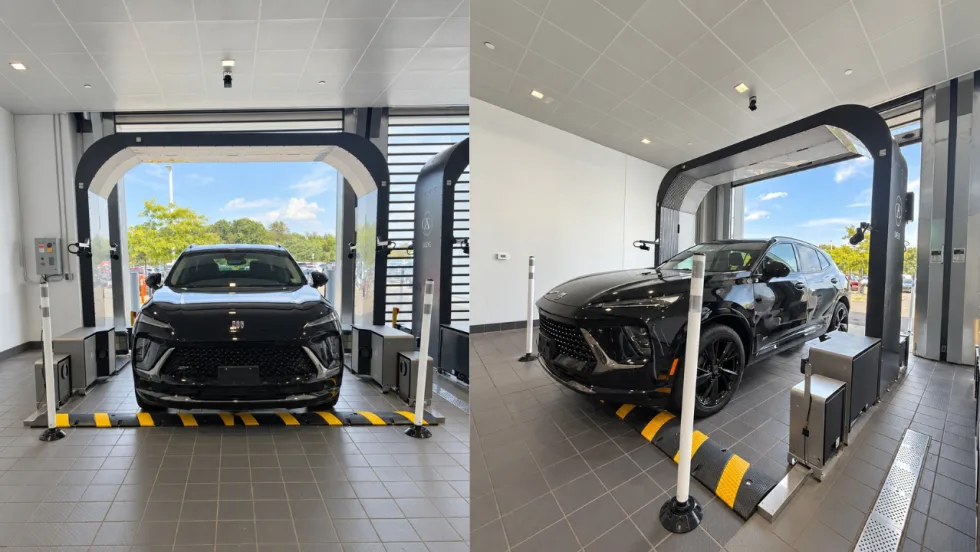
LaFontaine Partners With UVeye to Expand AI Vehicle Inspections in Michigan
LaFontaine is expanding UVeye AI vehicle inspections across Michigan, while UVeye tells Work Truck how the technology can support fleet maintenance and heavy-duty vehicle inspections.
Read More →