





Watch Now: What It’s Really Like to Be a Technician | Shades of Fleet
As Maintenance Costs Rise, Some Work Trucks and Vans Cost Thousands Less to Maintain
Maintenance costs are still climbing, but some 2026 pickups and cargo vans could save fleets thousands per vehicle. The real surprise is not just how much they cost to maintain, but how often they need to leave the road.
August 5, 2026
Work Truck compares projected scheduled-service and wear-item costs for selected 1/2-ton pickups and cargo vans to help fleets better understand long-term maintenance expenses.
Credit:
Work Truck
5 min to read
Maintenance has become a major pressure point for work truck fleets. The cost of vehicle maintenance and repairs increased 41% between 2020 and 2025, according to federal inflation data, and prices continued rising into 2026. Parts and labor cost more, while technician availability has tightened, particularly for diesel vehicles.
TechForce Foundation estimates that automotive technician program completions fall 29% short of annual industry demand. For diesel technicians, the gap reaches 52%.
Fleets can’t control the technician shortage, but they can consider how vehicle selection affects the amount and type of maintenance they are likely to buy. Maintenance may not be the first consideration when spec’ing a pickup or cargo van, but it becomes increasingly important when costs and service events are multiplied across hundreds of units.
To examine those differences, Work Truck reviewed Vincentric lifecycle cost projections for 11 model-year 2026 pickup and cargo-van configurations. The analysis covers three years or 60,000 miles and separates manufacturer-scheduled services from expected wear items such as tires, brakes, wiper blades, and bulbs, which Vincentric classifies as unscheduled maintenance.
Vincentric treats repairs, defined as unexpected services, as a separate category. Repairs and warranty work are not included. The results are not comprehensive segment rankings or vehicle recommendations. Instead, they illustrate what fleets may overlook when maintenance costs and service frequency are excluded from the spec’ing process.
Maintenance Costs Vary within Truck and Van Segments
The difference between the lowest- and highest-cost examples was $1,686 among the six selected 1/2-ton pickups. Among the five selected cargo vans, the spread reached $2,842 per vehicle.
Those differences may not determine which vehicle a fleet should acquire. Payload, towing capacity, upfit compatibility, range, and operating requirements remain fundamental considerations. However, a projected maintenance difference that appears modest for one unit can become material at scale.
A $1,500 difference across 500 vehicles, for example, represents $750,000 during the replacement cycle.
The composition of the expense matters, too. One vehicle may have relatively low scheduled service costs but higher projected spending on tires, brakes, and other wear items. Another may require more frequent or expensive scheduled service. Looking beneath the total shows fleets not only how much they may spend, but where that expense is expected to originate.
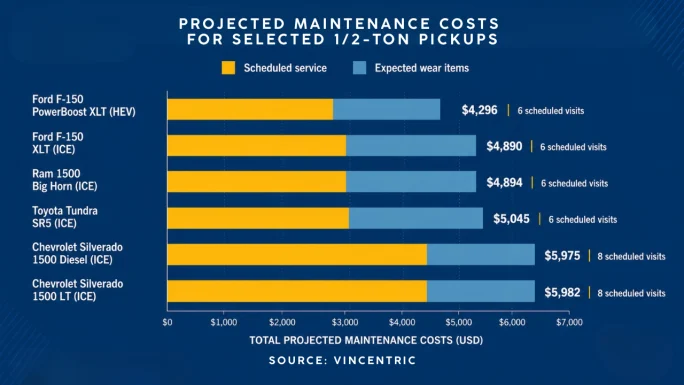
Projected maintenance costs for selected 1/25-ton pickups range from $4,296 to $5,982, with the two Chevrolet Silverado models requiring the most scheduled visits.
Credit:
Work Truck | Data from Vincentric
F-150 PowerBoost Leads the Pickup Comparison
The Ford F-150 PowerBoost has the lowest projected maintenance cost among the six selected 1/2-ton pickups at $4,296 over three years or 60,000 miles.
That is $594 less than the conventional F-150 configuration and nearly $1,700 below the selected Chevrolet Silverado gasoline and diesel models.
The result strengthens the hybrid pickup’s total cost of ownership case. Hybrids are often evaluated primarily on fuel consumption and acquisition cost, but the projection indicates that the PowerBoost can also be competitive on maintenance during a typical three-year replacement cycle.
Fleets retaining trucks beyond 60,000 miles should extend the analysis, as maintenance requirements and component risks can change as vehicles age.
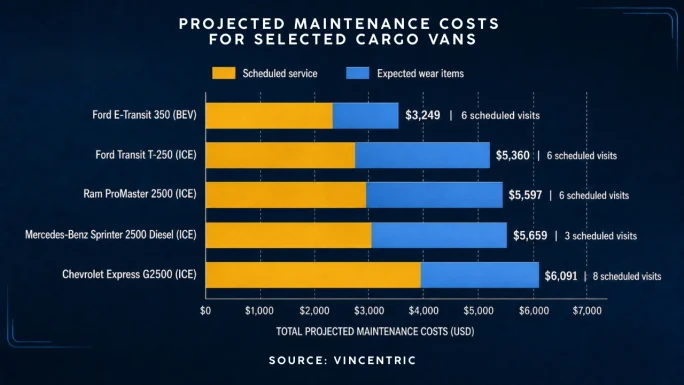
Projected maintenance costs for selected cargo vans range from $3,249 to $6,091, with scheduled service visits varying by model.
Credit:
Work Truck | Analysis by Vincentric
E-Transit Posts the Lowest Cargo-Van Total
The battery-electric Ford E-Transit has the lowest projected maintenance cost among the five selected cargo vans.
Its performance reflects some of the mechanical advantages associated with BEVs, including fewer fluids and powertrain-related service items. However, electrification does not eliminate maintenance. Tires, brakes, wiper blades, bulbs, inspections, and other services remain part of the operating cycle.
Electric vans must also meet the fleet’s range, charging, payload, upfit, and route requirements. The E-Transit’s maintenance advantage is one part of the acquisition decision, not a substitute for a complete operational and TCO analysis.
Vehicle Service Frequency Affects Uptime
For revenue-generating pickups and vans, the maintenance invoice may not be the largest consequence of a service visit. Canceled appointments, delayed projects, employee overtime, replacement rentals, and dissatisfied customers can cost more. That makes scheduled service frequency another specification to examine.
Vincentric projects three scheduled maintenance visits for the Mercedes-Benz Sprinter over three years or 60,000 miles. It projects six for the E-Transit, Ford Transit, and Ram ProMaster and eight for the Chevrolet Express.
The Sprinter does not have the lowest projected maintenance cost, but its 20,000-mile service interval could provide operational value for fleets focused on keeping vans in service.
Among the pickups, the F-150, F-150 PowerBoost, Ram 1500, and Toyota Tundra each have six projected scheduled visits. The two selected Silverados have eight.
Two additional visits may appear inconsequential for one truck. Across 500 units, however, they create 1,000 additional service events during the replacement cycle. Each requires scheduling, driver time, vehicle movement, and potentially replacement transportation. Even manufacturer-paid service is not operationally free.
Examining the Impact of Factory-Paid Maintenance
Several vehicles include factory-paid scheduled maintenance for part of the three-year cycle. These programs can reduce direct expenses, but fleets should understand what they cover, how long the coverage lasts, and whether participating service locations align with their operating footprint.
Complimentary maintenance offers limited value if the nearest authorized location is far from the vehicle’s route or appointment availability keeps the unit out of service longer than an independent shop would.
Coverage expiration also matters for fleets with longer replacement cycles. A favorable three-year projection may not continue into years four, five, or six.
Put Maintenance Into the Spec’ing Process
The lowest-maintenance pickup may not provide the required payload, towing capacity, or configuration. The lowest-cost van may not meet the fleet’s upfit, range, or charging requirements. A vehicle with higher projected maintenance costs might deliver greater uptime, stronger resale value, or a lower overall TCO.
Maintenance should nevertheless have a defined place in the spec’ing discussion. Fleets should compare projections over their intended replacement cycles, separate scheduled service from wear items, review factory-paid coverage, and consider the operational impact of service frequency.
For pickups and cargo vans supporting field operations, the question is not simply what maintenance will cost. It is how often the vehicle will require attention and what happens to the operation each time it does.
Want to dig deeper into 27 fleet vehicles including SUVs and passenger cars? Automotive Fleet has you covered. Read the full analysis report here!
Subscribe to Our Newsletter
More Maintenance & Uptime

Armor Equipment Strengthens Minnesota Service Capabilities with Acquisition of Dakota Truck
Armor Equipment has acquired Dakota Truck, a medium- and heavy-duty truck and trailer repair business based in Lakeville, Minnesota. The acquisition adds truck and trailer repair expertise, building on Armor’s expansion into the Upper Midwest.
Read More →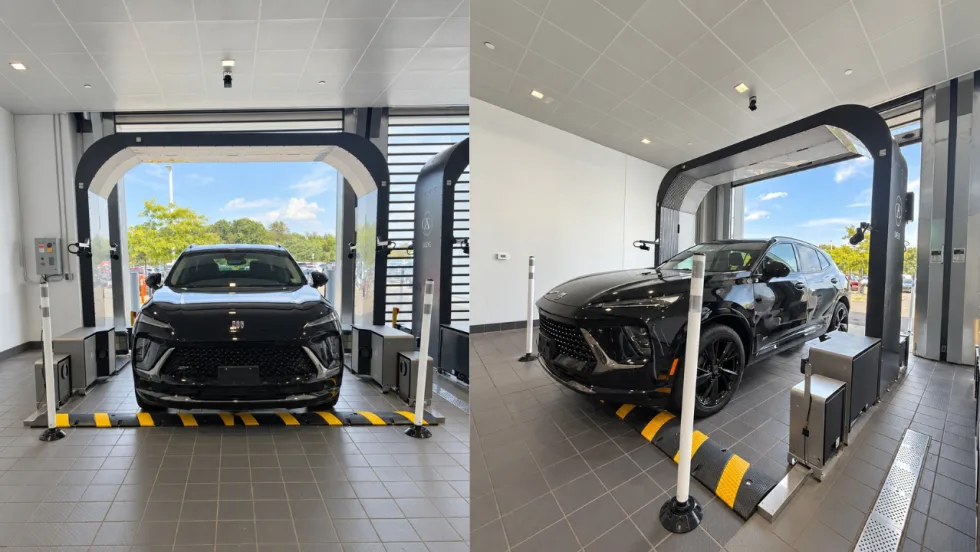
LaFontaine Partners With UVeye to Expand AI Vehicle Inspections in Michigan
LaFontaine is expanding UVeye AI vehicle inspections across Michigan, while UVeye tells Work Truck how the technology can support fleet maintenance and heavy-duty vehicle inspections.
Read More →
Les Schwab Expands Commercial Tire Footprint Into Arizona
Les Schwab Tires has expanded into Arizona with two commercial tire locations in Phoenix and Tucson, strengthening its fleet service footprint in the Southwest.
Read More →From Our Partners


Volvo Trucks’ 'Lock and Leave' Software Updates Go Live Across North America
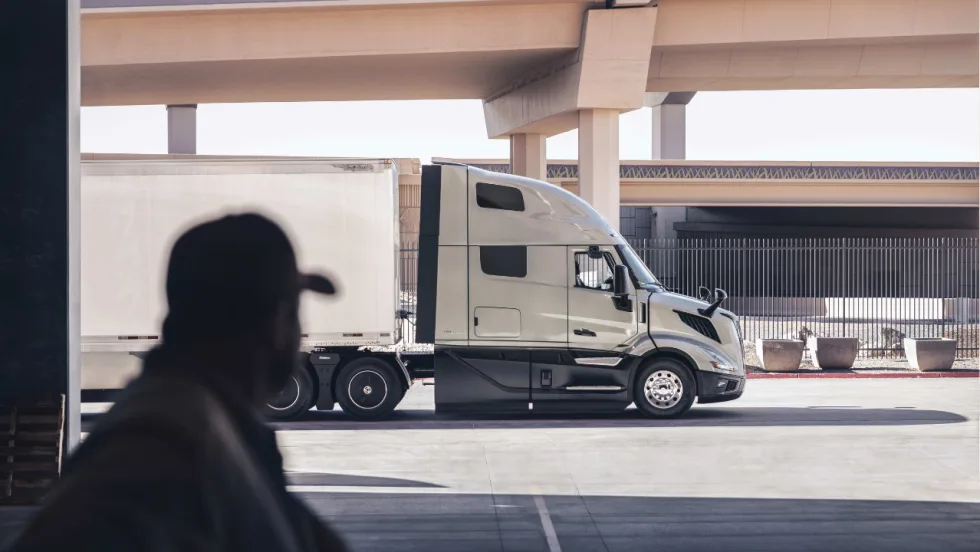
Unattended over-the-air software updates are now available in Volvo trucks across the U.S. and Canada. The new capability lets trucks stay current with the latest software without interrupting operations or requiring a dealership visit.
Read More →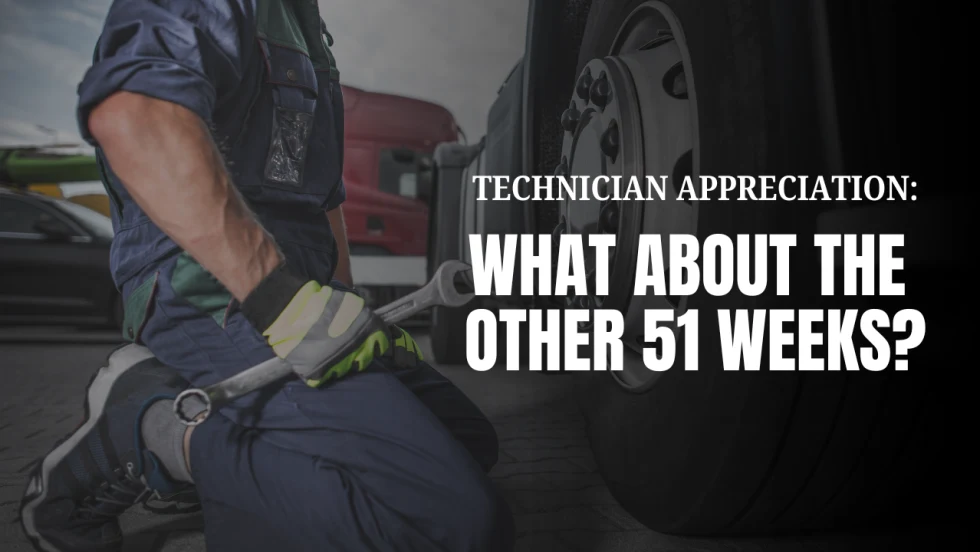
Why Technician Appreciation Can’t Be a Once-a-Year Thought
For fleets trying to keep skilled technicians, recognition cannot begin and end with Technician Appreciation Week. Learn what year-round appreciation really looks like and why the everyday technician experience matters just as much as pay when fleets are trying to keep good people.
Read More →
How Faster Driver Reporting Can Keep Small Truck Problems Small
When minor damage, warning lights, or equipment issues are reported late, small problems can quickly become bigger maintenance headaches. Conversational AI can help shorten the path from what a driver notices in the field to the person who can act on it.
Read More →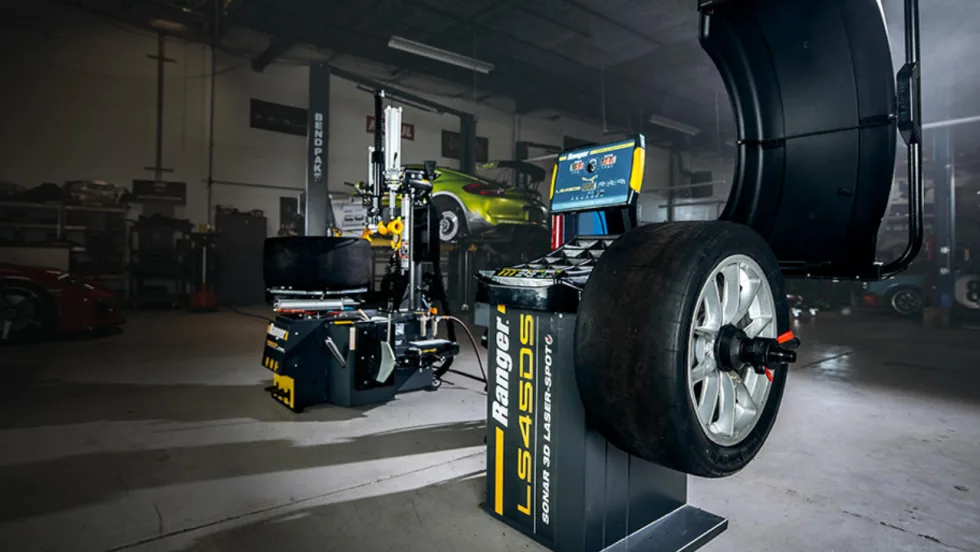
BendPak’s Ranger Wheel Service Equipment Achieves North American Safety Certification
BendPak’s full line of Ranger tire changers and wheel balancers has been ETL certified to UL and CSA standards to improve operator safety.
Read More →
Isuzu & U.S. Department of Labor Celebrate Milestone for Veterans Apprenticeship Program
The Isuzu Veterans Apprenticeship Program (IVAP) signing ceremony highlighted Isuzu’s long-term commitment to veterans, Isuzu dealers, and the skilled workforce supporting its customers and the commercial transportation industry.
Read More →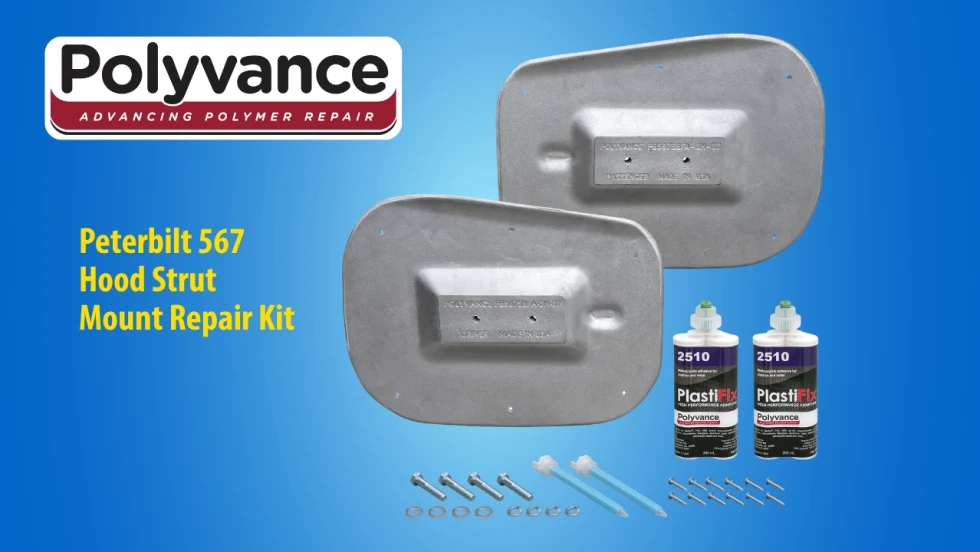
Polyvance Introduces New Peterbilt 567 Hood Strut Mount Repair Kit
Polyvance has launched a repair solution for Peterbilt 567 hood struts, helping truck owners and repair facilities avoid costly hood replacements.
Read More →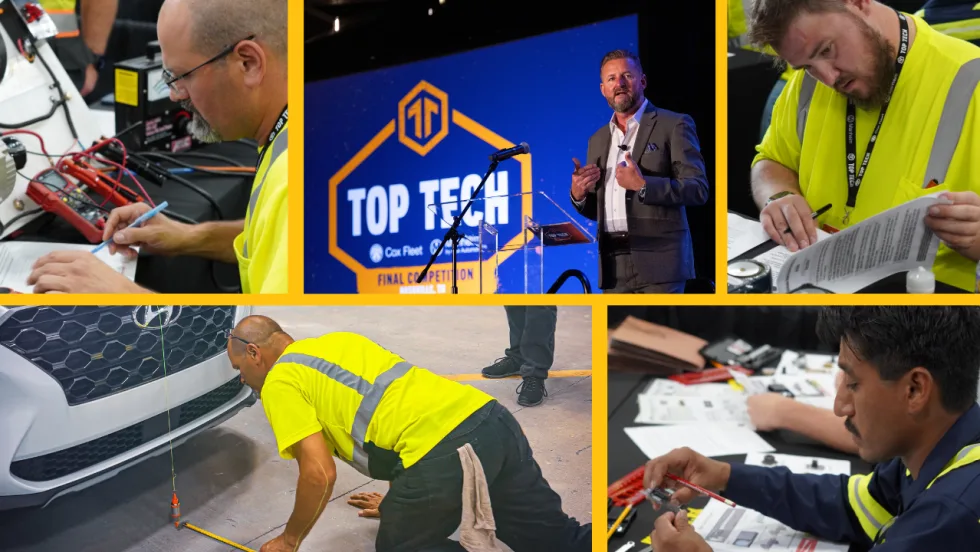
Cox Automotive Celebrates Technical Excellence at 2026 Top Tech Finals
The top technicians from Cox Fleet and Manheim tested their skills in Nashville, Tennessee, at Cox Automotive’s 2026 Top Tech Finals. The overall winners will advance to compete at the American Trucking Association’s TMC SuperTech competition.
Read More →