





Read More: How Work Truck Fleets Can Use AI to Improve Compliance Without Increasing Risk
How Faster Driver Reporting Can Keep Small Truck Problems Small
When minor damage, warning lights, or equipment issues are reported late, small problems can quickly become bigger maintenance headaches. Conversational AI can help shorten the path from what a driver notices in the field to the person who can act on it.
September 8, 2026

Conversational reporting can move the maintenance conversation closer to the vehicle, prompting drivers for details, photos, and other context while the problem is still in front of them instead of trying to reconstruct it hours later.
Credit:
Work Truck
9 min to read
- Timely reporting of minor truck issues can prevent them from escalating into larger maintenance problems.
- Drivers noticing problems in the field can leverage conversational AI to quickly communicate issues.
- Immediate action on driver-reported issues can help maintain vehicle efficiency and safety.
*Summarized by AI
A cracked taillight catches a driver’s eye during a walkaround or a warning light flickers on halfway through the route. Maybe a bumper feels a little loose after a tight job site maneuver. None of it seems serious enough to stop the truck, call maintenance, and throw the day's schedule off.
So, the driver makes a mental note to report it later. Then, later gets crowded. Another stop is on the schedule, a customer is waiting, there is equipment to unload, paperwork to finish, and maybe three other things that need attention before the truck gets back to the yard. By the end of the shift, that minor issue may be reduced to a rushed comment, a vague note, or nothing at all.
For work truck fleets, that is often how bigger maintenance headaches begin, not with a dramatic roadside breakdown, but with something small that was noticed early and did not make it to the right person soon enough. The problem isn't that drivers don't care about vehicle condition; it’s that reporting often competes with the actual job the truck is there to support.
And when the process depends on remembering an issue hours later, tracking down the right person, or filling out another form at the end of a long day, even useful information can get lost along the way.
That makes the time between “something doesn’t look right” and “fleet knows about it” worth paying attention to. But conversational AI is giving fleets another way to shorten that gap by letting drivers report what they see while the problem and the details around it are still fresh.

A cracked taillight may seem like something that can wait, but small problems are often where bigger maintenance headaches begin when what the driver notices does not make it to fleet or maintenance quickly enough.
Credit:
Work Truck
Getting the Problem Out of the Cab
The first challenge is often not deciding what to do about a problem. It is getting the problem out of the cab in the first place. A driver may notice a cracked windshield during a stop, hear a new rattle coming from the back of the truck, or realize a light was damaged somewhere along the route. None of those necessarily means the truck is going to the shop immediately. But someone still needs to know.
That is where the reporting process can start working against the fleet.
If the driver has to remember the issue several hours later, find the right person, explain what happened, and possibly complete another form, every extra handoff creates another chance for information to get watered down or disappear altogether.
Oleg Cytowicz has seen that problem from the fleet manager’s side of the desk. A longtime fleet professional and one of Work Truck’s Legends of Fleet, Cytowicz now serves as business development lead for Connex2X, bringing years of firsthand experience managing vehicles, drivers, maintenance needs, and the day-to-day realities that can make seemingly simple reporting processes harder than they look.
That experience shapes how he views the gap between when a driver notices something and when fleet leadership actually hears about it. Connex2X built its NEXi platform around voice-guided inspections and in-trip reporting, allowing drivers to document an issue closer to the moment they notice it rather than waiting until the truck returns.
“Anything that the driver submits is on the fleet manager’s dashboard,” Cytowicz said.
That can include pre- and post-trip inspections as well as problems that come up while the vehicle is working. The technology itself is only part of the point. Operationally, what matters is that the cracked light or damaged bumper no longer has to survive the rest of the driver’s day before the fleet hears about it. And in a vocational operation, a lot can happen between 10 a.m. and the end of a shift.
When Maintenance Doesn’t Know What the Driver Knows
Anyone who has spent time around a shop has probably seen the other side of this problem. A truck comes in for one known repair. Once it is in the bay, someone notices something else. Then something else.
Maybe maintenance knew about the warning light but not the damaged bumper. Maybe the driver had been hearing a noise for several days but assumed it could wait. Suddenly, a repair visit that looked fairly straightforward has a longer punch list than anyone planned for.
Joe Zucchero, co-founder and CTO of Connex2X, said conversations with service managers helped bring that disconnect into focus for the company.
“This is not just for compliance,” Zucchero said. “It’s also for people who want to stay on top of their fleet.”
That distinction matters because inspections, particularly around commercial vehicles, tend to get framed around compliance. Was the inspection completed? Were the required items checked? Is there a record? Those things matter, of course. But from a maintenance standpoint, the information can answer another very practical question: What changed on this truck since the last time someone looked at it?
That does not mean every new scrape, warning, or odd noise becomes an emergency. Some problems can wait until the truck’s next planned service. Some need to be watched. Others may be enough to change the day entirely, whether that means bringing the vehicle back early or taking it out of service.
Fleet and maintenance can make those calls. They just cannot make them based on information they do not have.
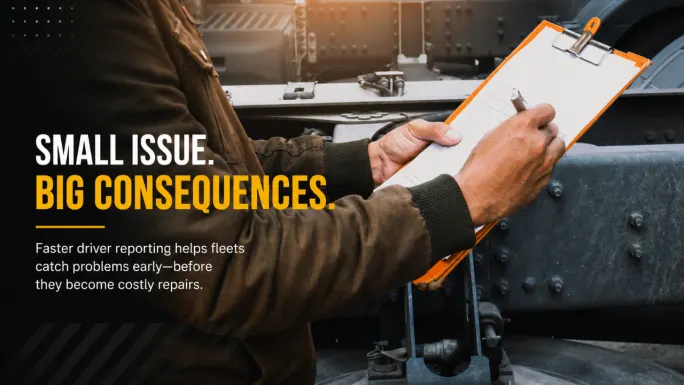
nspections capture what a fleet knows at a specific moment. The bigger challenge is making sure issues noticed later on the road do not have to wait until the next inspection, maintenance visit, or end-of-day conversation to reach the right person.
Credit:
Work Truck
A Better Report Is More Than 'Truck Making Noise'
Of course, speed only helps if the information arriving is useful. “Truck making noise” tells maintenance something is wrong. It does not tell them much else.
What kind of noise? When does it happen? Is it coming from the front or rear? Did it start after hitting a pothole, operating equipment, or leaving a jobsite? Is there anything visible that might help explain it? Those are often the questions someone has to ask later, assuming the driver is still available and remembers the details.
Conversational reporting can move some of that questioning closer to the truck. A guided process can prompt the driver for additional detail, request a photo, or walk through the next required step while the issue is still in front of them.
That context becomes even more useful when paired with information coming from the vehicle itself.
Connex2X, for example, can incorporate vehicle data through an OBD-II device, and Cytowicz said the system can also work with other fleet technology providers. Some reporting functions do not require the device at all.
But more data by itself is not much of a victory. Fleet managers are not exactly sitting around wishing they had another stream of information to sort through.
The useful part is connecting the different pieces. The driver knows what they saw, heard, or felt. The vehicle may have its own data about what happened. Maintenance knows what those details mean in the context of the truck’s history and workload. Bringing those pieces together gives the decision-maker a better starting point than a vague note hours later.
The Report Still Has to Go Somewhere
Capturing the information is only half the job. The next question is one fleets know well: Who owns it now?
In some operations, that answer is simple. The fleet manager sees the report and makes the call. In others, the information may need to reach maintenance, safety, risk management, an FMC, a collision management provider, or some combination of them. The workflow gets especially important once an issue crosses over from routine maintenance into something bigger.
Zucchero described accident reporting as one example. Instead of expecting a driver who has just been involved in an incident to remember every step in the company’s process, a guided workflow can walk through documenting the damage, gathering information from another vehicle, and notifying the people the fleet has already designated.
The circumstances may be more dramatic, but the underlying lesson is the same, whether it's a cracked light or a damaged mirror. A report sitting somewhere is not the same thing as a problem being managed.
Connex2X allows fleets to route submitted information to outside providers and internal teams, according to Cytowicz. That matters less as a product feature than as a reminder that any reporting process has to fit the way the fleet actually operates.
Adding another inbox, dashboard, or system someone has to remember to check can create a different version of the same problem. The handoff has to end with the person who can act on it.
The Truck Is More Than the Truck
Another wrinkle for vocational fleets is that traditional vehicle diagnostics don't always capture it. Sometimes nothing is mechanically wrong with the truck at all.
The problem is the hand truck that never made it back onboard. Or a missing piece of safety gear. Or equipment that was damaged at the previous job. The engine can start perfectly, every diagnostic can look normal, and the vehicle can still show up unable to do the work it was dispatched to handle.
Connex2X encountered that kind of use case with a customer that wanted drivers prompted to confirm that hand trucks had been returned to the vehicle after use. It sounds small until the truck arrives at the next stop without one.
That is the reality of vocational fleets. The vehicle, its upfit, tools, and the equipment riding on it often function as one working unit. “Ready to work” means more than mechanically healthy. It also means the crew has what it needs, accounted for and usable.
That gives fleets another reason to think about inspections as more than a compliance exercise. A good inspection process can answer not only whether a truck is safe to operate, but whether it is actually ready for the day ahead.
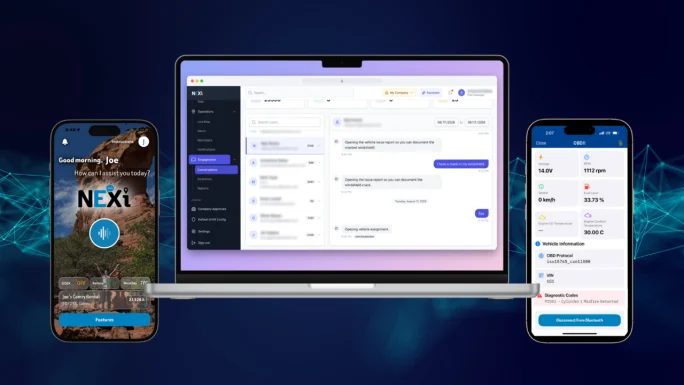
Connex2X combines driver conversations, submitted reports, and available vehicle information so fleet managers can see what the driver knows alongside other data and decide what needs attention next. The goal is not simply collecting more information, but getting useful context to the person who can act on it.
Credit:
Connex2x | Work Truck
Shortening the Distance Between Report and Repair
None of this removes the human part of maintenance. Someone still has to look at the information, understand what it means, decide how serious the problem is, schedule the work, and get the truck back into service. Nor should every minor issue automatically trigger a repair order or send a truck racing back to the yard.
The opportunity is simpler than that: shortening the distance between the driver who knows something changed and the person responsible for deciding what happens next.
That is where conversational AI may have one of its more practical roles in a work truck fleet. Drivers already know how to describe what they see, hear, and feel. The opportunity is to make that conversation part of the reporting process while the details are still fresh, then help turn what the driver says into information the fleet can use.
That does not mean replacing the fleet manager, technician, or maintenance decision with AI. It means giving those people a clearer picture sooner, without asking the driver to remember every detail hours later or forcing the information through several handoffs first.
For fleets evaluating where AI belongs in their operations, that may be the bigger takeaway. The most useful application may not be one that decides for you. It may make it easier for the people closest to the truck to tell you what is happening and get that information to the people who know what to do with it.
Because a cracked light is still a cracked light, the difference is whether maintenance hears about it while it is a small problem or discovers it three days later when the truck is already in the shop for something else.
Quick Answers
Prompt reporting of minor truck problems is crucial because it prevents these issues from escalating into major maintenance headaches, ensuring safety and reducing repair costs.
*Summarized by AI
Subscribe to Our Newsletter
More Technology & AI
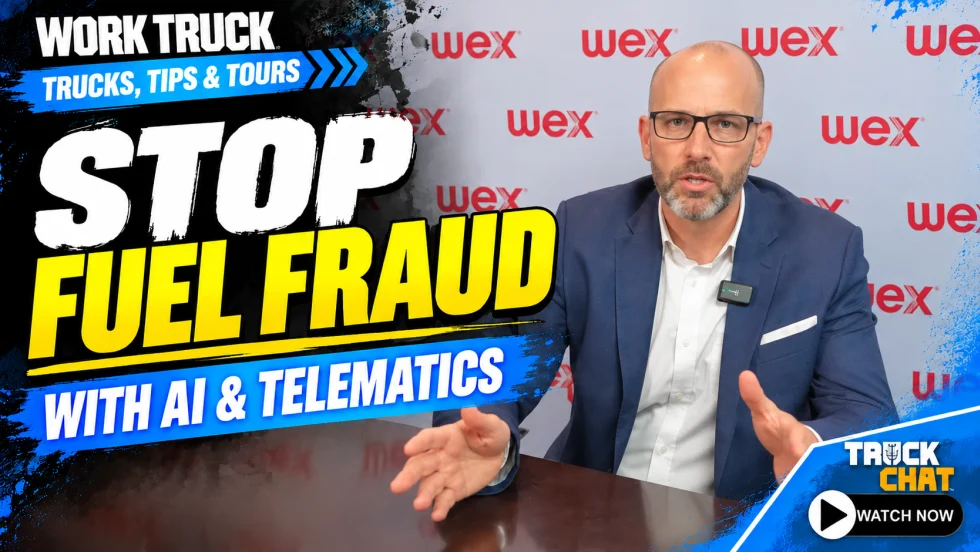
How Fleets Can Use Technology to Fight Fuel Fraud
Fuel fraud and theft remain significant challenges for commercial fleets, whether the problem involves third-party fraud or driver misuse. In this video, David Abraham of WEX explains how SecureFuel uses vehicle geolocation, telematics, transaction information, and AI to help fleet managers identify suspicious fuel purchases and make more informed decisions.
Read More →
Can AI Agents Help Small Work Truck Fleets Do More With Less?
Motive's new AI Agents automate fleet safety, maintenance, compliance, and dispatch tasks. Here's how they work for smaller fleets, what managers control, and what early users are seeing.
Read More →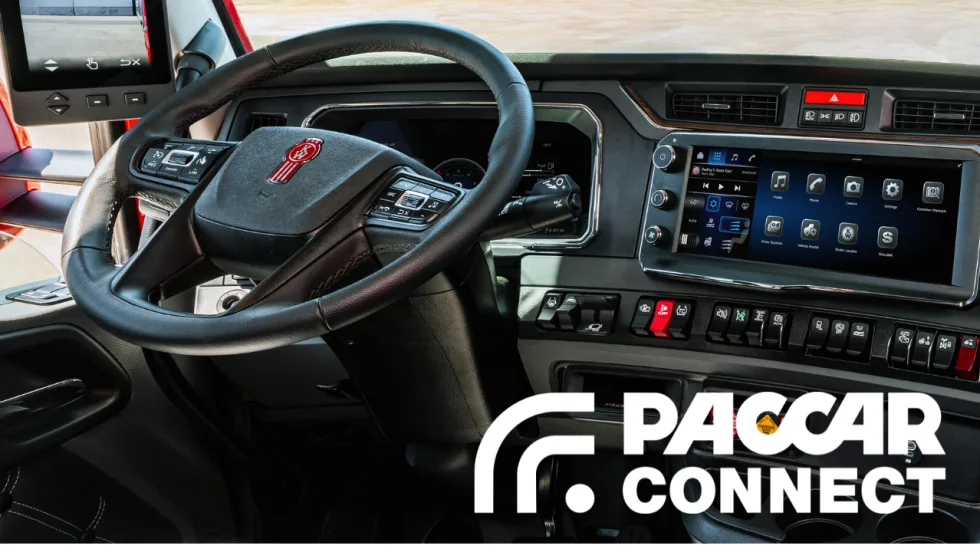
Paccar Launches Paccar Connect for Peterbilt and Kenworth Trucks
The new Paccar Connect offers touchscreen displays, telematics capabilities, and an expanding app ecosystem to boost productivity and streamline driver workflows.
Read More →From Our Partners
Basic Tracking vs Next Generation Fleet Technology
Sponsored by AT&T Business
5 Facts Every Fleet Manager Should Know About Embedded Telematics
Sponsored by Stellantis/Mobilisights
How AI Video Telematics Boosts Driver Safety and Helps to Avoid Unnecessary Costs
Sponsored by Verizon Connect

Charting the 8 Bottom-Line Benefits of Workforce Optimization
Sponsored by Verizon Connect

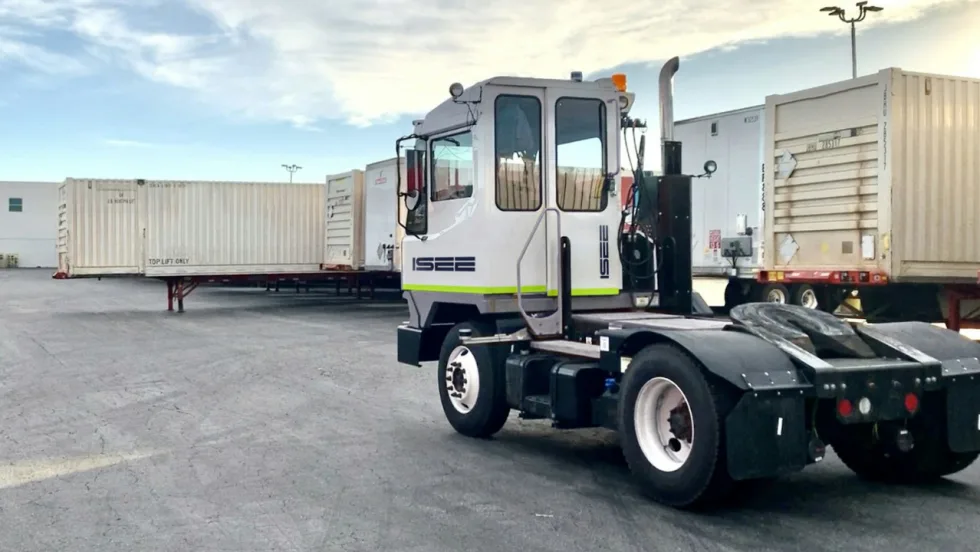
Holman and ISEE Partner to Expand Autonomous Yard Truck Operations
The partnership combines Holman's fleet management and upfitting capabilities with ISEE's autonomous driving technology to help businesses deploy and manage driverless yard trucks.
Read More →
Who You Gonna Call? Rivian Turns Electric Vehicles Into Ghostbusters Rides
Rivian teams up with Sony Pictures for a Ghostbusters-inspired Halloween software update, complete with custom sounds, lighting effects, and a special Ecto-R1.
Read More →
The Second Trip and What Missing Tools Really Cost a Service Business
For service fleets, missing tools and equipment can lead to second trips, lost technician time, higher operating costs, and delayed jobs. Equipment tracking can help HVAC, plumbing, electrical, landscaping, and other service businesses improve visibility and reduce downtime.
Read More →
GeoFencing Adds to Your Truck Security Arsenal
Geofencing is a familiar fleet tool today, but its early adoption marked a major shift in vehicle tracking, route monitoring, and the debate over employee privacy.
Read More →
Geotab Data Shows Regional Trucking Growing Faster as Last Mile Routes Get Denser
Geotab's first U.S. supply chain report finds stable long-haul activity, stronger regional freight movement, tighter hub-and-spoke utilization, and more last-mile trips on shorter routes.
Read More →
When Fleet Technology Helps and When It Just Adds Complexity
New technology can help fleets work smarter, but only if it solves the right problem. Lauren Fletcher talks with AP Fleet’s Alex Coveney about innovation, AI, data, and knowing when a new solution is actually worth adopting.
Read More →
Volvo Trucks’ 'Lock and Leave' Software Updates Go Live Across North America
Unattended over-the-air software updates are now available in Volvo trucks across the U.S. and Canada. The new capability lets trucks stay current with the latest software without interrupting operations or requiring a dealership visit.
Read More →