





Fleet Tips: Maintaining Dispersed Truck Fleets
Commercial & Vocational Fleet Maintenance Trends in 2024
An aging workforce and truck fleet, overlooked preventive maintenance, and growth of technology in this space are just a few trends commercial fleets are seeing heading into the new year.
January 29, 2024
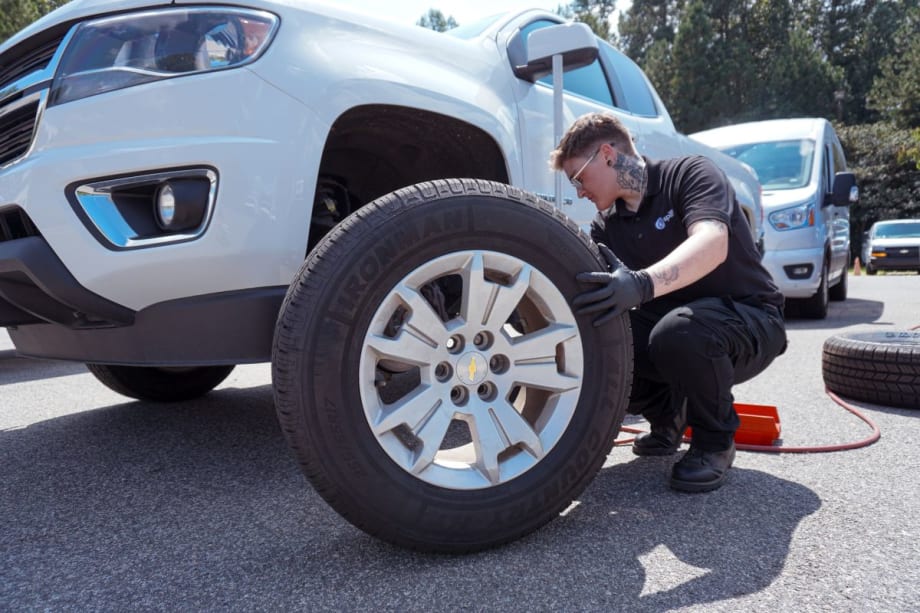
One major challenge fleets face is overlooked preventive maintenance (PM) needs.
Photo: Spiffy
12 min to read
Keeping fleet trucks running efficiently is one of the top priorities of any fleet manager. But as vehicles change, what may have worked yesterday might be less helpful today. And the challenges fleet managers face today are growing compared to just a few years ago.
Check out the top maintenance issues work truck fleet managers face, learn more about the latest trends, and check out the evolution of fleet maintenance today.
Top Issues in Work Truck Maintenance
It’s no secret: the industry has a lack of technicians and a greater lack of qualified technicians.
“Investing in your technician’s future will pay off in the long run. Also, it is equally important to ensure that they have it when your technicians need help. Having the right repair literature and support is crucial,” said Cam McGill, sr. diagnostic technician at Uptake. “For example, there is a misconception that performing a regeneration on a truck will resolve aftertreatment issues. With proper training, technicians can properly identify the root cause of the aftertreatment issue instead of making a band-aid repair.”
Dawn Schremp, assistant vice president of the national service department at Enterprise Fleet Management, agreed, noting that “a persistent shortage of highly skilled technicians has increased labor costs and wages due to heightened competition for qualified professionals.”
Schremp added that the shortage appears to stem from a combination of factors.
“We are seeing the retirement of older technicians, who represent a significant portion of the industry's workforce, and a limited number of younger people choosing vocational careers, particularly for those specializing in diesel maintenance. While the issue has persisted for several years, there are now indications of an improved situation, with an upsurge in technical school graduates noted in recent years, which is great news,” Schremp added.
Another major challenge is overlooked preventive maintenance (PM) needs.
“In our experience, work trucks' most common maintenance issues stem from delayed or overlooked preventive maintenance. This challenge isn't necessarily due to fleet management oversight but rather the complexity of maintaining a diverse fleet,” said Garrison Ramoso, vice president of sales & business development at Spiffy. “Keeping up with mileage and time-based maintenance schedules, such as servicing every 5,000 miles or every six months, can be daunting, particularly in large operations.”
Additionally, adhering to the specific guidelines set by various Original Equipment Manufacturers (OEM) for different vehicle models adds another layer of complexity.
“Each vehicle type often requires unique maintenance protocols, like specific oil types and viscosities, and staying on top of these varied requirements is a significant task,” Ramoso added.
Commercial and vocational work truck fleets need to understand that effective fleet maintenance involves balancing general practices and vehicle-specific needs.
“Recognizing the unique requirements of each vehicle is crucial for their longevity and optimal performance,” said Tim Lee, business development manager at Spiffy.
The aging of truck fleets is a significant concern in the transportation industry, with several key factors contributing to this trend.
“One primary issue is the increasing age of individual units within fleets. As these trucks get older, they often require more maintenance and repairs, leading to inflated operational costs for fleet owners,” according to Lindsey Fade, maintenance supervisor for Fleet Response.
When discussing the aging of truck fleets, it's important to note that the costs associated with maintaining older units go beyond what might be considered "traditional" fleet repairs.
“As trucks age, they often experience wear and tear on various components, leading to increased maintenance requirements and associated expenses,” according to Fade.
One major challenge the industry faces is the rising costs of replacing aging units.
“The expenses associated with procuring new trucks have been a persistent issue, leading many fleet operators to extend the service life of their existing vehicles. The financial burden of acquiring new, technologically advanced units can be substantial, making it more economical for companies to continue operating older trucks despite the associated challenges,” said Richard Jacko, adjustor and maintenance manager for Fleet Response.
While Jacko noted that the actual procurement of new units has been a historical issue, there are indications that this challenge is starting to level off.
“However, the consequence is a noticeable shift in the industry towards keeping fleets on the road for longer durations. Traditionally, companies would replace trucks every three years, but there is a noticeable trend towards extending the service life to five years or more.”
An added challenge for fleets today relates to tires.
“Tires are one of — if not the — top reported issues for fleets across industries, particularly fleets running heavy-duty assets. Tracking tire-related data such as tread depth and air pressure measurements, as well as miles and/or hours of use, can help fleets determine expected tire life as well as what type of tires hold up best to daily operations for improved ROI. This can all be tracked digitally by pairing fleet maintenance software, like Fleetio, with a telematics solution,” said Dan Simpson, product marketing manager at Fleetio.
Finally, inflation has had a major impact on fleet maintenance budgets.
“The motor vehicle maintenance and repair category has greatly outpaced the overall inflation rate, according to recent CPI reports,” Schremp added. “While supply chain challenges have shown some improvement since the pandemic, there are still factors contributing to higher part prices and repair downtime.”

Fleetio noted that tracking tire-related data such as tread depth and air pressure measurements, as well as miles and/or hours of use, can help fleets determine expected tire life as well as what type of tires hold up best to daily operations.
Photo: Fleetio
Newest Trends in Truck Maintenance
Truck maintenance is evolving rapidly, especially with the rise of mobile maintenance and repair services.
“This trend is revolutionizing fleet maintenance, offering unprecedented flexibility and convenience. Companies like Spiffy lead the charge, operating outside traditional business hours, including early mornings, evenings, and weekends. This approach significantly reduces vehicle downtime, allowing fleets to keep their trucks in service during peak revenue-generating hours,” said Ramoso of Spiffy.
The expanding mobile service space is a growing trend, with more vendors, including dealerships, moving into this niche service market.
“Mobile service can be a useful solution to minimize repair downtime due to the convenience of repairs often conducted onsite and outside of normal business hours, eliminating the need to take vehicles out of service or pay drivers to shuttle vehicles back and forth to shops. Mobile service often includes mileage charges and time billed for travel time, so fleets need to weigh the extra cost versus the convenience. Benefits are great for fleets with a centralized location so that multiple trucks can be serviced in one trip,” said Schremp of Enterprise Fleet Management.
And the scope of mobile maintenance has expanded far beyond basic preventive maintenance and tire services.
“Nowadays, mobile technicians can handle nearly 90% of the tasks typically reserved for traditional garages. This includes a wide array of services such as OEM-recommended maintenance (like cabin air filter and wiper blade replacements), mileage-based services (including transmission, oil, and filter servicing), comprehensive tire services (including patching and replacement for various tire sizes like 19.5/22.5), brake system maintenance (from fluid flushes to pad and rotor replacements), and thorough safety inspections,” said Lee of Spiffy.
Also, “connected vehicle application programming interfaces (APIs), connected vehicle platforms, and sensor data usage are all increasing in popularity and use when it comes to surfacing asset issues and ensuring proper maintenance,” said Simpson of Fleetio. “Because these technologies lift performance data straight from the vehicle, they provide more holistic, real-time data into what isn’t quite working as it should be.”
You can't talk about maintenance trends without discussing technology.
“The trucking industry has been experiencing a notable shift towards incorporating technology, with a growing interest in adopting features traditionally associated with passenger cars. This move is driven by various factors aiming to enhance safety, efficiency, and overall operational capabilities within the trucking sector,” said Fade of Fleet Response.
Fleet Managers are also increasingly considering a shift to local vendors due to the potential for cost savings.
“Local vendors may offer competitive prices on parts and services, contributing to overall budget efficiency,” Fade added. “Local relationships with vendors can lead to personalized and prompt service. Smaller, local vendors often prioritize customer satisfaction, providing a more tailored and responsive approach to fleet maintenance needs.”
Integrating electronic tools, telematics, and advanced technologies in truck maintenance enhances efficiency and driving habits.
“The trend toward local vendors is driven by the potential for cost savings, better service, and the advantages of building and maintaining local relationships within the community,” Fade said.
Fleets are also holding onto vehicles longer.
“This move toward retaining units for a more extended period is driven by the need to manage costs effectively. Fleet operators are finding ways to optimize maintenance schedules, invest in aftermarket solutions, and implement efficiency measures to keep older trucks operational. This shift in approach is a response to the economic realities of the industry, where the upfront costs of replacing an entire fleet can be prohibitive,” Fade said.
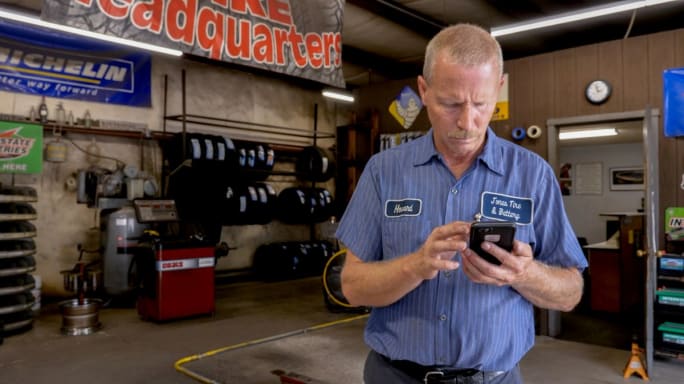
Connected vehicle application programming interfaces (APIs), connected vehicle platforms, and sensor data usage are all increasing in popularity, according to Fleetio.
Photo: Fleetio
Evolution of Truck Maintenance
Looking ahead to the next five to 10 years, several trends are helping evolve the future of fleet maintenance. The future is open to changes in vehicle propulsion, mobile maintenance, technology, and AI.
“With the ever-growing conversation of diversifying fuel types in the trucking industry, having technicians that can work on them will be a challenge. Training technicians to work on multiple types of trucks will be crucial in driving down maintenance costs by avoiding dealerships,” said McGill of Uptake.
Another factor likely to influence industry changes is the transition to electric drivetrains.
“This transition will necessitate a reimagining of fleet infrastructure and maintenance procedures. At Enterprise Fleet Management, we are helping our clients make thoughtful and timely decisions regarding upgrading their facilities and determining which vendors to utilize when transitioning to electric vehicle systems,” said Schremp of Enterprise Fleet Management.
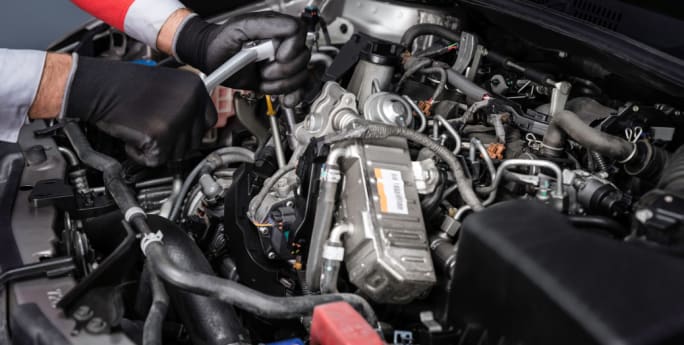
One trend to take note of: Advancements in AI and predictive maintenance for trucks are also expected to continue, which Enterprise Fleet Management is closely monitoring.
Photo: Enterprise Fleet Management
The rise of electric (EVs) and plug-in hybrid electric vehicles (PHEVs) will introduce new maintenance dynamics.
“As these vehicles become more common, they will demand innovative strategies and practices tailored to their unique needs, distinct from ICE vehicles,” said Ramoso of Spiffy.
From an industry perspective, the trajectory of truck maintenance in the next five to 10 years is shaped by the increase in regulatory emissions standards.
“This development will likely impact emission control technology, fuel system design, and associated technician training and garage equipment requirements,” Schremp said.
Climate policy and the technologies manufacturers deploy to meet related goals/regulations have increasingly shaped the automotive space.
“Fleets that have adopted electric vehicles (EVs) will already be familiar with the differences in EV vs. internal combustion engine (ICE) vehicle maintenance. Over the next decade, we’re expected to see a rise in autonomous vehicle technologies, and with renewed excitement around hydrogen combustion engines, we could even be looking at an increase in offered alternative fuels, all of which could lead to a potential overhaul of current maintenance strategies,” said Simpson of Fleetio.
Mobile service is an area of maintenance that several service providers are eagerly expanding into, creating new and diverse options for fleet managers to consider.
“This trend has the potential to substantially amplify truck maintenance offerings by providing easier, more efficient service and offering potential cost savings and flexibility in service scheduling to ensure a smooth fleet operation,” Schremp added.
Lee of Spiffy agreed, noting that “in the next five to 10 years, truck maintenance is poised for a transformative shift, primarily driven by the expansion of mobile repair services and the emergence of electric and hybrid vehicles.”
At the heart of Spiffy’s business is a firm belief that mobile repair services are the future of fleet maintenance.
“This evolution will extend beyond traditional services, including complex tasks like warranty work, traditionally handled on-site at dealerships. Our objective is to minimize downtime and maximize operational efficiency by offering a comprehensive suite of maintenance tasks that can be performed during off-hours, providing fleets with unparalleled flexibility,” said Lee of Spiffy.
Advancements in AI and predictive maintenance for trucks are also expected to continue, which Enterprise Fleet Management is closely monitoring.
“Meanwhile, using telematics, businesses can improve their trucks' safety, compliance, and productivity. While these resources can often be cost-prohibitive for a small business, partners like Enterprise Truck Rental and Enterprise Fleet Management can offer clients turnkey solutions,” Schremp said.
The fleet and trucking industry is experiencing a notable shift towards prioritizing safety functions, mirroring trends seen in passenger units.
“This shift is accompanied by a rise in technical repairs, particularly related to safety systems and calibration. While these advancements contribute to a safer and more efficient vehicle fleet, they also bring about new expenses that impact initial repair costs. The tools required for repairs are evolving from traditional mechanical tools to more sophisticated technical tools, reflecting the increasing integration of technology in truck maintenance,” said Jacko of Fleet Response.
The shift towards safety functions and technology in truck repairs is reshaping the landscape of the trucking industry.
“While initial repair costs may be higher, the aim is to achieve a safer, more efficient, and technologically advanced fleet. Ongoing investment in driver education and system upgrades will be pivotal in realizing the full potential of these advancements,” Jacko added.
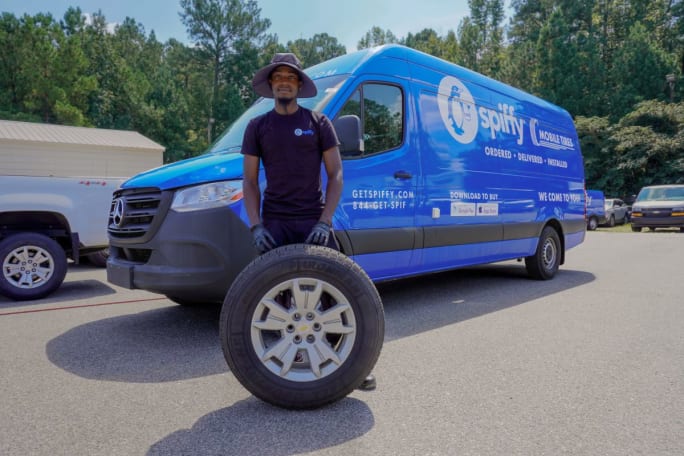
The scope of mobile maintenance has expanded far beyond basic preventive maintenance and tire services.
Photo: Spiffy
Best Practices in Work Truck Preventive Maintenance
The difference between planned maintenance and unplanned maintenance is the cost. If a truck isn’t running, it’s not making money.
“Avoiding unplanned maintenance and downtime should be a primary focus for any fleet; taking the time to fix as much as possible while a truck is in the shop for planned maintenance is critical. A predictive maintenance system, like Uptake, allows fleet managers to highlight issues they would like to be addressed during planned maintenance (PM) that the technician may miss if not directed to replicate an issue or take the necessary steps to enable a fault code,” said McGill of Uptake.
Check out the following tips and advice to help improve your preventive maintenance practices:
“Optimal preventive maintenance for work trucks follows manufacturer-recommended guidelines. Regular check-ups, timely servicing, and using specific parts and fluids are critical for maintaining vehicle performance and longevity,” said Ramoso of Spiffy.
“Establish and rigorously adhere to a routine maintenance schedule based on time and mileage. This proactive stance is instrumental in identifying and addressing issues promptly, averting expensive repairs and downtime,” said Lee of Spiffy.
“Placing a high priority on timely preventive maintenance intervals is highly beneficial. Many fleets are blindsided with engine replacement costs due to a lack of maintenance. Diesel exhaust and fuel systems in work trucks are also highly susceptible to high repair costs when not maintained properly,” said Schremp of Enterprise Fleet Management. “Remember engine hours should be monitored, along with mileage, for trucks that accrue high idle time or use power take-off units. Remember to reference the work truck manufacturer’s specific engine hours and mileage recommendations.”
“Along with fluid and filter changes, safety items should rank at the top of the list of preventive maintenance priorities. Common safety items can include checking wear on tires, brakes, and steering linkage. Fleets with work trucks should consider any aftermarket equipment, like booms, that require routine safety inspections,” Schremp added.
“Familiarize yourself with warranty coverage periods and any model-specific maintenance issues. Invest in the time needed to understand the coverage periods for base, powertrain, emission, diesel engine, and restraint systems. This investment will pay dividends in helping to prevent paying for repairs that may be covered at a dealer,” Schremp said.
“Monitor open recalls and complete them promptly to avoid preventable costs. For work trucks with diesel engines, drivers should be trained to understand the difference and importance of where to fill the diesel fuel versus the diesel exhaust fluid (DEF). Filling the wrong system with the wrong fluid, which happens often, can easily lead to costly repairs,” Schremp recommended.
Subscribe to Our Newsletter
More Maintenance
Les Schwab Expands Commercial Tire Footprint Into Arizona
Les Schwab Tires has expanded into Arizona with two commercial tire locations in Phoenix and Tucson, strengthening its fleet service footprint in the Southwest.
Read More →
Volvo Trucks’ 'Lock and Leave' Software Updates Go Live Across North America
Unattended over-the-air software updates are now available in Volvo trucks across the U.S. and Canada. The new capability lets trucks stay current with the latest software without interrupting operations or requiring a dealership visit.
Read More →
Why Technician Appreciation Can’t Be a Once-a-Year Thought
For fleets trying to keep skilled technicians, recognition cannot begin and end with Technician Appreciation Week. Learn what year-round appreciation really looks like and why the everyday technician experience matters just as much as pay when fleets are trying to keep good people.
Read More →
How Faster Driver Reporting Can Keep Small Truck Problems Small
When minor damage, warning lights, or equipment issues are reported late, small problems can quickly become bigger maintenance headaches. Conversational AI can help shorten the path from what a driver notices in the field to the person who can act on it.
Read More →
BendPak’s Ranger Wheel Service Equipment Achieves North American Safety Certification
BendPak’s full line of Ranger tire changers and wheel balancers has been ETL certified to UL and CSA standards to improve operator safety.
Read More →
Isuzu & U.S. Department of Labor Celebrate Milestone for Veterans Apprenticeship Program
The Isuzu Veterans Apprenticeship Program (IVAP) signing ceremony highlighted Isuzu’s long-term commitment to veterans, Isuzu dealers, and the skilled workforce supporting its customers and the commercial transportation industry.
Read More →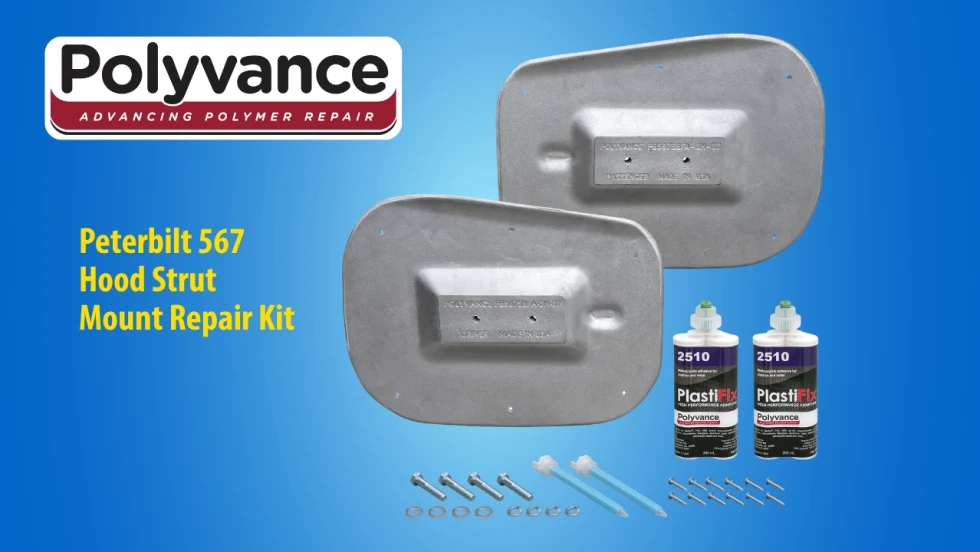
Polyvance Introduces New Peterbilt 567 Hood Strut Mount Repair Kit
Polyvance has launched a repair solution for Peterbilt 567 hood struts, helping truck owners and repair facilities avoid costly hood replacements.
Read More →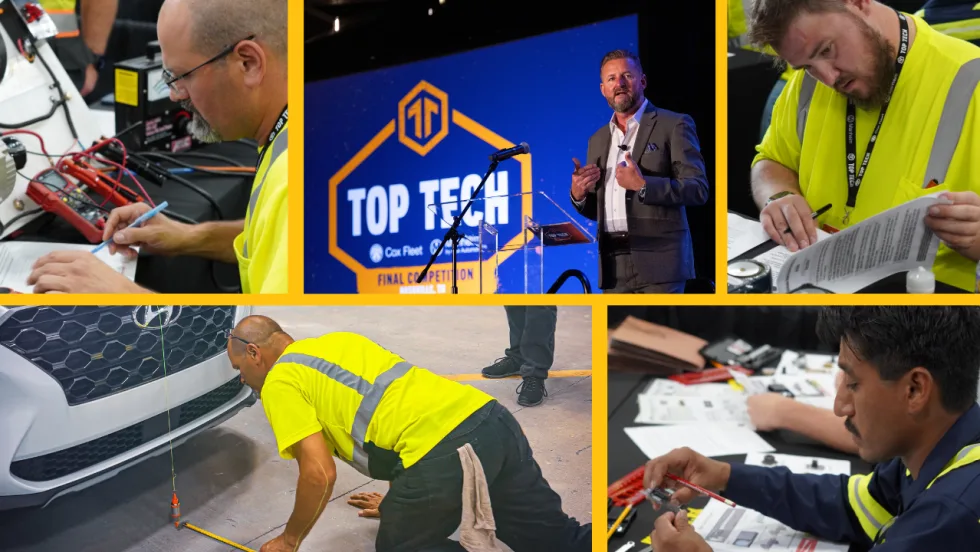
Cox Automotive Celebrates Technical Excellence at 2026 Top Tech Finals
The top technicians from Cox Fleet and Manheim tested their skills in Nashville, Tennessee, at Cox Automotive’s 2026 Top Tech Finals. The overall winners will advance to compete at the American Trucking Association’s TMC SuperTech competition.
Read More →
Grote Industries Appoints Vice President of North American Operations
Grote Industries has appointed Patrick Smith as vice president of North American operations as it celebrates 125 years of innovation and manufacturing excellence. He has more than 20 years of manufacturing leadership experience.
Read More →
Winter Fleet Prep: Expert Tips to Keep Vehicles Running Smoothly
Cold weather can expose weak batteries, tires, fuel systems, and maintenance gaps fast. Use this winter fleet checklist to prepare trucks and drivers before temperatures drop.
Read More →