





Watch Now: Fleet Data Is Finally Working. Here’s What Top Fleets Do Differently
Workhorse Group Plans Mobile AI Data Center
Workhorse Group plans to develop a turnkey, compute-ready, containerized mobile AI data center designed to meet the localized mobile AI infrastructure needs of distributed deployment applications worldwide.
July 28, 2026
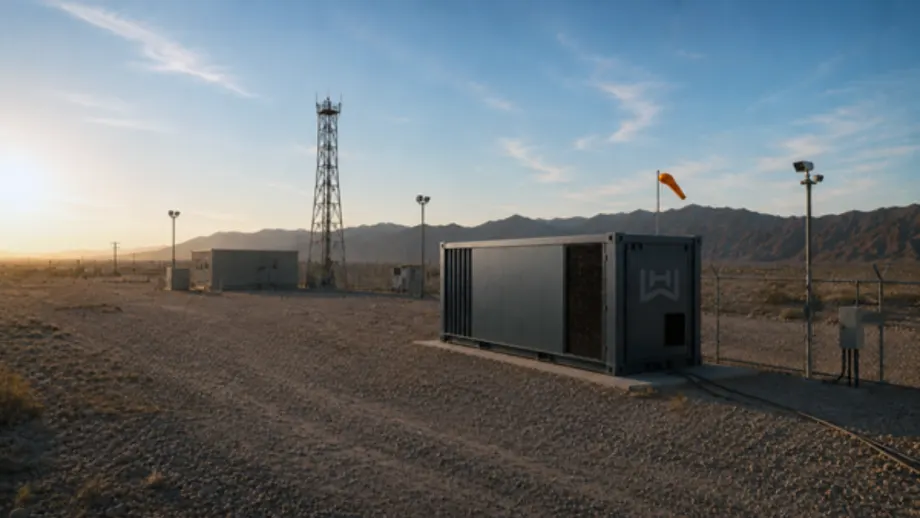
Workhorse Group’s new containerized mobile AI data center product line, currently in development, is intended to leverage the company’s existing engineering, software, testing, agile design, and supply chain capabilities.
Credit:
Workhorse Group
3 min to read
- Workhorse Group is planning to create a mobile AI data center that is ready for computation and turnkey solutions.
- The data center will be containerized, allowing it to be easily deployed and transported to various locations.
- This initiative aims to support localized mobile AI infrastructure needs for distributed deployment applications globally.
*Summarized by AI
Workhorse Group plans to enter the mobile AI data center category with a new product: a turnkey, compute-ready, containerized mobile AI data center designed to meet the localized mobile AI infrastructure needs of distributed deployment applications worldwide.
The new containerized mobile AI data center product line, currently in development, is intended to leverage Workhorse’s existing engineering, software, testing, agile design, and supply chain capabilities, as well as other cost synergies from manufacturing the new mobile AI data center at its Indiana plant.
According to Grand View Research, the market size for “Containerized Data Centers” could reach $41 billion by 2031.
According to numerous research reports, demand for edge computing, which is largely enabled by containerized data centers, is being driven by a combination of factors, including, but not limited to: deployment speed and site flexibility; 5G rollout and edge/AI workloads; disaster recovery and continuity; energy efficiency and sustainability regulation; and telecom, IT, and banking/financial/securities industries.
Mobile AI Data Center Infrastructure
Workhorse intends to meet this demand with a new proprietary mobile AI data center infrastructure product.
The initial containerized design is expected to feature liquid-to-liquid cooling, isolated server racks, a separate climate-controlled operator zone with two workstations, integrated uninterruptable power supply (UPS) and battery back-up power, a fire suppression system, advanced monitoring for safety and security, and the ability to use multiple sources of external power, among other capabilities needed to operate a mobile AI data center.
Workhorse expects to develop a partnership-based go-to-market approach for the new product line via supplier partnerships with final data center developers who would manage the market development and customer relationship aspects of this product line. Workhorse is targeting 2027 for the commencement of initial production and commercial deliveries.
“We believe this expansion into a new, growing segment is a strategic step that builds on the broader capabilities we now have as a result of the merger late last year, and it supports our expanded company vision to build the ‘new’ Workhorse as an industrial technology company. Workhorse already builds highly reliable mobile platforms: electric medium-duty commercial vehicles manufactured at our commercial-scale plant in Union City, Indiana,” said Scott Griffith, CEO of Workhorse. “We feel that this is an opportunity to build a competitive advantage and develop a new revenue stream in this exciting new category where we can leverage many of our existing core capabilities to establish a scalable early mover position in the mobile AI data center market.”
Engineering & Technical Synergies
Workhorse believes that its expertise and competencies in areas like power electronics, thermal management, ruggedized enclosures, mobile connectivity, vibration isolation and embedded systems, are also applicable to containerized platforms that can meet the operating demands of mobile AI data center hardware and systems.
Manufacturing Synergies
With its flexible, low-cost, low-overhead manufacturing center in Union City, Indiana, Workhorse can accommodate high-mix, low-volume production, custom configurations, and rapid iteration.
Workhorse’s design-test-validation cycles are purpose-built to be agile and to translate customer requirements and lessons from the field into new features and product improvements in weeks, not model years.
“We believe this new product line can provide new sources of revenue and cash flow and increase our operating leverage, helping us more quickly drive down the production costs of our electric trucks for our commercial fleet customers,” Griffith added.
Modular Chassis & Cab Chassis Production
Workhorse has also continued the previously announced engineering and design work for its upcoming modular chassis and cab chassis products, with production expected to begin in late 2027. The company anticipates providing further updates on both its commercial vehicle line of business and its new product line during Workhorse’s second-quarter earnings call scheduled for Aug. 13, 2026.
More Technology & AI
HCSS Partners with Verizon Connect to Deliver Fleet Intelligence for Construction Fleets
HCSS has integrated with Verizon Connect to provide near real-time fleet insights so contractors can spend less time tracking assets and more time keeping projects on schedule.
Read More →
How Fleets Can Use Technology to Fight Fuel Fraud
Fuel fraud and theft remain significant challenges for commercial fleets, whether the problem involves third-party fraud or driver misuse. In this video, David Abraham of WEX explains how SecureFuel uses vehicle geolocation, telematics, transaction information, and AI to help fleet managers identify suspicious fuel purchases and make more informed decisions.
Read More →
Can AI Agents Help Small Work Truck Fleets Do More With Less?
Motive's new AI Agents automate fleet safety, maintenance, compliance, and dispatch tasks. Here's how they work for smaller fleets, what managers control, and what early users are seeing.
Read More →From Our Partners
Basic Tracking vs Next Generation Fleet Technology
Sponsored by AT&T Business

5 Facts Every Fleet Manager Should Know About Embedded Telematics
Sponsored by Stellantis/Mobilisights

How AI Video Telematics Boosts Driver Safety and Helps to Avoid Unnecessary Costs
Sponsored by Verizon Connect

Charting the 8 Bottom-Line Benefits of Workforce Optimization
Sponsored by Verizon Connect

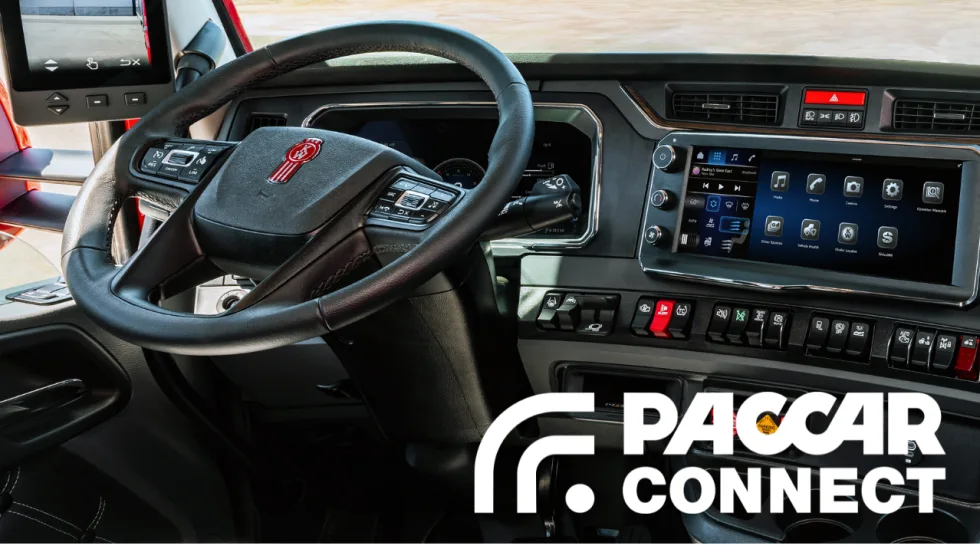
Paccar Launches Paccar Connect for Peterbilt and Kenworth Trucks
The new Paccar Connect offers touchscreen displays, telematics capabilities, and an expanding app ecosystem to boost productivity and streamline driver workflows.
Read More →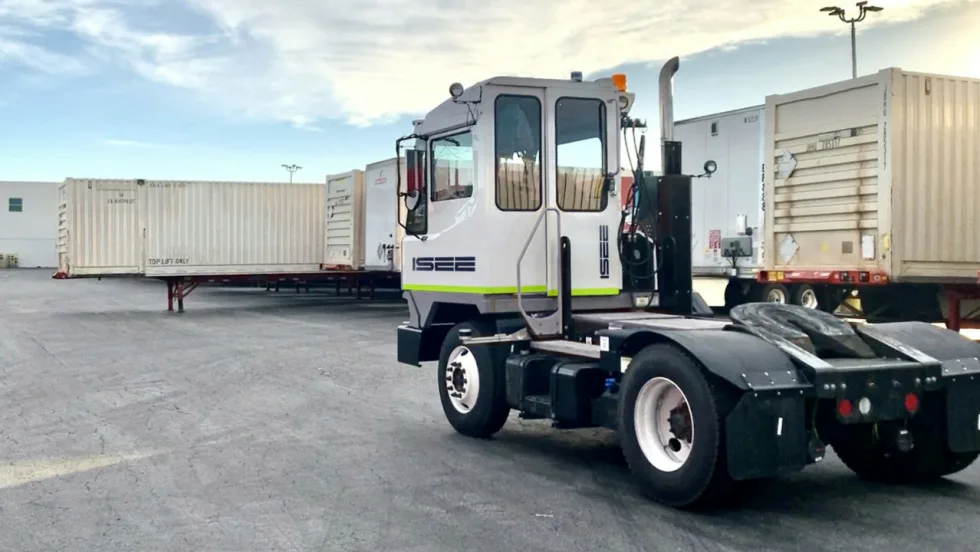
Holman and ISEE Partner to Expand Autonomous Yard Truck Operations
The partnership combines Holman's fleet management and upfitting capabilities with ISEE's autonomous driving technology to help businesses deploy and manage driverless yard trucks.
Read More →
Who You Gonna Call? Rivian Turns Electric Vehicles Into Ghostbusters Rides
Rivian teams up with Sony Pictures for a Ghostbusters-inspired Halloween software update, complete with custom sounds, lighting effects, and a special Ecto-R1.
Read More →
The Second Trip and What Missing Tools Really Cost a Service Business
For service fleets, missing tools and equipment can lead to second trips, lost technician time, higher operating costs, and delayed jobs. Equipment tracking can help HVAC, plumbing, electrical, landscaping, and other service businesses improve visibility and reduce downtime.
Read More →
GeoFencing Adds to Your Truck Security Arsenal
Geofencing is a familiar fleet tool today, but its early adoption marked a major shift in vehicle tracking, route monitoring, and the debate over employee privacy.
Read More →
Geotab Data Shows Regional Trucking Growing Faster as Last Mile Routes Get Denser
Geotab's first U.S. supply chain report finds stable long-haul activity, stronger regional freight movement, tighter hub-and-spoke utilization, and more last-mile trips on shorter routes.
Read More →
When Fleet Technology Helps and When It Just Adds Complexity
New technology can help fleets work smarter, but only if it solves the right problem. Lauren Fletcher talks with AP Fleet’s Alex Coveney about innovation, AI, data, and knowing when a new solution is actually worth adopting.
Read More →