





Video: What Does AI Mean to Fleets?
How Work Truck Fleets Are Using AI for Compliance and Why Adoption Is Still Uneven [Part 1]
AI is everywhere in fleet compliance, but it’s not always used well. Here’s where work truck fleets are winning, stalling, and risking audits.
January 13, 2026
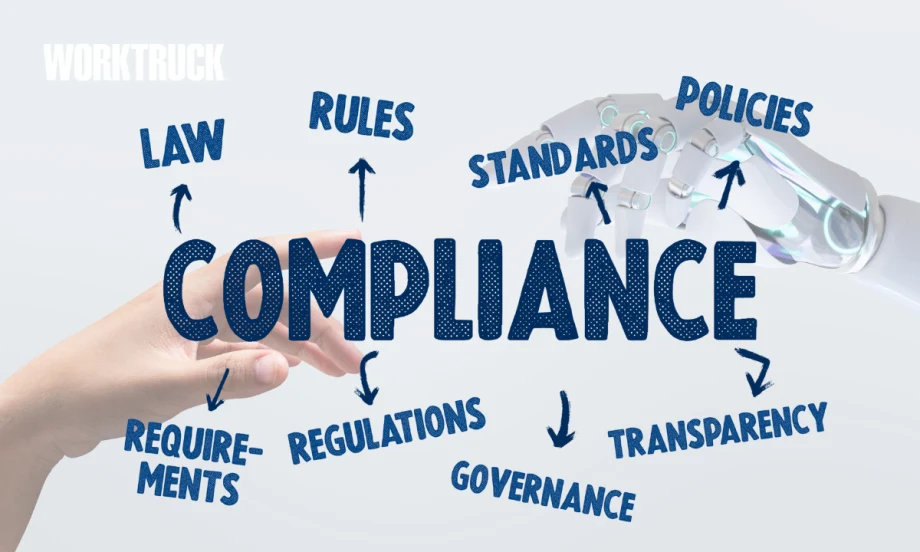
As work truck fleets adopt AI for compliance, uneven integration across laws, rules, policies, and governance highlights why technology alone isn’t enough without clear processes and follow-through.
Credit: Work Truck
4 min to read
Fleet compliance has always been a game of volume. Volume of logs. Volume of inspections. Volume of documentation that must be reviewed, verified, stored, and produced on demand. As fleets have grown and regulations have become more complex, the burden has only increased.
AI entered the compliance conversation not as a silver bullet, but as a response to scale.
“Fleets are increasingly using AI to support auditing and compliance, but adoption today is uneven and often narrow in scope,” said Adam Kahn, chief marketing officer at Netradyne. “Most fleets are applying AI to reduce manual effort and speed validation, while significant gaps remain in how deeply AI is integrated into compliance workflows.”
That uneven adoption shows up in how fleets deploy AI, how consistently they use it, and how well it’s connected to real compliance processes.
That lack of structure is often less about intent and more about infrastructure.
The Data Silo Problem
Even fleets that want to go deeper with AI often struggle with fragmented systems.
“Fleets are currently using AI applications and solutions to shift from reactive compliance to preventative compliance,” said Eric Lambert, VP legal and employment counsel specializing in transportation and logistics at Trimble. “One of the biggest challenges fleets find is AI adoption data silos.”
In many organizations, ELD data, maintenance records, safety data, and HR or driver qualification files live in separate legacy systems. That lack of integration limits AI’s ability to identify trends across compliance domains.
Another challenge is staffing and process maturity.
“While AI is excellent at flagging potential violations, fleets may lack the internal protocols and skilled personnel needed to review those flags efficiently and apply the necessary regulatory judgment,” Lambert said. “That can lead to alert fatigue instead of effective risk reduction.”
How Are Fleets Actually Using AI Today?
Across fleet sizes and operating models, the first entry point for AI is usually safety-related.
“Today, most fleets are using AI in a fairly narrow, reactive way,” said Naeem Bari, co-founder and president of Linxup. “The most common use is AI-driven detection through dash cams and telematics, things like tailgating, phone use, and seatbelt violations.”
That AI-generated data is often paired with traditional telematics events such as harsh braking, rapid acceleration, speeding, and potential impacts. Fleet managers use that combined data to review driver behavior, surface areas that need attention, and coach drivers accordingly.
Those coaching sessions are not just about safety culture. They become compliance assets.
“These sessions then create a digital ‘paper trail’ that can later be used for audits, insurance reviews, or legal defense,” Bari said.
But Bari also warned that partial adoption can introduce new risks.
“For insurance purposes, it’s not enough to simply collect AI telematics data,” he said. “Fleets also need documentation that shows how those insights are being used, especially when it comes to driver coaching.”
Installing technology without follow-through can actually increase liability.
“If risky behavior is documented but never addressed, insurers and attorneys may argue that the fleet had the information and failed to do anything with it,” Bari said.
Compliance and Safety Are Not the Same
Mark Schedler, senior editor at J. J. Keller and Associates, Inc., emphasized a distinction fleets often miss.
“Carriers should use dash cams with AI for fatigue detection, not just ELDs, to ensure compliance with HOS rules,” Schedler said. “Compliant does not always mean safe.”
ELDs can show hours were logged correctly, but they do not indicate whether a driver was fatigued, distracted, or alert. AI-enabled video adds a layer of insight that connects regulatory compliance with real-world risk.
This disconnect between compliance data and safety context is one of the biggest reasons AI adoption feels uneven. Fleets often adopt AI to solve one problem without fully integrating it into broader compliance workflows.
In Part 2, we’ll look at the specific compliance problems AI can actually solve today and where human judgment still matters most. In Part 3, we’ll look at how fleets can use AI to improve compliance without increasing risk and what to ask before buying into any solution.
Subscribe to Our Newsletter
More Safety
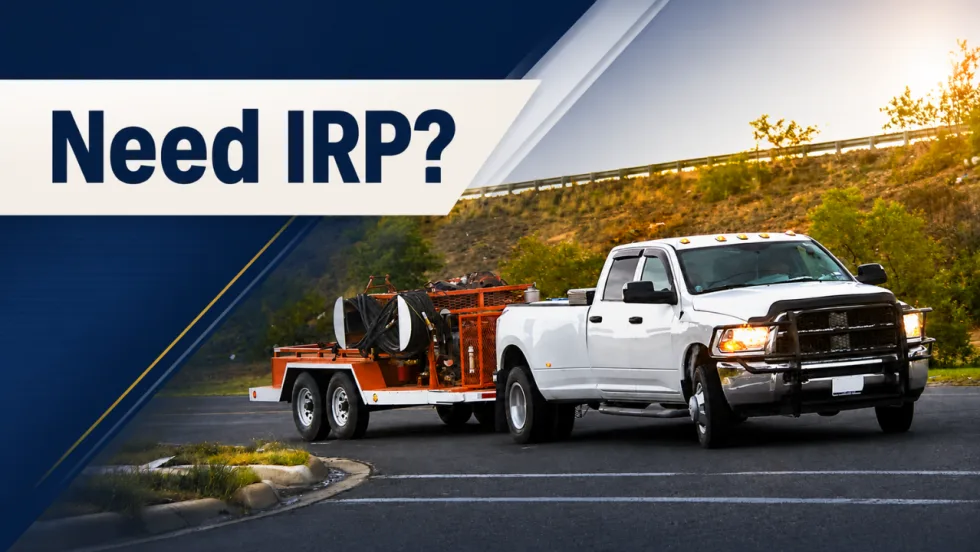
When Work Trucks Under 26,001 Pounds Need IRP Registration
Think trucks under 26,001 pounds are automatically in the clear when it comes to IRP? Not always. Learn where lighter vehicles can still run into trip permit, apportioned registration, and IFTA compliance requirements when crossing state or provincial lines.
Read More →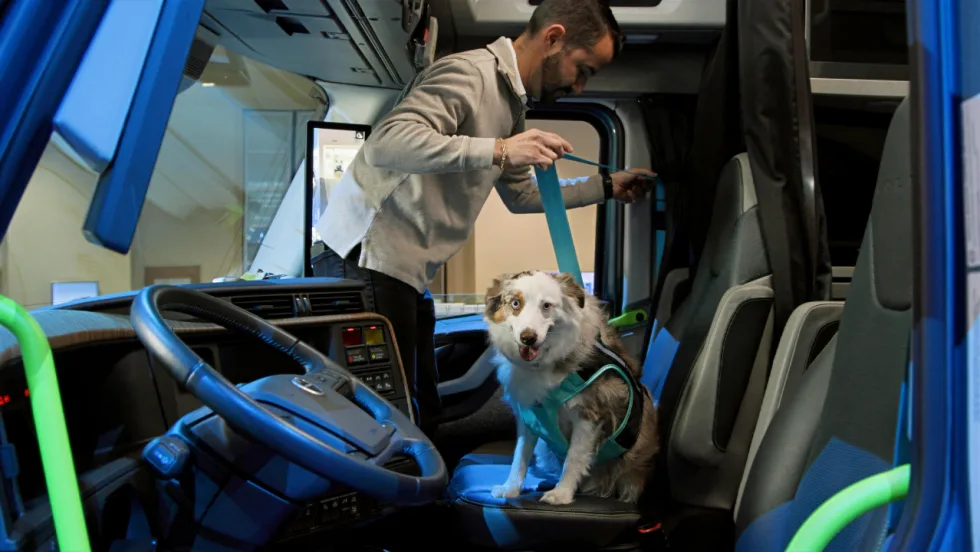
Volvo Trucks Releases New Safety Recommendations for Traveling with Pets
One of the most important recommendations for professional drivers traveling with pets is to ensure pets are properly restrained while the truck is moving. Other tips are available in the new guide from Volvo Trucks North America and Center for Pet Safety.
Read More →
API Issues Refueling Safety Guidelines
The American Petroleum Institute offers a list of safe vehicle refueling guidelines, including ways to avoid potential problems with static electricity discharges in fall, winter, and early spring.
Read More →
Winter Fleet Prep: Expert Tips to Keep Vehicles Running Smoothly
Cold weather can expose weak batteries, tires, fuel systems, and maintenance gaps fast. Use this winter fleet checklist to prepare trucks and drivers before temperatures drop.
Read More →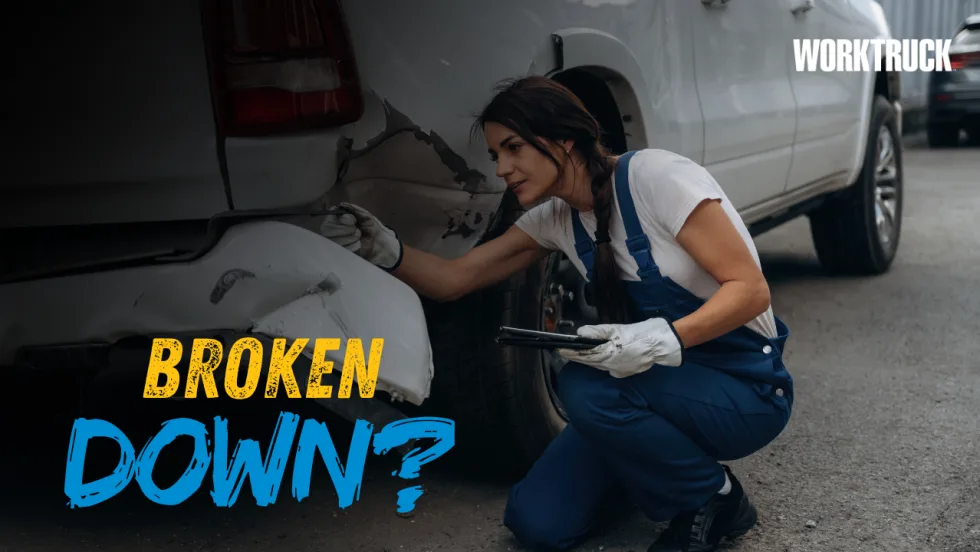
When a Work Truck Breaks Down, the Job Can Stop, Too
A work truck breakdown can stop more than the vehicle. Discover how payloads, jobsites, and specialty equipment change the roadside response.
Read More →
What Stronger Long-Term Fleet Service Partnerships Actually Require
Fleet service partnerships rarely fall apart all at once. Learn the three warning signs that trust is eroding and what fleets and providers can do before downtime, frustration, and lost revenue follow.
Read More →
Applause & TRUCE Software Partner to Improve Driver Safety Through AI-Powered Telematics & Employee Performance Management
Applause has integrated TRUCE driving metrics directly into its employee-first performance and safety platform that transforms mobile devices into AI-powered telematics.
Read More →
How Detroit Assurance with Active Brake Assist Works
Do you want to see what it is like to experience Detroit Assurance’s Active Brake Assist? In this video, Work Truck will put you in the cab to see how it all works and then hear more details from DTNA’s Mike Young.
Read More →
Get Left of Loss: A 5-Step Workplace Violence Prevention Framework for Fleet Operators
Violence risks do not stop at the driver’s door. Learn five practical steps fleets can take to spot threats early and protect workers before loss occurs.
Read More →
Sponsored•July 17, 2026
How Better Visibility Cut Speeding Violations by 48%
Fleet leaders don't need more data, they need clearer visibility into what the data is saying. This case study explores how one utility replaced speeding-event counts with a single metric — miles driven in violation — to strengthen safety and significantly reduce speeding violations.
Read More →