




Workhorse Group and Motiv Electric Trucks Complete Merger
The merger of Workhorse Group and Motiv Electric Trucks creates value by offering a broader portfolio of high-performing commercial EVs at lower unit costs. The new combined company, Workhorse, is targeting about $23 billion from the medium-duty market.

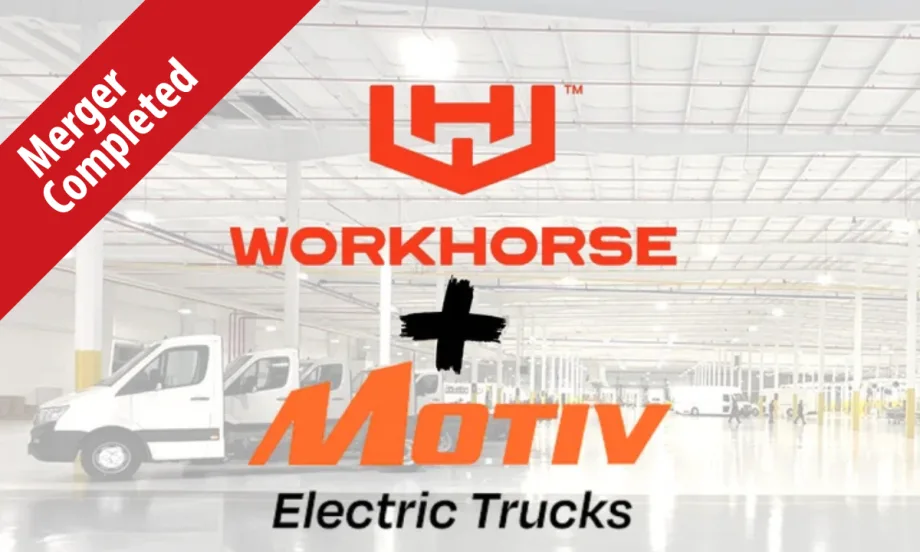
The Workhorse Group and Motiv Electric Trucks merger is complete, and former Motiv CEO Scott Griffith will lead the new company, Workhorse, as CEO.
Photo: Workhorse
Battery-electric medium-duty truck manufacturers Workhorse Group and Motiv Electric Trucks have completed their merger and are moving forward as Workhorse, a leading North American manufacturer of medium-duty electric trucks and buses.
With the completion of the transaction, Workhorse has scalable manufacturing capabilities, advanced, road-tested products, and a robust go-to-market approach, including the successful development of commercial relationships with 10 of the largest commercial truck fleets in North America.
$50 Million in New Financing
In connection with the completion of the transaction, Motiv’s legacy controlling investor has provided Workhorse with up to $50 million in new debt financing capacity, of which approximately $10 million is available in a revolving credit facility and up to an additional $40 million is available to fund supply-chain related costs associated with new purchase orders.
In addition to materially reducing time from order-to-delivery, these financings are expected to provide significant liquidity to fund growth.
“At Workhorse, we’re not just building electric trucks, we’re building better trucks. Our software-first electric trucks are powerful, cost-efficient, reliable, safe, and comfortable—all with zero tailpipe emissions and pollution,” said Scott Griffith, who became CEO of Workhorse upon the close of the transaction. “Workhorse trucks perform the same or better as their internal combustion engine (ICE) counterparts, while costing far less over the lifetime of the vehicle.”
“Looking ahead,” Griffith continued, “we are going to build on our 20-plus year combined legacy in electrification and the thousand-plus electric trucks and buses we have delivered to meet the needs of our growing customer base. In doing so, we believe we are positioned to drive profitable growth, create value for our shareholders and customers, and deliver on our Better Trucks, Better World ambition.”
Creating Value for Workhorse Customers
Workhorse said it is poised to create value for shareholders and customers by:
Producing the best truck, period. Advanced safety, telematics, and ergonomics combined with superior cost and maintenance advantages position Workhorse to capture market share in the medium-duty truck and bus space.
Building on significant commercial fleet traction. Workhorse has served 10 of the largest medium-duty fleets owned by some of the biggest and most respected brands in North America and enters 2026 with a strong sales pipeline and backlog of orders for trucks, step vans, school buses, and shuttles.
Leveraging existing world-class in-house manufacturing. With a nameplate capacity of 5,000+ vehicles per year in place, Workhorse has the ability to produce the annual number of vehicles it believes is required to reach profitability without the need for significant new capital expenditures at its manufacturing plant in Indiana.
Applying learnings from the Stables project. Workhorse also owns and operates a mix of gas and electric step vans in a FedEx Ground Independent Service Provider (ISP) fleet through its Stables project. This real-world test bed, operating in Ohio, brings real-time data on trucks in service and an operator mindset to the Workhorse design process, resulting in purpose-built features, direct feedback from depot managers and drivers, deeper insights into range and route planning, and extended durability testing.
Benefiting from an experienced management team. The combined management team has a proven track record of designing great products, selling to commercial fleets, and scaling manufacturing in the automotive space.
Putting growth capital to work. With a clean balance sheet, up to $50 million of added debt capacity, and access to the public capital markets, Workhorse has immediate capability to both drive new and fulfil existing orders for trucks and buses.
Experienced & Proven Executive Leadership
As of the close of the merger, Workhorse will have a refreshed, highly qualified board and management team comprising:
Scott Griffith, chief executive officer
Bob Ginnan, chief financial officer
James Griffin, chief revenue officer
Scott Zion, chief product officer
Josh Anderson, executive vice president of operations
The combined company’s board is comprised of seven directors, five designated by Motiv, including Griffith and Matthew O’Leary, who will be chairman.
Workhorse Headquarters & Production Locations
Going forward, Workhorse will initially be headquartered in the Wixom, Michigan area, with plans to expand to a larger presence in the Detroit metro area. The company will also retain a presence in Cincinnati, Ohio, and the Bay Area of California.
It will continue to produce vehicles out of the Workhorse Ranch, its commercial-scale manufacturing facility, in Union City, Indiana. The 436,000-sq.-ft., 92.6-acre facility has an annual capacity of 5,200 vehicles and includes production, logistics, and a customer training center.
The site also includes another 200,000 square feet of vehicle storage space and a Noise, Vibration, Handling test track (NVH).
More Green Fleet

Fleet Forward Conference Introduces One-Day Passes for 2026
New one-day registration gives fleet professionals the flexibility to attend Tuesday, Wednesday, or Thursday, with passes available for $199 through Sept. 18.
Read More →
CALSTART Rebrands as Catalyst Mobility, Will Combine with Forth in 2027
CALSTART has rebranded as Catalyst Mobility and will combine with Forth at the start of 2027. The new organization said it is poised to become one of the world's largest, strongest, and most impactful clean transportation nonprofits.
Read More →
Electric Truck and Charging Programs to Boost Sustainability at NY & NJ Ports
Together, the Port Authority of New York and New Jersey and CALSTART will electrify drayage and terminal operations serving the East Coast’s busiest container port. A pair of incentive programs totaling $45 million has launched to accelerate adoption of zero-emission drayage trucks and terminal tractors.
Read More →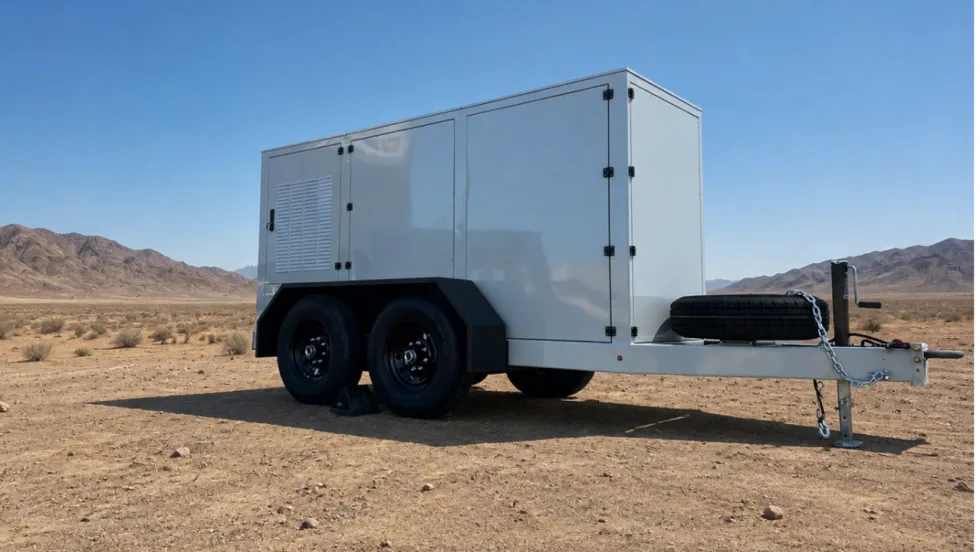
Xos Hub Surpasses One Gigawatt-Hour of Energy Delivered in the Field
A single Xos Hub has surpassed one gigawatt-hour of energy across more than 33,600 charging sessions in the field, demonstrating performance that supports Xos' expansion across new products and markets.
Read More →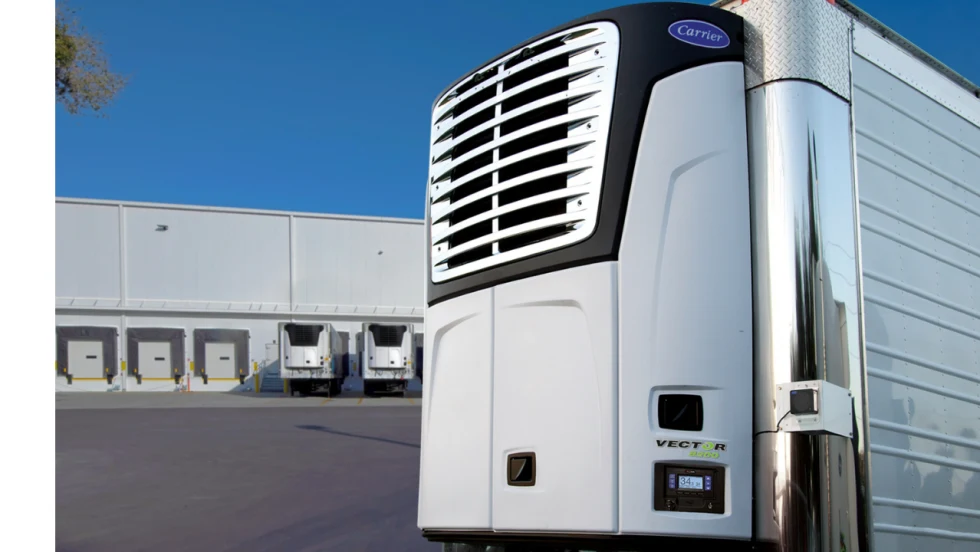
Carrier Transicold Launches All-Electric Vector 8200 TRU for Diesel-Free On-Site Cold Storage
Carrier Transicold’s first engineless multi-temperature TRU helps fresh- and frozen-food fleets add supplemental cold storage capacity during seasonal peaks.
Read More →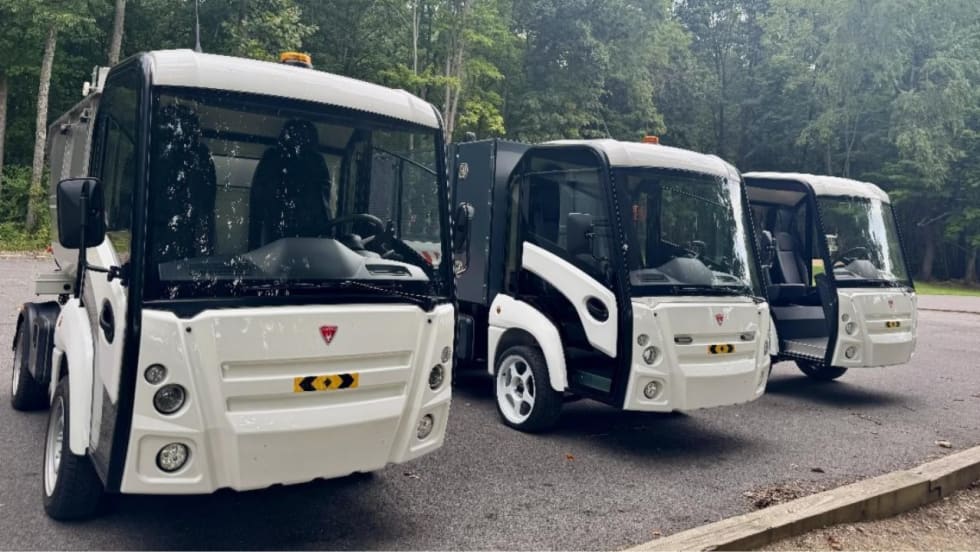
Narro Trucks Introduces Electric Utility Vehicle
Narro Trucks officially launched its operations on Aug. 20 and hosted a ride and drive to showcase its electric truck, which will be produced in Virginia.
Read More →
Samsung SDI Takes Full Control of GM Battery JV as Indiana Plant Pivots to Energy Storage
Samsung SDI is taking full control of its Indiana battery plant with GM, marking a major shift from the EV-focused joint venture Charged Fleet first covered in 2023.
Read More →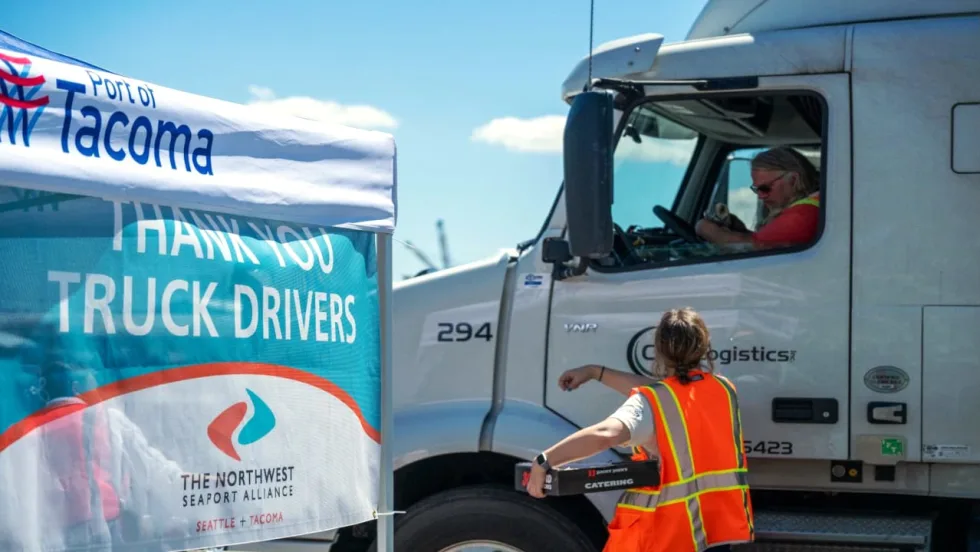
NWSA Taps CALSTART to Administer Zero-Emission Drayage Assistance Program
CALSTART will provide free technical assistance services to drayage fleets serving the Ports of Seattle and Tacoma and looking to transition to cleaner technologies and help decarbonize freight hubs.
Read More →
EV Fleet Reality Check: What Operators Wish They Knew Before Electrifying Their Work Vans
Electric work truck upfits bring new compatibility questions. Learn how parts availability, OEM guidance, power demands, and route planning can affect fleet performance.
Read More →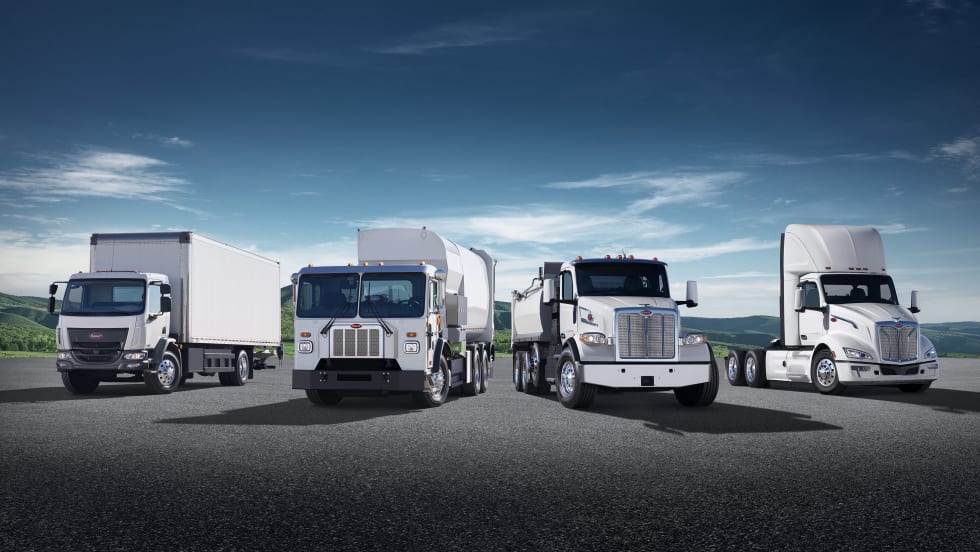
Peterbilt Expands Sourcewell Partnership with Electric Vehicle Lineup
Peterbilt Motors Company’s cooperative purchasing agreement with Sourcewell and its Canadian partner, Canoe Procurement Group, now includes including Peterbilt's battery-electric vehicle lineup.
Read More →