




Independent Review Validates Greenlane’s Data Security & Compliance
Greenlane's security controls were independently verified as operating effectively across a nearly year-long audit period. Achieving both SOC 1 and SOC 2 Type 2 compliance demonstrates that Greenlane meets the data security standards enterprise fleet operators require from a charging partner.

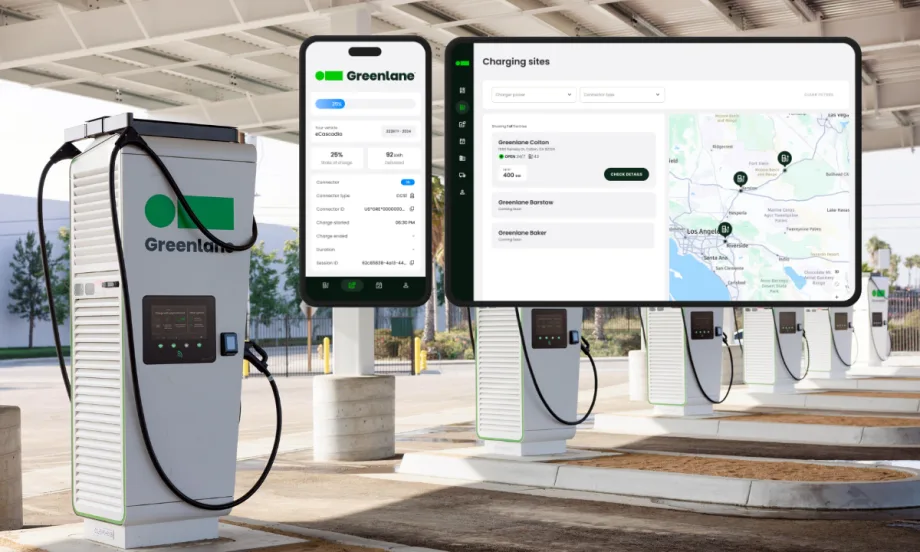
Greenlane’s security-first approach extends to its physical charging sites, where comprehensive safety measures protect drivers and fleet assets around the clock.
Credit: Greenlane
As fleet electrification expands, enterprise operators require higher security and compliance standards from charging partners. Public charging infrastructure developer and operator Greenlane has fulfilled this need, completing its System and Organization Controls (SOC) 2 Type 2 examination and report, covering the period from Dec. 1, 2024, through Nov. 30, 2025.
Independent Examination of Data Security
The independent examination reflects the company's commitment to data security, operational integrity, and enterprise-grade reliability as it builds the charging backbone for long-haul electric freight.
The examination was conducted by Minneapolis-based accounting and advisory firm Boulay PLLP in accordance with standards established by the American Institute of Certified Public Accountants (AICPA).
What a Type 2 Examination Evaluates
Unlike a point-in-time assessment, the Type 2 examination validates that a company's security controls were not only suitably designed but also operating effectively over an extended period. Greenlane's examination covered security controls across the company's fleet charging Software-as-a-Service (SaaS) platform, including the Greenlane Fleet Portal, the Greenlane Driver App, and the Greenlane OnRamp APIs.
"When fleet operators integrate with our platform, they're trusting us with data that is central to how their business runs," said Raj Jhaveri, chief technology officer of Greenlane. "The SOC 2 Type 2 examination gave us the opportunity to validate every layer of our security architecture against an independent, rigorous standard. That scrutiny makes us better, and it gives our customers the technical assurance they need to build on our platform with confidence."
Managing Sensitive Fleet Data
At the center of that platform is the Greenlane Edge subscription, which manages sensitive fleet data, including charging history, billing information, vehicle telematics integrations, and reservation activity for medium- and heavy-duty electric fleets operating along major freight corridors. The SOC 2 Type 2 report provides fleet customers, enterprise partners, and logistics companies with independent verification of the controls protecting that data.
Examining Greenlane’s Security Environment
The examination covered Greenlane's full security control environment, including logical access controls, change management processes, risk assessment procedures, incident response protocols, and continuous system monitoring. Greenlane's platform runs on Microsoft Azure, with controls reviewed at both the Greenlane application level and in coordination with the cloud infrastructure's complementary controls. Greenlane also maintains a SOC 1 report, which evaluates controls relevant to financial reporting, further demonstrating the company's broad approach to compliance across its operations.
"Commercial EV charging creates a complex data environment that demands rigorous security standards, and we want fleet customers to know that Greenlane is purpose-built for large-scale, high-stakes freight operations," said Patrick Macdonald-King, CEO of Greenlane. "That responsibility doesn't end at the digital layer—the same standard we hold ourselves to on the platform side carries through to every site we operate. Drivers are out on these corridors at all hours, and whether that means protecting their fleet's data or ensuring our facilities are secure, Greenlane has their back. We believe this level of rigor should be the norm in commercial EV charging, and we intend to lead by example."
Safety Features of Charging Sites
Greenlane's physical charging sites are designed with driver and fleet safety as a top priority. Sites feature gated access-controlled entrances, full-time hosts trained in first aid, and around-the-clock security staffing, supported by site-wide security cameras and bright outdoor lighting for continuous visibility.
Safety equipment, including first aid kits, defibrillators, and fire extinguishers, is positioned at every charging lane, and drivers have access to 24/7 live customer support via a dedicated phone line.
As Greenlane continues expanding its commercial EV charging network along high-traffic freight corridors, including the I-15 corridor connecting California to Nevada and the I-10 corridor extending from California to Arizona, the SOC 2 Type 2 report reinforces the company's ability to support enterprise fleet operators with the reliability, security, and transparency they require.
Awarded for Infrastructure Advancements
Greenlane said it has been recognized for its leadership in advancing electric freight infrastructure, earning the 2025 EVIEs “Private Sector Infrastructure Strategy of the Year” award and being named Fast Company's “Next Big Thing in Tech” for 2025 in Sustainability & Energy. These honors reflect Greenlane’s pioneering approach to building reliable, high-power charging networks that are shaping the future of electric transportation.
More Green Fleet

Fleet Forward Conference Introduces One-Day Passes for 2026
New one-day registration gives fleet professionals the flexibility to attend Tuesday, Wednesday, or Thursday, with passes available for $199 through Sept. 18.
Read More →
CALSTART Rebrands as Catalyst Mobility, Will Combine with Forth in 2027
CALSTART has rebranded as Catalyst Mobility and will combine with Forth at the start of 2027. The new organization said it is poised to become one of the world's largest, strongest, and most impactful clean transportation nonprofits.
Read More →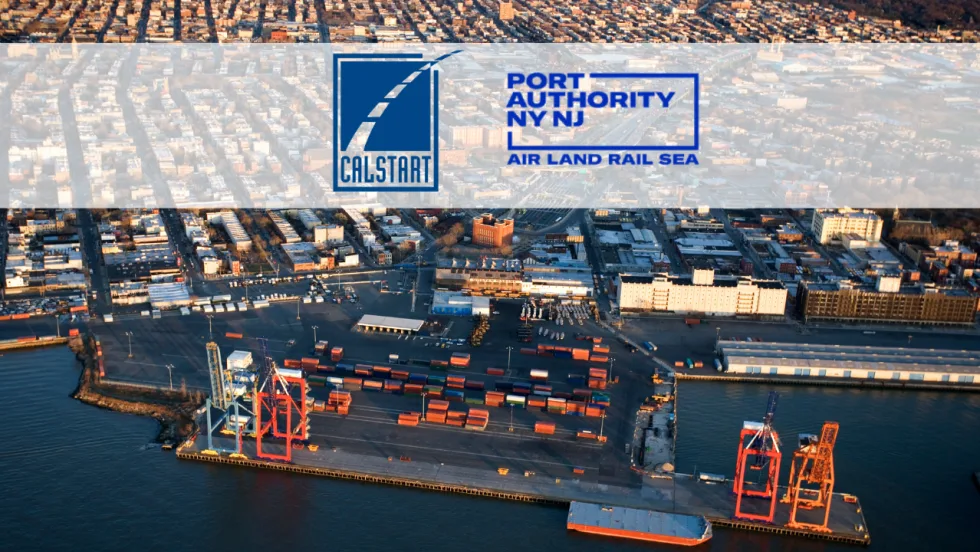
Electric Truck and Charging Programs to Boost Sustainability at NY & NJ Ports
Together, the Port Authority of New York and New Jersey and CALSTART will electrify drayage and terminal operations serving the East Coast’s busiest container port. A pair of incentive programs totaling $45 million has launched to accelerate adoption of zero-emission drayage trucks and terminal tractors.
Read More →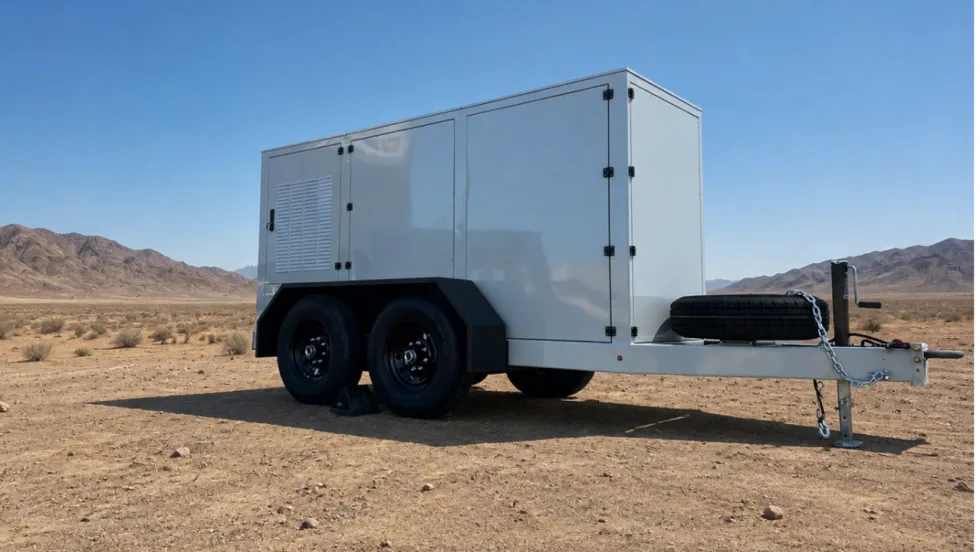
Xos Hub Surpasses One Gigawatt-Hour of Energy Delivered in the Field
A single Xos Hub has surpassed one gigawatt-hour of energy across more than 33,600 charging sessions in the field, demonstrating performance that supports Xos' expansion across new products and markets.
Read More →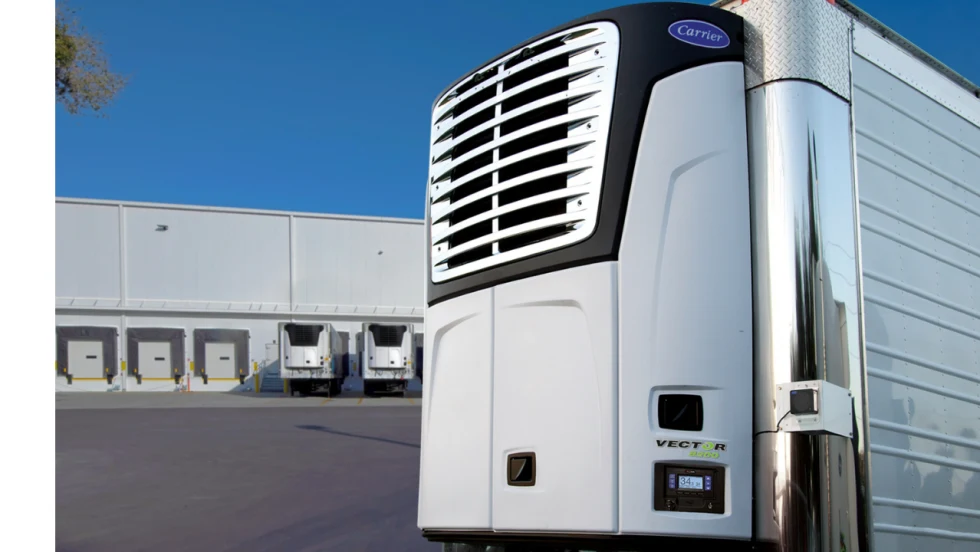
Carrier Transicold Launches All-Electric Vector 8200 TRU for Diesel-Free On-Site Cold Storage
Carrier Transicold’s first engineless multi-temperature TRU helps fresh- and frozen-food fleets add supplemental cold storage capacity during seasonal peaks.
Read More →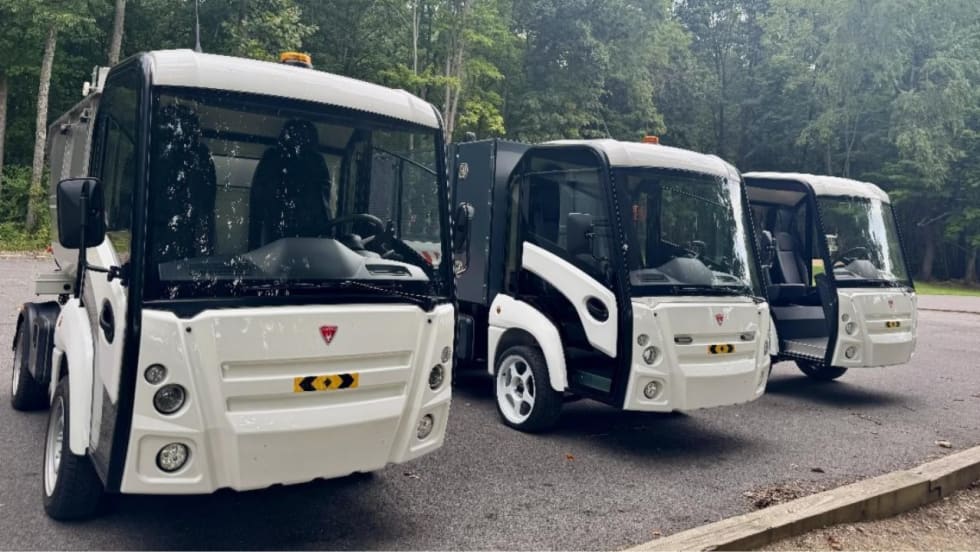
Narro Trucks Introduces Electric Utility Vehicle
Narro Trucks officially launched its operations on Aug. 20 and hosted a ride and drive to showcase its electric truck, which will be produced in Virginia.
Read More →
Samsung SDI Takes Full Control of GM Battery JV as Indiana Plant Pivots to Energy Storage
Samsung SDI is taking full control of its Indiana battery plant with GM, marking a major shift from the EV-focused joint venture Charged Fleet first covered in 2023.
Read More →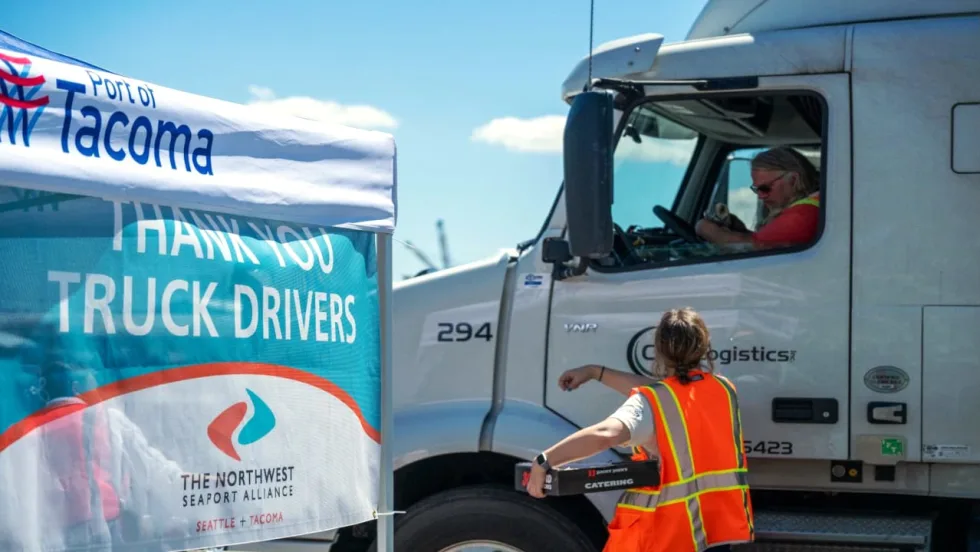
NWSA Taps CALSTART to Administer Zero-Emission Drayage Assistance Program
CALSTART will provide free technical assistance services to drayage fleets serving the Ports of Seattle and Tacoma and looking to transition to cleaner technologies and help decarbonize freight hubs.
Read More →
EV Fleet Reality Check: What Operators Wish They Knew Before Electrifying Their Work Vans
Electric work truck upfits bring new compatibility questions. Learn how parts availability, OEM guidance, power demands, and route planning can affect fleet performance.
Read More →
Peterbilt Expands Sourcewell Partnership with Electric Vehicle Lineup
Peterbilt Motors Company’s cooperative purchasing agreement with Sourcewell and its Canadian partner, Canoe Procurement Group, now includes including Peterbilt's battery-electric vehicle lineup.
Read More →