





Read More: 2026 Fuel Outlook: Alternative Fuels
Toyota Motor Corporation to Join Daimler Truck & Volvo Group in Fuel Cell Joint Venture Cellcentric
Toyota intends to join Daimler Truck and Volvo Group as an equal shareholder in Cellcentric. All three shareholders intend to further strengthen Cellcentric as a leading manufacturer of fuel cell systems for heavy-duty commercial applications.
April 6, 2026
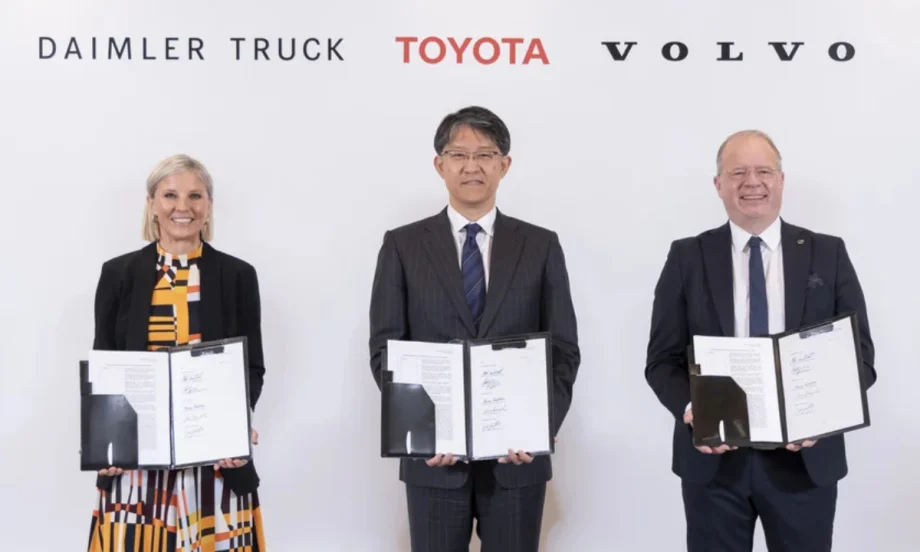
Daimler Truck, the Volvo Group, Cellcentric, and Toyota Motor Corporation have signed a non-binding memorandum of understanding to collaborate on fuel cell technology
Credit: Daimler Truck
4 min to read
Daimler Truck AG, the Volvo Group, Cellcentric, and Toyota Motor Corporation have signed a non-binding agreement to cooperate in the fuel cell system joint venture Cellcentric. The three companies intend to collaborate based on an equal shareholding with Toyota as the third joint venture partner to Cellcentric.
Cellcentric develops, produces, and commercializes hydrogen fuel cell systems for use in heavy-duty commercial vehicles and other applications with comparable requirements. It is a joint venture of Daimler Truck AG and the Volvo Group, founded in 2021.
“We are deeply grateful for the opportunity to soon be joining Daimler Truck and Volvo Group as partners in building a hydrogen society,” said Koji Sato, president and CEO, Toyota. “Cellcentric, which possesses deep expertise in commercial fields, together with Toyota‘s over 30 years of fuel-cell development in the passenger car sector, can combine their strengths to deliver one of the world's leading fuel cell systems for heavy commercial vehicles. Toyota will continue to contribute to realizing a hydrogen society alongside like-minded partners.”
The combination of the parties’ complementary experience and know-how will support and advance their joint objective of developing, producing, and commercializing fuel cell systems for heavy-duty vehicles and other heavy-duty applications with comparable requirements.
“Joining forces with the world’s largest automotive manufacturer and fuel cell pioneer is a privilege for us – and a game changer in making hydrogen in transportation a reality and Cellcentric the go‑to place for fuel‑cell technology in commercial vehicles worldwide,” said Andreas Gorbach, Daimler Truck board member responsible for truck technology and former Cellcentric CEO.
Production of Fuel Cells
Also, Toyota and Cellcentric intend to jointly manage the development and production of fuel cell unit cells, the core component of fuel cell systems, and directly link architecture and control elements with the aim of creating competitive products based on the technologies of both companies.
Drawing on Toyota’s Fuel Cell Experience
By combining Daimler Truck and Volvo’s extensive commercial vehicle expertise with Toyota’s fuel cell development, production technology, and manufacturing experience, the aim is to further strengthen Cellcentric’s technological advantage and market competitiveness.
“We are proud that Toyota plans to join Cellcentric as a shareholder,” said Karin Rådström, president and CEO, Daimler Truck. “This will enable us to strengthen development and further scale hydrogen technology, which we believe complements battery-electric drives in decarbonizing transport.”
It is intended that Cellcentric will be the joint center of competence that develops, produces, and commercializes fuel cell systems for heavy-duty on- and off-road transport and other heavy-duty applications with comparable requirements.
Through collaboration with industry associations and partners across the entire hydrogen value chain, the partners aim to actively support the development of hydrogen supply and infrastructure in the early stages.
Hydrogen to Decarbonize Transport
Daimler Truck, Volvo, and Toyota have positioned hydrogen as one of the key energy sources to decarbonize transport and will accelerate technological innovation in fuel cell systems through Cellcentric thereby contributing to the realization of a hydrogen society.
“We are thrilled to explore this collaboration with Toyota, so that we, through Cellcentric, can accelerate and create critical mass for hydrogen applications. This is an important signal to customers, suppliers, and others in the ecosystem,” said Martin Lundstedt, president and CEO, Volvo Group. “Given the importance of accelerating the transformation into net-zero transportation, the need of great companies coming together and collaborating is more important than ever. Welcoming Toyota onboard will be a big leap towards realizing decarbonization of our industries.”
“We are extremely proud that Toyota intends to join as a shareholder of Cellcentric - a great sign of trust in our company from one of the world‘s leading automotive companies. Together, in this new set-up, we look forward to seizing the opportunity to significantly improve our company across the entire value chain,” said Nicholas Loughlan, managing director and CTO, Cellcentric.
Independent entity with equal partners
Daimler Truck, Volvo, and Toyota aim for an equal shareholding in Cellcentric, which will continue to operate as an independent and autonomous entity, serving a wide range of customers across heavy-duty on- and off-road transport as well as heavy-duty stationary applications.
To achieve this equal shareholder structure, Toyota plans to participate in a capital increase in Cellcentric by investing in the company. Daimler Truck, Volvo, and Toyota will continue to compete independently in all other areas of their respective businesses. The collaboration brings together complementary capacities to achieve the scale and investment efficiency necessary to commercialize competitive fuel cell systems.
Supporting Decarbonization Worldwide
To secure hydrogen fuel cells as one of the key technologies supporting the worldwide decarbonization of transport, cooperation has become increasingly necessary. The companies said this step aims at contributing to the long-term vision of the European Green Deal objectives and the Hydrogen Society Act in Japan.
Since its early days, hydrogen has been advanced through collaboration among many stakeholders, and cooperation is the foundation for its growth.
Together with like-minded partners, the parties intend to share technological developments and address common challenges, with the aim of achieving sustainable and effective implementation of fuel cell systems for heavy-duty applications.
The signed agreement is non-binding. The parties will continue discussions and aim to reach a legally binding agreement, which will be subject to approval by all relevant parties and by the respective boards and regulatory authorities.
More Green Fleet

Fleet Forward Conference Introduces One-Day Passes for 2026
New one-day registration gives fleet professionals the flexibility to attend Tuesday, Wednesday, or Thursday, with passes available for $199 through Sept. 18.
Read More →
CALSTART Rebrands as Catalyst Mobility, Will Combine with Forth in 2027
CALSTART has rebranded as Catalyst Mobility and will combine with Forth at the start of 2027. The new organization said it is poised to become one of the world's largest, strongest, and most impactful clean transportation nonprofits.
Read More →
Electric Truck and Charging Programs to Boost Sustainability at NY & NJ Ports
Together, the Port Authority of New York and New Jersey and CALSTART will electrify drayage and terminal operations serving the East Coast’s busiest container port. A pair of incentive programs totaling $45 million has launched to accelerate adoption of zero-emission drayage trucks and terminal tractors.
Read More →
Xos Hub Surpasses One Gigawatt-Hour of Energy Delivered in the Field
A single Xos Hub has surpassed one gigawatt-hour of energy across more than 33,600 charging sessions in the field, demonstrating performance that supports Xos' expansion across new products and markets.
Read More →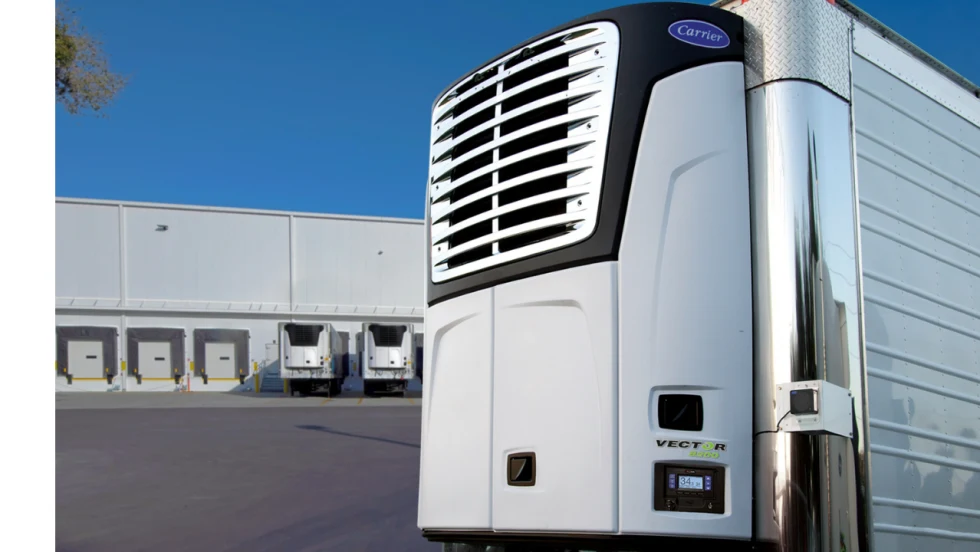
Carrier Transicold Launches All-Electric Vector 8200 TRU for Diesel-Free On-Site Cold Storage
Carrier Transicold’s first engineless multi-temperature TRU helps fresh- and frozen-food fleets add supplemental cold storage capacity during seasonal peaks.
Read More →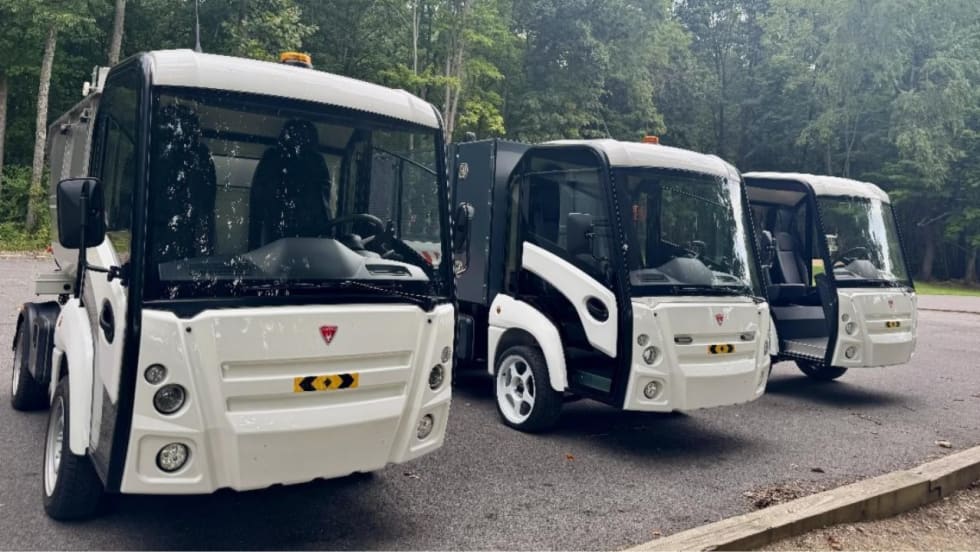
Narro Trucks Introduces Electric Utility Vehicle
Narro Trucks officially launched its operations on Aug. 20 and hosted a ride and drive to showcase its electric truck, which will be produced in Virginia.
Read More →
Samsung SDI Takes Full Control of GM Battery JV as Indiana Plant Pivots to Energy Storage
Samsung SDI is taking full control of its Indiana battery plant with GM, marking a major shift from the EV-focused joint venture Charged Fleet first covered in 2023.
Read More →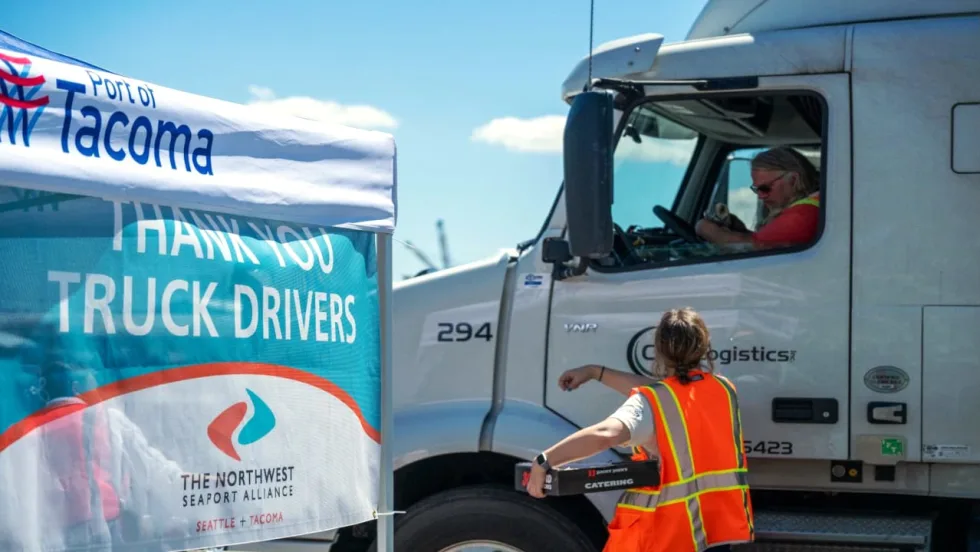
NWSA Taps CALSTART to Administer Zero-Emission Drayage Assistance Program
CALSTART will provide free technical assistance services to drayage fleets serving the Ports of Seattle and Tacoma and looking to transition to cleaner technologies and help decarbonize freight hubs.
Read More →
EV Fleet Reality Check: What Operators Wish They Knew Before Electrifying Their Work Vans
Electric work truck upfits bring new compatibility questions. Learn how parts availability, OEM guidance, power demands, and route planning can affect fleet performance.
Read More →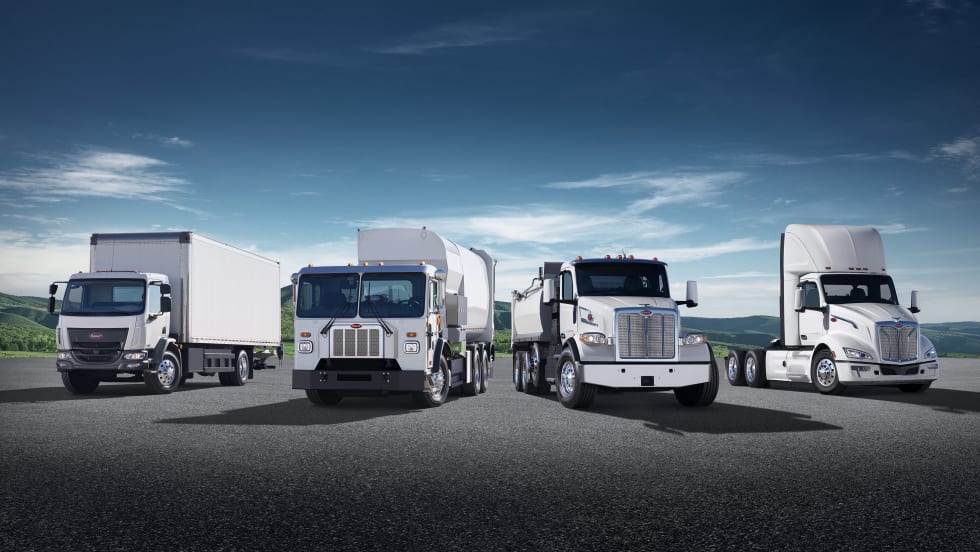
Peterbilt Expands Sourcewell Partnership with Electric Vehicle Lineup
Peterbilt Motors Company’s cooperative purchasing agreement with Sourcewell and its Canadian partner, Canoe Procurement Group, now includes including Peterbilt's battery-electric vehicle lineup.
Read More →