




Safety, Security, and Risk Became Non-Negotiable in 2025 [Part 4]
Fleets made safety and risk non-negotiable in 2025, leaning on data, cameras, and smarter security to protect drivers, assets, and operations.


Thieves aren’t just breaking windows anymore. Fleet theft is getting smarter, faster, and more digital, and 2025 proved that protecting your assets now means protecting your data, too.
Photo: Work Truck
Safety and security have always mattered in fleet, but 2025 pushed both to the top of the priority list. Rising insurance costs, evolving fraud schemes, more severe weather, tighter regulations, and new technology all collided at once. Light- and medium-duty work truck fleets had to rethink how they protected drivers, assets, and operations, not as a compliance exercise, but as a real business strategy.
The theme was simple. Safety wasn’t optional. Neither was risk mitigation. And fleets finally had the data and tools to make both more proactive.
Visibility Became the Foundation of Fleet Safety
As connected vehicles become the norm, fleet managers are using telematics and cameras to take a more informed approach to safety.
Tim Mundahl, director of fleet consulting at Merchants Fleet, said fleets turned driver behavior into a measurable safety and cost lever.
“Driver behavior impacts all areas of fleet management; from net depreciation paid to fuel and maintenance costs and, most importantly, safety. Driver behavior data is being evaluated more than ever to identify opportunities for course correction with under-performers,” Mundahl said.
Instead of checking in only after an incident, fleets used behavior trends, alerts, and telematics insights to coach earlier, reduce risks, and improve consistency across teams.
Cameras, Coaching, and Scorecards Became Essential Tools
Dashcams, AI alerts, and in-cab coaching weren’t pilot projects anymore. They became standard line items in budgets because they worked.
Fleetio saw this shift clearly as fleets integrated incident footage, driver scores, and alert history into day-to-day coaching.
These tools helped reduce risky behavior, prevent accidents, and provide fleet managers with the context they've never had before. They also provided evidence in the event of claims or disputes, something fleets leaned on heavily as insurance rates climbed.
GM Envolve also reported growth in camera adoption. Ian Hucker, vice president of GM Envolve, said customers embraced tools like OnStar DualCam for both road-facing and in-cabin monitoring.
Hucker said these systems “help reduce insurance fraud, bolster driver accountability, and provide the data foundation for driver coaching and risk reduction.”
Rajesh Rudraradhya, CTO at Lytx, said 2025 marked an industry shift from “hype to practical AI,” with fleets using computer vision, pattern recognition, and responsible AI models to improve coaching accuracy and reduce false alerts.
He noted that fleets increasingly demanded transparency into how AI surfaces risks, prioritizing systems that provide clear, explainable insights for both managers and drivers.
Security Took on a Whole New Meaning
Theft, unauthorized vehicle use, and cyber-facilitated crimes all increased in 2025. Fleets responded with new levels of digital protection.
Hucker pointed to GM’s Drive Block as one example of how fleets are shifting from reactive theft recovery to proactive defense. This feature allows fleet managers to remotely immobilize a vehicle when unauthorized activity is detected.
This level of control helped fleets reduce theft risk, protect high-value upfits, and avoid long downtime caused by stolen or damaged assets.
Yard Safety Finally Got the Attention It Deserved
One of the most overlooked areas of fleet safety — the yard — finally got a facelift.
Matt Yearling, CEO of YMX Logistics, said companies stopped treating the yard as a pass-through space and started recognizing its operational impact.
Safety tech, telematics, and AI tools helped identify risky traffic patterns, inconsistent practices, and blind spots. Instead of reacting after an incident, operators used predictive data to prevent bottlenecks and hazards.
The shift wasn’t just about compliance. It was about speed, throughput, and protecting people, all while keeping trucks moving.
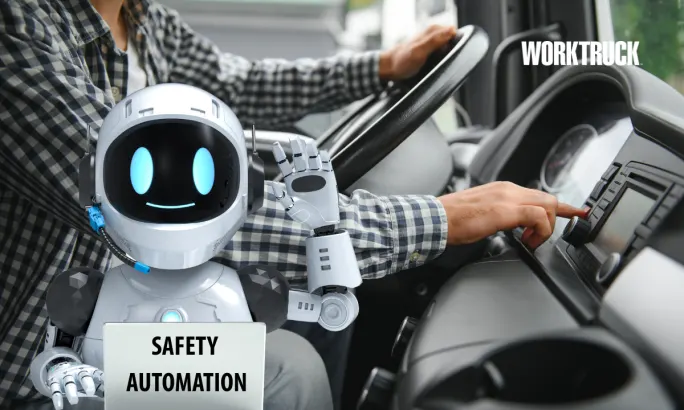
Automation stepped up big this year. From AI-driven coaching to smarter safety checks, fleets leaned on tech to support drivers and stay ahead of risk.
Photo: Work Truck
Safety, Compliance, and Automation Came Together
Diana Holland, managing director at Cavis, said the safety conversation in 2025 was not just about incident prevention. It was about integrating compliance, automation, and efficiency into one unified strategy.
“Fleets started looking for tools that could automate safety checks, capture required documentation, and tighten compliance while also making everyday workflows easier for drivers and managers,” she explained.
By adopting technologies that supported both safety and automation, fleets reduced the risk of missed inspections, inconsistent processes, and manual errors. Holland said this approach helped companies stay ahead of regulatory expectations while also strengthening safety culture across their operations.
Fraud Became One of the Biggest Financial Risks
Fuel theft, card skimming, account takeovers, and identity manipulation became more common and more costly, pushing fleets into action.
Brian Fournier, Americas senior vice president and general manager of fleet and mobility at WEX, said fraud prevention became a top priority.
“Fleet fraud has evolved, becoming more sophisticated, digital, and costly,” Fournier said. That evolution forced fleets to adopt AI-driven fraud detection, automated verifications, and telematics-linked fuel card systems.
William Fitzgerald, vice president of global anti-financial crimes at WEX, added that leaders estimate “19% to 22% of their fleet spend is being lost to theft and fraud,” with some estimates exceeding $1 billion a year.
In other words, fraud wasn’t an edge case. It was a measurable business threat.
Lytx saw similar shifts on the safety side. Rudraradhya said fleets increasingly tied AI-driven safety insights directly to financial outcomes, including “lower premiums, faster claims, fewer breakdowns, and safer yards” and demanded AI systems that supported human review, audit trails, and responsible decision-making.
Cyber Threats Pushed Fleets into New Territory
As digital systems expanded, so did cyberattacks.
Dave Berno, transportation practice leader at Hub International, said cargo thieves increasingly use artificial intelligence and document manipulation to reroute trucks and steal goods.
Berno noted that cargo theft “rose by a record 27% in 2024 and is projected to increase by another 22% by the end of 2025.” Fleets responded by reevaluating coverage, tightening access controls, improving cyber hygiene, and training teams to recognize suspicious activity.
Cybersecurity officially became part of fleet safety, not just IT.
Disasters Added a New Layer of Operational Risk
Natural disasters and extreme weather events continued to strain fleets across regions. Berno said climate-related disruptions created safety hazards, delays, and rising operational costs.
To prepare, fleets adopted route-optimization tools, enhanced disaster planning, and more resilient scheduling strategies. The goal was to keep drivers safe and operations moving, even when conditions changed hour by hour.
Safety and Risk Became the Same Conversation
What changed in 2025 wasn’t just the technology. It was the mindset. Safety used to be a standalone priority. Risk used to sit in a different bucket. Now they live together.
With rising insurance premiums, more fraud attempts, new cyber threats, and a tougher risk environment overall, fleets can’t afford to treat safety as an isolated initiative. It’s tied to cost, uptime, claims, and operations, and every tool that improves visibility strengthens the entire fleet.
Heading into 2026, safety and security aren’t side notes. They’re central to keeping trucks moving, protecting people, and managing the real-world risks work truck fleets face every day.
See the Full Picture of 2025 Work Truck Trends
This story is part of a multi-part breakdown of how 2025 reshaped fleet operations:
Part 1: How Rising Costs Reshaped Work Truck Fleets: fleets cut waste, tracked downtime, and refined their cost playbook.
Part 2: Data Became the Backbone of Fleet Decisions: telematics and AI gave fleets sharper control over operations.
Part 3: Maintenance and Uptime Took Center Stage: predictive tools and mobile service helped fleets fight downtime.
Part 5: Energy Strategies Shifted as Fleets Rebalanced Options: hybrid growth, EV planning, and propane autogas offered stability.
Part 6: Workforce Pressures Forced New Approaches: coaching, culture, and better tools helped fleets support their teams.
Part 7: Vehicle Availability and Market Shifts Shaped Decisions: market shifts pushed fleets to diversify and forecast smarter.
More Safety
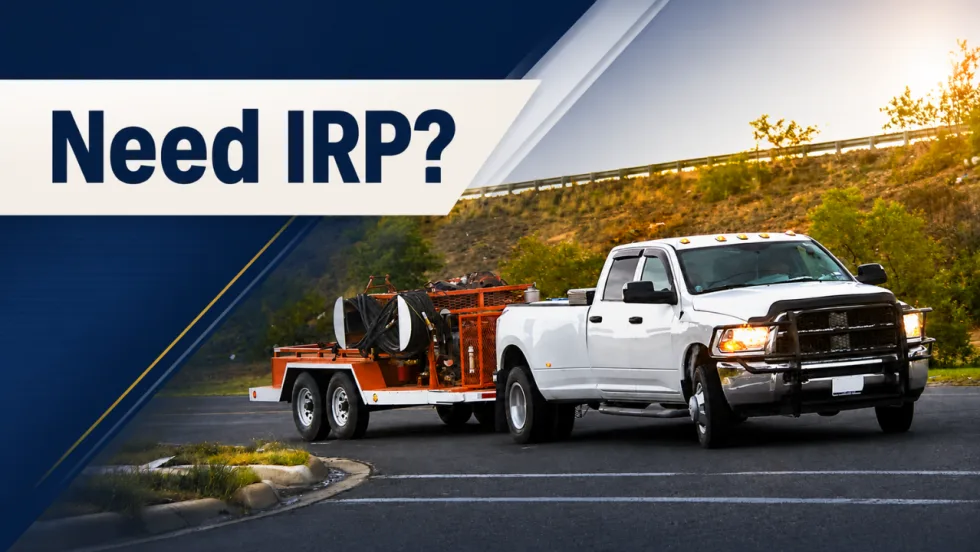
When Work Trucks Under 26,001 Pounds Need IRP Registration
Think trucks under 26,001 pounds are automatically in the clear when it comes to IRP? Not always. Learn where lighter vehicles can still run into trip permit, apportioned registration, and IFTA compliance requirements when crossing state or provincial lines.
Read More →
Volvo Trucks Releases New Safety Recommendations for Traveling with Pets
One of the most important recommendations for professional drivers traveling with pets is to ensure pets are properly restrained while the truck is moving. Other tips are available in the new guide from Volvo Trucks North America and Center for Pet Safety.
Read More →
API Issues Refueling Safety Guidelines
The American Petroleum Institute offers a list of safe vehicle refueling guidelines, including ways to avoid potential problems with static electricity discharges in fall, winter, and early spring.
Read More →
Winter Fleet Prep: Expert Tips to Keep Vehicles Running Smoothly
Cold weather can expose weak batteries, tires, fuel systems, and maintenance gaps fast. Use this winter fleet checklist to prepare trucks and drivers before temperatures drop.
Read More →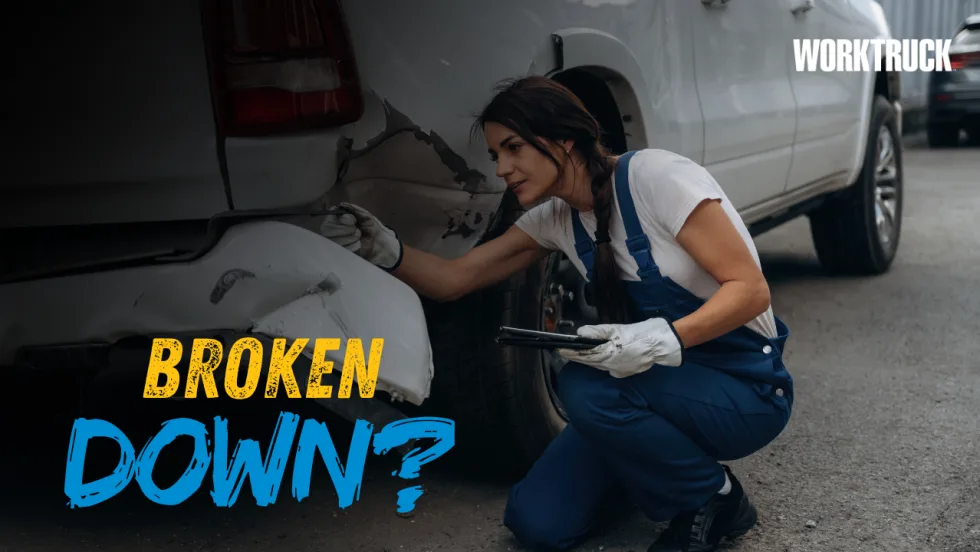
When a Work Truck Breaks Down, the Job Can Stop, Too
A work truck breakdown can stop more than the vehicle. Discover how payloads, jobsites, and specialty equipment change the roadside response.
Read More →
What Stronger Long-Term Fleet Service Partnerships Actually Require
Fleet service partnerships rarely fall apart all at once. Learn the three warning signs that trust is eroding and what fleets and providers can do before downtime, frustration, and lost revenue follow.
Read More →
Applause & TRUCE Software Partner to Improve Driver Safety Through AI-Powered Telematics & Employee Performance Management
Applause has integrated TRUCE driving metrics directly into its employee-first performance and safety platform that transforms mobile devices into AI-powered telematics.
Read More →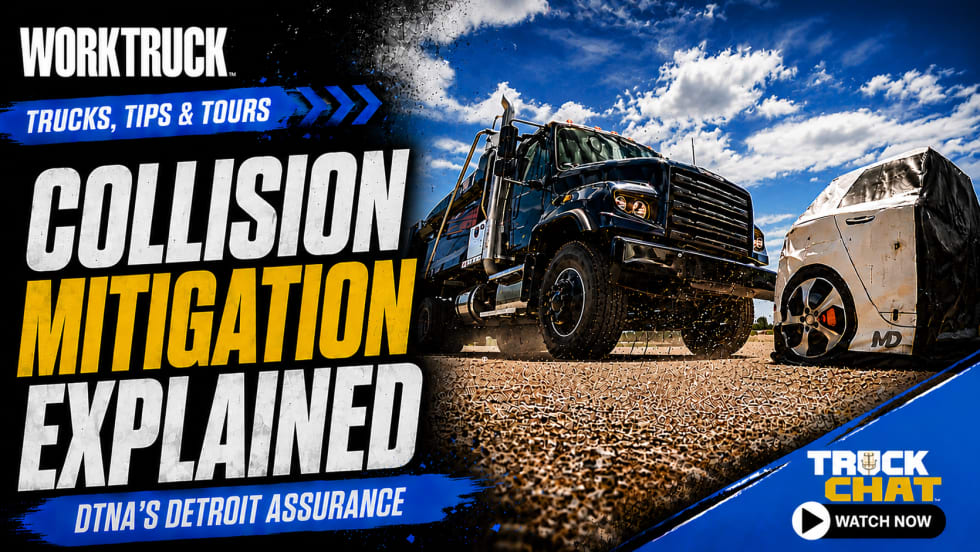
How Detroit Assurance with Active Brake Assist Works
Do you want to see what it is like to experience Detroit Assurance’s Active Brake Assist? In this video, Work Truck will put you in the cab to see how it all works and then hear more details from DTNA’s Mike Young.
Read More →
Get Left of Loss: A 5-Step Workplace Violence Prevention Framework for Fleet Operators
Violence risks do not stop at the driver’s door. Learn five practical steps fleets can take to spot threats early and protect workers before loss occurs.
Read More →
How Better Visibility Cut Speeding Violations by 48%
Fleet leaders don't need more data, they need clearer visibility into what the data is saying. This case study explores how one utility replaced speeding-event counts with a single metric — miles driven in violation — to strengthen safety and significantly reduce speeding violations.
Read More →