




Dig Deeper: Disaster-Proofing Your Truck Fleet
The First 48 Hours: Fleet Readiness for Real-World Disaster Response
Fleet readiness is mission-critical. Learn why having the right trucks ready before disaster strikes can make or break your emergency response.
by Jake Koester, City Rent a Truck
May 29, 2025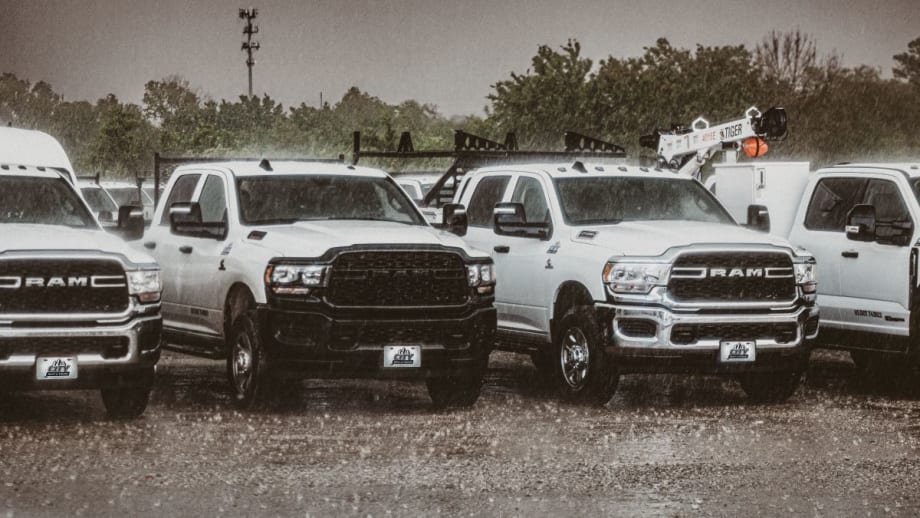
Fleet readiness starts long before the storm. Having the right trucks in place keeps recovery efforts moving when every minute counts.
Photo: City Rent a Truck
4 min to read
When disaster strikes, every hour counts. The difference between an effective response and a stalled recovery often comes down to one question:
Do you have the right trucks ready to go?
The Moment Everything Shifts
Natural disasters rarely give warnings. When they hit, everything changes in an instant. Roads are blocked. Power lines are down. Infrastructure is compromised. As the first responders and restoration crews mobilize, the clock starts ticking.
The first 48 hours after a disaster are critical, but even the most experienced teams can find themselves paralyzed if the vehicles they rely on aren’t immediately available.
The Hidden Vulnerability in Disaster Planning
Most disaster prep focuses on supplies, communication, and logistics. However, very few organizations have a proactive plan for fleet deployment.
Instead, they assume vehicles will be there when needed—until they’re not. The reasons vary:
Lead times for purchasing are too long — trucks often show up after demand has dropped, leaving you stuck with equipment you own but no longer need.
Truck specs don’t match job needs, and upfitters are backlogged.
FMCs require long-term contracts that don’t align with emergency response timelines.
Rental fleets get picked over fast after a disaster. If you’re not first in line, options can disappear quickly.
The result? Crews are ready to go, but trucks aren’t. Work stalls. Communities suffer delays and setbacks that compound by the hour.
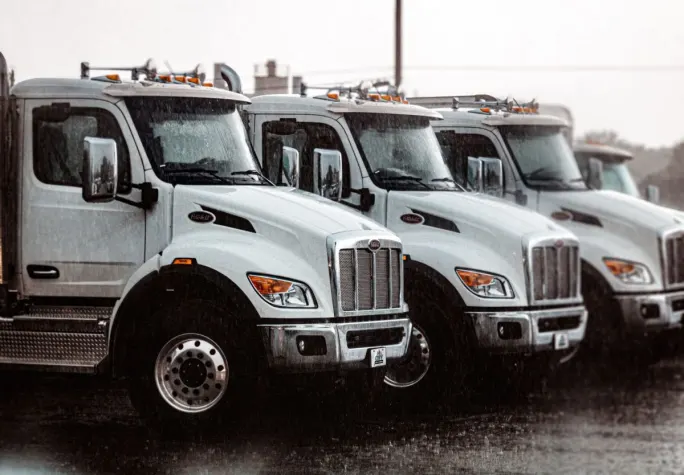
When disaster hits, fast access to work-ready vehicles helps crews restore power, clear roads, and protect communities without delay.
Photo: City Rent a Truck
Bridging the Gap with Work-Ready Vocational Trucks
That’s where specialized rental fleets come in, not only pickups and flatbeds but vocational vehicles made to handle tough conditions and complex jobs. Think dump trucks, bucket trucks, reel loader trucks, service trucks, and fuel trucks, all purpose-built for response work.
The ability to procure and deploy these vehicles on demand, without long-term commitments, is what makes the difference when timelines collapse.
Emergency response crews don’t need trucks in six weeks. They need them in six hours.
That’s why fleet readiness planning should always include a reliable, fast-turn rental partner. That relationship needs to be in place before the storm hits so you’re not scrambling after the market has already been depleted.
Proof in Action
When Hurricane Helene hit Florida late last year, our team mobilized immediately, delivering a fleet of bucket trucks, dump trucks, and reel loader trucks to impacted areas within 48 hours. Utility contractors, municipalities, and storm recovery teams quickly put them to work.
One utility foreman on-site told us, “It makes a big difference having a partner I can call, who I know will have what we need and get it to us fast. We don’t have time to chase down trucks during a storm. Having them show up, built right and ready to work, helped us to hit the ground running.”
That speed didn’t just help one crew; it accelerated the entire response effort across the region. Bucket trucks were used to restore overhead power, reel loaders to reset downed telecom lines, and dump trucks to clear debris and reopen blocked access routes. With pre-staged inventory, we could skip the sourcing scramble and focus entirely on delivering critical vehicles where they were needed without delay.
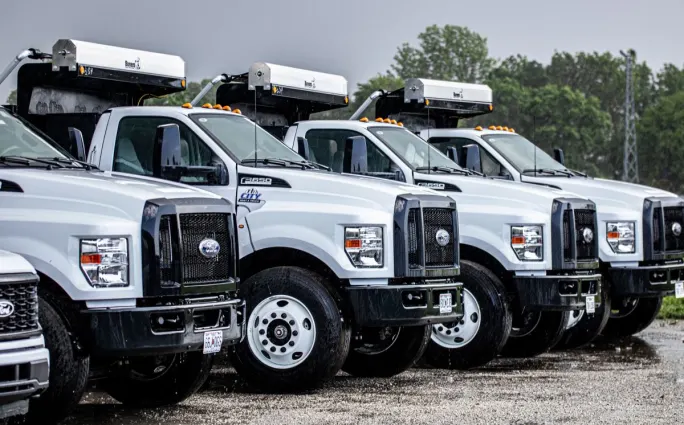
Response teams can’t afford to wait. Pre-planned access to reliable trucks ensures work starts immediately when the call comes in.
Photo: City Rent a Truck
Fleet Readiness = Disaster Readiness
Forward-thinking organizations are no longer treating fleet readiness as an afterthought. They’re building vehicle deployment directly into their disaster response playbooks.
That kind of upfront planning turns chaos into control. When disaster response is part of your mission, your fleet strategy needs to be just as urgent.
To be ready, you need:
A plan for rapid deployment — Know what vehicles you'll need, where they’ll come from, and how quickly they can be on-site. Build that timeline before the disaster hits.
Relationships with suppliers who understand urgency — Not every partner can move at disaster speed. Work with teams that know how to prioritize emergency response and act fast.
Access to trucks that are already built for the job and work-ready — It’s not just about availability but capability. Units must be fully upfitted, tested, and properly configured for field conditions to go to work immediately.
Fleet readiness doesn’t start when the storm hits. It starts now with the right partnerships and processes in place.
Driving Thoughts
The first 48 hours after a disaster are filled with uncertainty. But when you’ve got the right equipment ready to roll, that chaos becomes manageable.
Trucks might not make headlines, but they’re behind every hazard cleared, every power line repaired, and every road reopened.
When time matters most, fleet readiness is mission-critical.
Subscribe to Our Newsletter
More Safety & Compliance
Navigating the Effects of Daylight Saving Time on Work Truck Fleets
Discover how daylight saving time impacts work truck fleets and get essential tips for fleet managers and drivers to navigate the "fall back" transition.
Read More →
How Halloween Changes the Job for Work Truck Drivers
Truck traffic doesn’t take the same Halloween break as other drivers. What fleet managers should know about timing, neighborhood stops, and braking data.
Read More →
Tips for Driving Safely on Halloween Night
This video features a reminder from the Connecticut Department of Transportation (DOT) and the Connecticut Police Chiefs Association, urging drivers to prioritize safety this Halloween.
Read More →From Our Partners



Re-rating Gross Vehicle Weight Ratings (GVWR): Why and How it's Done
Sometimes, it is not in a fleet’s best interests to have a vehicle at a given GVWR. Changing the GVWR to a special value can be done, but the process is complicated.
Read More →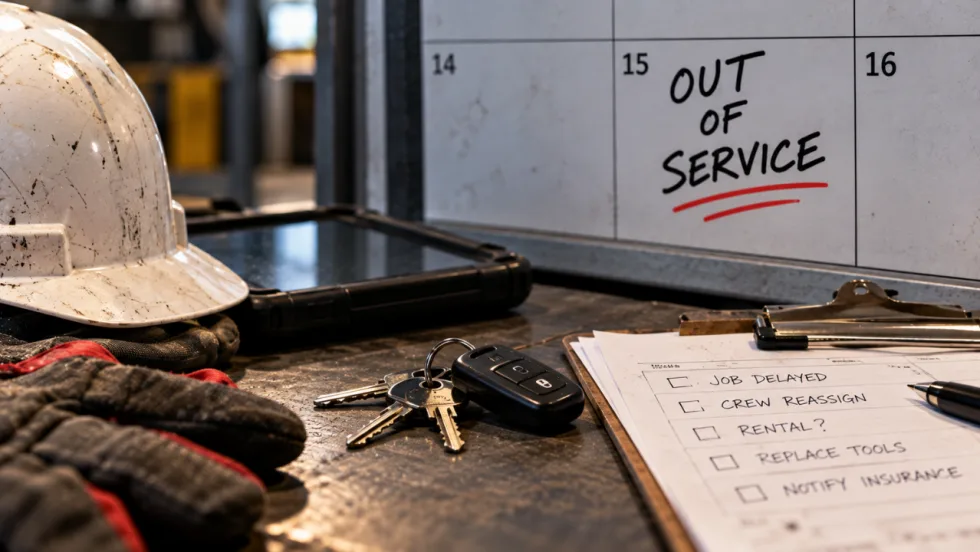
When a Work Truck Gets Stolen, the Real Loss Is Time
A stolen work truck can take more than a vehicle off the road. From tools and access cards to crew downtime, here’s how fleets can prepare for theft before it disrupts the entire workday.
Read More →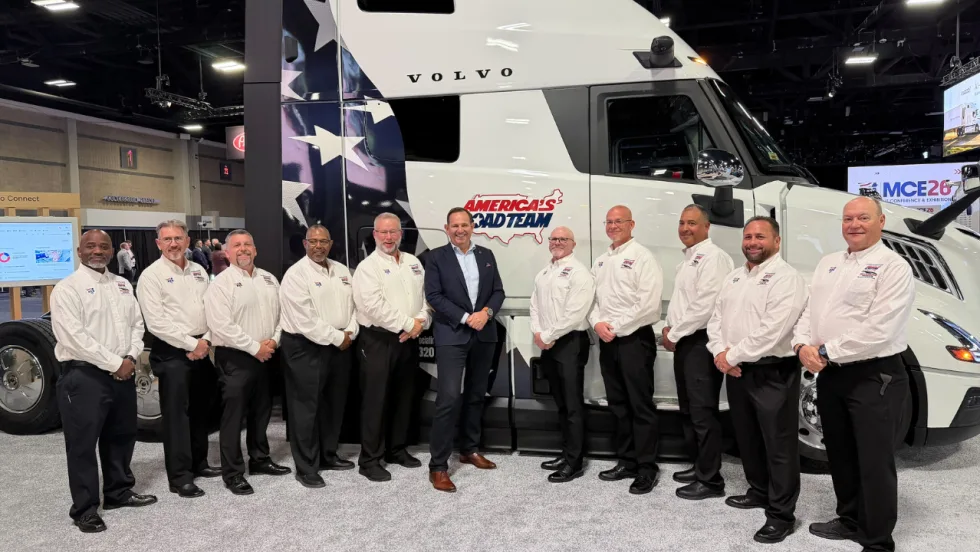
Volvo Trucks Marks 25 Years as Exclusive Sponsor of America's Road Team
Volvo Trucks North America will serve as the exclusive sponsor of the American Trucking Associations' America's Road Team, marking 25 years of Volvo sponsorship. The group of professional drivers promotes safety and the industry as they travel the country.
Read More →
Streamlight’s High-Output Scene Light Recognized with Occupational Safety Award
Streamlight’s Portable Scene Light III (PSL III) won the 2026 Occupational Health & Safety (OH&S) New Product of the Year Award in the Lighting category.
Read More →
Fleetworthy Expands Expedited Inspection to 5 States
Following its industry-first launch in Nevada, Fleetworthy’s automated inspection technology is now live in California, Michigan, Vermont, and Maine.
Read More →
Crossing State Lines in a Light-Duty Work Truck? Check These Rules First
Crossing state lines in a lighter work truck? J.J. Keller's Kathy Close explains when IRP registration, trip permits, and towing rules come into play.
Read More →
Simple Tire Checks That Help Keep Your Business Fleet Moving
A survey found that nearly one in every 10 passenger vehicles has at least one bald tire. What's more, 27% -- more than one in four -- of vehicles are driven with one or more severely under-inflated tires.
Read More →