




FEMA Offers Recovery Tips for California Wildfire Victims
As firefighters continue to battle wildfires in Southern California, the Federal Emergency Management Agency (FEMA) is helping people jumpstart their recovery. Here are some tips provided by FEMA.

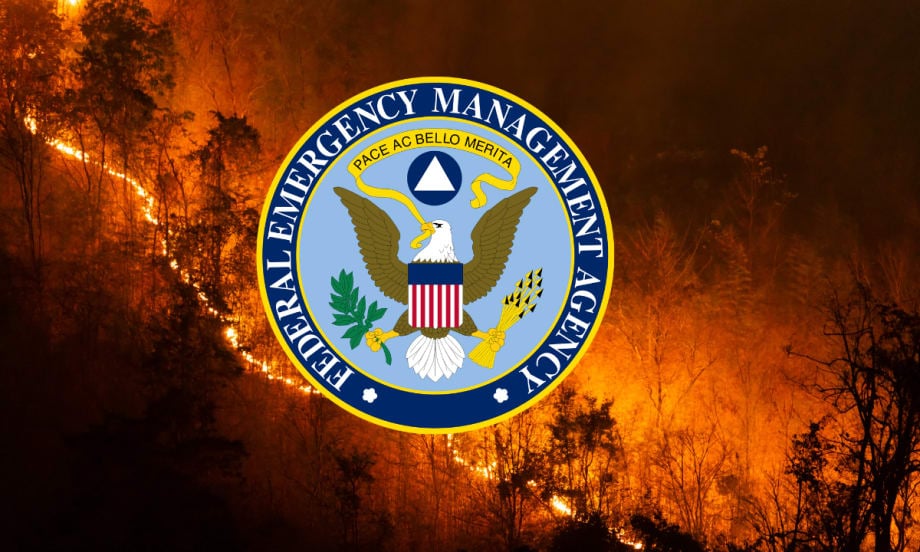
FEMA is providing recovery guidance and support for individuals impacted by the recent California wildfires.
Photo: FEMA/Work Truck
While fire suppression activities are still ongoing in parts of Southern California, affected individuals and families are taking steps toward recovery and the Federal Emergency Management Agency (FEMA) is helping people jumpstart their recovery from the wildfires.
Individuals may be eligible for FEMA assistance, even if you have insurance.
More than $5.3 million so far are in the hands of survivors to help pay for emergency supplies like food, water and baby formula as well as to replace personal property and pay for a temporary place to stay. Below are tips to help Californians recover from the historic wildfires.
If one’s primary home was affected by the fires, FEMA may be able to help you cover certain costs – like paying for essential items, finding a place to stay, replacing personal property or making basic repairs to your home.
However, FEMA assistance is designed to help you if you do not have insurance or if your insurance policies don’t cover basic needs. If you have insurance, you should file a claim as soon as possible and be ready to provide your coverage information when applying to FEMA.
There are several ways to apply for FEMA assistance:
Online at DisasterAssistance.gov and in Spanish language at DisasterAssistance.gov/es.
Calling the FEMA Helpline at 1-800-621-3362 for assistance in multiple languages.
On the FEMA App for mobile devices.
To view an accessible video about how to apply visit: FEMA Accessible: Registering for Individual Assistance or en Español.
Los Angeles County residents and renters should know that FEMA does not hand out gift cards, vouchers or any other type of credit to guarantee assistance. FEMA only provides assistance through check or direct deposit.
How to Replace Your Lost Documents
FEMA understands that people may have lost important documents like passports, property titles, government issued IDs, or other vital personal records during the wildfires. Visit CA.gov for a directory of the state’s departments to request your driver’s license, state tax records, birth certificates, and other paperwork.
To submit an application for FEMA disaster assistance, people only need:
Names of everyone living in your home at the time of the fires.
Social Security number (yours or your child’s).
Household income.
Contact information.
Information of property damage/emergency needs.
How to Clean Up Safely
Only return to your property if local authorities say it is safe to do so. Avoid hot ash, charred trees, smoldering debris and live embers. The ground may contain heat pockets that can burn you or spark another fire.
When cleaning, wear protective clothing – including a long-sleeved shirt, long pants, work gloves and sturdy thick-soled shoes.
Use a respirator to limit your exposure, and, if possible, wet debris to minimize breathing dust particles. People with asthma, COPD and/or other lung conditions should take precautions in areas with poor air quality, as it can worsen symptoms.
Ask For Help If You Need It
FEMA said the wildfires can take an emotional toll on residents, children, and the first responder community. Anyone feeling overwhelmed or in distress because of the fires can call or text the Disaster Distress Helpline 24/7 at 1-800-985-5990 to receive free crisis counseling.
State and nonprofit partners like the American Red Cross and others are providing a safe place to stay, meals, and emotional comfort to people. To find a shelter, text SHELTER, and your ZIP code to 43362, visit redcross.org/shelter, or call 1-800-RED-CROSS (1-800-733-2767). You can also call this number if you need assistance locating a missing loved one because of the fires.
More Operations

ATRI Names Next President and CEO
Page Siplon, a longtime transportation and logistics industry executive, has been chosen as the next president and CEO of the American Transportation Research Institute (ATRI).
Read More →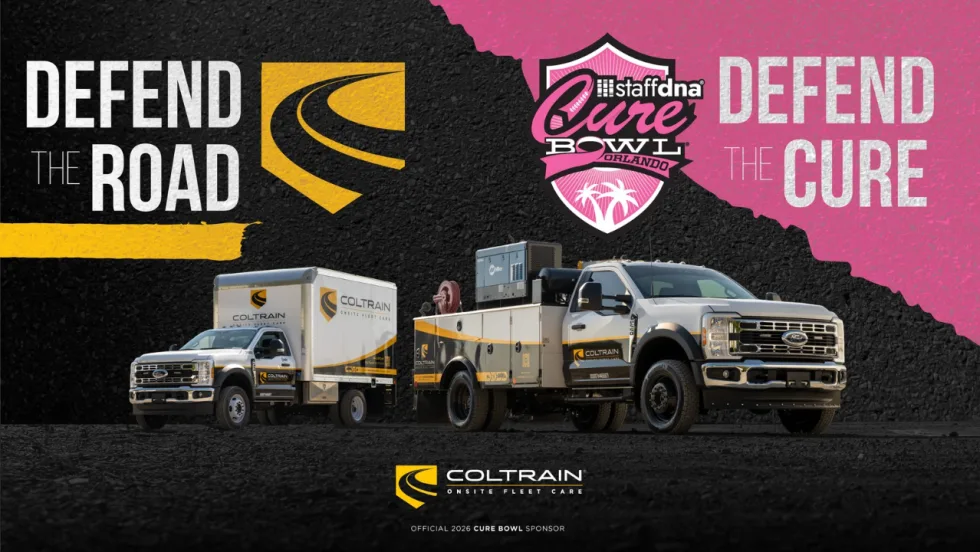
Coltrain Onsite Fleet Care Sponsors 2026 Cure Bowl to Support Cancer Research
The mobile fleet maintenance provider is supporting the annual college football bowl game, which has helped raise $6.83 million for cancer research since 2015.
Read More →
Racing Lessons, Electric Fleet Growth, and Ghostbusters Lead This Week's Work Truck News
Racing lessons for fleets, Republic Services' electric truck expansion, 40 years of fleet wisdom, truck trivia, autonomous yard trucks, and more headline this week's Truck Chat Cheat Sheet.
Read More →From Our Partners
Basic Tracking vs Next Generation Fleet Technology
Sponsored by AT&T Business

5 Facts Every Fleet Manager Should Know About Embedded Telematics
Sponsored by Stellantis/Mobilisights
How AI Video Telematics Boosts Driver Safety and Helps to Avoid Unnecessary Costs
Sponsored by Verizon Connect
Charting the 8 Bottom-Line Benefits of Workforce Optimization
Sponsored by Verizon Connect


A buyer's guide to fleet management software in 2027
Buying fleet management software in 2027 means looking beyond features and price. As fleet operations, technology and expectations evolve, this guide explores what today’s fleet professionals should consider when choosing a system that can deliver value now and adapt to what comes next.
Read More →
How to Build a Lasting Fleet Career by Staying Curious and Connected
Tina Kourakos never planned on a career in fleet. More than 30 years later, she says curiosity, strong relationships, and a willingness to keep learning helped turn an unexpected assignment into a career spanning fleet management and OEM leadership.
Read More →
Think You Know Trucks? Take Our 19-Question Fleet Trivia Challenge
From chicken lights to diesel engines and trucking history, test your knowledge with 19 questions from the 2026 Work Truck Exchange and Heavy Duty Trucking Exchange.
Read More →
Where’s My Truck: Inside the Fleet Logistics Work Nobody Sees
Shades of Fleet video thumbnail featuring Lauren Fletcher beside the text “The People Behind the Process, Keeping Fleets Moving,” with fleet vehicles and logistics imagery in the background.
Read More →
Work Truck Seeks Fleet and Industry Insights on 2026 Trends and 2027 Forecasts
Work Truck is seeking insights from fleet leaders and industry partners on the trends that shaped 2026 and what commercial fleets should prepare for in 2027. Participate today!
Read More →
It's 10 p.m... Do You Know Who Has Access to Your Fleet?
Preventing cargo theft requires investment in technology, operational processes, and employee training. In an industry with tight margins, it can be difficult to justify investments whose value is measured by incidents that might never occur.
Read More →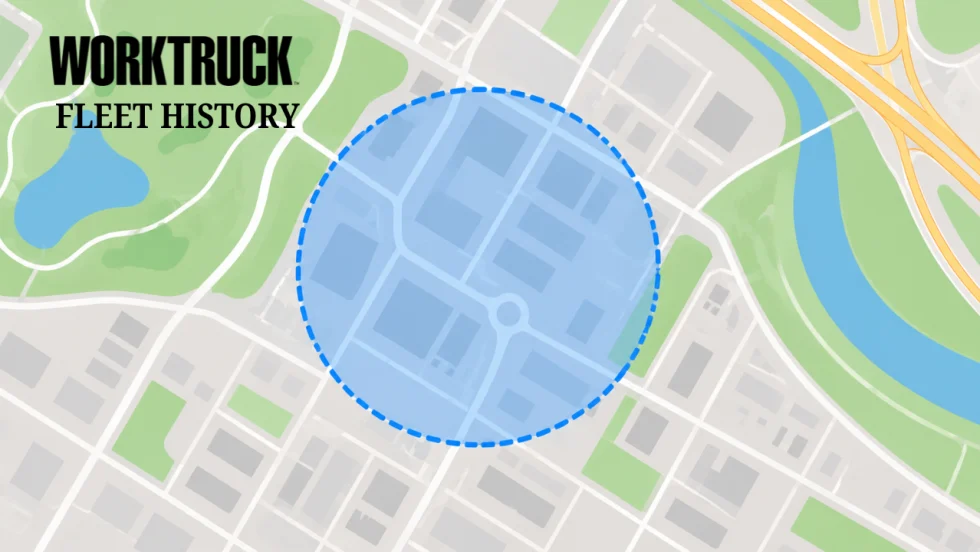
GeoFencing Adds to Your Truck Security Arsenal
Geofencing is a familiar fleet tool today, but its early adoption marked a major shift in vehicle tracking, route monitoring, and the debate over employee privacy.
Read More →