




Your Next Video Safety System Will Have an AI Upgrade: Here’s How
AI is transforming fleet safety with machine learning, video technology, and object detection while reducing risks, cutting costs, and improving efficiency.
From AI-driven forklift cameras to smart driver assistance systems, fleets are leveraging machine learning to improve visibility, prevent accidents, and optimize operations.
Photo: Work Truck
AI is here to stay.
You couldn’t have gone a week without hearing how fleets are trying to implement AI into their businesses. Despite the palpable (and sometimes overdone) hype, artificial intelligence is improving efficiency, workflows, and video safety technologies effectively reducing liabilities for some of the largest fleets.
With the integration of machine learning, video safety solution capabilities are evolving quickly in a short span of time, to the benefit of commercial vehicle drivers and everyone they share the road with.
Here’s where and how it’s happening:
Warehouses, Factories, & Manufacturing Facilities
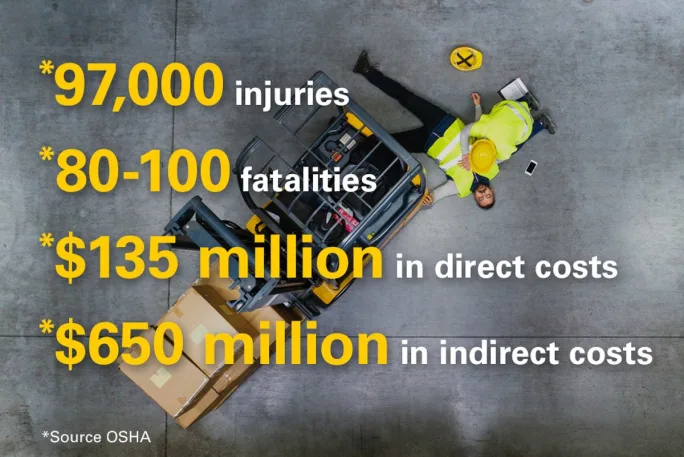
With forklifts involved in 30% of warehouse accidents, AI-powered object detection cameras are helping reduce blind spots, improve maneuverability, and create safer environments for operators and pedestrians alike.
Photo: Safe Fleet
Let’s imagine a busy warehouse, where the likelihood of a dangerous or costly incident is high. Heavy pallets and workers are constantly on the move and 30% of accidents are forklift-related. Spatial awareness and visibility can be limited and maneuvering a forklift isn’t easy for beginners.
AI-enabled object-detection forklift cameras currently hitting the market raise safety standards in this environment, as they give alerts for risky driver behaviors and eliminate blind spots in high-traffic areas by picking up pedestrian and vehicle movements in a 360° viewing area.
These systems’ blind spot exposure capabilities and around-vehicle awareness go a long way for drivers of all experience levels and their detection systems point out dangerous situations commonly caused by beginners. Utilizing this data, warehouse managers can now easily reassign inexperienced operators to other tasks, where their lack of forklift familiarity would incur less property or personal damage. These real-time adjustments can save businesses millions in the long term.
Forecasting and addressing problems ahead of time also becomes easier with AI-powered features like gesture and object identification and with machine learning, these systems improve over time. This new generation of forklift systems hitting the markets will decrease future injuries or fatalities, cut insurance and downtime costs, and increase operational efficiency and vehicle life.
Just outside of our warehouse is the loading dock, where box trucks and other large vehicles require tight maneuvering by practiced hands. With the newest wave of AI-powered pedestrian detection systems, both pedestrians and warehouse workers are protected from these large vehicles’ blind spots.
The visual and audio warnings create situational awareness and safer spaces in high-risk environments for drivers. AI’s object identification capability increases the accuracy of these systems, to everyone’s benefit.
Advanced AI technology is enhancing fleet safety with real-time pedestrian detection, object recognition, and driver alerts, reducing risks in warehouses and on the road.
Photo: Work Truck
AI On the Road
Once that driver steps into his box truck’s cab to pull out of the loading dock into the street, he’s vulnerable to costly accidents to the tune of $100,000 to $750,000 or more, if serious or fatal injuries occur. However, investing in the current wave of AI-powered driver-facing cameras helps avoid distracted driving incidents and gives management a powerful look into operator behaviors.
By enhancing a camera’s eye movement and hand gesture detection or using facial recognition software for security purposes, AI becomes the ultimate assistant. When these features combine, they grant fleet managers the ability to harvest critical data in the back end to unlock real-time coaching and driver training.
When road-facing cameras get an AI upgrade, driver alerts for speeding, tailgating, and forward collisions can provide ADAS, as incidents are recorded and uploaded to the cloud. All these invaluable data points make the difference between a streamlined operation and an inefficient business.
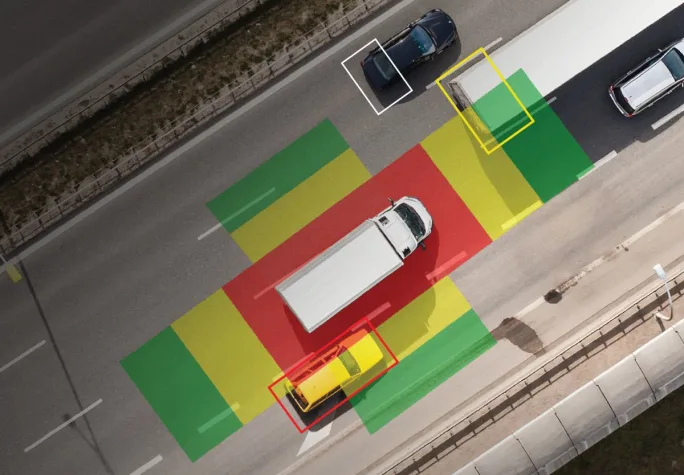
Artificial intelligence is driving major advancements in fleet safety, from object detection to real-time driver coaching. With AI-powered video solutions, fleets can reduce liability, improve efficiency, and enhance overall road safety.
Photo: Safe Fleet
Side and rear cameras aren’t excluded from the applications of machine learning. When it comes to upfitting larger vehicles with four-camera configurations for 360° coverage, it’s becoming easier to find AI-powered, customized aftermarket solutions for your commercial vehicle, complete with object/gesture recognition, proximity warnings, and visual alerts.
Though useful for highway driving, these features are even more crucial for maneuvering tight urban streets, where the road is shared with passenger vehicles, pedestrians, and cyclists. Exposing blind spots takes the guesswork out of simple activities like switching lanes, parking, and going in and out of traffic, not to mention avoiding injury and death via rear-end collisions, sideswipes, or underrides.
The presence of AI in your commercial vehicles safety system couldn’t be more timely, as modern streets are now shared with bike lanes, an influx of electric delivery scooters, and large commercial vehicles with poor peripheral vision.
The Future’s Here
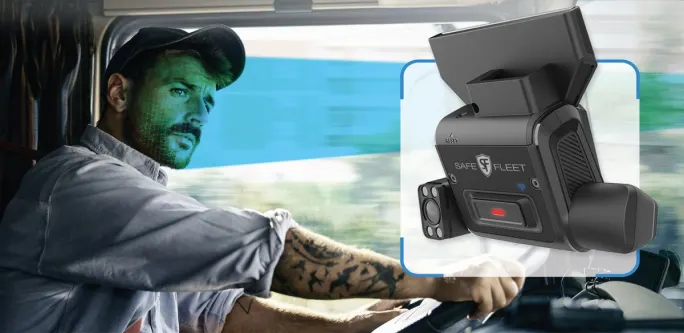
AI-enhanced in-cab and road-facing cameras help fleet managers monitor distracted driving, detect risky behaviors, and provide real-time coaching, reducing accident risks and costly liabilities on the road.
Photo: Safe Fleet
No, this won’t be the last time you hear about implementing AI.
However, you will likely notice how safety has been enhanced by leaps and bounds by its integration into the next video safety system your fleet has invested in.
More Safety & Compliance
Re-rating Gross Vehicle Weight Ratings (GVWR): Why and How it's Done
Sometimes, it is not in a fleet’s best interests to have a vehicle at a given GVWR. Changing the GVWR to a special value can be done, but the process is complicated.
Read More →
When a Work Truck Gets Stolen, the Real Loss Is Time
A stolen work truck can take more than a vehicle off the road. From tools and access cards to crew downtime, here’s how fleets can prepare for theft before it disrupts the entire workday.
Read More →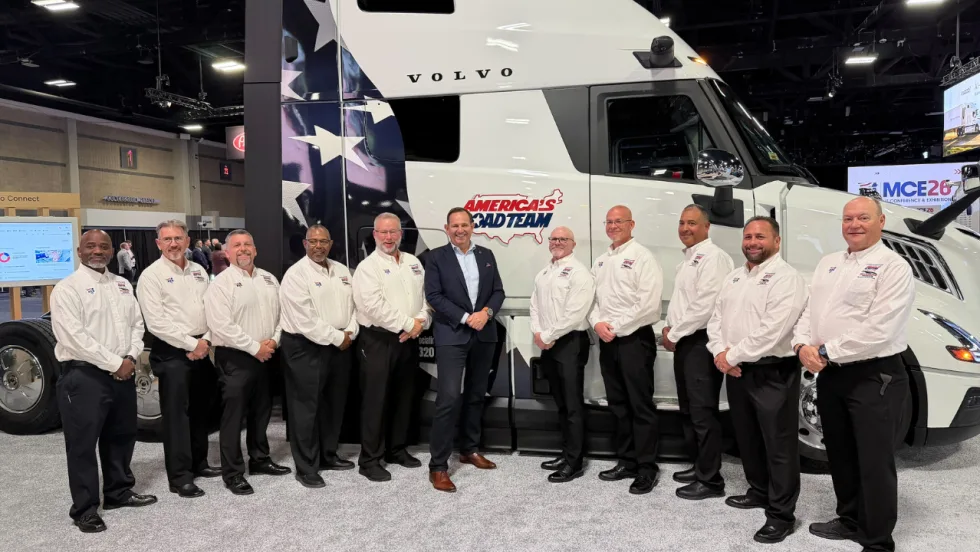
Volvo Trucks Marks 25 Years as Exclusive Sponsor of America's Road Team
Volvo Trucks North America will serve as the exclusive sponsor of the American Trucking Associations' America's Road Team, marking 25 years of Volvo sponsorship. The group of professional drivers promotes safety and the industry as they travel the country.
Read More →From Our Partners
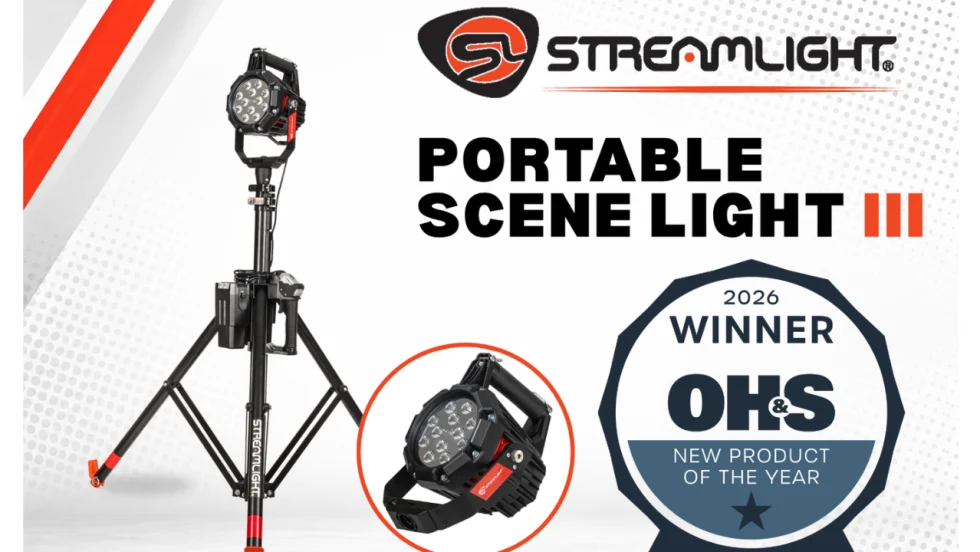
Streamlight’s High-Output Scene Light Recognized with Occupational Safety Award
Streamlight’s Portable Scene Light III (PSL III) won the 2026 Occupational Health & Safety (OH&S) New Product of the Year Award in the Lighting category.
Read More →
Fleetworthy Expands Expedited Inspection to 5 States
Following its industry-first launch in Nevada, Fleetworthy’s automated inspection technology is now live in California, Michigan, Vermont, and Maine.
Read More →
Crossing State Lines in a Light-Duty Work Truck? Check These Rules First
Crossing state lines in a lighter work truck? J.J. Keller's Kathy Close explains when IRP registration, trip permits, and towing rules come into play.
Read More →
GeoFencing Adds to Your Truck Security Arsenal
Geofencing is a familiar fleet tool today, but its early adoption marked a major shift in vehicle tracking, route monitoring, and the debate over employee privacy.
Read More →
Recalls You Need to Know About in October 2026
In October 2026, what recalls might impact your fleet? Work Truck has the answers in this comprehensive overview of recent NHTSA recalls.
Read More →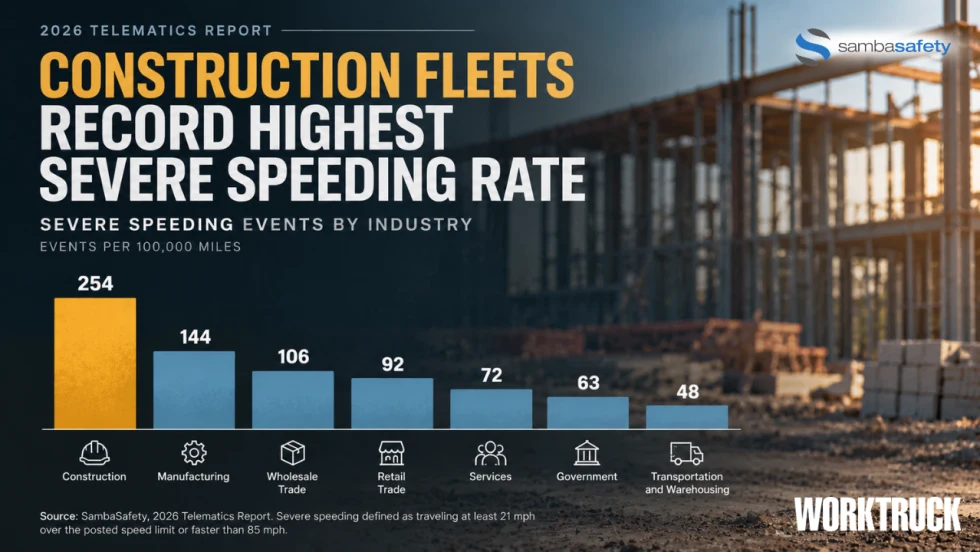
Construction Fleets Show Telematics Adoption Alone May Not Reduce Driving Risk
SambaSafety found construction fleets monitor roughly 92% of their vehicles but recorded the highest severe speeding rate among industries studied.
Read More →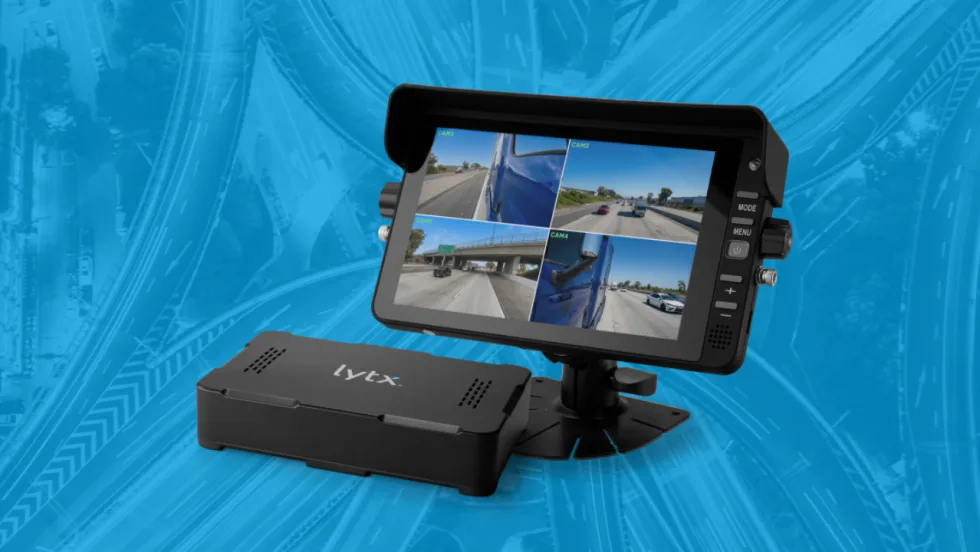
Lytx Launches 360 Hub Kit for Expanded Fleet Camera Visibility
Lytx’s new AI-ready gateway and HD auxiliary camera ecosystem, the Lytx 360 Hub Kit, extends visibility across side, rear, cargo, and blind-zone views to help fleets see more and respond faster.
Read More →