





Fleet 101: What is the Internet of Things (IoT)? IoT is a network of physical objects connected to the internet and can collect and exchange data. These "smart" devices can communicate with eachother and other internet-enabled devices.
Cybersecurity Threats Take Center Stage for Trucking Fleets in 2025
The NMFTA's 2025 Trucking Cybersecurity Trends Report highlights a clear call to action: fleet managers must proactively address cybersecurity threats.
January 9, 2025

From AI-enhanced phishing attacks to the rise of Zero-Trust security models, the latest NMFTA report breaks down the evolving threat landscape and offers insight into what trucking professionals can expect.
Photo: Work Truck
5 min to read
As fleets continue to adopt new technologies to optimize operations, the cybersecurity risks facing the trucking industry are growing at an alarming rate. The National Motor Freight Traffic Association (NMFTA) has released its 2025 Trucking Cybersecurity Trends Report, outlining key threats and critical areas that fleets must focus on to protect their operations in the coming year.
As fleets continue to adopt new technologies to optimize operations, the cybersecurity risks facing the trucking industry are growing at an alarming rate. The National Motor Freight Traffic Association (NMFTA) has released its 2025 Trucking Cybersecurity Trends Report, outlining key threats and critical areas that work truck fleets must focus on to protect their operations in the coming year.
The report cites cybersecurity as one of the most pressing challenges fleets will face in 2025. From AI-enhanced phishing attacks to the rise of Zero-Trust security models, the report breaks down the evolving threat landscape and offers insight into what trucking professionals can expect.
"No one can deny that as technology becomes more enhanced and robust, the landscape of the industry is shifting in ways that demand immediate attention," said Joe Ohr, chief operating officer for NMFTA. Artie Crawford, director of cybersecurity at NMFTA, echoed these concerns, noting that known threat actors are becoming more adept at exploiting vulnerabilities faster and more intelligently than ever before.
Let's dive into the top cybersecurity trends that will shape the industry in 2025 and beyond.
1. Phishing Attacks Are Becoming More Sophisticated
Phishing remains one of the most successful attack methods for cybercriminals, but it's evolving in ways that will make traditional detection methods less effective. According to the NMFTA report, AI-enhanced phishing campaigns are becoming more prevalent. These campaigns use advanced tools to craft compelling emails that can trick even the most vigilant employees.
In addition to traditional phishing, delayed phishing attacks are expected to rise in 2025. These attacks deploy malicious links and attachments with time delays to bypass secure email gateways and evade detection tools.
This trend presents a growing challenge for fleets that rely on secure communication to manage logistics, invoices, and sensitive operational data. As phishing tactics grow more sophisticated, commercial and work truck fleet managers must prioritize employee cybersecurity training and invest in more advanced detection and response tools.
Key Takeaway for Fleets: It's time to rethink your phishing defenses. Regular cybersecurity training and deploying enhanced security tools will be essential to reduce the risk of falling victim to these advanced threats.
2. AI and Machine Learning: A Double-Edged Sword
Artificial intelligence (AI) and machine learning (ML) will significantly defend against and enabling cyber threats in 2025. The NMFTA report highlights that threat actors increasingly leverage AI to automate attacks and create deepfake videos and voice recordings, making impersonation scams harder to detect.
Conversely, AI will also play a crucial role in cybersecurity defense strategies. AI-powered tools can improve threat detection, automate response to incidents, and predict vulnerabilities before they can be exploited. However, fleets should know that cybercriminals use the same tools to improve their tactics.
Key Takeaway for Fleets: AI can be your biggest asset or risk. You must stay updated with the latest AI-powered security solutions and remain vigilant about new threats.
3. Zero-Trust Architecture Adoption Will Increase
Many organizations are moving toward a Zero-Trust security model in response to growing cybersecurity threats. This approach assumes that threats can come from external and internal sources, meaning no user or device is automatically trusted.
The NMFTA report predicts that Zero-Trust adoption will increase significantly in 2025 as fleets work to combat impersonation scams and credential theft. Zero-Trust frameworks enforce strict verification processes and least-privilege access controls, reducing the risk of unauthorized access to sensitive fleet data.
Key Takeaway for Fleets: Now is the time to start if your light- or medium-duty fleet hasn't adopted a Zero-Trust approach. Implementing strict identity verification processes can help prevent unauthorized access to your systems.
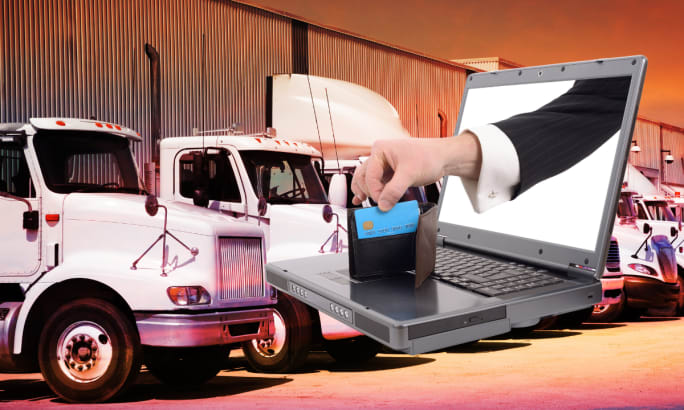
Implementing strict identity verification processes can help prevent unauthorized access to your systems.
Photo: Work Truck
4. Cyber-Enabled Cargo Theft on the Rise
Cargo theft is nothing new, but it's becoming more sophisticated as cybercriminals use digital tools to facilitate theft. The NMFTA report highlights the growing trend of cyber-enabled cargo theft, where threat actors use phishing, fake websites, and altered bills of lading to steal goods without detection.
As more fleets move to digital systems for tracking shipments, these attacks become easier for criminals to execute. The report notes that large language models (LLMs), like those used in generative AI, make crafting realistic-looking fraudulent documents and emails easier.
Key Takeaway for Fleets: Fleets must remain cautious about their cargo security practices. Implementing strong authentication protocols and partnering with trusted cybersecurity providers can help reduce the risk of cyber-enabled theft.
5. Internet of Things (IoT) Devices Present New Risks
Internet of Things (IoT) devices are becoming more widespread in the trucking industry, with work truck fleets using connected devices to monitor everything from vehicle diagnostics to trailer conditions. However, these devices also present new cybersecurity risks.
The NMFTA report warns that IoT devices can be a gateway for cybercriminals to access fleet systems if they are not properly secured. The report recommends that fleets follow best practices from industrial control systems to ensure their IoT devices are secure by design and configured with cybersecurity in mind.
Key Takeaway for Fleets: Don't overlook the cybersecurity risks associated with IoT devices. Make sure all devices are properly secured and regularly updated to prevent vulnerabilities.
6. Privacy Regulations Will Tighten
As concerns over data privacy continue to grow, the NMFTA report predicts that fleets must comply with increasingly stringent privacy regulations. These regulations will vary between states and countries, but the report emphasizes the importance of adhering to the highest common denominator to ensure compliance across all jurisdictions.
Key Takeaway for Fleets: Staying ahead of privacy regulations will be critical to avoid penalties and secure sensitive data handling.
Looking Ahead: What Fleets Can Do to Stay Protected
The NMFTA's 2025 Trucking Cybersecurity Trends Report highlights a clear call to action: fleet managers must proactively address cybersecurity threats. The threats are evolving rapidly, from phishing attacks and AI-driven scams to IoT vulnerabilities and privacy regulations.
Fleets are encouraged to invest in advanced cybersecurity tools, implement Zero-Trust frameworks, and prioritize cybersecurity training for all employees. The NMFTA will continue to provide resources, including webinars and its annual Cybersecurity Conference, to help fleets stay informed.
More Safety & Compliance
GeoFencing Adds to Your Truck Security Arsenal
Geofencing is a familiar fleet tool today, but its early adoption marked a major shift in vehicle tracking, route monitoring, and the debate over employee privacy.
Read More →
Recalls You Need to Know About in October 2026
In October 2026, what recalls might impact your fleet? Work Truck has the answers in this comprehensive overview of recent NHTSA recalls.
Read More →
Construction Fleets Show Telematics Adoption Alone May Not Reduce Driving Risk
SambaSafety found construction fleets monitor roughly 92% of their vehicles but recorded the highest severe speeding rate among industries studied.
Read More →From Our Partners


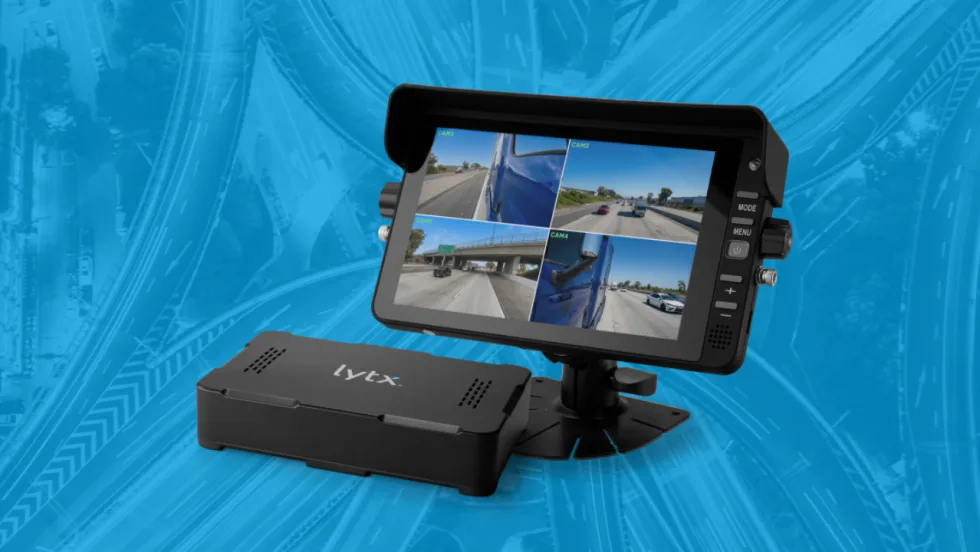
Lytx Launches 360 Hub Kit for Expanded Fleet Camera Visibility
Lytx’s new AI-ready gateway and HD auxiliary camera ecosystem, the Lytx 360 Hub Kit, extends visibility across side, rear, cargo, and blind-zone views to help fleets see more and respond faster.
Read More →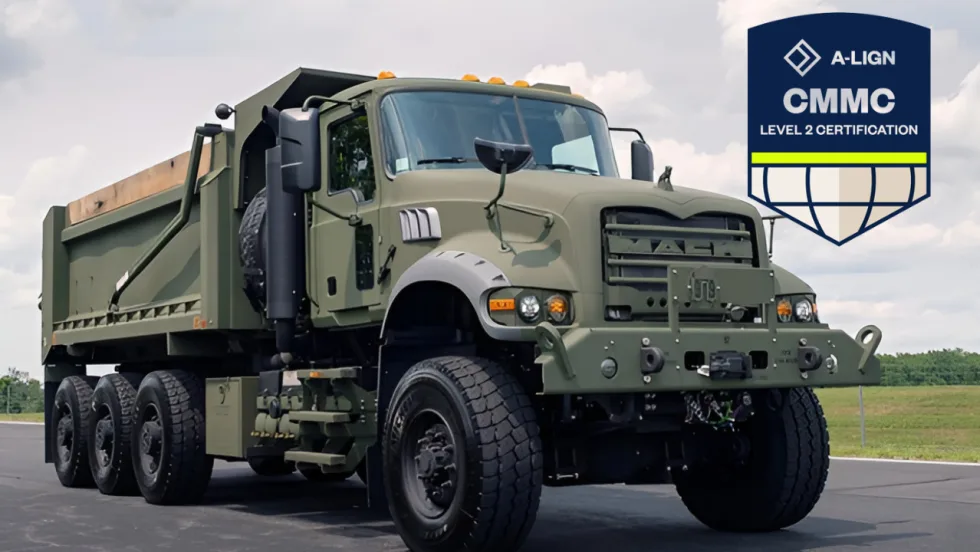
Mack Defense Achieves Cybersecurity Maturity Model Certification Level 2
After an assessment conducted by an authorized Certified Third-Party Assessment Organization (C3PAO), Mack Defense has achieved Cybersecurity Maturity Model Certification (CMMC) Level 2.
Read More →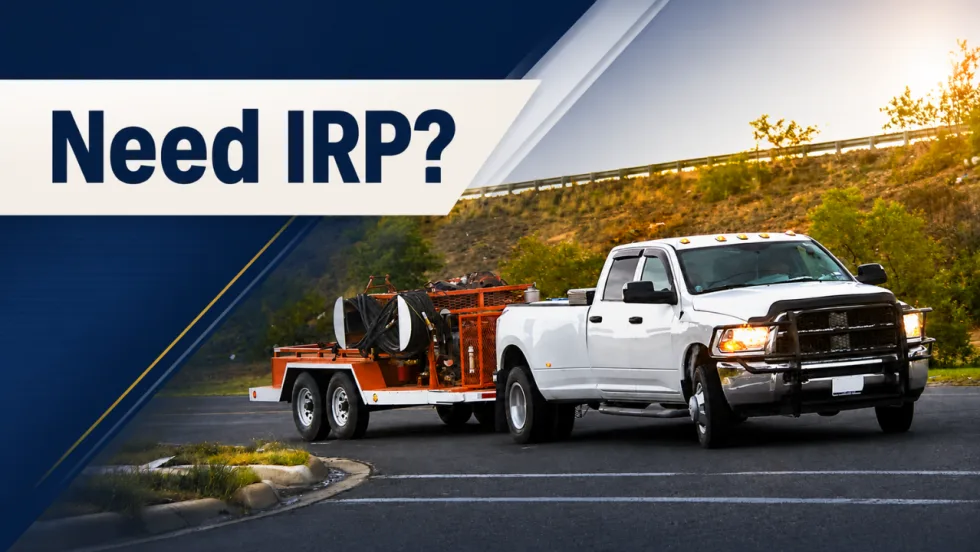
When Work Trucks Under 26,001 Pounds Need IRP Registration
Think trucks under 26,001 pounds are automatically in the clear when it comes to IRP? Not always. Learn where lighter vehicles can still run into trip permit, apportioned registration, and IFTA compliance requirements when crossing state or provincial lines.
Read More →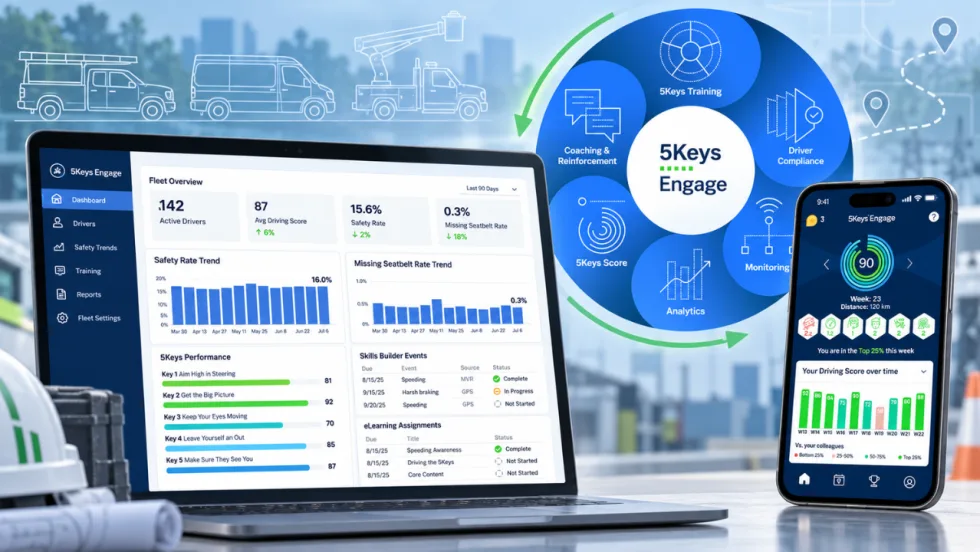
Smith System Wants Work Truck Fleets to Look Beyond the Driver Alert
Smith System’s new Driver Risk Management program is built to help mixed work truck fleets turn telematics alerts and observations into specific behaviors, coaching actions, and measurable follow-up.
Read More →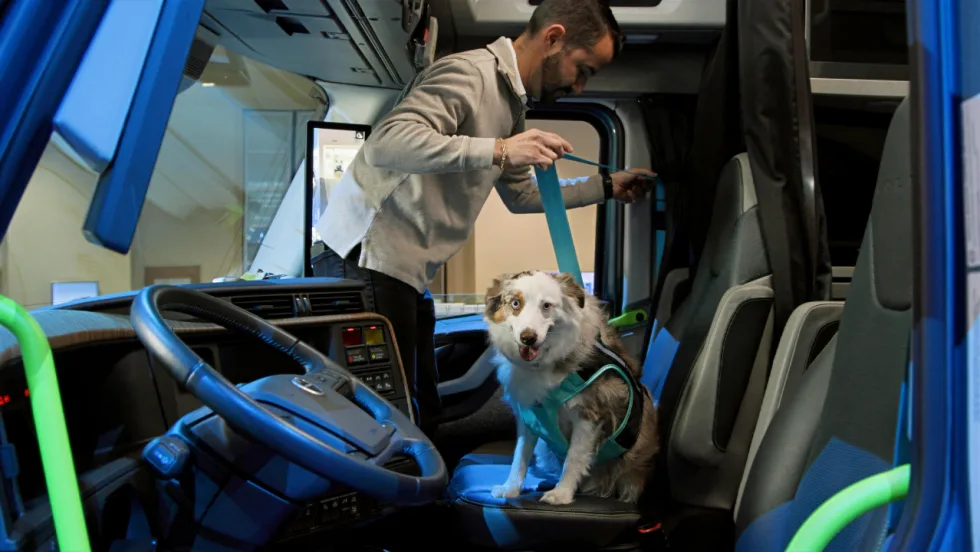
Volvo Trucks Releases New Safety Recommendations for Traveling with Pets
One of the most important recommendations for professional drivers traveling with pets is to ensure pets are properly restrained while the truck is moving. Other tips are available in the new guide from Volvo Trucks North America and Center for Pet Safety.
Read More →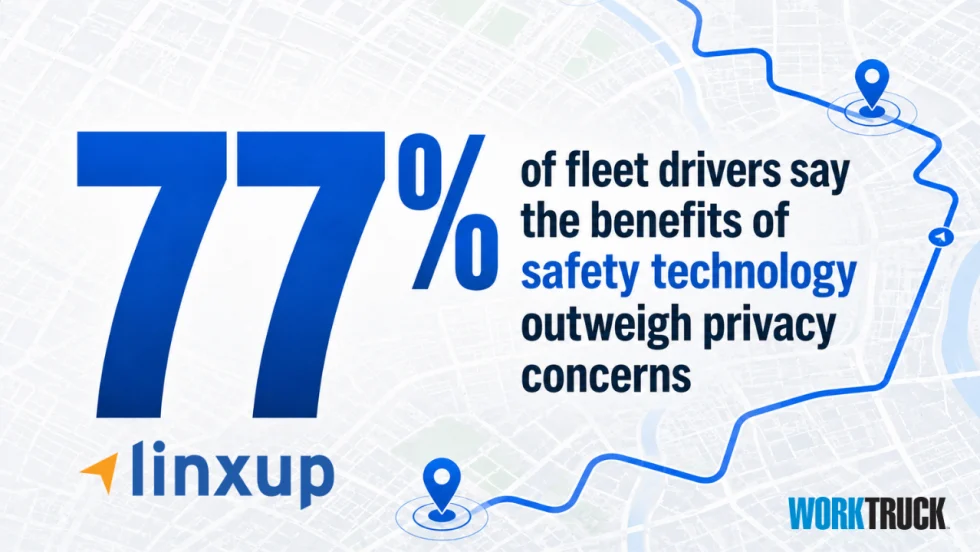
Are Work Truck Drivers Warming Up to Dash Cams and GPS Tracking?
A new survey finds field-service drivers may be more comfortable with dash cams and GPS tracking than fleet managers think, especially when the technology helps protect them after a crash.
Read More →
Recalls You Need to Know About in September 2026
If you have Altec, Chrysler, Ford, Heil, General Motors, International, Mack Trucks, Paccar, Rivian, Royal Truck, Toyota, US Truck Body, or Volvo Trucks vehicles in your fleet, you should check these important recalls issued by the National Highway Safety Administration.
Read More →