





Background Article: IARA Launches Detailed Compliance Training for Remarketers
Data Security Now a Must-Do for Companies — Forever
IARA Summer Roundtable: Cyber threats are multiplying in numbers and types as organizations scramble to catch up on protections.
September 22, 2022

Among the leading consequences of a cyberattack or breach is it incurs a loss of trust among clients and customers in addition to the financial losses and compensation needed to remedy the fallout, said Philip Geier, virtual chief information security officer for security platform provider, Pivotalogic, during the IARA Summer Roundtable on Aug. 18.
Photo: IARA
4 min to read
Think of it as the never-ending stress test. Cybersecurity has crept into the information-world like a million tapeworms burrowing and stealing into business data troves where they can wreak havoc and even demand ransom.
That means organizations, including all those handling vehicles in every facet of remarketing, should have plans and defenses in place — yesterday — and test them continuously.
Businesses and operation must update and bolster their cybersecurity strategies to stay secure for the long haul and ensure they remain productive and don’t lose money to cyber breaches, vandals, and ransom shakedowns, said Philip Geier, virtual chief information security officer for security platform provider, Pivotalogic. Geier gave a presentation, “Cybersecurity Made Simple,” on Aug.18 during the IARA Summer Roundtable in Nashville, Tennessee.
“You need to make sure you have a good security posture developed and the company can perform,” Geier said told the audience.
Geier’s firm is tracking the rising trend of threats and concerns related to cybersecurity. In its recent poll of 300 information technology leaders, the survey found some troubling realities:
81% of IT leaders rated vulnerabilities and unknown misconfigurations as the biggest security concern within their environments
76% say that their primary obstacle is the inability to hire security staff or lack of security experience and skills among the staff
70% say ransomware is their top concern
56% identify the inability to adequately manage risk and develop a risk management program
50% say their cybersecurity budget fails to meet the minimum figure they need to remain secure
Overall, cybersecurity is the number one concerns among CEOs as they see their companies and industry sectors suffer financial losses from attacks and hacks as massive increases in ransomware afflict the banking industry, Geier said. There has been a 24% increase in breaches compared to the previous year.
Among the leading consequences of a cyberattack or breach is it incurs a loss of trust among clients and customers in addition to the financial losses and compensation needed to remedy the fallout. The average cost of a data breach in 2021 was $9.05 million. 99% of organizations use at least one public or private cloud.
Further challenging the cybersecurity sector is a labor shortage of 3.5 million professionals, whose average base pay starts at $130,000.
Geier outlined four primary steps business and organizations can take to improve their security posture:
No. 1: Identify gaps and vulnerabilities with a security risk assessment. Check up on your overall security health. A risk assessment should span the administrative, physical facility, internal, and external functions of a business. Observe, document, and test all aspects of security, and interview employees as needed to complement the data and findings. A third party can help with such a comprehensive assessment.
No. 2: Measure and communicate your risks. IT people generally don’t communicate very well, Geier said. Leaders must instill consistent communication across the organization with IT. Set up a security score like the format for a FICO score.
No. 3: Build a roadmap to address your risks. Have a plan so you can make the right decisions and not get lost. Prioritize and address risks in the most methodical and effective way possible. Determine who best can devise a cybersecurity plan: internal employees, outside parties or contractors and services.
No. 4: Report improvements over time based on key performance indicators. Communicate and evaluate improvements continuously among different departments.
Meanwhile, organizations and businesses should take the following precautions:
Do not pay for ransomware blackmail. The more companies pay, the more aggressive they get. Can you do a disaster recovery exercise? Have an instant replacement plan based on practice attacks and scenarios. Conduct emergency exercises at regular times of the year.
Back up data so you don’t have to pay cyber criminals. Test the backed-up data. Cybersecurity “hostages” pay up because they don’t back up their company data and information. They should put it in a secure cloud and keep testing their disaster recovery plan.
The power grid is extremely vulnerable. Every company should install or be able to access backup generators and power supplies, since many utilities so far have not adequately invested in grid protection.
Topics:CybersecurityIARA Summer RoundtableAuctionsdata securityOperationsRemarketing & LifecycleSmall Fleet
Originally posted on Vehicle Remarketing
Subscribe to Our Newsletter
More Operations

Shades of Fleet Wants to Hear From You About Building a Culture of Care
Fleet leaders, we want to hear from you. Share how empathy, trust, and creating space for people can strengthen your team, improve performance, and support retention.
Read More →
What Racing Can Teach Work Truck Fleets About the Work Nobody Sees
Race car driver and mechanical engineer Isaac Johnson shares practical lessons on preparation, relationships, setbacks, and building teams that perform when it counts.
Read More →
New Fleet Guides, Hidden Truck Wear, and Driver Fit Lead This Month
Our latest Truck Chat recap covers new Fleet Guides, hidden idling costs, driver fit, lighter-truck registration rules, and year-round technician appreciation.
Read More →From Our Partners
Basic Tracking vs Next Generation Fleet Technology
Sponsored by AT&T Business

5 Facts Every Fleet Manager Should Know About Embedded Telematics
Sponsored by Stellantis/Mobilisights

How AI Video Telematics Boosts Driver Safety and Helps to Avoid Unnecessary Costs
Sponsored by Verizon Connect

Charting the 8 Bottom-Line Benefits of Workforce Optimization
Sponsored by Verizon Connect


Work Truck Takes Fleet Rivalry Downhill to Support Skilled Trades
Team Fletcher claimed a head-to-head win and second overall as Work Truck and Automotive Fleet helped raise $22,000 for the Hourglass Foundation.
Read More →
From Ledger Books to AI Patti Earley Shares 40 Years of Fleet Lessons
Patti Earley, CAFM, shares what four decades in fleet have taught her about using data, building relationships, and listening to the people behind the vehicles.
Read More →
Finalists Announced for 2026 Transition Trucking: Driving for Excellence Award
Kenworth Truck Company, Fastport, and the U.S. Chamber of Commerce Foundation's Hiring Our Heroes program have announced the five finalists for the 2026 Transition Trucking: Driving for Excellence Award.
Read More →
Toyota West Virginia Celebrates Three Decades of Manufacturing in the Mountain State
Toyota West Virginia celebrated 30 years of manufacturing. Toyota assembles both engines and drivetrain components in West Virginia to support its North American operations.
Read More →
The Hidden Cost of Idling
A low-mileage truck can still be one of the fleet’s hardest-working and most worn assets. Engine hours, idle time, and duty cycle reveal what the odometer misses.
Read More →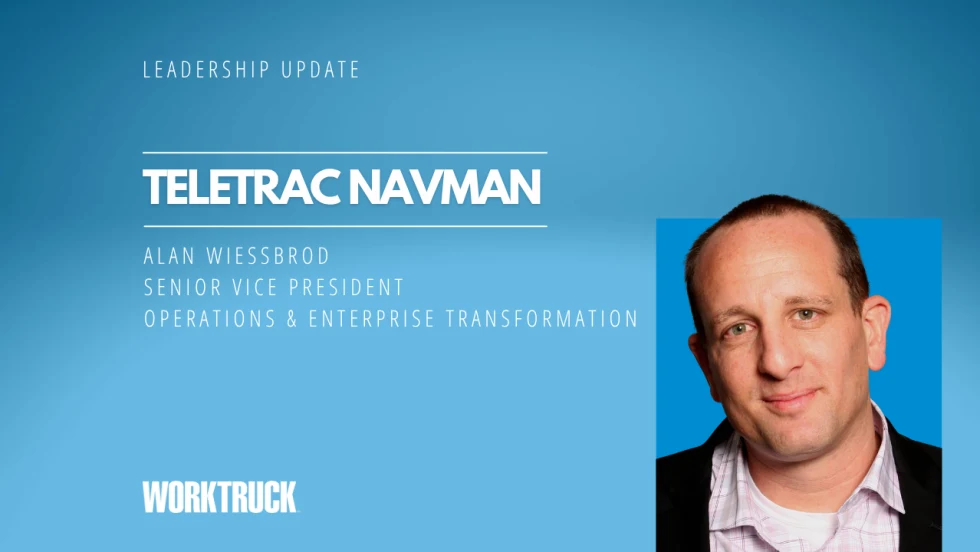
Teletrac Navman Hires SVP of Operations & Enterprise Transformation
Teletrac Navman has appointed Alan Wiessbrod to its senior leadership team as senior vice president, operations and enterprise transformation. The company said he has a strong track record of delivering profitable growth and operational excellence.
Read More →
2027 GM Trucks, Technician Retention, and Fleet Lessons Lead This Week’s News
New GM pickups, technician retention, fleet leadership lessons, winter equipment, and more headline this week’s Truck Chat Weekly Cheat Sheet.
Read More →