




Wialon Unlocks OEM Data to Give Fleet Owners Data Ownership & Operational Clarity
Wialon has introduced hardware-free OEM integration as the EU Data Act accelerates the shift in vehicle data access across the fleet industry in many countries.

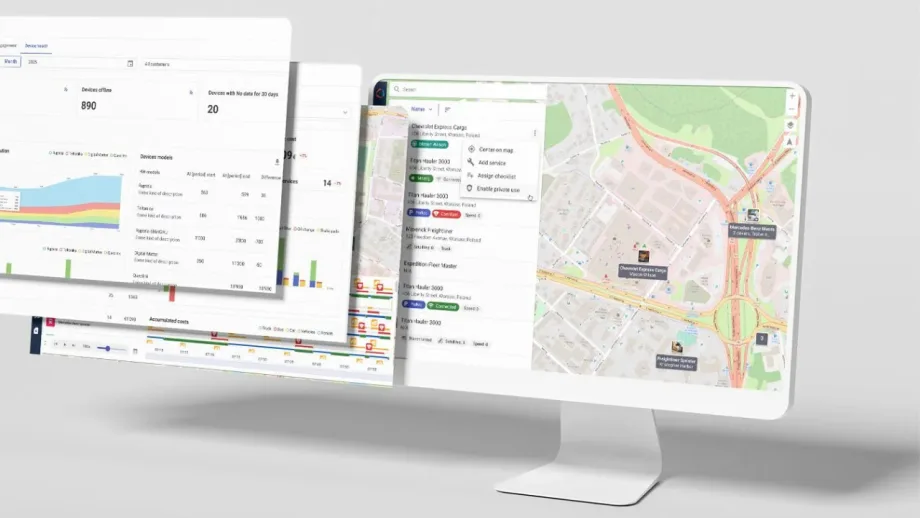
By establishing a reliable data flow from OEM equipment via High-Mobility and the flespi platform, Wialon now provides fleet owners native, unrestricted access to vehicle data.
Wialon
- Wialon has launched a hardware-free solution to integrate original equipment manufacturer (OEM) vehicle data.
- The integration follows the EU Data Act's influence on vehicle data access for fleet management.
- This development aims to grant fleet owners greater data ownership and improve operational transparency.
*Summarized by AI
Global fleet digitalization vendor Wialon has made a strategic move into OEM data for connected fleets, unifying vehicle data sourced directly from vehicle manufacturers.
Through an integration with data aggregator High Mobility and leveraging its own middleware platform flespi, Wialon enables its partners and users to access telematics data for passenger and commercial vehicles without installing any aftermarket hardware, ensuring fleets retain full control over their data.
By establishing a reliable data flow from OEM equipment via High-Mobility and the flespi platform, Wialon now provides fleet owners native, unrestricted access to vehicle data — without installing a single wire or risking a warranty.
Wialon is trusted by over 2,700 partners to track more than 4 million vehicles in more than 160 countries.
OEMs Must Provide Access to Data
The EU Data Act, which becomes enforceable in September 2026, ends manufacturers' exclusive control over vehicle data. The legislation grants fleet owners the legal right to access data from their connected vehicles and share it with third-party service providers of their choice.
This mandate requires OEMs to provide access to vehicle data, making it easier for fleets to adopt independent telematics platforms and consolidate data from multiple vehicle manufacturers and aftermarket devices within a single platform, such as Wialon.
Wialon said the move addresses a growing tension in the logistics industry: while modern vehicles generate massive amounts of diagnostic and behavioral data, manufacturers (OEMs) have historically restricted access, charged hidden fees, or enforced "vendor lock-in".
This comes as the European automotive telematics market is projected to grow from $22.5 billion in 2026 to $67.5 billion by 2034, at a CAGR of 14.7%, highlighting the rising importance of accessible vehicle data. Wialon’s new bridge covers over 20 major brands, including Mercedes-Benz, Volvo, and Renault, effectively turning the vehicle itself into a standardized IoT sensor.
"For too long, fleet data was a byproduct that owners rarely questioned and rarely truly owned," said Aliaksandr Kuushynau, head of Wialon. "Today, that data is power. But you can't have power without control. As the EU Data Act levels the playing field, we are moving beyond the era of hardware workarounds. We are guaranteeing that the data belongs to the person who owns the truck, not the company that built it. In 2026, data ownership isn't just a 'nice-to-have,' it is a strategic requirement."
This launch extends Wialon’s long-standing hardware-agnostic approach. The platform already supports over 4,100 device models from more than 700 aftermarket hardware manufacturers. The addition of direct OEM integration provides another layer of flexibility, allowing fleet managers to migrate entire mixed-brand operations to an independent platform.
As the automotive industry becomes increasingly software-defined, Wialon’s platform-centric model signals a broader shift toward a more open, owner-controlled future for the supply chain.
More Technology & AI
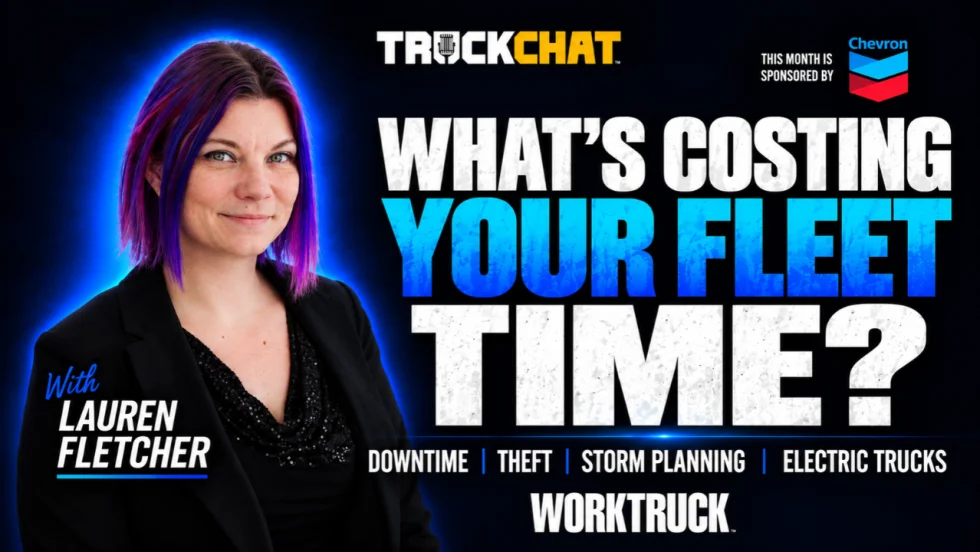
Fleet Downtime, Truck Theft, and Electric Growth Lead This Month
Where is your fleet losing time? This Truck Chat recap connects repair delays, theft risks, storm planning, and lessons from scaling electric trucks.
Read More →
HCSS Partners with Verizon Connect to Deliver Fleet Intelligence for Construction Fleets
HCSS has integrated with Verizon Connect to provide near real-time fleet insights so contractors can spend less time tracking assets and more time keeping projects on schedule.
Read More →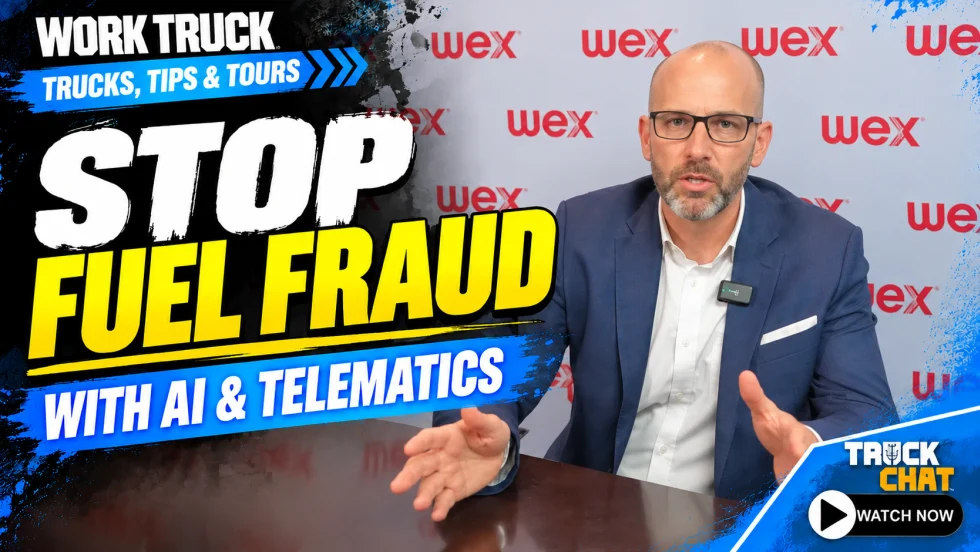
How Fleets Can Use Technology to Fight Fuel Fraud
Fuel fraud and theft remain significant challenges for commercial fleets, whether the problem involves third-party fraud or driver misuse. In this video, David Abraham of WEX explains how SecureFuel uses vehicle geolocation, telematics, transaction information, and AI to help fleet managers identify suspicious fuel purchases and make more informed decisions.
Read More →From Our Partners
Basic Tracking vs Next Generation Fleet Technology
Sponsored by AT&T Business

5 Facts Every Fleet Manager Should Know About Embedded Telematics
Sponsored by Stellantis/Mobilisights

How AI Video Telematics Boosts Driver Safety and Helps to Avoid Unnecessary Costs
Sponsored by Verizon Connect

Charting the 8 Bottom-Line Benefits of Workforce Optimization
Sponsored by Verizon Connect

Can AI Agents Help Small Work Truck Fleets Do More With Less?
Motive's new AI Agents automate fleet safety, maintenance, compliance, and dispatch tasks. Here's how they work for smaller fleets, what managers control, and what early users are seeing.
Read More →
Paccar Launches Paccar Connect for Peterbilt and Kenworth Trucks
The new Paccar Connect offers touchscreen displays, telematics capabilities, and an expanding app ecosystem to boost productivity and streamline driver workflows.
Read More →
Holman and ISEE Partner to Expand Autonomous Yard Truck Operations
The partnership combines Holman's fleet management and upfitting capabilities with ISEE's autonomous driving technology to help businesses deploy and manage driverless yard trucks.
Read More →
Who You Gonna Call? Rivian Turns Electric Vehicles Into Ghostbusters Rides
Rivian teams up with Sony Pictures for a Ghostbusters-inspired Halloween software update, complete with custom sounds, lighting effects, and a special Ecto-R1.
Read More →
The Second Trip and What Missing Tools Really Cost a Service Business
For service fleets, missing tools and equipment can lead to second trips, lost technician time, higher operating costs, and delayed jobs. Equipment tracking can help HVAC, plumbing, electrical, landscaping, and other service businesses improve visibility and reduce downtime.
Read More →
GeoFencing Adds to Your Truck Security Arsenal
Geofencing is a familiar fleet tool today, but its early adoption marked a major shift in vehicle tracking, route monitoring, and the debate over employee privacy.
Read More →
Geotab Data Shows Regional Trucking Growing Faster as Last Mile Routes Get Denser
Geotab's first U.S. supply chain report finds stable long-haul activity, stronger regional freight movement, tighter hub-and-spoke utilization, and more last-mile trips on shorter routes.
Read More →