





FLEET TIP: What should fleets look for in remanufactured parts?
Top 5 Benefits: Aftermarket Parts for Work Trucks
Once you have busted the aftermarket parts myths, its easy to see the benefits from increased vehicle useful life to enhanced data integration, improved maintenance, and safer vehicles.
March 21, 2023
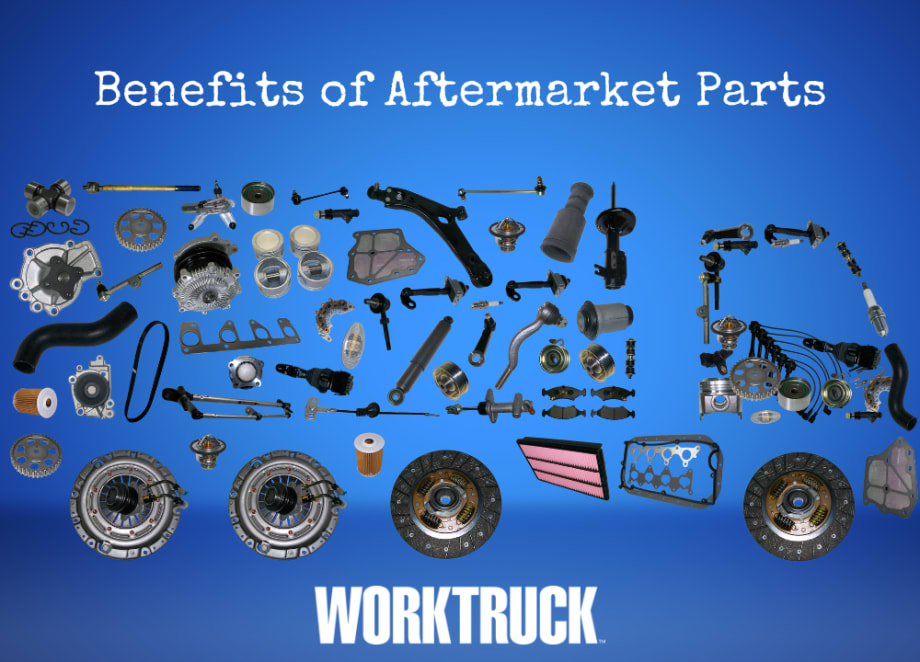
There are any number of available aftermarket parts for a variety of work truck components. Understand the benefits of utilizing quality aftermarket parts vs. OEM parts in your fleet.
Photo: Canva/Denis_prof
3 min to read
Aftermarket parts can provide significant cost savings while maintaining high-quality standards and meeting the specific needs of work truck fleets.
A few top benefits work truck fleets can find from utilizing these parts and accessories include:
Reducing downtime.
Enhancing truck maintenance and overall fleet efficiency.
increasing safety and security.
Ongoing integration of technology and telematics.
Benefit 1: Reduction in Downtime from Aftermarket Parts
Keeping vehicles running and on the road is the top goal of any commercial fleet manager. Parts are a big “part” of that equation.
“Aftermarket parts can be designed to outlast the OEM. This change will have a direct impact on the bottom line. A fleet manager should qualify their vendors by asking if their product will meet or exceed the performance of OEM. This can bring a higher cost to the front end. Still, the vehicle will remain a productive part of the fleet, reducing overall cost,” said Joe McDonald, vice president of sales at Jasper Engines & Transmissions.
Having access to the necessary parts and truck accessories from wiper blades to oil filters, mechanical parts, and more, sometimes you need to pivot to ensure your trucks stay on the road.
Benefit 2: Non-OEM Parts Can Help Enhance Efficiency
Vocational fleet managers always look for ways to increase their truck's overall efficiency. Expanding your parts network can help
“A.R.E. works with multiple companies that perform great with our products to help techs be more efficient with their day-in and day-out work activities,” said Jose Reyna, national fleet & commercial sales director at A.R.E.
And, generic parts allow the ability to create a stock number specifically for heavy-duty engine and truck applications.
“With OEMs, you're receiving the same part used in a domestic vehicle for the most part. Aftermarket parts can be designed with stronger alloys that will withstand the wear and tear of a fleet vehicle,” McDonald said.
Benefit 3: Increased Safety & Reduced Truck Maintenance
Driver and fleet safety is top of mind for vocational truck fleets.
“Studies have shown road calls are dangerous for the driver and repair shop associate. Increasing the quality of the failed part will, in turn, reduce road calls and improve overall safety,” McDonald said.
Reyna of A.R.E. also agreed.
“We are always concerned about the driver’s safety and try to supply our fleet customers with options to maximize safety. On our Commercial toppers, we offer popular options such as side toolboxes, so the driver doesn’t strain his body and possibly prevent injuries,” Reyna added.
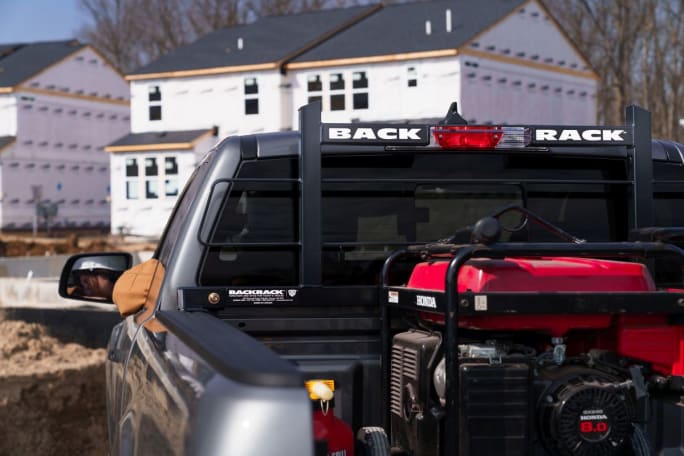
The right aftermarket parts can increase overall driver safety, from headache racks to telematics and more.
Photo: RealTruck
Benefit 4: More Security through Truck Accessories
Often, non-OEM parts focus on the security of your vehicle, tools, and equipment. These truck accessories can be quite expensive and often sought after by thieves.
“This is important because companies supply tools for the technician to perform their duties, and they need to be able to store them securely,” Reyna said.
An example would be products like the 5/8" receiver lock, cable locks, and other options from BOLT Lock for added cargo and tool security.
Benefit 5: Integration & Use of Telematics
Don’t forget telematics is often a non-OEM part for most fleet vehicles.
“Data, like driver behavior and location, are always good for fleet managers to have on hand,” Reyna said.
Today, a computer is becoming just as much a part of a truck fleet's maintenance toolbox as a socket wrench. And that's just as true in the truck cab as it is in the office.
Improving Parts Inventory
With continuing parts shortages, it's essential to better manage your parts inventory and come up with new ways to make things happen. From knowing what you have and need to access to parts to accurate data, it all goes hand-in-hand.
Curious about more real-world advice? Based on 25 years of experience, one master technician shares some sage advice on how fleets can navigate today’s escalating vehicle servicing challenges. Check it out!
And while you are there, make sure you subscribe to our eNewsletter so you never miss an update on parts and work truck fleet news!
Subscribe to Our Newsletter
More Maintenance
Les Schwab Expands Commercial Tire Footprint Into Arizona
Les Schwab Tires has expanded into Arizona with two commercial tire locations in Phoenix and Tucson, strengthening its fleet service footprint in the Southwest.
Read More →
Volvo Trucks’ 'Lock and Leave' Software Updates Go Live Across North America
Unattended over-the-air software updates are now available in Volvo trucks across the U.S. and Canada. The new capability lets trucks stay current with the latest software without interrupting operations or requiring a dealership visit.
Read More →
Why Technician Appreciation Can’t Be a Once-a-Year Thought
For fleets trying to keep skilled technicians, recognition cannot begin and end with Technician Appreciation Week. Learn what year-round appreciation really looks like and why the everyday technician experience matters just as much as pay when fleets are trying to keep good people.
Read More →
How Faster Driver Reporting Can Keep Small Truck Problems Small
When minor damage, warning lights, or equipment issues are reported late, small problems can quickly become bigger maintenance headaches. Conversational AI can help shorten the path from what a driver notices in the field to the person who can act on it.
Read More →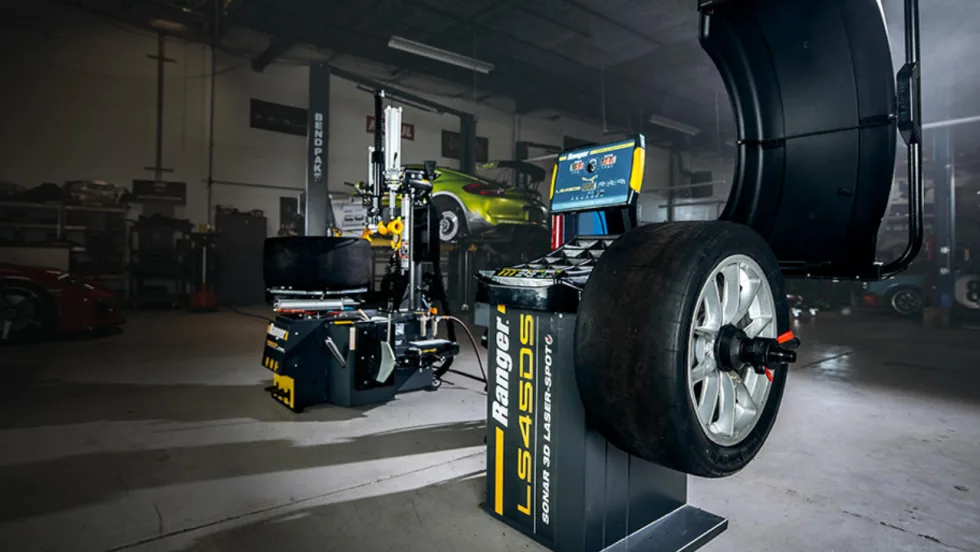
BendPak’s Ranger Wheel Service Equipment Achieves North American Safety Certification
BendPak’s full line of Ranger tire changers and wheel balancers has been ETL certified to UL and CSA standards to improve operator safety.
Read More →
Isuzu & U.S. Department of Labor Celebrate Milestone for Veterans Apprenticeship Program
The Isuzu Veterans Apprenticeship Program (IVAP) signing ceremony highlighted Isuzu’s long-term commitment to veterans, Isuzu dealers, and the skilled workforce supporting its customers and the commercial transportation industry.
Read More →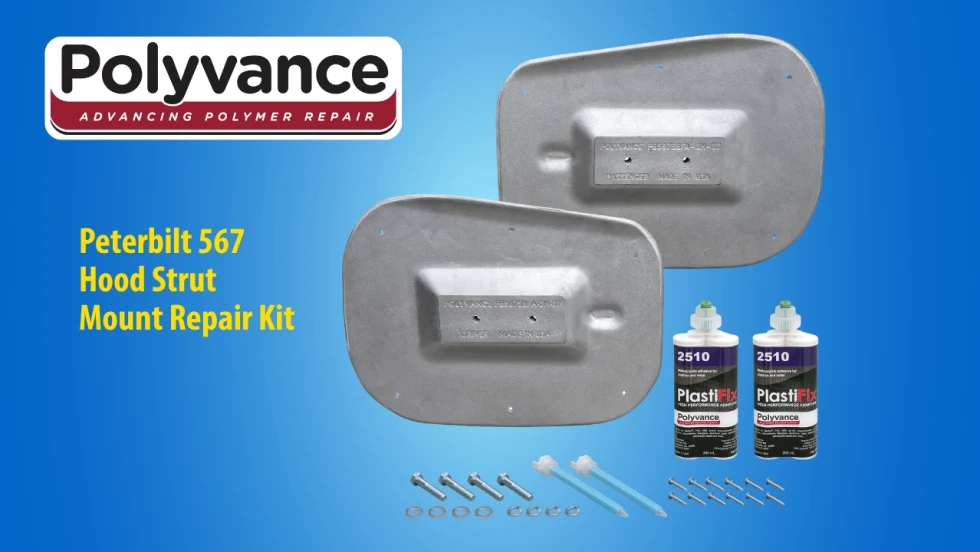
Polyvance Introduces New Peterbilt 567 Hood Strut Mount Repair Kit
Polyvance has launched a repair solution for Peterbilt 567 hood struts, helping truck owners and repair facilities avoid costly hood replacements.
Read More →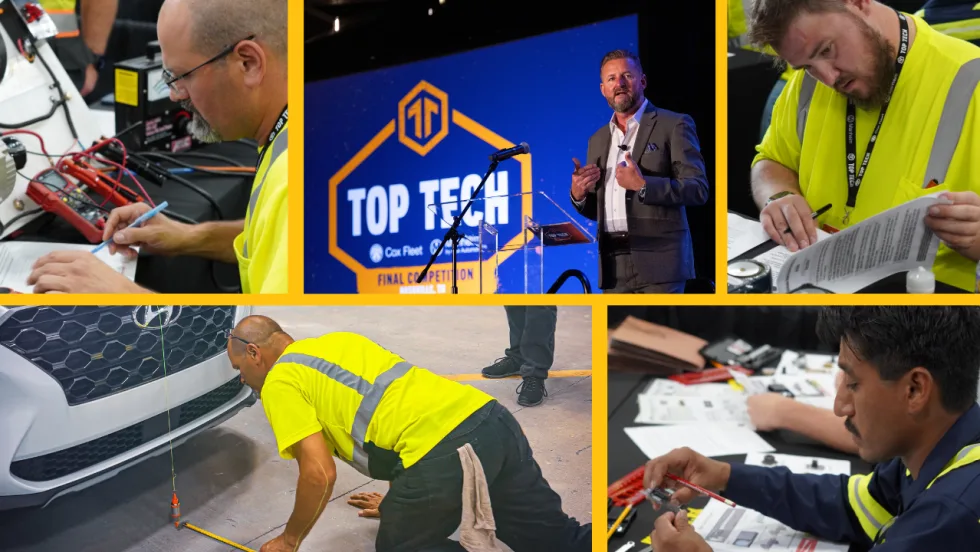
Cox Automotive Celebrates Technical Excellence at 2026 Top Tech Finals
The top technicians from Cox Fleet and Manheim tested their skills in Nashville, Tennessee, at Cox Automotive’s 2026 Top Tech Finals. The overall winners will advance to compete at the American Trucking Association’s TMC SuperTech competition.
Read More →
Grote Industries Appoints Vice President of North American Operations
Grote Industries has appointed Patrick Smith as vice president of North American operations as it celebrates 125 years of innovation and manufacturing excellence. He has more than 20 years of manufacturing leadership experience.
Read More →
Winter Fleet Prep: Expert Tips to Keep Vehicles Running Smoothly
Cold weather can expose weak batteries, tires, fuel systems, and maintenance gaps fast. Use this winter fleet checklist to prepare trucks and drivers before temperatures drop.
Read More →