




What Is Upfitting?
Upfitting refers to the process of modifying or customizing a commercial or industrial vehicle, typically a truck, to better suit specific business needs, industry requirements, or individual preferences.
5 Ways Data Has Changed the Work Truck Industry
The work truck industry is evolving. Here are five ways data is reshaping the industry
by Kathryn Schifferle, Work Truck Solutions
September 21, 2023
Data is revolutionizing traditional processes and setting the stage for a more efficient and streamlined future.
Photo: Work Truck
4 min to read
In today's rapidly evolving automotive landscape, the work truck industry has emerged as a crucial segment with immense potential for stability and growth.
Despite its significance to local, national, and global economies, the commercial vehicle opportunity has often been relegated to the periphery of the automotive dealership.
However, with the erratic economy brought on by the vagaries of supply chain disruptions and the looming labor strikes, embracing the power of data can be the difference between success and struggle for fleets.
Here are five ways data is reshaping the work truck industry, revolutionizing traditional processes, and setting the stage for a more efficient and streamlined future.
No 1. — Enhanced Search and Inventory Management
Buying and selling commercial vehicles has historically been complex due to the diverse array of vehicle types and specialized upfits.
Data gleaned from dealer invoices has emerged as a game-changer, offering specific categorization, and streamlined search functionalities for existing inventory, including vehicle types and unique upfits.
Unlike outdated online platforms that mirrored print catalogs and failed to capture the nuances of work truck configurations, modern data-driven systems empower dealers and customers with a more intuitive and tailored approach to vehicle selection.
No 2. — Simplified Ordering Process
In today’s environment, an in-stock work truck is less likely to be found, especially to the exact specifications needed for the business use case.
But for those businesses that know exactly what they want and need, digitizing data has simplified the ordering process.
When selecting a specific upfit or truck type, "fitment" data (which upfits can be installed on which chassis or vans) can automatically remove options that no longer apply to that custom order.
With the low level of in-stock work trucks and even more rarity of finding one that precisely matches a customer’s specific requirements, custom orders are becoming necessary.
Utilizing data can considerably streamline the process of ordering custom work trucks.
By integrating fitment data, digital platforms can automatically eliminate options irrelevant to a custom order.
This evolution eliminates the need for time-consuming callbacks and prevents unwelcome surprises upon delivery, offering a seamless ordering experience for buyers and sellers.
No 3. — Comprehensive Cataloging of Options
With so many custom options available today for commercial buyers, deciding what is right for their business is tough.
For those uncertain about what is out there that could meet their needs, digital catalogs are an indispensable resource.
These catalogs, with extensive displays of various build-outs and capabilities, enable buyers to navigate their options more clearly and confidently.
Adding to that online access, such as vocational use cases, will also help make the best commercial vehicle purchase decision.
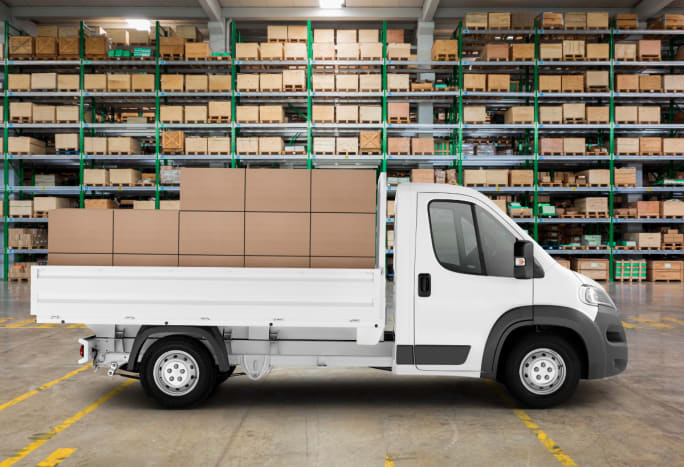
Upfitting involves adding various components, equipment, and modifications to enhance the functionality, efficiency, safety, and overall performance of the vehicle.
Photo: Work Truck
No 4. — Streamlined Financing Options
Just as digital data transformed consumer car shopping, it has likewise revolutionized financing solutions for commercial buyers.
Offering an online approval process or a simplified in-dealership option significantly reduces the frustration of securing financing.
This data-powered transformation aligns with the customer expectation of a convenient and swift transaction experience.
No 5. — Frictionless Transport
Transporting commercial trucks and vans, often odd-shaped and sized, presents unique challenges that demand specialized attention.
When coupled with supply chain complexities that necessitate cross-state buying and selling, in-depth configuration data becomes pivotal for accurate quoting and to ensure safe, high-quality transport.
By harnessing precise configuration data and a stable network, dealerships can effectively alleviate transport-related friction.
Data for Customers
The work truck industry is undergoing a dynamic shift, with data at the helm of this transformation for dealers and business customers.
As automakers expand their expectations of dealerships to include selling telematics, warranties, maintenance packages, and more, data-driven software technologies are set to free dealerships from the chains of outdated, cumbersome processes that frustrate customers and cloud the relationships, while significantly improving the lives and ROI of their customers.
New technologies are set to simplify the entire journey, fostering a transparent and collaborative relationship with customers.
The potential for growth and the inherent stability of this sector is undeniable, and dealerships that embrace data-driven processes are poised to reap substantial benefits.
Embracing data is not merely an option — it's the pathway to success in this evolving landscape.
Subscribe to Our Newsletter
More Vehicle Research
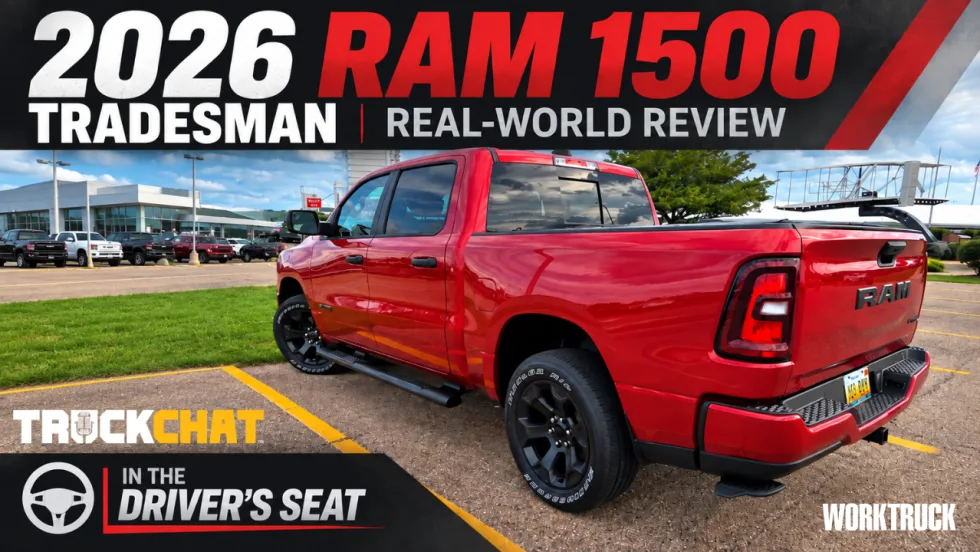
2026 Ram 1500 Tradesman Put to a Real-World Fleet Test
A few days behind the wheel of a 2026 Ram 1500 Tradesman turned into a test of visibility, parking, work-ready features, and even severe-weather driving.
Read More →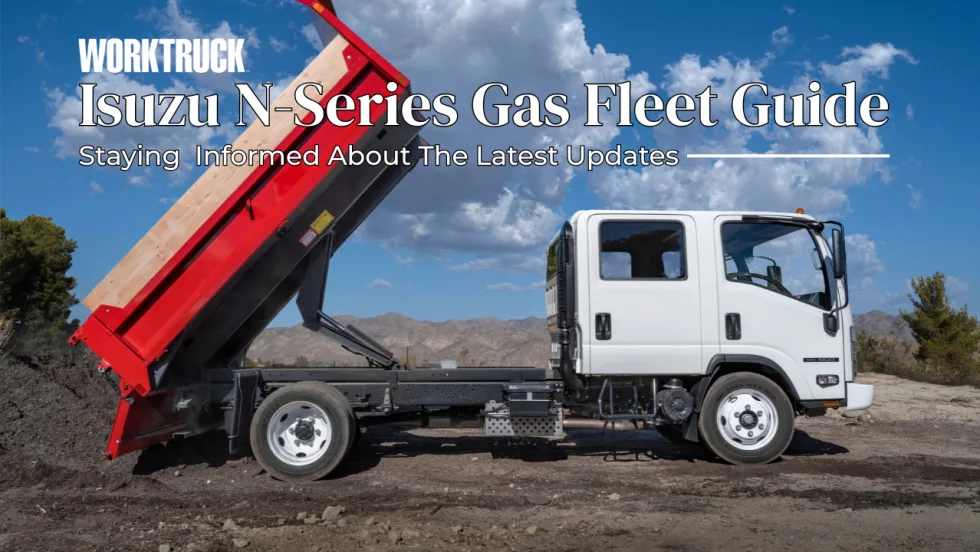
Isuzu N-Series Gas Fleet Guide: Specs, Capability and 2027 Model-Year Updates
Explore Isuzu Truck North America’s N-Series Gas fleet specs, engine performance, GVWR and payload capability, configurations, chassis dimensions, work-focused features, and 2027 model-year information.
Read More →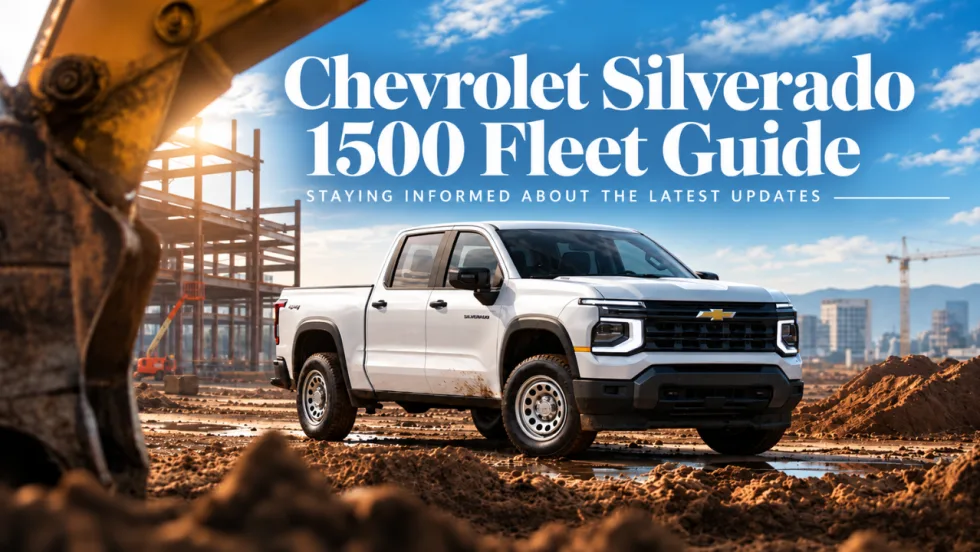
Chevrolet Silverado 1500 Fleet Guide Specs Capability and 2027 Model-Year Updates
The next-generation 2027 Chevrolet Silverado 1500 brings new V-8 engines, updated technology, expanded safety features, and a fleet-focused Work Truck. Here’s what commercial fleets need to know so far.
Read More →
Ram ProMaster City Fleet Guide Specs Cargo Capacity and 2027 Updates
Work Truck’s Ram ProMaster City Fleet Guide tracks the latest specifications, cargo capability, configurations, fleet technology, pricing, and model-year updates for Ram’s mid-size commercial van.
Read More →
Ford F-150 Fleet Guide Specs Capability and 2026 Model-Year Updates
Explore 2026 Ford F-150 fleet specs, engines, towing and payload capability, configurations, work features, technology, and model-year updates.
Read More →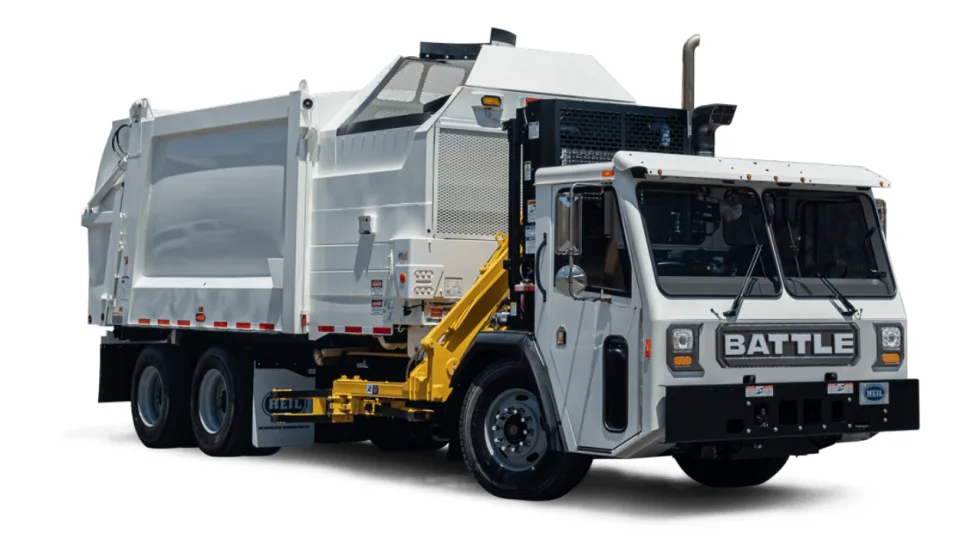
TCI Now Sells & Supports Battle Motors’ Vocational Trucks
Midwest truck dealer Truck Centers, Inc. (TCI) has expanded its transportation solutions with sales and service support for Battle Motors’ heavy-duty vocational trucks at locations in locations in Indiana, Illinois, and Missouri
Read More →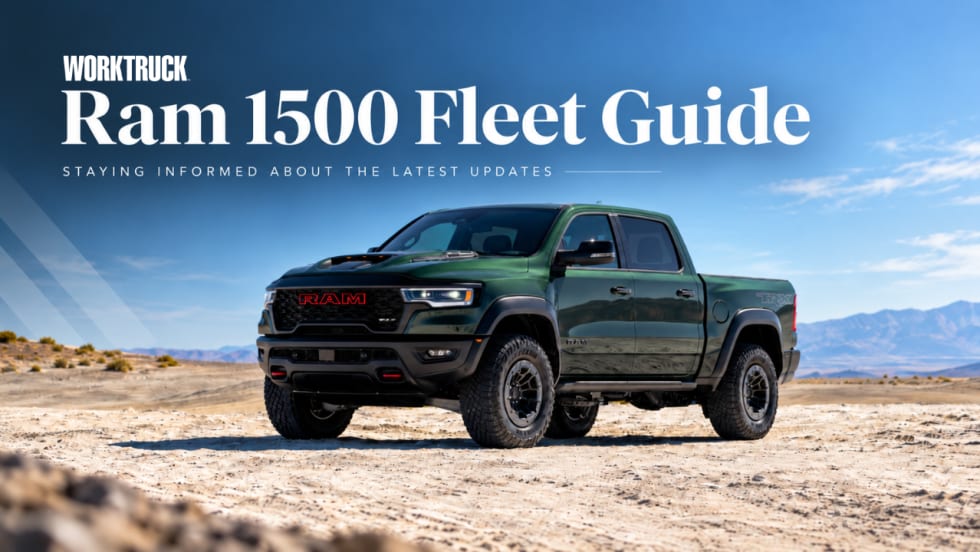
Ram 1500 Fleet Guide Specs, Capability and 2027 Model-Year Updates
Explore always up-to-date Ram 1500 fleet specs, engines, towing and payload capability, configurations, technology, pricing updates, and model-year changes.
Read More →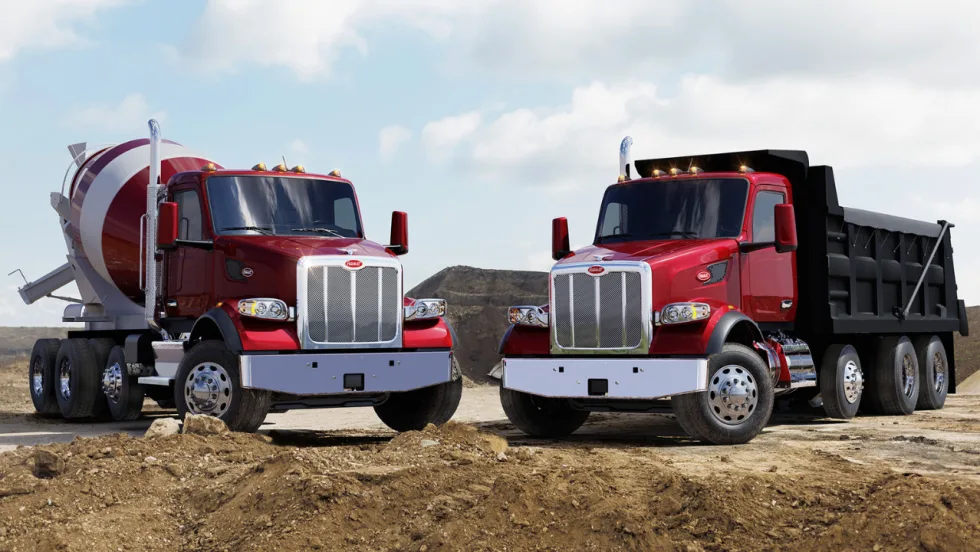
Peterbilt Trucks Equipped with Paccar TX-18 Pro Boost Efficiency for Maryland Fleet
Patuxent Companies is replacing aging trucks with the Peterbilt Model 567 and Model 589, specified with the Paccar TX-18 Pro 18-speed automated transmissions, and is reporting an 8% to 10% improvement in fuel economy.
Read More →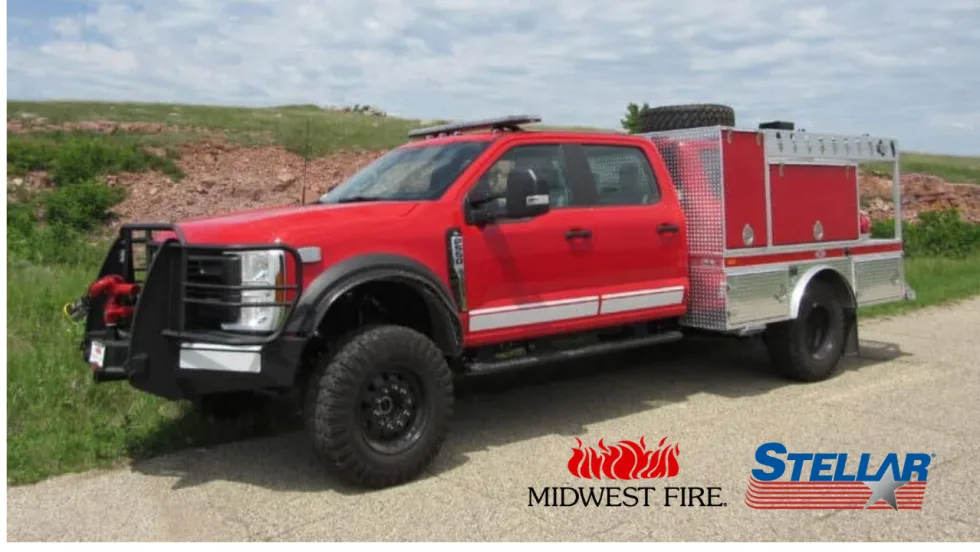
Stellar Expands into Fire Apparatus Market with Acquisition of Midwest Fire
Stellar Industries has acquired Midwest Fire, a custom fire apparatus manufacturer headquartered in Luverne, Minnesota, with nearly four decades of specialized apparatus experience.
Read More →
Recalls You Need to Know About in August 2026
If you have Altec, Chrysler, Ford, Heil, General Motors, International, Mack Trucks, Paccar, Rivian, Royal Truck, Toyota, US Truck Body, or Volvo Trucks vehicles in your fleet, you should check these important recalls issued by the National Highway Safety Administration.
Read More →