




Electrification Incentives: The Acquisition Windfall Fleets Can't Miss
Discover how fleets can use tax credits, grants, rebates, and vouchers to dramatically reduce electric truck and charging infrastructure costs—before today’s funding disappears.
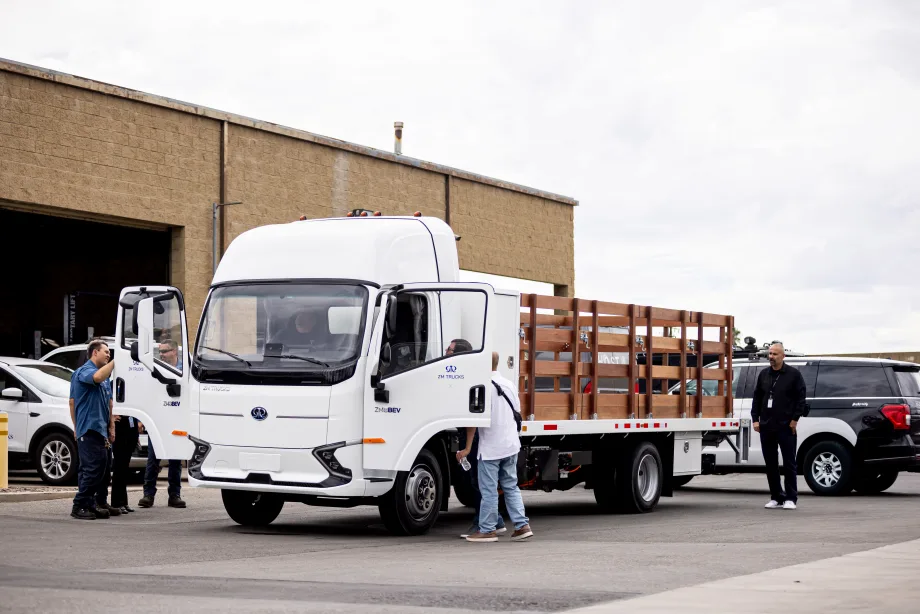
ZO Motors North America LLC
- Electrification incentives can help reduce the initial costs of electric vehicles and support the development of charging infrastructure for fleets.
- Funding for electrification is available from federal, state, and local sources, each with varying eligibility requirements and forms such as tax credits, grants, and rebates.
- Accessing additional funding can aid fleets in overcoming budget constraints associated with the higher costs of electric vehicles and necessary charging infrastructure.
*Summarized by AI
For some fleets, electrification begins and ends at the vehicle’s price tag. When budgets are tight, they can’t justify the higher sticker price of EVs and opt for less costly ICE vehicles. For other fleets, the cost of charging infrastructure is the barrier. Additional funding outside of a fleet’s budget can help fleets remove these barriers. Fortunately, it’s available for now.
Electrification incentives can significantly offset the acquisition price of electric vehicles and fund charging infrastructure, too. Here’s how to understand the funding landscape and find the electrification budget you’ve been looking for.
Where to Look for Incentives
Electrification incentives are available from federal, state, and local sources, each of which has its own eligibility requirements. Incentives come in the form of tax credits, grants, rebates, vouchers, and financing programs, depending on which entity is providing the funding.
For instance:
- Federal agencies offer tax credits and grants to fleets nationwide but may have specific vehicle, buyer, and use requirements.
- State governments may offer rebates and tax credits for vehicles registered in the state. Look for upfront discounts or reimbursement funding for vehicle purchases and infrastructure projects.
- Local agencies can offer rebates and infrastructure support for fleets operating within the municipality or region.
- Utility-funded programs may offer customers special EV rate plans and rebates that fund charging infrastructure and electrical upgrades.
“Each incentive type serves a different purpose. Fleets should evaluate opportunities to stack incentives, where permitted, to maximize project economics,” advises Dominique Follico, Director of Incentives Strategy and Compliance at ZM Trucks.
The Incentive Windfall
The level of funding incentives provide will vary by program, but some can be sizeable, and savings can be immediate.
Voucher programs are typically applied directly to the sales order as a discount, immediately reducing out-of-pocket expense at the time of purchase. Reimbursements, however, require fleets to purchase EVs first, then wait for compensation.
“State-level voucher programs like CCFR, HVIP, NYTVIP, TERP can significantly reduce the upfront cost of electric vehicles,” Follico said. “The ZM8 Series — ZM Trucks' Class 5/6 zero-emission truck assembled in Fontana, California — is currently eligible for California's HVIP voucher program, with vouchers of up to $60,000 for Class 5 and up to $85,000 for Class 6 configurations applied directly at the point of sale.”
Ontario International Airport Authority is a prime example of how incentives can make EV acquisitions possible. A San Bernardino County grant offset the entire cost of the agency’s ZM8 BEV order, making the transition to zero-emission operations financially viable.
Program | State | Amount per Truck | Primary Focus | How Funding Works |
|---|---|---|---|---|
CCFR | California | Voucher up to $7,500–$120,000 | Medium- and heavy-duty zero-emission trucks | Discount applied at purchase through participating dealers |
HVIP | California | Voucher up to $330,000 | Commercial zero-emission vehicles | Voucher reduces purchase price immediately |
NYTVIP | New York | Voucher up to $285,000 | Commercial battery-electric and hydrogen fuel cell trucks and buses | Voucher applied by participating dealers |
TERP | Texas | Reimbursement up to 80% of eligible incremental costs | Replacing older diesel vehicles with cleaner alternatives | Fleet purchases vehicle first, then applies for reimbursement |
Incentives offered through utilities, state agencies, and grant programs help with the costs of charging infrastructure, which is often one of the largest barriers to fleet electrification. These programs help offset charging equipment, installation, and site upgrade costs.
Electrification Incentive Dos and Don’ts
Follico offers the following Dos and Don’ts to fleets interested in seeking electrification incentives:
Do:
- Start planning early.
- Verify eligibility requirements before ordering vehicles.
- Engage utilities early in the process.
- Maintain thorough documentation.
- Understand incentive stacking opportunities and restrictions.
- Work with experienced incentive specialists who can help identify funding opportunities and avoid common application mistakes.
Don’t:
- Assume incentives can be combined without restrictions.
- Purchase vehicles before confirming eligibility.
- Underestimate charging infrastructure timelines
- Wait until funding opportunities open before beginning project planning.
However, Follico’s biggest advice for fleets is to act now. “Just because EV incentive programs currently exist doesn’t mean they’ll be around forever. We’ve seen agencies pull incentive programs because they assume they’ve been offered long enough and fleets are no longer interested,” she said. “Fleets should take advantage of the money currently available. If you can get 90% of your truck funded, why not do it now?”
Is Applying Worth the Time?
While it’s true that finding and applying for electrification incentives does take time, Follico says it’s well worth it.
“The return on a fleet’s time investment can be substantial. For medium- and heavy-duty electric vehicles, incentives can offset tens of thousands — and in some cases over one hundred thousand dollars — per vehicle,” she said. “Spending time to identify and qualify for incentives can significantly improve project economics, reduce capital expenditures, accelerate deployment timelines, and increase the overall financial viability of fleet electrification projects.”
Follico also notes that for many fleets, incentives can be the deciding factor between moving forward with electrification today or postponing deployment until a later date.
“Ontario International Airport Authority's acquisition of a ZM8 is a direct example: grant funding turned a capital-intensive decision into an accessible one, allowing OIAA to move forward with zero-emission operations now rather than later,” she said.
Find the Right Funding for Your Fleet
ZM Trucks offers fleets free advice on how to take advantage of electrification incentives. Reach out for help finding the right incentives for your fleet at zmtrucks.us.
This article reflects the views of ZM Trucks and does not necessarily represent the views of WORK TRUCK or Bobit Business Media.
Quick Answers
A primary obstacle for fleets considering electrification is the higher sticker price of electric vehicles (EVs) compared to internal combustion engine (ICE) vehicles and the cost of charging infrastructure.
*Summarized by AI
More Vehicle Research
2026 Ram 1500 Tradesman Put to a Real-World Fleet Test
A few days behind the wheel of a 2026 Ram 1500 Tradesman turned into a test of visibility, parking, work-ready features, and even severe-weather driving.
Read More →
Isuzu N-Series Gas Fleet Guide: Specs, Capability and 2027 Model-Year Updates
Explore Isuzu Truck North America’s N-Series Gas fleet specs, engine performance, GVWR and payload capability, configurations, chassis dimensions, work-focused features, and 2027 model-year information.
Read More →
Chevrolet Silverado 1500 Fleet Guide Specs Capability and 2027 Model-Year Updates
The next-generation 2027 Chevrolet Silverado 1500 brings new V-8 engines, updated technology, expanded safety features, and a fleet-focused Work Truck. Here’s what commercial fleets need to know so far.
Read More →
Ram ProMaster City Fleet Guide Specs Cargo Capacity and 2027 Updates
Work Truck’s Ram ProMaster City Fleet Guide tracks the latest specifications, cargo capability, configurations, fleet technology, pricing, and model-year updates for Ram’s mid-size commercial van.
Read More →
Ford F-150 Fleet Guide Specs Capability and 2026 Model-Year Updates
Explore 2026 Ford F-150 fleet specs, engines, towing and payload capability, configurations, work features, technology, and model-year updates.
Read More →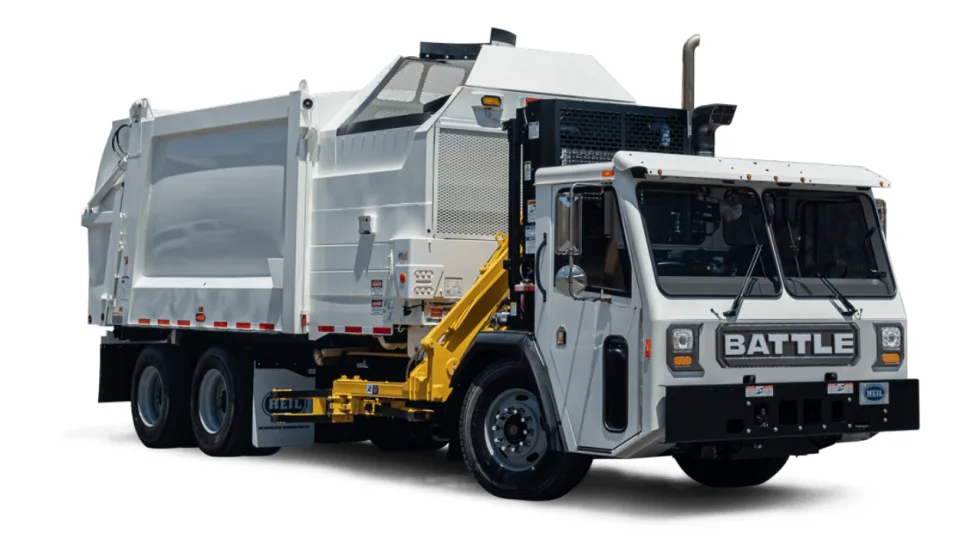
TCI Now Sells & Supports Battle Motors’ Vocational Trucks
Midwest truck dealer Truck Centers, Inc. (TCI) has expanded its transportation solutions with sales and service support for Battle Motors’ heavy-duty vocational trucks at locations in locations in Indiana, Illinois, and Missouri
Read More →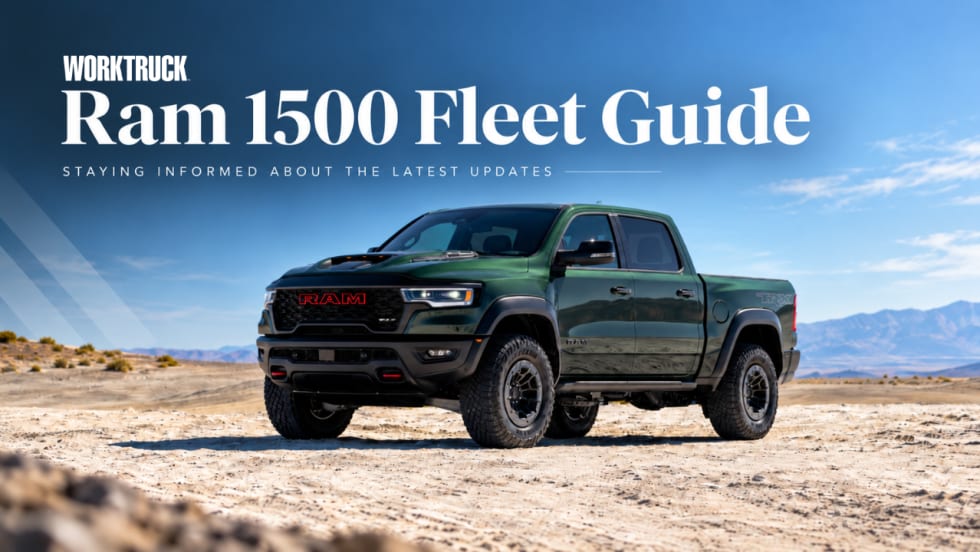
Ram 1500 Fleet Guide Specs, Capability and 2027 Model-Year Updates
Explore always up-to-date Ram 1500 fleet specs, engines, towing and payload capability, configurations, technology, pricing updates, and model-year changes.
Read More →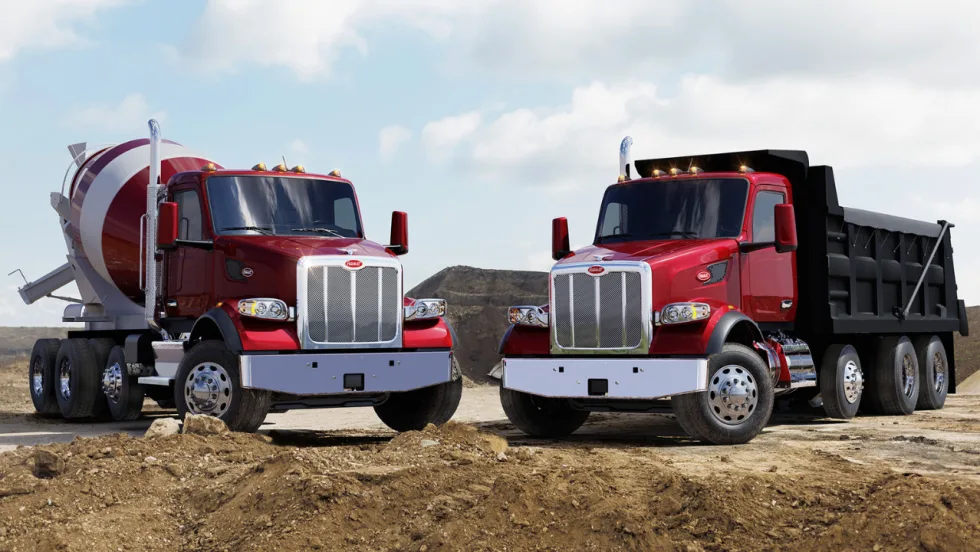
Peterbilt Trucks Equipped with Paccar TX-18 Pro Boost Efficiency for Maryland Fleet
Patuxent Companies is replacing aging trucks with the Peterbilt Model 567 and Model 589, specified with the Paccar TX-18 Pro 18-speed automated transmissions, and is reporting an 8% to 10% improvement in fuel economy.
Read More →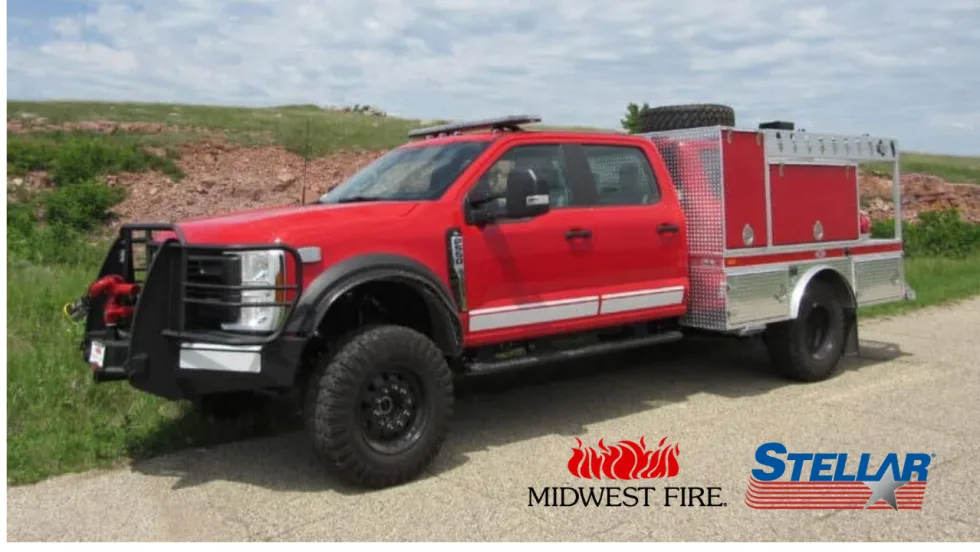
Stellar Expands into Fire Apparatus Market with Acquisition of Midwest Fire
Stellar Industries has acquired Midwest Fire, a custom fire apparatus manufacturer headquartered in Luverne, Minnesota, with nearly four decades of specialized apparatus experience.
Read More →
Recalls You Need to Know About in August 2026
If you have Altec, Chrysler, Ford, Heil, General Motors, International, Mack Trucks, Paccar, Rivian, Royal Truck, Toyota, US Truck Body, or Volvo Trucks vehicles in your fleet, you should check these important recalls issued by the National Highway Safety Administration.
Read More →