




Focusing on Attracting and Retaining Top Fleet Talent
Real strategies for attracting, hiring, and retaining top talent — and building a workplace people want to stay and grow in.
April 29, 2025

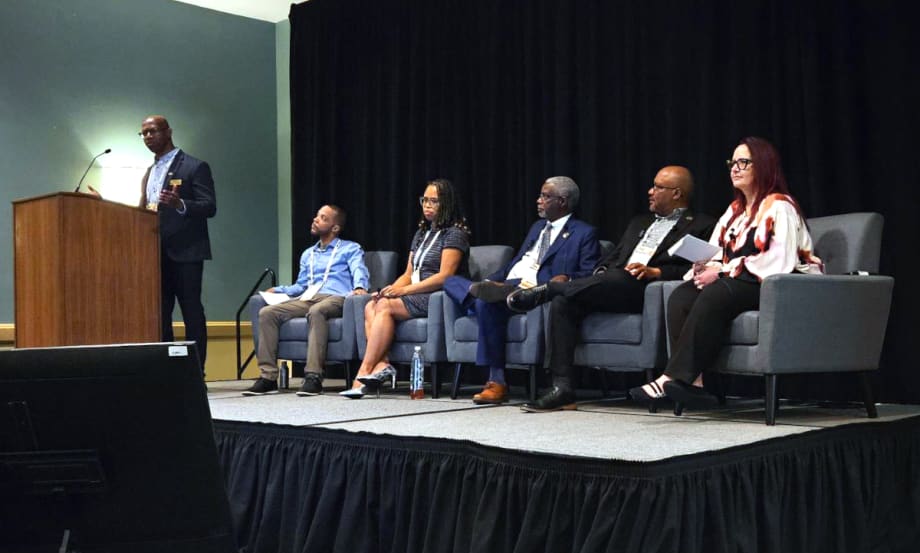
NAFA 2025 kicked off it's official first day with a session all about growing our industry and retaining top talent.
Photo: Lauren Fletcher
4 min to read
The Black Fleet Network hosted a session at the 2025 NAFA Fleet Institute & Expo to tackle one of the most pressing challenges across industries today: attracting and retaining top talent.
Moderated by Al Curtis of Cobb County, Georgia, and a panel of industry leaders, including L.P Monroe, Cedric Roberts, Nicklaus Cartledge, and Jen Pearson, the session kicked off with a conversation about the importance of not just filling open positions but strategically building teams with the right people and then investing in them for the long term.
Building the Right Team From the Start
One of the strongest takeaways was the importance of not just filling open roles but being intentional about who gets brought onto the team. The session stressed that hiring the right people is critical to the long-term health of any organization.
A strong culture and a safe, welcoming environment were emphasized as major attractors for new hires. Candidates will often overlook certain factors if they feel they’ll be supported and valued at work. Creating a positive workplace culture matters just as much, if not more, than a flashy salary.
Recruitment ideas shared included:
Tap into family connections, encouraging the next generation to join industries like fleet maintenance.
Expand beyond traditional pipelines such as dealerships and trade schools, reaching out to nonprofit organizations, returning citizens, and justice-involved youth.
Start early by engaging middle and high school students interested in automotive careers.
Hiring for Character, Not Just Skills on Paper
Another major theme was the importance of looking beyond resumes. Hiring managers were encouraged to pay close attention to candidates’ character, work ethic, and potential, not just their certifications or years of experience.
Stories were shared about candidates who might not have been the "perfect fit" on paper but who, with the right support and development, quickly became standout team members. Hands-on interviews, like demonstrations of basic shop equipment skills, were also suggested to validate a candidate’s abilities beyond what’s listed on a resume.
Making the Hiring Process Work Smarter
Much of the conversation focused on the hiring speed and the importance of keeping the process moving. Long, slow hiring timelines were called out as one of the biggest reasons good candidates move on.
Key ideas to streamline hiring included:
Mapping out and tightening up the full process without skipping critical steps.
Setting internal deadlines for resume reviews, interviews, and offer letters.
Keeping constant communication with candidates about where they are in the process.
It was noted that a strong candidate experience starts during hiring and that experience sets the tone for future employee engagement.
Leadership in Action
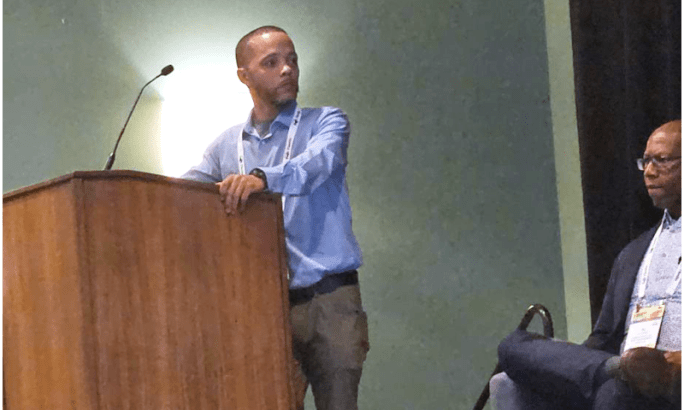
Al Curtis leads by action bringing his shop supervisor, Aaron Kendrick, up on stage to help co-moderate the session.
Photo: Lauren Fletcher
To demonstrate leadership development in real time, Al, one of the session leaders, invited his shop supervisor, Aaron Kendrick, to help co-moderate the final portion of the panel.
Aaron's journey through the organization served as a real-world example of how investing in team members pays off, and reinforced the value of giving future leaders opportunities to step up.
Creating Inclusive and Equitable Hiring Practices
The conversation also tackled diversity and inclusion, stressing that DEI efforts aren’t about meeting quotas but giving every qualified candidate a fair chance. Several reminders were shared:
Look carefully at job descriptions and run them through bias-checking tools.
Standardize interview questions so all candidates are evaluated fairly.
Continually train hiring teams to recognize and address unconscious bias.
It was reinforced that true equity means focusing on a candidate's skills, character, and potential, not their background, age, or physical abilities.
Rethinking Retention: It’s More Than Paychecks
When it came to keeping good people, the session focused on strategies beyond just offering more money.
Key retention lessons included:
Cross-train and provide exposure: It allows employees to learn about other areas like fuel management, budgeting, or procurement to help them grow their careers.
Give employees a voice: Involving frontline staff in decisions like equipment selection and shop operations strengthens their sense of ownership and engagement.
Create a positive, healthy culture: Toxic workplaces drive good people out, no matter how strong the pay or benefits are.
It was also noted that retention isn’t just about the employee; it’s often about supporting their whole family. Recognizing the bigger picture of an employee’s life and needs can go a long way in keeping them committed and happy.
Attendees walked away with new ideas, practical tactics, and a renewed focus on making their organizations places where people want to stay and grow.
More Operations
Family Ties Inside the Fleet Families Building Careers Across Generations
Three fleet families share what it really takes to work together, learn across generations, and keep business from following them home.
Read More →
Shades of Fleet Call for Voices: Fleet's Hidden Heroes
Fleet’s hidden heroes are often the ones keeping everything moving behind the scenes. September’s Shades of Fleet is looking for dispatchers, coordinators, parts specialists, and other support pros to share their stories.
Read More →
Truck Centers, Inc. Celebrates National Truck Driver Appreciation Week with $1,000 Fuel Card Giveaways
During National Truck Driver Appreciation Week, Truck Centers, Inc. is offering customers a chance to fuel up for free. Customers at all Truck Centers locations can enter to win one of four $1,000 fuel cards from Sept. 14 - 18.
Read More →
Fleet Guides, AI Time-Savers, Truck Tariffs & Fuel Strategy Lead the News
This week’s Truck Chat Cheat Sheet covers new fleet vehicle guides, practical AI use cases, U.S.-Canada truck production, mixed-energy strategy, and more.
Read More →
What Fleet Employers Are Missing When Hiring Veterans
What if some of the strongest candidates for fleet are already out there, but their experience is written in a language our industry does not always recognize?
Read More →
Automotive Fleet Opens 2026 Personal Use Survey for Commercial Fleet Managers
Less than two weeks left! Commercial and corporate fleet managers are invited to share how their organizations handle company vehicle personal-use policies, charges, and driver eligibility.
Read More →
What Resilient Fleets Do Differently When Conditions Change
Fleet resilience is about more than reacting to disruption. Lauren Fletcher talks with AP Fleet’s Alex Coveney about flexibility, planning, scaling, and what helps fleets adapt when business conditions shift.
Read More →
If We Want the Next Generation in Automotive, We Have to Give Them a Reason to Care
The automotive industry talks constantly about its workforce shortage. But before we can recruit the next generation, we may need to do a better job giving kids a reason to care about automotive in the first place.
Read More →
Ram ProMaster City Under $40K, Truck Tariffs, and AI Maintenance Lead the News
A sub-$40K commercial van, tariff questions, AI-powered maintenance, and a new EV production strategy headline this week’s Truck Chat Cheat Sheet.
Read More →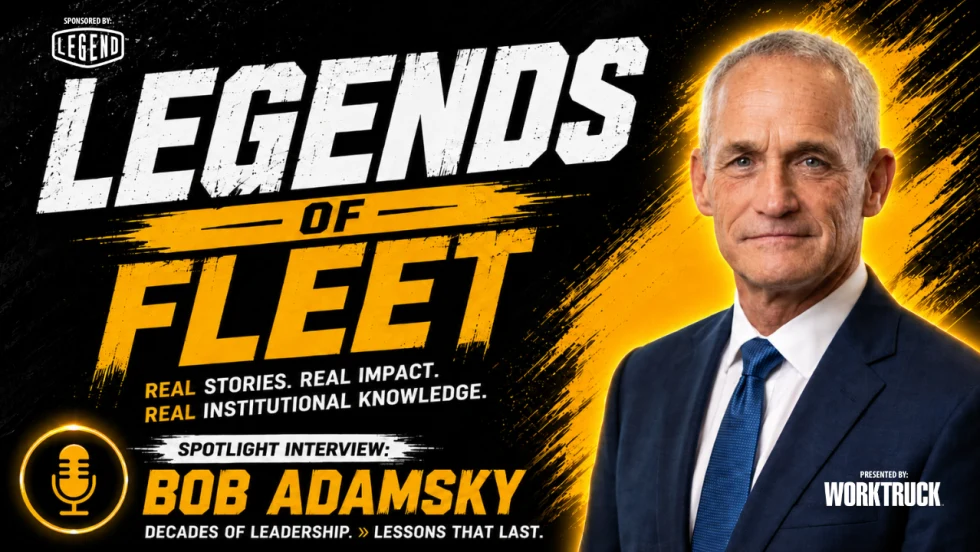
Bob Adamsky Shares the Fleet Lessons You Usually Learn the Hard Way
After more than 30 years in fleet, Arrow International’s Bob Adamsky has learned that the job is about far more than vehicles. He shares the lessons he wishes every fleet manager could learn a little earlier.
Read More →