





Click to Tweet! Share the state of the industry with colleagues!
What's the State of the Used Truck Industry in 2022?
Supply and demand shifts over the last two years have had ripple effects on purchasing patterns, the condition of used assets, and pricing.
November 3, 2022
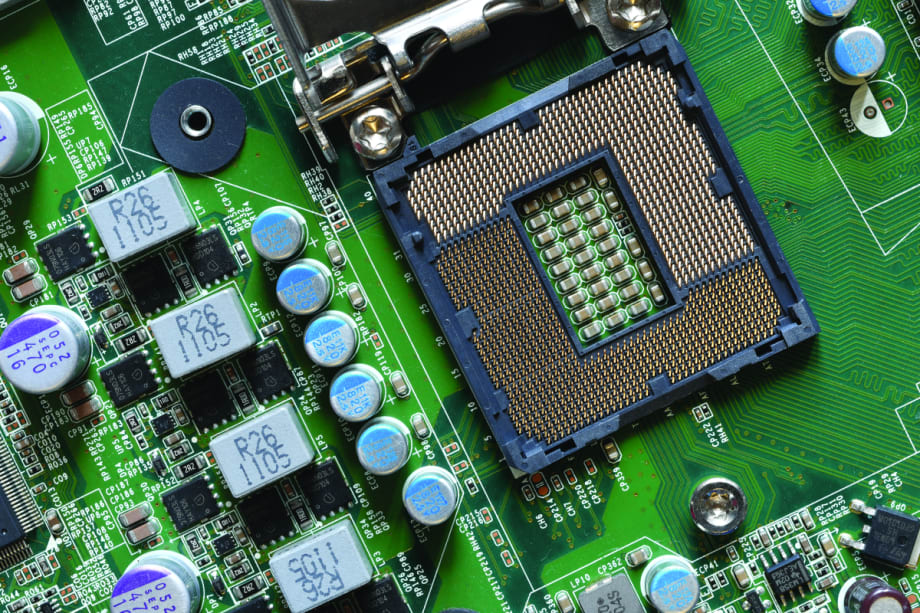
The semiconductor chip shortage has been an ongoing problem, preventing trucks from being delivered to fleets in need. But, as experts have noted, it’s still only one part of the truck-making process that has been in short supply.
Photo: Gettyimages.com/undefined undefined4
11 min to read
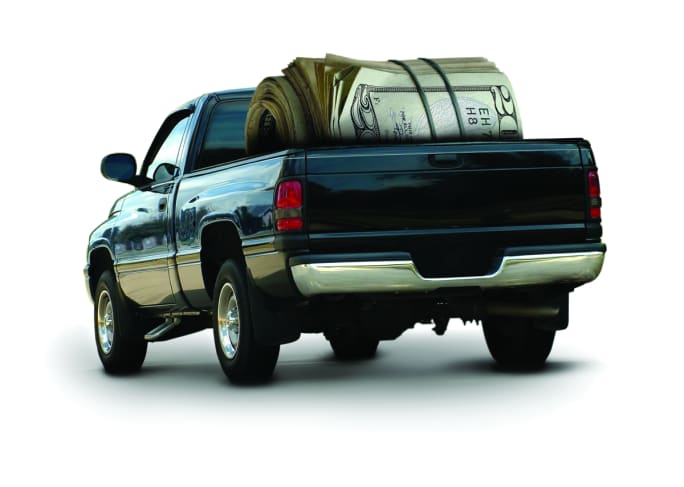
Pickup trucks have remained an outlier compared to the the historically high prices for medium-duty units today. Values for these models have been a relatively good value for buyers as they continue to lose value faster than the market.
Photo: Gettyimages.com/hannahgleg
The used truck industry often follows the ebb and flow of the economy. As individuals spend more and businesses grow, purchasing a used truck is an asset that helps fleet owners meet the demand and grow their businesses.
When the economy cools off, sales slow, and some fleets may sell off more units than is typical. Do you know what other factors make a difference? Other factors can include:
Fuel prices
Interest rates
Inflation
Insurance prices
New truck deliveries
Host of other pieces in a complicated puzzle.
Over the past few years, supply chain issues and new truck production backlogs have been new (and perhaps ill-fitting) pieces of the used truck industry puzzle. How have these and other factors influenced the state of the used truck industry?
Four experts weigh in on the trends they’ve seen throughout 2021 and 2022.
Shifts in Supply and Demand
Perhaps the most influential factor shaping the used truck industry over the last two years is the state of the new truck market.
“OEMs can’t build enough new trucks to fit the demand out there, and they’re essentially having trouble getting caught up,” said Nick Lombardo, purchasing & wholesale manager for Arrow Truck Sales and Used Truck Association Board Member.
One reason for the new truck production backlog is that OEMs are still reeling from the chip shortage and an insufficient supply of parts and materials.
“The chip shortage is still a problem and continues to hold up manufacturing,” said Rob Slavin, senior valuation analyst at Ritchie Bros. “Unfortunately, that’s not the only piece in short supply; there are also availability issues for frame rails, resins, tires, and more.”
Brian Daniels, director of sales and distribution for Daimler Trucks Remarketing Corp., said the lack of new trucks has also resulted in competition for parts for used trucks.
“The biggest issue the industry has had is the lack of supply of units. Both work truck fleets and over-the-road customers had to work to make sure that power was available where it needed to be, so typical trade-in cycles have been lengthened considerably,” he said. “Fleets are now running trucks longer, which means more repairs. The market for used and new trucks has had to contend with the critical shortages of certain necessary parts.”
Daniels sees truck shortages as an ongoing challenge. “New truck capacity remains constricted and will for the foreseeable future,” he said.
Although OEMs are still working through the production backlog, Mark Schirmer, corporate communications director for Cox Automotive, said the availability of pickups, at least, is marginally better.
“Looking at the past few months of data, it is fair to say the inventory levels of new, full-size pickups have been better than the industry average. It is still low by historical standards, but it is better than the industry when measured in days’ supply,” he said. “The domestic brands have been focused on their profitable pickup production, so new, full-size pickups are slightly more plentiful than the industry average, but that is common as dealers usually hold more pickup inventory.”
New Truck Buyers Shift to Used
One of the many ripple effects of new truck production shortages is that, in some cases, it’s forcing companies that typically buy new to buy used —increasing competition for used trucks among all buyers.
“The current supply of used trucks in the Class 4-8 market is limited. Our over-the-road customers who might traditionally purchase new equipment are aggressively sourcing lower mile tractors to fill the spots that new trucks will not,” said Daniels of Daimler Trucks Remarketing Corp. “Vocational customers will see a similar used truck market. Product will be limited, which could drive values of used trucks higher than anticipated.”
Slavin of Ritchie Bros. agreed that the rise in demand doesn’t discriminate between truck classes.
“Over-the-road trucks and dry van trailers attracted the most demand, but transportation equipment of all types, including medium-duty units and van trucks, also hit historic highs,” he said.
Lombardo of Arrow Truck Corp. has seen this play out among fleets that typically sell their old trucks and buy new ones but aren’t able to fulfill their new truck orders.
“In the past two years, some fleets had to resort to buying a late model used truck because they couldn't get enough new ones. They tried to order the normal volume or increase their volume, but they couldn't because the OEM could not meet their demand,” he said. “I saw a customer yesterday who only allocated 200 trucks for the next year, where normally they would have bought about 350. They’re trying to grow their fleet and put more trucks on the road to haul more freight because it’s profitable. But if they can’t replace their old truck, they can’t grow their business, so they either must buy used, hang on to their old trucks longer, or potentially buy a different brand of new, and I think all the above happened.”
Truck Mileage Goes Sky High
The new truck shortage is also causing odometers on used trucks to climb. The alternative was sticking with their units for fleets that opted not to purchase (or couldn’t find) low-mileage or late-model used trucks.
“With limited truck supply, fleet owners who normally depend on new stock were forced to hold on to trucks longer than normal,” said Slavin of Ritchie Bros. “As a result, many trucks we are selling today have higher mileage than normal. Low mileage used trucks are rare in the market today, but they still bring in very good money.”
Due to OEM production choices, Slavin said new, medium-duty trucks are also hard to find.
“Usually, these units are traded in or sold by the first owner in around five to seven years. However, most OEMs have stopped or slowed down production of medium units, so many companies are also holding on to these units longer than normal,” he explained.
Lombardo of Arrow Truck Corp. said the habit of hanging onto trucks for longer could rewrite the standard for “low mileage.”
“What we think is going to happen is the definition of a ‘lower mileage’ truck is going to be adjusted. So, I would normally consider a low-mileage sleeper truck to be 350,000 miles or less on a three-year-old truck. “What I call a low-mileage truck would be anything under 500,000 miles,” he explained.

With new truck shortages, fleets and consumers are holding onto their vehicles longer, meaning that low-mileage units are increasingly hard to find.
Photo: Gettyimages.com/Audrius Venclova
Increased Fleet Retail Sales
Another change in the used truck selling patterns is a shift to more retail sales versus wholesale by fleet owners.
Although some larger fleets have the infrastructure to sell their used trucks to retail buyers, Lombardo said that over the last two years, there were opportunities for Arrow Truck Sales to purchase the remaining inventory wholesale. That’s not the case anymore.
“In the past, we’ve been able to buy some of their used trucks on a wholesale basis simply because they have more trucks being replaced than they can sustain retail sales,” explained Lombardo of Arrow Truck Corp. “Now, the market has been so strong that fleets can sell their trucks retail at a premium.”
Historically High Truck Prices
As one would suspect, the high demand for and limited supply of both new and used trucks caused prices to surge.
“I’ve been in the transportation industry for more than 30 years, and I’ve never seen anything like what we’ve experienced since January 2021,” said Slavin of Ritchie Bros. “Limited supply of new and used trucks, combined with strong demand, pushed prices to new historic records in late 2021/early 2022. We saw trucks rising in value by 90-150% over historical norms. We saw two and three-year-old trucks selling for the same price as a new unit, while zero to one-year-old trucks were selling for more than new.”
Slavin cited a 2016 Freightliner sleeper as an example. In the fourth quarter of 2020, the five-year-old truck sold for approximately $30,500. Today, that same 2016 model year, now seven years old with similar miles, is still selling for high $30k to low $40k. Prices peaked in the first quarter of 2022, with prices between the high 60s to low 70s, but have decreased slightly — although not back to where they once were.
“No matter what application a truck was built for, the market saw substantial price increases along with limited availability in the secondary market,” said Daniels of Daimler Truck Remarketing Corp. “New truck production is slowly returning to normal, and we are seeing a moderation in both freight demand and spot freight rates. Used truck prices will normalize from record highs, but it is important to remember that current pricing, even with the recent declines, is significantly higher than comparative historical values.”
Several factors could be slowly edging prices down. For one, the cost of used trucks got so high that the market may have lost its tolerance for exorbitant prices. Freight shipments have slowed down some, as have spot rates, while fuel prices increased along with interest rates; all these factors also temper demand.
Lombardo of Arrow Truck said lenders played a role, too.
“It looked to me like lenders pulled in the reins a little bit and got a little more conservative with how much they were willing to lend for used trucks,” he said.
Slavin attributed much of the pricing adjustments to the cost of fuel.
“Over the last two quarters, rising diesel prices have started to slow the frenzy we’ve experienced for transportation assets. Pricing for used trucks is coming down slowly,” he said. “According to our latest Market Trends Report, used trucks sold in the U.S. are bringing approximately 18% more than last year, but that’s down from +28% last month.”
Although pricing for some trucks is beginning to stabilize, price decreases aren’t happening across the board.
“On the third quarter of this year, we saw pricing depth start to stabilize, and in some cases, we’re seeing pricing adjust a little bit upward on the trucks that are more sought after — lower mileage, later model, trucks with the factory warranty remaining, etc., — simply because buyers that would normally buy new can’t get new trucks, so they’re buying the late model used instead,” Lombardo said.
Pickup Values Are an Outlier
Pickup values are the exception among the extreme prices for other classes.
Looking at Manheim Used Vehicle Values, pickup trucks have been a relatively good deal for buyers, as they have been losing value faster than the market. Data trends evidence this over the summer and late in the third quarter of 2022.
In May, overall auction values for the entire industry were up about 10% year-over-year, but Manheim data show pickups were down 2.7%. June followed suit: the industry was up just short of 10% year-over-year, while pickup truck values were down 2.5%.
In July, the industry was up more than 12%, but pickups were up only approximately 6%, showing relative pricing weakness. The following month, the market was up more than 8% year-over-year, but pickups were up only a bit over 5%, again indicating pickups were underperforming the market. By mid-September, when market values were up only slightly year-over-year, pickup values were similar, up almost 1%.
“Overall, Manheim value data indicates that pickup trucks have generally been underperforming in the overall market through the summer — meaning values are softer than the market,” said Schirmer of Cox Automotive. “If you are a buyer in the used-vehicle market, that’s good news.”
What’s on the Horizon?
Looking into the not-too-distant future, more changes are on the horizon for the used truck industry.
Topping the list is a change in demand for used trucks.
“Overall, we are seeing softness in used-vehicle demand due to higher interest rates and overall inflation pressure on used-vehicle buyers, and we are expecting demand softness for the foreseeable future, as the Fed is working (successfully) to lower demand and cool prices further,” said Schirmer of Cox Automotive.
Although there is no predicting precisely how pricing will adjust because of decreased demand, Daniels of Daimler Truck Remarketing Corp. sees vehicle values trending downward.
“We believe we will see a return to month-over-month depreciation rather than the extraordinary appreciation in values that we saw over the past 24 months,” he said. “The level of that depreciation will largely depend on the economy as a whole.”
Lombardo of Arrow Truck envisions a time when OEMs have the materials they need to catch up on new truck production. This is likely to increase the availability of used trucks, but Lombardo warns of high-mileage units coming on the used market from large trucking carriers.
“What’s going to affect us the most right away is all the big carriers’ trucks may have more miles — really high miles — for two reasons: A) They’ve held on to them longer, and B) Freight has been really, good. And so, they’ve been running a record number of miles hauling freight with their trucks,” Lombardo said.
Schirmer also sees new truck production picking up, but perhaps not the best models for fleets.
“The problem for fleet buyers is that while new-vehicle inventory is healthy, the mix of full-size pickups being produced, we believe, is not aligned with what fleet buyers are looking for,” he said. “As inventory has been tight, automakers are making higher trim models to help profitability. If you are a serious fleet buyer, you are likely looking for lower-level trims. Until production improves markedly, we do believe the production mix will favor higher-priced production, which is not great news for fleet buyers.”
The new truck shortage may resolve, but other factors will continue to cause a change in the used truck industry.
Slavin of Ritchie Bros. suggested that the confluence of high fuel prices and decreased spot rates could spell trouble for smaller operations.
“Unfortunately, I think we could see repossessions start picking up for smaller operators, especially for sleeper trucks, as there were almost no repos in 2021,” he said. “Diesel prices have skyrocketed from approximately $2.56 per gallon in 2020 to $5.75/gallon, while spot rates have declined significantly since the first quarter of 2022. This is a tough environment for anyone, but especially smaller owner-operators.”
Want more state-of-the-industry updates? Check out what’s new with light-, medium-, and heavy-duty commercial truck tires and what fleet trends are driving these tire-related trends.
Subscribe to Our Newsletter
More Remarketing
AP Fleet Management Expands Remarketing Program for Commercial Work Trucks
AP Fleet Management expanded its commercial vehicle remarketing program with dedicated resale services and an online marketplace for used work trucks.
Read More →
REP Inspection Services Launches, Delivering Professional Equipment Inspections
REP Inspection Services, led by someone with more than 30 years of industry experience, has launched its professional inspection services for trucks, trailers, and equipment across the commercial vehicle industry.
Read More →
Introducing Work Truck’s 2025 Remarketing Report Series
Work Truck’s 2025 Remarketing Report Series uncovers how data, timing, and technology are reshaping resale value and driving smarter fleet strategies.
Read More →
Fleet Remarketing Outlook 2026: EVs, Policy, and the Power of People [Part 4]
From EVs to policy changes, the 2026 fleet remarketing outlook is all about people, progress, and finding opportunity in stability.
Read More →
Digital Fleet Remarketing: How Tech and Transparency Build Buyer Confidence [Part 3]
Technology and trust are reshaping fleet remarketing in 2025. See how data, transparency, and partnerships drive better resale outcomes.
Read More →
Fleet Replacement Strategy 2025: When to Hold and When to Fold [Part 2]
Knowing when to sell or hold is key in 2025. Discover how fleet professionals use data and TCO insights to make smarter remarketing calls.
Read More →
The 2025 Work Truck Remarketing Market: Prices, Pressure, and What Comes Next [Part 1]
Fleet remarketing in 2025 is stabilizing. Experts share how prices, rates, and new tech are shaping used truck values and resale strategies.
Read More →
Copart and One Inc. Partner to Improve Auto Claims Process
ChatGPT said: One Inc and Copart partner to speed up lienholder payments, helping insurers process total loss vehicle claims faster and improve customer experiences.
Read More →
Fleet Remarketing Industry Council Launches to Shape Future Resale Value
What if fleets could shape how their vehicles are valued after resale? Now they can.
Read More →
CAR Partners with NAFA Fleet Management Association For 2026 Event
The event will connect fleet managers with vehicle remarketers to delve into topics that help fleet operations find remarketing solutions.
Read More →